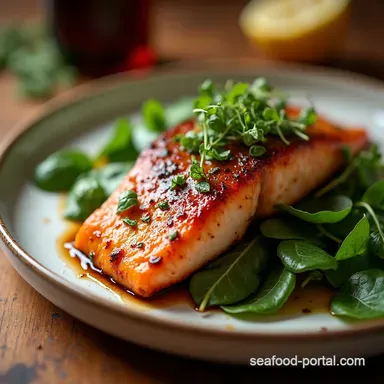
Sticky Maplebalsamic Glazed Rainbow Trout with Herby Greens
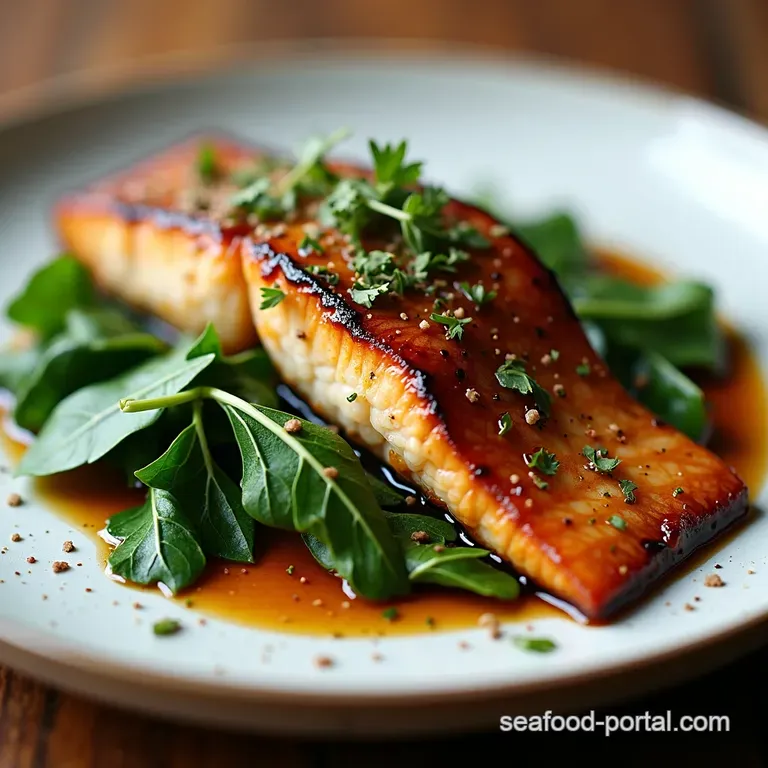
- Why This Maple Balsamic Rainbow Trout Recipe Steals the Show
- The Sweet & Tangy Symphony: Unpacking the Flavour Profile
- Sourcing Your Perfect Catch and Glaze Components
- The Essential Pantry List for Maple Balsamic Rainbow Trout
- The Seamless Cooking Sequence for Stunning Results
- Achieving Golden-Brown Perfection on Your Trout
- Troubleshooting and Flavor Customization Ideas
- Making the Most of Leftover Glazed Trout
- Choosing Your Catch: Sourcing and Prepping That Gorgeous Rainbow Trout
- The Art of the Sweet and Tangy Trout: Mastering Maple and Balsamic
- Cooking Method Showdown: Roasting vs. Pan-Searing Techniques for Flavour
- Getting the Glaze Just Right: A Sticky Situation Avoided
- Frequently Asked Questions
- 📝 Recipe Card
Why This Maple Balsamic Rainbow Trout Recipe Steals the Show
Right, listen up. If you’re like me, you love a good dinner that looks like you slaved over it all day but actually took about twenty minutes. That’s exactly what this Maple Balsamic Rainbow Trout delivers.
Forget those fiddly smoked trout salads or those heavy almond crusted options; we want simple elegance. When that pan hits the heat, the aroma of maple hitting the hot oil? Absolutely brilliant. It’s dinner theatre, that is.
Elevating Weeknight Dinners to Gourmet Status
Honestly, how often do you fancy something utterly delicious but don't want to break the bank or the oven? Very often, I reckon. This Rainbow Trout Recipe turns a regular Tuesday into something special. We are talking Sweet and Tangy Trout here.
That glaze it’s sticky, sharp, and sweet all at once. It makes the flakiest Rainbow Trout Fillet taste like it was prepared by some fancy chef. It’s a serious upgrade from just chucking a piece of fish under the grill, trust me.
The Quick Prep Secret Behind Restaurant Quality Fish
The secret to keeping this an Easy Trout Dinner lies in the prep, specifically drying the fish. I’ve learned the hard way: water on the skin means no crispiness. You want that skin to crackle, not steam! Pat, pat, pat those fillets dry.
Then, the glaze comes together in about two minutes flat. Whisk maple, balsamic, a touch of soy for depth, and garlic. Done. It’s what separates a decent Pan Seared Trout Recipe from a cracking one.
A Flaky Fish Dish Perfect for Any Occasion
Whether you’re looking for Healthy Trout Meals or just something quick that tastes like Sunday lunch, this fits the bill. It’s light enough that you won't feel sluggish afterwards, unlike some richer options like the rice seared trout I tried once (too much butter, frankly).
This Balsamic Glazed Trout is adaptable. Serve it with those quick greens we talk about later, or maybe some roasted potatoes if you're going all out. It answers the eternal question: What To Serve With Rainbow Trout ? Simple sides, because the fish is the star.
The Sweet & Tangy Symphony: Unpacking the Flavour Profile
The beauty here is the balance. That rich, dark maple syrup meets the sharp acidity of the balsamic. It’s a classic pairing, but when applied to delicate trout, it sings. It’s not overpoweringly sweet like some maple heavy things (though I do enjoy a good Maple Syrup In Beer, I must admit).
The slight hit of Dijon mustard in the glaze adds a backbone, stopping it from being too sugary.
Elevating Weeknight Dinners to Gourmet Status
Look, we all know salmon gets all the glory, but honestly, when you’re tired of the same old thing, Steelhead Trout Is Here For You . This preparation is proof. You get a gorgeous caramelization when you brush that glaze on during the final flip.
It creates a thin, almost chewy crust that locks in the moisture. Seriously, this Rainbow Trout Recipe feels premium without any of the hassle.
The Quick Prep Secret Behind Restaurant Quality Fish
When searing, remember: skin down first, nice and hot! I learned years ago when trying to fry haddock that trying to rush the skin contact just results in tearing. You need a solid 4 to 6 minutes on that skin side before you even think about flipping.
That crisp texture is essential for our Sweet and Tangy Trout . Once flipped, you only need a quick brush of the glaze and another couple of minutes before it’s done.
A Flaky Fish Dish Perfect for Any Occasion
For me, the real payoff is the simplicity of the finish. Those trout fillets come out looking absolutely glossy, coated in that reduced syrup. We aren't complicating things with caper vinaigrettes or mint pipiáns here; we let the main event shine.
This is the dish to make when you want something impressive without spending hours hovering over the hob. A final drizzle of that pan sauce, a sprinkle of parsley, and Bob’s your uncle. Dinner served!
Related Recipes Worth Trying
- Crispy Skin Rainbow Trout with Brown Butter Sauce Easy Fish Dinner — Master the perfect Seared Rainbow Trout with shatteringly crisp skin This easy trout recipe cooks in under 20 minutesa true showstopper for a midweek meal
- Rainbow Macaron onigiri Adorable Easy Bake Off Treat — Fancy a Macaron onigiri Rainbow treat These cute pastel rice balls are easier than they look A Bake Off worthy bento box sensation Get the recipe now
- Whole Trout en Papillote Easiest Lemon Herb Recipe — Love whole trout recipes This Whole Trout en Papillote with lemon herbs is a cinch Healthy flavourful and ready in under 40 mins Get the recipe
Right then, let's get this utterly smashing recipe for Maple Balsamic Rainbow Trout pinned down. We’re aiming for a dish that sings of sweet, tangy perfection, making that lovely trout truly shine.
It’s got that comforting, homemade feel, but polished enough for a Sunday supper with the in-laws. Easy enough for a mid-week hustle, but flavourful enough for a proper gathering. Making a stunning Easy Trout Dinner doesn't need to be a chore, trust me.
Sourcing Your Perfect Catch and Glaze Components
When you're tackling a Rainbow Trout Recipe like this, the quality of the main ingredient really shouts the loudest. You want fish that looks vibrant, not dull.
This glaze that beautiful blend of sweet maple and sharp balsamic is designed to enhance the natural goodness of the fish, not drown it out. It’s what gives us that lovely Sweet and Tangy Trout hit we’re after.
Selecting Superior Trout Fillets
For this recipe, you want four nice, thick Rainbow Trout Fillets . Aim for about 5 to 6 ounces (roughly 140 to 170g) each, preferably skin-on. That skin is vital; it protects the delicate flesh while it sears and gives you that satisfying, crispy texture.
A good fishmonger will sort you out, or if you're feeling brave, catch your own! If you notice the flesh is pale or smells too strongly fishy, leave it be. Fresh trout should smell clean, like a cool stream. If you can’t find trout, sea bass is a decent backup.
Aromatic Pairings: Herbs and Acids Beyond the Basics
We need a little depth in that glaze, don't we? Our core flavour is the Balsamic Glazed Trout magic, but garlic is non-negotiable use two nice fat cloves, minced properly.
A teaspoon of Dijon mustard might sound odd, but it’s the secret handshake that helps emulsify the glaze and keeps the flavours from separating. If you’re out of Dijon, use a tiny pinch of dried English mustard powder mixed with a drop of water instead.
We'll finish with fresh parsley for colour, making it look proper posh on the plate.
The Essential Pantry List for Maple Balsamic Rainbow Trout
Getting your ingredients lined up first (the French call it mise en place ) is the key to stress free cooking. This recipe moves fast once the heat is on, especially if you want that perfect sear for your Pan Seared Trout Recipe .
Crafting the Signature Maple Balsamic Reduction
This is where the showstopper happens. You need a quality maple syrup none of that pancake syrup rubbish, mind. Use about 1/4 cup (60 ml) of the good stuff. Balance that sweetness with 3 tablespoons (45 ml) of good balsamic vinegar.
I learned the hard way years ago that using cheap vinegar results in a sour mess; stick to something that coats the back of a spoon reasonably well. You can substitute half the maple syrup with brown sugar if you’re desperate, but the maple flavour adds such a lovely, earthy note to this Healthy Trout Meals option.
Necessary Equipment for Flawless Execution
You don’t need fancy gadgets, thankfully. The most important thing here is a large, good quality, non-stick skillet or, even better, a well seasoned cast iron pan. That guarantees you won't end up wrestling your Rainbow Trout Fillet off the bottom of the pan when you try to flip it.
You’ll also need a small bowl and a whisk for that glaze. A set of tongs is handy for flipping, too. If you're nervous about overcooking, grab a meat thermometer, but generally, these thin fillets cook fast!
If you’re wondering What To Serve With Rainbow Trout , simple roasted potatoes and some wilted greens are always a winner.
Right then, you’ve got your beautiful Maple Balsamic Rainbow Trout fillets ready. This isn't one of those recipes where you need to dedicate the entire afternoon to the kitchen.
We're aiming for speedy flavour here, the sort of thing that makes people think you’ve been slaving away since breakfast. This Rainbow Trout Recipe delivers exactly that sweet, sticky, and utterly delicious.
The Seamless Cooking Sequence for Stunning Results
We start with the crucial element: the glaze. This is where the magic happens, turning simple ingredients into something rather special. Don't rush this bit; a few minutes spent whisking properly pays dividends later.
Prepping the Glaze: Simmering for Maximum Intensity
You want a glaze that clings, not one that just runs off the fish like water off a duck’s back. Remember that balancing act? Sweetness from the maple, tang from the balsamic.
- Whisk together your 1/4 cup of Maple Syrup , 3 tablespoons of Balsamic Vinegar , 1 tablespoon of Soy Sauce , the minced 2 cloves of garlic , the 1 teaspoon of Dijon Mustard , and the 1/4 teaspoon of black pepper in a small bowl. Give it a good solid whisk until everything looks unified.
- Set this beauty aside. We are not cooking it yet. We just want it ready to go. If you’re feeling organised, you can actually make this glaze a day ahead. Store it in a jar in the fridge. It thickens slightly, but a quick warm-up fixes that. Honestly, this little batch of sauce is what elevates this from a Tuesday night meal to a genuine Easy Trout Dinner .
Once the glaze is done, you tackle the fish itself. Get those fillets bone dry I mean, really dry. I’ve learned the hard way that even a bit of residual moisture turns what should be a beautiful, crackling skin into a slightly soggy mess.
Grab those paper towels and give them a proper good pat down. Season the flesh side lightly with salt.
The Critical Step: Pan-Searing the Fish Skin Side Down
This is where you need your focus. We are aiming for texture, folks. Crispy skin is the hallmark of a great Pan Seared Trout Recipe .
- Place your large non-stick or cast iron skillet over medium high heat. Let it get properly hot you want the oil to shimmer almost immediately when you add it. That’s your cue.
- Add the 2 tablespoons of olive oil . Let that heat up for about 30 seconds, then gently lay the Rainbow Trout Fillets into the pan, skin side down .
- Crucial bit: Immediately use a spatula to press down firmly and evenly on the top of the fillets for about 30 seconds. This stops the skin from curling up and ensures maximum contact with the hot metal.
- Now, leave it alone! Seriously. Don't prod it, don't wiggle it, don't peek under the skin for at least 4 minutes . You’ll see the opaque colour creep up the sides. We want that skin to turn deeply golden brown and crisp up beautifully.
Achieving Golden Brown Perfection on Your Trout
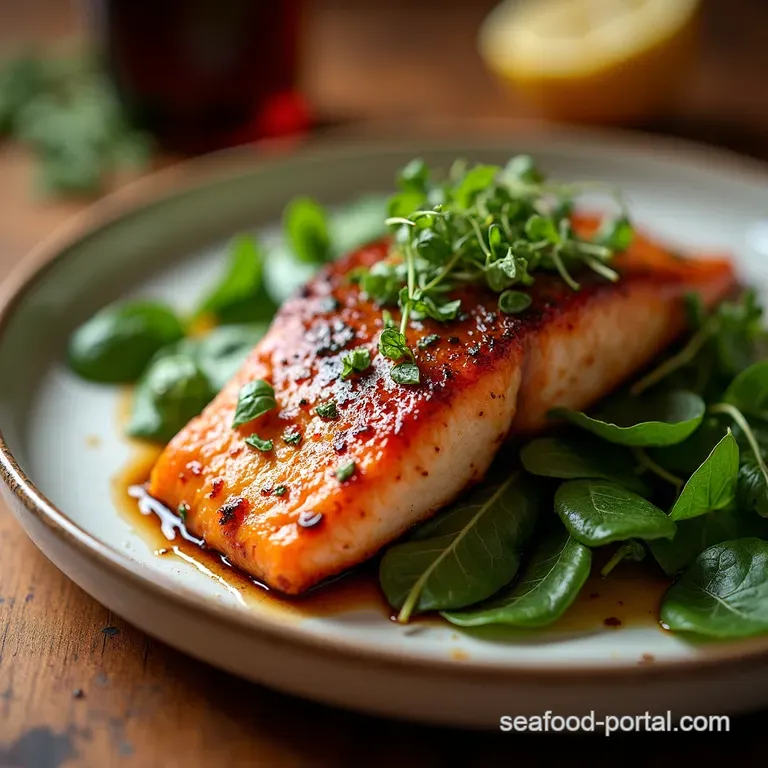
Once the cooking has progressed about two-thirds of the way up the fillet, we know it’s time for the flip. Be gentle; trout is delicate. You are looking for skin that peels away cleanly from the pan. If it sticks, it wasn't hot enough, or you disturbed it too soon.
That’s my biggest lesson learned on this dish!
Basting Technique: Ensuring Every Bite is Coated
After the flip, the flesh side only needs a little time. This is where we introduce that fantastic Sweet and Tangy Trout flavour from our glaze.
- Flip the fillets over gently. Immediately brush about half of your reserved glaze mixture directly onto the exposed, cooked flesh.
- Cook for only another 2 to 3 minutes . The glaze will start to bubble and stick nicely, caramelising quickly against the heat. Keep an eye on it so it doesn't burn remember, we have maple sugar in there!
Finalizing the Maple Balsamic Rainbow Trout: Resting and Serving
Don’t just yank the fish out and pile it onto the plates. Like any good meat, the Rainbow Trout Fillet needs a moment to relax.
- Carefully transfer the cooked fish to a warm plate. If you want an extra glossy finish, pour the remaining glaze into the now-empty, hot pan. Bring it to a brisk simmer for about 1 minute , stirring until it thickens into a beautiful, syrupy sauce.
- Drizzle this intensely flavoured, reduced glaze right over the fish. Garnish with that fresh, chopped parsley.
This makes for a fantastic Healthy Trout Meal . For serving, I always suggest something green to balance the richness. Throw some spinach or chard into that same pan after removing the fish, wilt it down quickly with a knob of butter and a squeeze of lemon.
That’s What To Serve With Rainbow Trout sorted! Enjoy the feast it's seriously smashing.
Right then, let’s get this utterly smashing recipe for Maple Balsamic Rainbow Trout pinned down. We’re aiming for a dish that sings of sweet, tangy perfection, making that lovely trout truly shine.
It’s got that comforting, homemade feel, but polished enough for a Sunday supper with the in-laws. Easy enough for a mid-week hustle, but flavourful enough for a proper gathering. This whole Rainbow Trout Recipe is a real gem for an Easy Trout Dinner .
Troubleshooting and Flavor Customization Ideas
Cooking fish, especially something as delicate as trout, can sometimes throw a curveball. Don't fret; even the best cooks have slightly sticky pan moments. The goal here is that gorgeous, crisp skin and that Sweet and Tangy Trout glaze just clinging to the flesh.
Variations on the Sweetener: Exploring Date Syrup Substitutes
I always bang on about using the proper dark maple syrup, but life happens. If you find yourself staring into the cupboard realising you’re out of the good stuff, don't panic and reach for table sugar that’ll burn before it glazes. Honey is the obvious swap, as mentioned before, and it works a treat.
But if you’re after something deeper, consider date syrup. It’s thick, earthy, and fantastic. You might need slightly less of it, though, as it tends to be sweeter than maple. If you go that route, I’d drop the vinegar measurement by half a teaspoon just to keep the balance right.
It shifts the flavour slightly away from the classic North American profile, perhaps making it feel a bit more Middle Eastern, which is quite nice, actually.
Pairing Suggestions: What Sides Complement This Dish Best?
This Balsamic Glazed Trout is rich from the glaze but light in texture. You need sides that can stand up to that sticky sweetness without stealing the show. For me, nothing beats simple, slightly bitter greens.
If you’re making the greens suggested in the main instructions (spinach or chard), a squeeze of fresh lemon right at the end is key. It brightens everything up. When deciding What To Serve With Rainbow Trout , think about texture contrast.
You want something creamy or starchy to mop up any leftover glaze. My absolute go-to is mashed celeriac instead of potatoes it’s lighter but still comforting. If you're aiming for a lighter feel, keep it simple: roasted asparagus or green beans tossed with toasted flaked almonds.
This keeps the whole meal looking very much like one of those Healthy Trout Meals .
Pro Tips and Garnish Ideas
When searing that Rainbow Trout Fillet , remember my cardinal rule: don't touch it once it’s skin side down for the first four minutes. Seriously. If you fiddle, you rip the skin. Let the heat do its job. As for garnishes, simple is best.
A sprinkle of Maldon sea salt flakes over the finished plate adds texture. Beyond fresh parsley, a fine grating of lemon zest right over the top just before serving adds an amazing aroma. If you like nuts, very finely chopped toasted pecans would complement the maple beautifully.
This recipe shines because it’s elegant simplicity, a proper Pan Seared Trout Recipe .
Making the Most of Leftover Glazed Trout
Now, let’s be honest, sometimes you cook four fillets and only two people turn up for dinner (or perhaps you just had a particularly enthusiastic cooking session). Leftover Maple Balsamic Rainbow Trout is an absolute gift, provided you store it correctly. Never waste this stuff!
Safe Storage Guidelines for Leftover Deliciousness
This is where we talk about food safety, folks. Because this is a glazed fish, it tends to hold moisture well, but it still needs respect. Once the fish has cooled down slightly (don't put piping hot fish straight into the fridge it raises the overall temperature), you need to store it airtight.
I use small glass containers, stacking the fish in a single layer if possible, but if you have to stack, put a small piece of parchment paper between the layers. Pop it in the fridge as soon as possible. It’s best eaten within two days.
After that, the texture starts to degrade, and frankly, it just isn't as exciting. Aim to consume any leftovers within 48 hours for the best experience.
Reheating and Serving Leftovers
Reheating fish can turn it into rubbery disappointment if you're not careful. For this Balsamic Glazed Trout , the goal is gentle warming to preserve the flakiness.
Forget the microwave unless you are in a desperate hurry and only use about 30% power in 30-second bursts, covering the fish to trap steam.
The best way? A gentle pan reheat or a low oven blast. Slice the cold trout into chunks and warm it quickly in a dry, non-stick pan over very low heat just until it loses the chill.
Or, wrap the fillet loosely in foil and warm in an oven preheated to 150° C ( 300° F) for about 8 minutes.
My favourite way to use leftovers, however, is cold or barely warmed, transforming the dish entirely. Flake the trout into a substantial, hearty salad the next day. Mix it with rocket (arugula), some toasted walnuts, and maybe some crumbled goat’s cheese.
That sticky glaze mixes beautifully with a simple vinaigrette. Suddenly, yesterday's Easy Trout Dinner is today’s sophisticated lunch. It's brilliant how versatile this simple glaze makes the Rainbow Trout Recipe . Enjoy every bite!
Choosing Your Catch: Sourcing and Prepping That Gorgeous Rainbow Trout
Right then, before we even think about whisking up that sticky glaze, we need to chat about the star of the show: the fish itself. Getting the right Rainbow Trout fillet makes all the difference between a decent meal and a showstopper.
Trust me, I learned this the hard way years ago trying to rush things.
This Maple Balsamic Rainbow Trout recipe really sings when the fish is fresh and handled with care. It’s not the time for frozen, rock hard blocks, if you can help it.
Finding Fish That Practically Jumps Onto Your Plate
So, where do you look? If you’re lucky enough to live near a decent fishmonger the real kind, not just a supermarket counter go there first. Ask them when the delivery arrived. We’re looking for flesh that looks vibrant, pinkish orange, and firm.
It shouldn’t smell ‘fishy’ at all; it should smell clean, like fresh water.
If you’re at the supermarket, check the date. If it says "previously frozen," that’s fine, but try to buy it fresh looking. For this recipe, skin-on fillets are your best mate. Why? Because that skin, when seared properly, becomes that wonderful, crackly barrier.
It protects the delicate flesh and gives you something satisfying to chew on. It’s what separates an amateur attempt from a truly brilliant Pan Seared Trout Recipe .
When buying whole trout, remember the general rule: one fish per person, unless they are tiny little darlings. For fillets, aim for about 5 to 6 ounces each. This keeps the cooking time predictable, which is essential when you're dealing with a sticky sauce like our Balsamic Glazed Trout .
The Crucial Prep: Making Friends with Paper Towels
This might sound boring, but listen up: drying the fish is perhaps the most vital step in achieving that perfectly crisp skin we’re aiming for in this Easy Trout Dinner . Water is the enemy of browning. Water creates steam, and steam softens the skin. Soggy skin is just… sad.
Take your beautiful Rainbow Trout fillets out of the packaging. Lay them flat on a plate covered with a generous stack of kitchen paper towels. Place another sheet on top. Now, press down. Firmly, but gently.
You want to wick away every bit of excess moisture from both the skin and the flesh side. I usually do this twice, swapping out the damp towels for fresh, dry ones.
Once they are as dry as a bone, it’s seasoning time. Don't overdo the salt on the flesh side; remember, our glaze has soy sauce in it, which adds saltiness. A light sprinkle is all you need for now. The real magic is what happens in the pan.
This attention to detail is what transforms this into one of those Healthy Trout Meals that tastes like a feast.
A Quick Word on Temperature Control
When we start cooking, we want medium high heat. Not blistering hot, which will burn the maple syrup in the glaze before the fish is cooked, but definitely hot enough to get a good sizzle going. Getting the temperature right is key to mastering the texture of this Sweet and Tangy Trout .
My biggest personal lesson with this fish? Patience when searing. If you put the skin down and immediately try to lift it to peek, the skin sticks, and you tear the fillet apart. Resist the urge! Let the skin cook for a good four or five minutes.
You’ll feel the fish naturally release from the pan when the crust is fully formed and golden brown. Only then do you flip it over to glaze. It’s a testament to how forgiving this Rainbow Trout Recipe is it rewards quiet confidence.
Knowing when to flip is half the battle when making this Maple Balsamic Rainbow Trout .
Once that skin is crisp and the fish is nearly done, we introduce the glaze. That’s where the alchemy happens. But we'll save the glaze application for the main cooking sequence, keeping the prep clean and simple here.
Now, are you ready to see What To Serve With Rainbow Trout to complete this perfect plate? Let’s move on to creating that irresistible glaze.
The Art of the Sweet and Tangy Trout: Mastering Maple and Balsamic
Right then, we’ve got our beautiful Maple Balsamic Rainbow Trout ready to go, and the secret weapon here isn't the fish itself though that helps it’s the glaze. This combination of maple and balsamic is pure magic, but you have to treat it with respect.
Get it wrong, and you end up with something either sickly sweet or far too sharp. We’re aiming for that sweet spot, that perfect ‘just right’ balance.
Finding Your Sweet Spot: The Flavour Equation
Honestly, when I first tried a glaze like this, I went way too heavy on the maple syrup. It ended up tasting a bit like pancake topping on my lovely Rainbow Trout Recipe . Lesson learned!
Maple syrup is potent, and balsamic vinegar is concentrated acid, so they need to be coaxed together, not rammed down each other's throats.
The ratio in this recipe is 1/4 cup maple to 3 tablespoons of balsamic. Think of the balsamic as the grounding agent. It brings that deep, almost wine like tanginess that stops the maple from tasting like dessert. My little trick? Always use a good quality balsamic.
You don't need the thirty year-old stuff you keep hidden away for Christmas, but don’t grab the cheapest bottle either. A decent, slightly aged balsamic will give you depth.
Why You Need That Dijon Kick
You’ll notice I’ve slipped in a teaspoon of Dijon mustard. Don't skip this! It’s our unsung hero in this Easy Trout Dinner . Mustard doesn't just add a tiny bit of heat; it acts as an emulsifier.
When you whisk that sauce, the mustard helps bind the oil (if you added any extras) and crucially it cuts through the intensity of the vinegar. It’s what elevates this from a simple sweet coating to a complex Sweet and Tangy Trout experience.
It’s the flavour equivalent of a perfectly polished shoe when you’re trying to impress the neighbours.
Glazing Timing: Patience Pays Off
This is the most important bit of sensory housekeeping for your Pan Seared Trout Recipe . When are you adding that gorgeous, sticky mixture? If you throw the glaze in while the fish is still raw, or while it’s cooking skin side down, you are asking for trouble.
The sugars in the maple will burn before the Rainbow Trout Fillet is properly cooked through. That means bitter black patches and raw fish underneath. No thank you!
We sear the fish mostly on the skin side get that skin crispy, about 4 to 6 minutes depending on thickness. Then, you flip it. As soon as it hits the flesh side, that’s when you brush on half the glaze.
Let it bubble and caramelize for those final 2 to 3 minutes. That quick blast of heat sets the glaze beautifully, making it glossy and slightly tacky without burning. The remaining glaze is reduced quickly in the pan afterwards to make a sauce to pour over everything.
If you follow this sequence, you nail that perfect Balsamic Glazed Trout every single time. It’s brilliant how such a simple adjustment makes all the difference to the final texture.
When it comes to serving this delicious Healthy Trout Meals option, remember that the intensity of this glaze pairs wonderfully with something fresh. Think crisp green beans or maybe some simple wilted spinach. It’s a straightforward approach to serving a seriously flavourful dish.
Cooking Method Showdown: Roasting vs. Pan-Searing Techniques for Flavour
Right then, my lovely cooks. We’re talking about our absolute stunner of a dish today: the Maple Balsamic Rainbow Trout . It’s the kind of meal that makes you think, "Blimey, that tastes way fancier than it was to make." But here’s the real nitty gritty for any fish dish, especially one coated in sticky sweet stuff: how do you cook it?
For this Rainbow Trout Recipe , we have two main routes: a proper oven roast, or a good old-fashioned pan sear. Honestly, there’s no single ‘wrong’ answer, but there’s definitely a ‘best’ answer depending on what you want out of your final plate.
Getting That Crispy Skin with Pan-Searing
When I first started fiddling about with trout, I always just chucked it in the oven. Easy peasy, right? But then I learned the magic of the pan sear. For this Sweet and Tangy Trout , pan-searing is my go-to method, and frankly, it’s essential if you want that glorious texture contrast.
Think about it: we want crisp skin and flaky, moist flesh. You can’t get truly crispy skin just by roasting, not unless you crank the heat sky-high and risk drying out the delicate flesh underneath.
When you use a hot skillet preferably cast iron, bless its heavy soul you get instant, intense heat transfer straight to the skin. This is what renders the fat and makes it go beautifully golden and crackly. That lovely sound when the skin hits the hot oil? That’s the sound of success, mate.
My top tip here, the lesson I learned the hard way after ruining about three fillets, is patience during the sear. You must cook the Rainbow Trout Fillet 80% of the way skin side down. Don't prod it, don't flip it early. Let the heat do its job.
If you flip too soon, you’ll tear the skin right off, and then you’re just left with sad, floppy fish. This technique ensures you nail that perfect Pan Seared Trout Recipe finish every single time.
When Roasting Makes Sense for Your Easy Trout Dinner
Now, I’m not saying roasting is rubbish; far from it. Roasting is brilliant for volume, especially if you’re making a big batch or serving a crowd. If you are dealing with whole trout rather than fillets, roasting is often simpler.
It also means you can cook your greens right alongside the fish, though you need to watch the timing closely.
Roasting is also wonderfully forgiving when it comes to the glaze. Because the heat is ambient (all around the fish), the sugar in our maple balsamic mix caramelizes more slowly and evenly.
If you’re nervous about burning the glaze, roast at about 200° C ( 400° F) until the fish is nearly done, then brush on the glaze for the last four minutes under the grill (broiler).
This gives you that sticky finish without the risk of turning the whole Balsamic Glazed Trout black before the centre is cooked.
If your goal is a super fast Easy Trout Dinner , the pan sear wins because it’s quicker overall. If you’re making a feast and need multiple things cooking at once, the oven is your pal.
Either way, the key to keeping this a Healthy Trout Meals option is not overcooking the fish, which is why checking the internal temperature isn’t a bad shout aim for 60° C ( 140° F) right at the thickest part.
So, which method is best for this Maple Balsamic Rainbow Trout ? I vote pan-sear for the texture. But don’t fret if you need the oven space; just treat that glaze with respect! Now, what shall we serve with this stunner?
That’s a topic for another day, but I have some great ideas for What To Serve With Rainbow Trout . Stay tuned!
Getting the Glaze Just Right: A Sticky Situation Avoided
Right then, we’ve got the Maple Balsamic Rainbow Trout prepped, the pan is hot, and the aroma is starting to build you can almost smell that beautiful sticky sweetness, can’t you?
But here’s the rub with anything involving sugar, like our lovely maple syrup: it burns faster than a politician’s promise. Getting this glaze consistency spot on is what separates a brilliant Rainbow Trout Recipe from a disappointing, slightly charred affair.
This glaze is meant to cling, to coat that flaky fish like a shiny, sweet and-sour hug. It’s the secret weapon for making this an Easy Trout Dinner . Too thin, and it just runs off into the pan, making the fish soggy.
Too thick, and you’ll end up with a hardened, burnt candy shell that hides the delicate flavour of the trout.
The Sweet Spot: That Syrup Consistency
When we first whisk everything up, the glaze is thin. That's fine; we want it liquid enough to brush on easily and incorporate into the pan juices. The real magic happens right at the very end. Remember Step 6 in the instructions? When you take the fish out and pour the leftover glaze back into the pan?
That’s your critical moment.
You need to bring that mixture to a simmer over medium heat. Watch it like a hawk. I learned this the hard way once when I nipped off to check the post came back to a pan that looked like a small, sugary bonfire! The vinegar needs to reduce slightly, and the maple needs to concentrate.
You’re aiming for a consistency that coats the back of a spoon nicely. It shouldn't drip off instantly; it should slowly ribbon off. Think of the consistency of slightly warmed golden syrup, not thin cordial. That’s the sign of a perfect Balsamic Glazed Trout .
Trouble Shooting Sticky Situations
So, what if you’ve gone a bit too far? Maybe it’s gone past ‘syrupy’ and into ‘tacky glue’ territory. Don't panic; this happens to the best of us. If your glaze has thickened too much in the pan and threatens to seize up, you need to loosen it up instantly.
The fix is incredibly simple. Just whisk in a tiny splash I mean maybe a teaspoon at a time of water or, even better, a squeeze of fresh lemon juice. This drop of liquid will shock the mixture back into shape, thinning it just enough so it drizzles beautifully over your Rainbow Trout Fillet instead of cracking off like cheap ceramic.
This quick adjustment keeps the Sweet and Tangy Trout flavour profile balanced.
Serving Up Perfection: Don't Waste a Drop
Once you’ve got that perfect syrupy coating, you need to use it quickly. The best part of this entire process is drizzling that last bit of concentrated sauce over the cooked fish and any accompanying greens.
It elevates this from just a nice meal to something special perfect for those Sunday supper moments when the in-laws are around.
Think about What To Serve With Rainbow Trout . Because the glaze is so rich, sharp, and sweet, you want something that balances that intensity. I always pair this with bright, slightly bitter greens, like the ones suggested, or perhaps some simple steamed asparagus.
It keeps the whole dish firmly in the realm of Healthy Trout Meals . If you nail this glaze consistency, you’ve cracked the code for a truly memorable Pan Seared Trout Recipe . It’s simple stuff, really, but nailing that final coating makes all the difference.
Job done!
If you're craving more ideas, explore Lemon Herb Baked Trout A Deliciously Easy Recipe , Sweet Spicy Maple Glazed Salmon Quick Easy and Honey Balsamic Grilled Carrots: An Easy BBQ Side Dish .
Frequently Asked Questions
Why is my Maple Balsamic Rainbow Trout sticking to the pan? Did I miss a step?
Nine times out of ten, it’s down to moisture or temperature, bless it! Make absolutely sure you're patting the trout fillets bone dry before they hit the heat water creates steam and stops the skin from crisping.
Also, ensure your pan and oil are properly hot before placing the fish skin side down; that initial sizzle locks in that lovely crisp layer.
How do I know when the Rainbow Trout is perfectly cooked without drying it out?
It’s a delicate balance, isn't it? For perfectly flaky results, aim for an internal temperature of 145°F (63°C). If you don't have a thermometer, look for the opaque colour to travel about two-thirds up the side of the fillet; the flesh should easily flake with a fork when gently pressed.
Remember, it continues to cook for a minute or two after leaving the heat!
Can I use honey instead of maple syrup in the Maple Balsamic glaze?
Absolutely, you can substitute honey for the maple syrup if you haven't got any in the cupboard, though the flavour profile will shift slightly. Honey tends to be a bit more floral, whereas maple offers that deeper, earthy sweetness we are aiming for. Just use an equal 1:1 measurement when swapping.
I need to make this ahead of time can I prep the Maple Balsamic Rainbow Trout in advance?
The best approach is to prepare the glaze entirely in advance; it keeps brilliantly in the fridge for up to a week. However, for the best texture, you must cook the fish right before serving; pre-cooked fish tends to lose that beautiful, moist flakiness, especially once glazed.
Cook it fresh, but prep your components first!
My glaze seems too thin after I pour it back into the pan. How do I thicken it up?
That’s a common query! When you return the remaining glaze to the hot pan, you simply need to simmer it rapidly stirring constantly for just 60 to 90 seconds. The combination of the heat and the slight reduction from the residual trout drippings will bring it to that lovely, sticky, syrupy consistency perfect for drizzling over the top.
Don't boil it for too long, or it'll get chewy!
Sticky Maplebalsamic Glazed Rainbow Trout With H