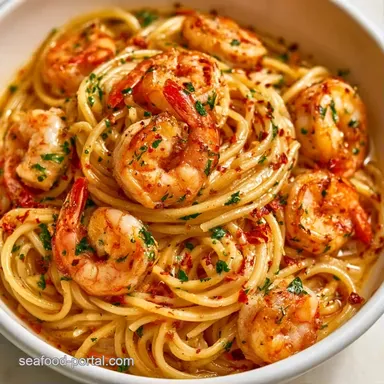
Spicy Lemon Shrimp Spaghetti in 30 Minutes

- Time: 10 min prep + 20 min cook
- Flavor/Texture Hook: Zesty, buttery, and pops of heat
- Perfect for: Impromptu dinner gatherings or a quick win weeknight feast
The sound of shrimp hitting a screaming hot skillet is the only alarm clock I need in the kitchen. There's that specific, aggressive sizzle when the butter foams and the seafood begins to brown, filling the room with a salty, garlicky aroma that instantly makes everyone gather around the stove.
I used to struggle with seafood pastas, often ending up with a puddle of oil at the bottom of the bowl and shrimp that felt like rubber bands. It took a few dinner parties and a lot of tasting to realize that the balance of acid from the lemon and the fat from the butter needs a bridge to hold it all together.
Once you get the timing down, Spicy Lemon Shrimp Spaghetti becomes a reliable go to for those nights when you want something that feels fancy but doesn't require a whole afternoon of prep. It's bright, bold, and exactly what a Mediterranean dinner should be.
Quick Spicy Lemon Shrimp Spaghetti Specs
This dish is all about efficiency. You aren't spending hours reducing a sauce; instead, you're building layers of flavor in a single pan. The goal is to maintain the snap of the shrimp while creating a sauce that clings to every strand of pasta.
| Goal | What to change |
|---|---|
| More Heat | Add extra red pepper flakes |
| Tarter Taste | Increase lemon juice |
| Creamier Feel | Extra Parmesan |
Right then, let's look at the time commitment. With 10 minutes of prep and 20 minutes on the heat, you can have this on the table faster than a delivery driver can find your house.
Why This Recipe Works
The Pasta Water: Saving a bit of salty cooking water provides the starch needed to emulsify the sauce, creating a smooth, glossy finish.
The Butter Foam: Blending oil and butter lets you sear the shrimp at a higher heat without risking burnt milk solids.
The Acid Balance: Lemon juice provides a bright contrast to the heavy Parmesan and butter, ensuring the meal doesn't feel overly weighted.
| Method | Time | Texture | Best For |
|---|---|---|---|
| Fast Emulsion | 30 min | Glossy/Light | Weeknights |
| Classic Reduction | 60 min | Thick/Rich | Slow Sundays |
The Pantry List
For an optimal outcome, opt for a high-grade extra virgin olive oil. Because it is a key flavor driver, a standard blend can result in a flat-tasting dish.
For the Shrimp
- 450g large shrimp, peeled and deveined The reason: Larger shrimp maintain their shape and are less likely to overcook
- 3g salt
- 1g black pepper
- 2g crushed red pepper flakes
For the Pasta & Aromatics
- 450g spaghetti or linguine
- 42g unsalted butter, divided
- 30ml extra virgin olive oil
- 20g garlic, minced
- 60g shallot, finely diced
For the Spicy Lemon Sauce
- 120ml dry white wine The reason: Creates a crisp, acidic base for the sauce
- 60ml fresh lemon juice
- 6g lemon zest
- 50g grated Parmesan cheese
- 60ml reserved pasta water
- 8g fresh parsley, chopped
| Original Ingredient | Substitute | Why It Works |
|---|---|---|
| White Wine | Vegetable Broth | Provides a comparable savory foundation. Note: Missing the wine's bright, fruity acidity |
| Parmesan | Pecorino Romano | Offers a more intense, salty punch. Note: Adjust the additional salt accordingly |
| Spaghetti | Linguine | The flat surface area captures sauce more effectively. Note: Offers a distinct texture |
Tools For Success
A professional kitchen isn't necessary, but a wide skillet is a must. Using a pan that's too narrow will crowd the shrimp, causing them to steam rather than sear and resulting in a pale, soggy dish.
I suggest a large cast iron or stainless steel skillet. Because they retain heat more effectively than non-stick options, they create those coveted golden-brown edges. You will also require a large pot for boiling the pasta and tongs for the final mix.
If your shrimp are frozen, be sure to remove the shells/veins if they haven't been cleaned. Pat them thoroughly dry with paper towels before adding seasoning, as moisture prevents them from browning properly.
The Cooking Process

Let's jump in. Have your pasta and sauce ingredients prepped so you can work efficiently once the stove is hot.
Prepping the Pasta & Shrimp
- Bring a large pot of heavily salted water to a boil. Cook the spaghetti for 1-2 minutes less than the package's al dente timing. Note: The pasta will finish cooking in the sauce.
- Thoroughly dry the shrimp. In a bowl, coat them with salt, pepper, and red pepper flakes.
Searing the Protein
- In a skillet over medium-high heat, melt 14g of butter with 15ml of olive oil. Wait for the butter to foam and the popping to stop.
- Arrange the shrimp in a single layer. Sear each side for 2 minutes until golden brown and opaque.
- Immediately transfer the shrimp to a plate. Note: This ensures they don't become rubbery.
Building the Emulsion
- Turn the heat down to medium. Melt the remaining butter and oil in the same pan.
- Sauté the shallots for 2 minutes, then stir in the garlic for another 30 seconds until fragrant.
- Pour in the white wine, scraping the browned bits from the pan's floor, and let the liquid reduce by half.
Finishing the Dish
- Mix in the lemon zest and juice.
- Return the cooked spaghetti and seared shrimp to the skillet.
- Stir in the Parmesan cheese and a bit of the reserved pasta water. Toss over medium heat until a velvety glaze forms.
- Finish with fresh parsley and serve immediately.
Chef's Note: If the sauce seems too clumpy or thick due to the cheese, stir in a little more pasta water. You want a smooth coating rather than a thick paste.
Fixing Common Issues
When making Spicy Lemon Shrimp Spaghetti, the most frequent problem is the sauce consistency. It can either be too watery or break into an oily mess. If it's too thin, it's usually because the wine didn't reduce enough. If it's oily, the heat was likely too high when the butter and cheese were added.
Another common slip up is overcooking the shrimp. Because they go back into the pan at the end, they only need a quick sear initially. If they curl into tight "O" shapes, they've stayed in the heat too long.
Fixing Rubbery Shrimp
Pull the seafood off the heat the moment they turn opaque. They will carry over and finish cooking during the final toss with the pasta.
Managing the Sauce
If the sauce separates, whisk in a tablespoon of pasta water over low heat. This re emulsifies the fats and liquids.
Adjusting the Spice
If the red pepper flakes are too intense, add an extra knob of butter. The fat neutralizes the capsaicin and mellows the heat.
| Problem | Root Cause | Solution |
|---|---|---|
| Watery Sauce | Wine didn't reduce | Simmer for 2 more mins before adding pasta |
| Rubbery Shrimp | Overcooked in sear | Reduce sear time to 90 seconds per side |
| Clumpy Cheese | Heat too high | Lower heat before stirring in Parmesan |
Customizing Your Pasta
This recipe is a great base for other Mediterranean flavors. If you want to bring in more greens, stir in two handfuls of fresh baby spinach during the final toss. The residual heat will wilt the leaves in about 30 seconds without overcooking them.
For those who prefer a different profile, you might enjoy a Shrimp Tomato Sauce for a richer, red based meal. However, if you stick with the lemon version, try adding a teaspoon of capers for a salty, briny punch that pairs well with the citrus.
If you're avoiding dairy, skip the butter and Parmesan. Use a high-quality vegan butter substitute and increase the amount of pasta water and lemon zest to maintain that creamy texture.
Saving Your Leftovers
Spicy Lemon Shrimp Spaghetti is best enjoyed fresh, but it can be kept in the fridge for up to 2 days. Store it in a sealed glass container to keep the shrimp from absorbing other fridge odors.
When reheating, avoid the microwave if possible, as it makes the shrimp rubbery. Instead, place the pasta in a skillet over medium heat and add a splash of water or a tiny bit of butter. This helps loosen the sauce and brings back that glossy finish.
For zero waste, don't throw away the shrimp shells if you bought them whole. Roast them in the oven for 10 minutes and simmer them in water to make a quick seafood stock for your next risotto. If you have leftover lemon rinds, freeze them in a small bag to use for zesting in future recipes. For a different flavor experience next time, check out this Garlicky Shrimp Scampi.
Serving and Pairing
This dish is a celebration of fresh, vibrant colors. I like to serve it in wide, shallow bowls, swirling the pasta into a nest and topping it with the shrimp. A final sprinkle of fresh parsley and a wedge of lemon on the side make it feel like a restaurant plate.
Pair it with a crisp, chilled glass of Sauvignon Blanc or Pinot Grigio. The acidity in the wine mirrors the lemon in the sauce and cuts through the butter. If you're looking for a side, a simple arugula salad with a light vinaigrette or some charred asparagus works brilliantly.
Avoid heavy sides like garlic bread, as the pasta is already rich and garlicky. Stick to something light and green to keep the meal feeling fresh.
The Logic Behind the Sauce
You might wonder why we use both lemon juice and zest. The juice provides the sharp acidity, but the zest contains the essential oils that give the dish its deep, citrusy fragrance. Without the zest, the sauce tastes flat; with it, the flavor becomes three dimensional.
The use of white wine serves as a bridge. It deglazes the pan, picking up all the browned shrimp bits (the fond) and incorporating them into the liquid. This creates a depth of flavor that you simply can't get from lemon juice alone.
When you toss in the Parmesan and pasta water, these elements bind together to create a cohesive, savory glaze that wraps around the noodles.
Recipe FAQs
What pasta is best for this lemon shrimp dish?
Use spaghetti or linguine. These long strands capture the buttery glaze perfectly.
How to keep the shrimp from becoming rubbery?
Sear them for only 2 minutes per side. Remove them from the pan immediately once they turn opaque.
Is it true that skipping pasta water makes the sauce thicker?
No, and here's why. The starchy water is actually what emulsifies the butter and lemon into a velvety glaze.
Which dry white wine works best here?
Choose a crisp variety like Pinot Grigio or Sauvignon Blanc. These complement the acidity of the lemon without overpowering the seafood.
Why does the garlic burn so easily?
Cook it over medium heat for only 30 seconds. This prevents the sugars from scorching.
Can I substitute the wine for a different sauce?
Yes, you can use a tomato-based alternative. If you enjoyed the flavor balance here, see how the same principle works in our shrimp tomato sauce.
What causes the sauce to stay thin?
Toss the pasta vigorously with the Parmesan. This action creates the necessary emulsion to thicken the glaze.
Should I sear the shrimp while they are still wet?
No, this is a common misconception. Wet shrimp steam instead of searing, so pat them dry to get a golden-brown crust.
Spicy Lemon Shrimp Spaghetti for 4