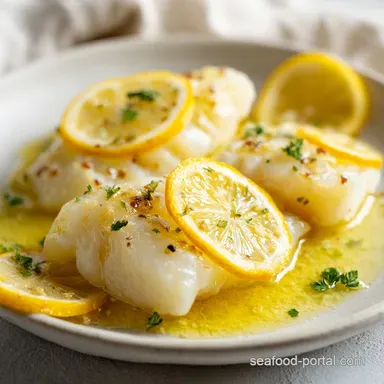
Sous Vide Lemon Butter Cod: Tender and Flaky
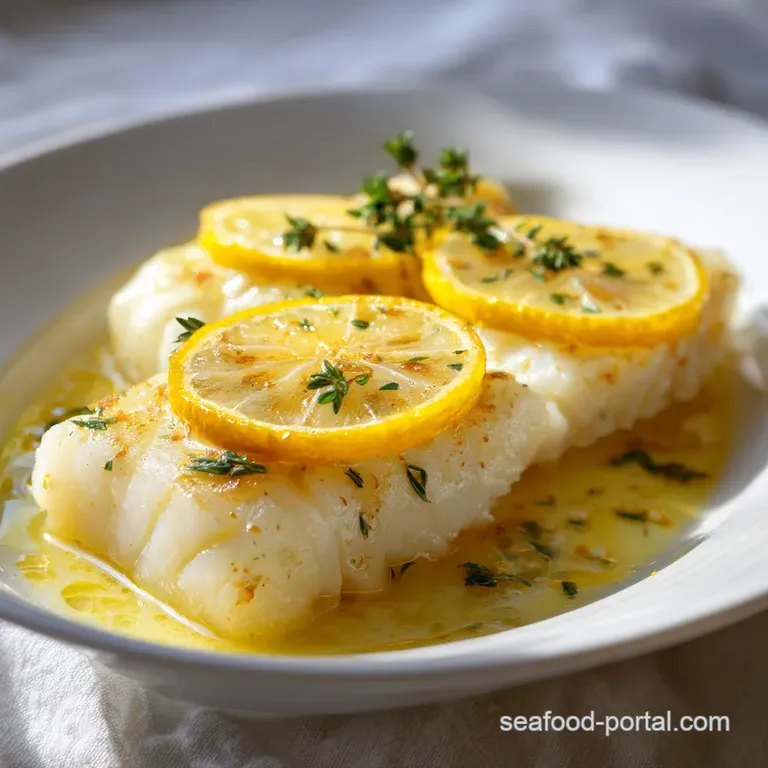
- Time: 10 min active + 30 min cook = 40 min
- Flavor/Texture Hook: Velvety, buttery interior with a mahogany colored crust
- Perfect for: Low stress date nights or a fancy weeknight dinner
The aggressive sizzle of butter in a hot pan is usually the best part of cooking, but for a long time, it was where I ruined every piece of cod I touched. I'd be so focused on getting that golden crust that I'd completely overshoot the internal temperature.
One minute the fish looked raw, and thirty seconds later, it had that rubbery, bouncy texture that tells you it's overcooked. It's a heartbreaking transition, especially when you've paid for a nice loin.
Then I stopped guessing and started using the water bath. I realized that cod is incredibly temperamental, and the narrow window between "translucent" and "dry" is smaller than you'd think.
By controlling the heat exactly, I stopped seeing that weird white albumin goo leaking out of the fish, and the texture became something entirely different - silky and consistent from edge to edge.
This approach takes the anxiety out of the kitchen. You aren't hovering over the pan praying it doesn't dry out. Instead, you get a velvety piece of fish that holds its shape but melts in your mouth.
Trust me on this, once you try this Simple Sous Vide Cod with Lemon Butter Recipe, you'll never go back to just tossing fillets in a pan and hoping for the best.
Simple Sous Vide Cod with Lemon Butter Recipe
Right then, let's talk about what's actually happening here. Most people think the "secret" is the butter, but it's really about the temperature. When you cook fish in a pan, the outside gets way hotter than the inside. This creates a gradient where the edges are overdone before the center is even warm.
Sous vide deletes that problem.
Why the Water Bath Wins: Steady temperature prevents the muscle fibers from contracting too tightly. This keeps the natural juices inside the fish rather than pushing them out into the pan.
But there is a choice you have to make before you start. Do you want a firm, traditional flake or something more buttery? I've found that 131°F (55°C) gives you that classic "restaurant" feel where the fish flakes in large, clean chunks.
If you prefer something almost custard like and translucent, drop it to 122°F (50°C). Personally, I go with 131°F because it holds up better during the final sear.
Chef Note: If you're using a very thick cod loin, stick to the higher temp. Thinner fillets can handle the lower end without feeling underdone.
Quick Technical Details
Before we get into the grit, you need to know how this compares to the old school way. If you're in a massive rush, you can still pan fry, but you're gambling with the texture.
| Method | Time | Texture | Best For |
|---|---|---|---|
| Sous Vide | 40 mins | Velvety & Consistent | Precision & Guests |
| Pan Sear | 12 mins | Firm & Variable | Quick Lunch |
| Oven Bake | 20 mins | Soft & Mild | Large Batches |
But what about the specifics? Here is a quick decision shortcut to help you dial in your result.
- If you want a buttery, melt in-mouth feel, set your circulator to 122°F (50°C).
- If you want a traditional, firm flake, go with 131°F (55°C).
- If you're cooking from frozen, add 15 minutes to the total cook time.
Understanding the Components
Not all ingredients are created equal here. The lemon isn't just for flavor, it actually helps break down some of the proteins to make the fish more tender. If you're looking for other ways to prepare white fish, you might like my baked pollock fish for a faster alternative.
| Ingredient | Science Role | Pro Secret |
|---|---|---|
| Kosher Salt | Moisture Control | Salt early to brine the fish, preventing water loss |
| Unsalted Butter | Fat Barrier | Cubed butter in the bag creates a poaching liquid |
| Lemon Slices | Acidic Tenderizer | Use thin rounds to maximize surface area contact |
| Fresh Parsley | Flavor Contrast | Add at the very end to keep the color vibrant |
I've learned the hard way that using salted butter in both the bag and the baste can make the dish way too salty. Stick to unsalted so you can control the seasoning with the kosher salt. It's a small detail, but it's the difference between a balanced dish and a salt bomb.
Necessary Kitchen Tools
You don't need a professional kitchen, but a few specific tools make this happen. First, you'll need an immersion circulator. Any standard one works, but I've used an Anova for years and it's dead simple.
You also need a way to seal the fish. A vacuum sealer is the gold standard because it sucks out all the air, ensuring the fish doesn't float. But if you don't have one, don't sweat it. You can use a heavy duty Ziploc bag and the water displacement method.
Just slowly lower the bag into the water, letting the pressure push the air out before you zip it shut.
Finally, get a cast iron or stainless steel skillet. You need something that can handle high heat. Non stick pans are fine, but they don't create that mahogany crust as well as heavy metal does.
The Complete Cooking Process
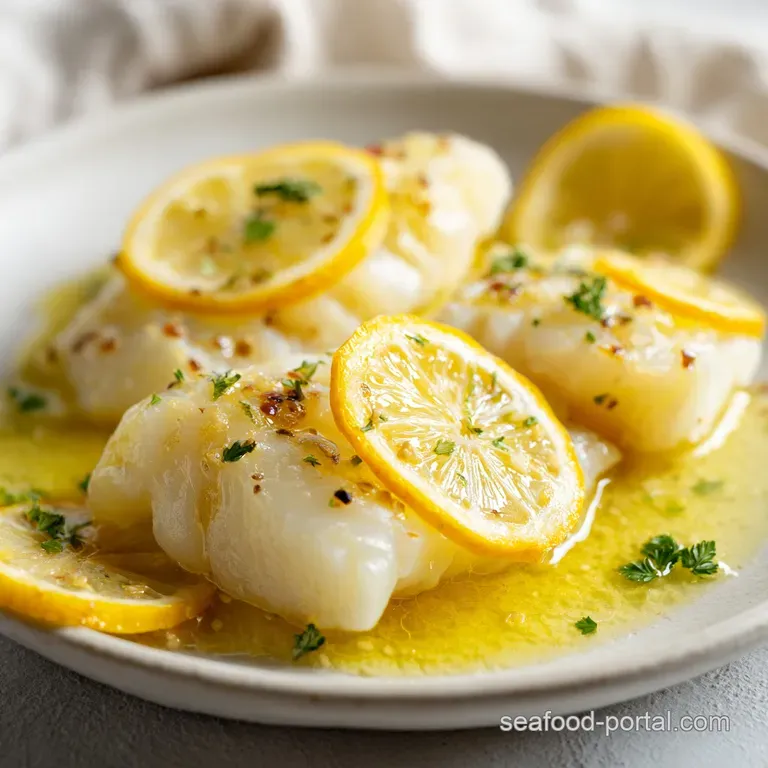
Let's crack on. This process is split into three phases: the bath, the prep, and the finish. Pay attention to the smells - that's how you'll know you're on track.
Phase 1: The Precision Bath
Preheat your sous vide water bath to 131°F (55°C) for a firm flake or 122°F (50°C) for a buttery texture. While that's heating up, pat your cod loin completely dry.
This is a step most people skip, but if the fish is wet, it won't season properly.
Season the cod liberally with kosher salt and black pepper. Place the fillets in your vacuum bag. Add a few cubes of unsalted butter and a couple of thinly sliced lemon rounds. Seal the bag tightly. If using the Ziploc method, make sure there are no bubbles left inside.
Phase 2: The Controlled Cook
Submerge the bag in the water bath. Ensure the fish is fully underwater. If it floats, you can weigh it down with a heavy spoon or a ceramic plate. Cook for 30 to 45 minutes.
Once the timer goes off, remove the bag. Here is the critical part: remove the fish and pat it completely dry again with paper towels. If the fish is damp, it will steam in the pan instead of searing, and you'll lose that crust.
Phase 3: The over High heat Finish
Heat your skillet over high heat. Add 1 tbsp of butter and a splash of high smoke point oil (like avocado or grapeseed). Wait until the butter is foaming and just starting to smell nutty.
Place the cod in the pan. Sear for 45 60 seconds per side until a mahogany colored crust forms. You should hear a loud, aggressive sizzle the moment it hits the pan.
Reduce the heat to medium. Toss in the remaining 3 tbsp of butter, the smashed garlic clove, and the fresh lemon juice. As the butter melts and bubbles, use a spoon to continuously pour it over the fish for about a minute. This is the baste. The aroma should be zesty and rich.
Finish by stirring in the minced parsley right before plating.
Fixing Frequent Failures
Even with a machine, things can go sideways. Most issues happen during the sear or the bagging process.
The Mushy Feel
If your fish feels too soft or falls apart when you touch it, you've likely gone too low on the temperature or left it in too long. While sous vide is forgiving, fish proteins can break down if they sit at very low temps for hours.
The Bag Float
When the bag floats, the fish doesn't cook evenly. This happens when air is trapped in the corners of the bag. Always check that the bag is fully submerged.
The Butter Burn
If your baste turns black, your pan is too hot. The garlic and butter are the first things to burn. This is why we drop the heat to medium before adding the final butter and garlic.
| Problem | Root Cause | Solution |
|---|---|---|
| White goo on fish | Temp too high/too fast | Lower temp to 131°F or below |
| No brown crust | Fish was too wet | Pat bone dry before searing |
| Butter tastes burnt | Pan too hot during baste | Lower heat to medium before adding butter |
- ✓ Pat fish dry twice (before bagging and before searing)
- ✓ Use high smoke point oil to prevent butter from burning
- ✓ Weigh down the bag to ensure total submersion
- ✓ Don't over sear; the fish is already cooked, you're just adding color
- ✓ Use fresh lemon juice, not the bottled stuff
Customizing the Flavors
Once you've got the base down, you can play with the aromatics. This recipe is a canvas. If you're looking for something with a more intense punch, you could use a Garlic Butter Sauce as a finishing touch.
The Mediterranean Way
Swap the parsley for fresh dill and add a tablespoon of capers to the bag. The briny pop of capers cuts through the richness of the butter beautifully.
The Umami Path
Add a small knob of miso paste to the butter in the bag. This adds a savory depth that makes the cod taste almost like it's been slow roasted for hours.
The Vegan Swap
You can make a dairy-free version, though the texture changes slightly.
| Original Ingredient | Substitute | Why It Works |
|---|---|---|
| Unsalted Butter | Vegan Butter (Plant based) | Similar fat content. Note: Slightly lower smoke point, so watch the heat |
| Butter (Baste) | Olive Oil & Vegan Margarine | Provides the necessary fat for searing and flavor |
Saving and Reheating
Cod is best eaten immediately, but we've all had leftovers. The key is to avoid the microwave, which will turn your velvety fish into a rubber eraser.
Storage Guidelines: Store cooked cod in an airtight container in the fridge for up to 2 days. For the freezer, wrap the cooked fillet tightly in foil and then a freezer bag for up to 2 months.
Reheating: To reheat, place the fish in a 275°F (135°C) oven for about 10 minutes. This gently warms the fish without overcooking the center.
If you have your sous vide setup ready, you can pop the fish back in a bag at 120°F (49°C) for 15 minutes.
Zero Waste Tip: Don't throw away the lemon rinds from your slices. Zest them into some olive oil and salt to make a quick seasoning for roasted vegetables. If you have fish scraps, simmer them with an onion and carrot to make a quick seafood stock for a chowder.
Serving Your Cod
Presentation is everything. Since the fish is so pale and velvety, you want contrast on the plate. I love serving this over a bed of wilted spinach or a creamy cauliflower puree. The acidity of the lemon butter cuts right through those heavier sides.
When plating, pour the remaining brown butter and capers from the pan directly over the fillet. Garnish with a fresh sprig of parsley and an extra squeeze of lemon. It looks like something from a high end bistro, but it took you about 10 minutes of actual work.
This Simple Sous Vide Cod with Lemon Butter Recipe is all about confidence. Once you realize the water bath has your back, you can stop worrying about the "doneness" and start focusing on the flavor. Enjoy that mahogany crust and the silky interior - you've earned it.
Recipe FAQs
What is the best temperature for cod sous vide?
131°F (55°C) for a firm flake or 122°F (50°C) for a buttery, translucent texture. Your choice depends on whether you prefer a traditional cooked feel or a more velvety consistency.
How long to sous vide cod fish?
Cook for 30 to 45 minutes. This window ensures the fish is cooked through perfectly from edge to edge without becoming rubbery.
How to sous vide cod?
Season fillets with salt and pepper, then seal them in a bag with cubed butter and lemon slices. Submerge the bag in your preheated water bath for 30 to 45 minutes.
Should you sear cod after sous vide?
Yes, to add texture and flavor. Searing for 45 60 seconds per side in a hot skillet creates a mahogany colored crust that contrasts beautifully with the tender interior.
Can I cook frozen cod in the sous vide bath?
Yes, but you must extend the timing. Add an extra 30 to 60 minutes to the cook time to account for the time it takes the frozen center to reach the target temperature.
Why is my cod releasing white, cloudy liquid in the bag?
This is albumin, a protein that pushes out of the muscle fibers during cooking. While common in pan-searing, using the precise temperatures of sous vide helps minimize this leakage.
What are the best side dishes for this cod?
Pair it with steamed asparagus, sautéed spinach, or a wild rice pilaf. If you enjoyed the butter basting technique used here, see how the same principle creates a rich finish in our garlic shrimp scampi.
Sous Vide Lemon Butter Cod