Smoked Salmon Brine Recipe with Maple
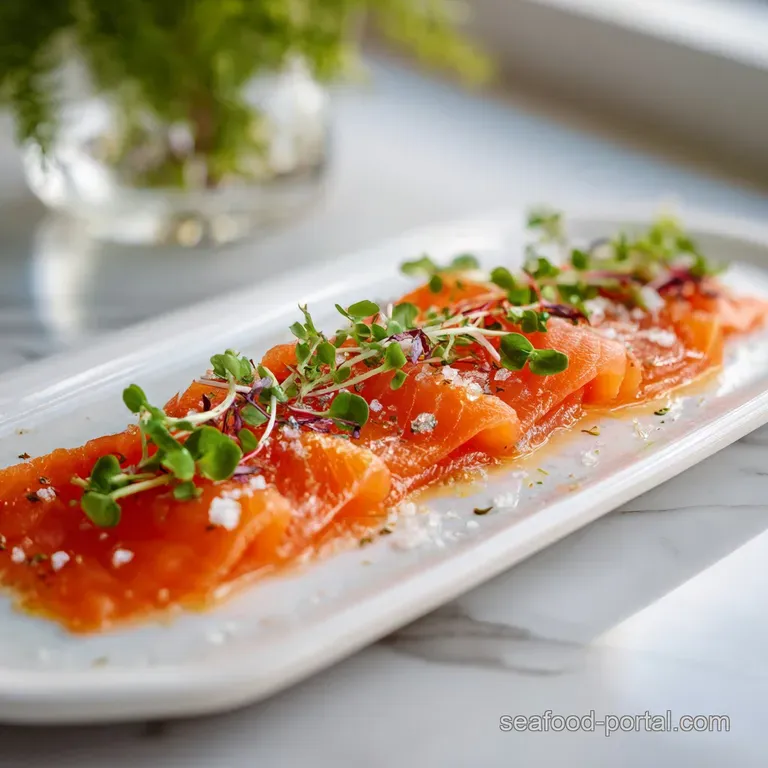
- Time: Active 15 minutes, Passive 15 hours, Total 15 hours 15 mins
- Flavor/Texture Hook: Velvety, salt forward flakes with a tacky, caramelized glaze
- Perfect for: Weekend smoking projects, gourmet charcuterie boards, or holiday brunch spreads
- The Ultimate Smoked Salmon Brine Recipe for Silky Texture
- The Science Behind Osmosis and Juicier Salmon Fillets
- Component Analysis for the Perfect Smokehouse Flavor
- The Alchemy of Umami: Selecting Your Brine Elements
- Essential Tools for Achieving Consistent Smokehouse Quality
- Step by Step Guide to Perfect Brined Salmon
- Fixing Texture Issues and Avoiding Common Brining Mistakes
- Customizing Your Brine for Different Flavor Profiles
- Proper Storage Techniques to Maintain Freshness and Flavor
- Storing and Reheating Your Smoked Salmon Correctly
- Inspiration for Enjoying Your Homemade Smoked Masterpiece
- Recipe FAQs
- 📝 Recipe Card
The Ultimate Smoked Salmon Brine Recipe for Silky Texture
I still remember the first time I tried to smoke a beautiful piece of Atlantic salmon without a proper soak. It was a disaster. I pulled it off the grates and it looked like a piece of dry driftwood; one bite and it practically turned to dust in my mouth.
I was so disappointed because I’d spent a fortune on the fish, only to end up with something that tasted like a salt lick.
Everything changed when I stopped treating the brine as an afterthought. Now, when I pull a batch out of the smoker, the kitchen fills with this incredible aroma of toasted maple and gentle wood smoke.
The surface of the fish has this gorgeous, translucent sheen what we call the pellicle and the texture is so velvety it practically melts the moment it hits your tongue.
It’s the difference between a sad, store-bought snack and a centerpiece that makes your friends think you’ve opened a professional smokehouse in your backyard.
This recipe is all about that contrast. We are looking for that hit of savory soy against the dark, molasses notes of brown sugar. We want the skin to be firm but the interior to stay luscious and fatty. If you've been struggling with dry, gray fish, this is the solution you’ve been looking for.
We're going to use science to lock in that moisture so the smoke can do its job without ruining the protein.
The Science Behind Osmosis and Juicier Salmon Fillets
Protein Denaturation: Salt physically alters the structure of the fish proteins, allowing them to hold onto more water molecules during the heat of the smoking process. This prevents the "white goo" (albumin) from leaking out and leaving the fish parched.
The Physics of the Pellicle: Air drying the brined fish creates a tacky surface layer that acts as a magnet for smoke particles. Without this sticky coating, the smoke simply bounces off the scales rather than permeating the flesh.
Osmotic Pressure: By creating a solution denser than the fluids inside the fish, we force a flavor exchange where salt and sugar travel deep into the thickest part of the fillet. This ensures the seasoning isn't just surface level but integrated into every single fiber.
| Thickness of Fillet | Internal Temperature | Rest Time | Visual Cue |
|---|---|---|---|
| 1.5 cm (Tail end) | 63°C (145°F) | 5 mins | Flakes easily with a fork |
| 3 cm (Center cut) | 63°C (145°F) | 10 mins | Opaque center with slight translucency |
| 5 cm (King Salmon) | 63°C (145°F) | 15 mins | Surface feels firm and "bouncy" to touch |
Choosing the right thickness is vital because the tail will always finish before the thick collar. I usually suggest cutting your 3 lbs (1.36 kg) of salmon into uniform strips or "candy" blocks if the thickness varies wildly.
This ensures every piece hits that 63°C (145°F) mark at roughly the same time, preventing the smaller bits from becoming leather while the center is still raw.
Component Analysis for the Perfect Smokehouse Flavor
| Ingredient | Science Role | Pro Secret |
|---|---|---|
| Kosher Salt | Moisture Retention | Always use Kosher; table salt is too fine and will make the fish unpalatable. |
| Dark Brown Sugar | Maillard Reaction | The molasses content helps create a deeper, mahogany color during the long smoke. |
| Pure Maple Syrup | Surface Tackiness | It provides the "glue" for the pellicle and adds a floral, forest like sweetness. |
| Low Sodium Soy Sauce | Enzymatic Breakdown | Adds glutamates for umami without doubling the sodium impact of the dry salt. |
While we are focusing on the classic wet soak here, you might find yourself in a rush one morning. If you need a faster turnaround for a different meal, you can always pivot to a 30Minute Smoked Salmon recipe which uses a different technique for quick flatbread toppings. But for the real deal the kind of salmon you slice thin and serve with capers stick to the long soak.
The Alchemy of Umami: Selecting Your Brine Elements
To get the best results from this smoked salmon brine recipe, you need to be picky about your pantry. We aren't just making salt water; we are building a flavor profile that has to stand up to hours of intense wood smoke.
- 1 quart (0.95 liters) cold filtered water: Use cold water to prevent the fish from starting to "cook" or soften prematurely. Why this? Impurities in tap water can sometimes leave a metallic aftertaste in delicate fish.
- 1/3 cup (90g) Kosher salt: This is our primary curing agent. Why this? The coarse grains dissolve cleanly and provide a predictable level of salinity.
- 1/4 cup (50g) dark brown sugar, packed: Provides the sweetness and the color.
- 1/4 cup (60ml) pure maple syrup: This adds a layer of complexity that plain sugar just can't match.
- 1/4 cup (60ml) low sodium soy sauce: This is my "secret" for that deep, professional color.
- 2 cloves garlic, smashed: Just enough to add an aromatic backbone.
- 1 tsp black peppercorns, cracked: Releases oils into the brine for a gentle heat.
- 1 tsp dried onion flakes: Adds a savory, toasted note that mimics "everything bagel" seasoning.
- 3 lbs (1.36 kg) fresh Atlantic salmon fillet, skin on: Always keep the skin on; it acts as a heat shield on the smoker grates.
| Original Ingredient | Substitute | Why It Works |
|---|---|---|
| Dark Brown Sugar | Coconut Sugar | Similar caramel notes but lower glycemic index. Note: Resulting color may be slightly lighter. |
| Maple Syrup | Honey | Provides excellent stickiness. Note: Honey is sweeter, so reduce by 1 tablespoon. |
| Soy Sauce | Tamari | Keeps the recipe 100% gluten-free while maintaining the umami depth. |
| Kosher Salt | Sea Salt (Coarse) | Similar mineral profile. Note: Avoid "iodized" salt as it tastes chemical when concentrated. |
One thing I've learned the hard way is that the quality of your maple syrup matters. Don't use the "pancake syrup" that's mostly high fructose corn syrup. It’s too thin and won't give you that shatter crisp edge we're after. Real Grade A Amber syrup is what you want here.
Essential Tools for Achieving Consistent Smokehouse Quality
You don't need a thousand dollar offset smoker to make this work, but you do need a few specific items to ensure food safety and texture. I typically use a large glass or food grade plastic container for the brining phase.
Never use reactive metals like aluminum, as the salt and acid in the soy sauce will eat into the metal and make your fish taste like a tin can. Honestly, don't even bother with stainless steel if you have a good glass Pyrex dish available.
You will also need a cooling rack set over a baking sheet. This is the most overlooked piece of equipment. To get that "velvety" finish, the fish needs 360 degree airflow to dry out before it hits the smoke. If you leave it sitting flat on a plate, the bottom will stay soggy and the smoke won't penetrate.
Finally,, a reliable digital probe thermometer is non negotiable. We are looking for exactly 63°C (145°F). Even five degrees over, and you're moving into "dry tuna" territory.
step-by-step Guide to Perfect Brined Salmon
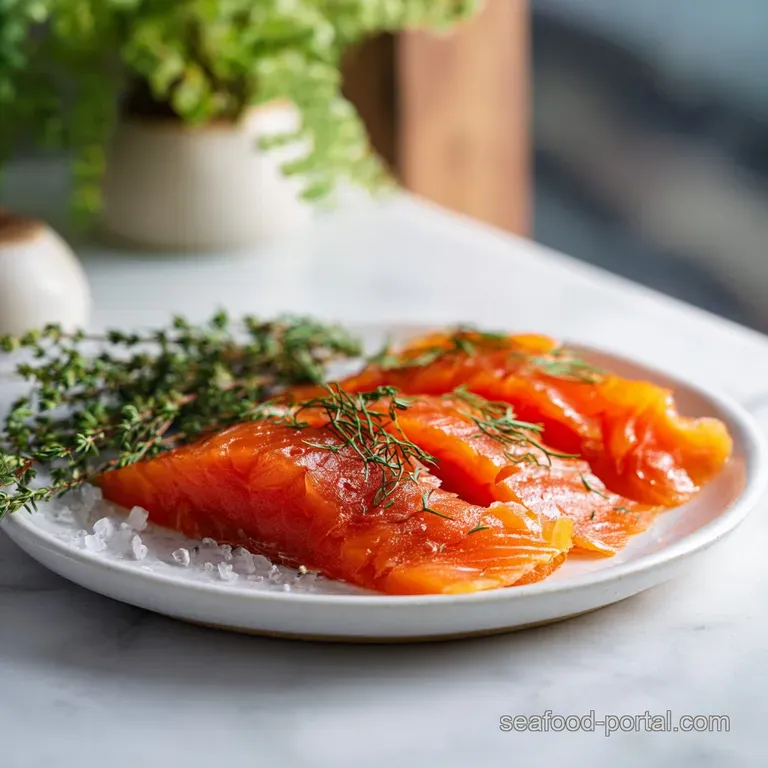
- Dissolve the solids. Combine the 1 quart of cold water, 1/3 cup kosher salt, and 1/4 cup dark brown sugar in a large pitcher. Note: Whisk vigorously until you no longer see grains at the bottom.
- Infuse the aromatics. Stir in the 1/4 cup maple syrup, 1/4 cup soy sauce, smashed garlic, peppercorns, and onion flakes.
- Prepare the protein. Rinse your 3 lbs of salmon under cold water and pat it bone dry with paper towels. Note: Removing surface moisture allows the brine to penetrate faster.
- Submerge the fillets. Place the salmon in a non reactive dish and pour the brine over it until the fish is completely submerged.
- Chill and cure. Cover the dish and refrigerate for at least 8 hours, though 12 hours is the "sweet spot" for 3 lbs of fish.
- Rinse the salt. Remove the fish from the liquid and rinse it briefly under cold running water. Note: This prevents the surface from being unpleasantly salty.
- The air dry phase. Place the salmon on a wire rack over a tray and let it sit in the fridge, uncovered, for 2 to 4 hours until the surface is tacky and shiny.
- Preheat the smoker. Set your smoker to 105°C (225°F) using a mild wood like alder, apple, or cherry.
- Smoke to perfection. Place the salmon skin side down on the grates and smoke for about 3 hours until the internal temperature hits 63°C (145°F).
- Rest and set. Remove from the heat and let it sit for at least 15 minutes before slicing. Note: This allows the fats to re solidify for cleaner cuts.
Chef's Tip: If you see white beads forming on the surface of the fish while smoking (albumin), your smoker is too hot. Drop the temperature immediately by 10 degrees to keep the interior velvety.
Fixing Texture Issues and Avoiding Common Brining Mistakes
One of the most frequent complaints I hear is that the fish ended up too salty. This usually happens because of "carryover brining." If you leave the fish in the liquid for 24+ hours, the salt starts to cure the fish into a jerky like state. For a standard 3 lb fillet, 12 hours is plenty.
If you're using smaller individual portions, cut that time down to 6 hours.
Why Your Salmon Is Too Salty
If you followed the timing and it's still too salty, you likely skipped the rinse step. The brine creates a concentrated layer of salt on the skin. A quick 10 second rinse under cold water removes that excess without washing away the flavor that has traveled inside.
Why Your Salmon Is Dry and Topped with White Goo
This is the "Albumin Alert." When fish proteins are heated too quickly, they contract and squeeze out a white protein called albumin. It’s perfectly safe to eat, but it looks unappealing and means your salmon is losing its internal moisture. The fix is lower heat.
Smoked salmon isn't grilled salmon; it’s a slow, gentle bath in warm air.
| Problem | Root Cause | Solution |
|---|---|---|
| Fish is mushy | Brined for too long | Keep the soak between 8-12 hours for large fillets. |
| No smoky flavor | Skipped the drying phase | Ensure the pellicle is tacky before smoking. |
| Skin sticks to grate | Grates weren't oiled | Rub the smoker grates with a high smoke point oil before adding fish. |
Common Mistakes Checklist
- ✓ Never use table salt; the fine grains will over salt the fish instantly.
- ✓ Avoid skipping the 2 hour air dry; the smoke won't stick to a wet fish.
- ✓ Don't use "hot" woods like mesquite; they will overpower the delicate Atlantic salmon.
- ✓ Always use a thermometer; "guessing" by look leads to dry, chalky fish.
- ✓ Keep the skin on during the smoke to protect the bottom of the fillet from drying out.
Customizing Your Brine for Different Flavor Profiles
Once you've mastered the base smoked salmon brine recipe, you can start playing with the aromatics to match your specific tastes. If you want something with a bit of a "kick," I love adding a tablespoon of red pepper flakes or even a splash of bourbon to the liquid.
The alcohol in the bourbon acts as a solvent, helping to carry the woodsy flavors deeper into the fat of the salmon.
For a more "Nordic" vibe, you can swap the onion flakes for a massive handful of fresh dill and some lemon zest. This creates a bright, citrusy contrast to the heavy smoke. Just remember that if you add acidic elements like lemon juice directly to the brine, it will start to "cook" the fish like a ceviche, so stick to the zest for the best texture.
Decision Shortcut
- If you want a traditional "Candy" salmon: Increase the brown sugar to 1/2 cup and baste with extra maple syrup every 45 minutes during the smoke.
- If you want a savory, bagel style salmon: Add 2 tablespoons of "Everything Bagel" seasoning to the brine and double the garlic.
- If you want a Keto friendly version: Replace the sugar and maple syrup with an equal amount of Allulose or monk fruit sweetener.
If you find yourself with leftovers which rarely happens in my house you should definitely check out my guide on Can You Freeze recipe to make sure that hard earned flavor doesn't go to waste. Smoked salmon freezes remarkably well because the salt and smoke act as natural preservatives.
Proper Storage Techniques to Maintain Freshness and Flavor
To keep your salmon in that "fresh off the smoker" state, you need to wrap it tightly. Air is the enemy here. I prefer using a vacuum sealer if you have one, as it prevents any fridge odors from penetrating the delicate fat of the fish.
If you don't have a sealer, wrap the fillets tightly in plastic wrap, then place them in a heavy duty zip top bag with all the air squeezed out.
In the fridge, your smoked salmon will stay vibrant for about 5 to 7 days. If you've preserved it properly through the brining and smoking process, it's quite stable. For long term storage, the freezer is your friend. You can keep it for up to 3 months without any significant loss in texture.
When you're ready to eat, thaw it slowly in the fridge overnight. Never microwave smoked salmon; the intense heat will turn that velvety fat into a greasy mess.
From a zero waste perspective, don't you dare throw away the skin! If you peel it off after smoking, you can crisp it up in a dry pan over medium heat. It turns into "salmon bacon" that is incredible crumbled over a salad or used as a garnish for a bowl of creamy chowder.
Even the scraps of fish that might be too small for a platter can be folded into cream cheese for the best dip you've ever tasted.
Storing and Reheating Your Smoked Salmon Correctly
Smoked salmon is generally best served at room temperature or slightly chilled, but if you want that "hot smoked" feel for a dinner entree, you have to be gentle. The goal is to warm it without continuing the cooking process.
I usually put the fish in a shallow dish with a tablespoon of water, cover it tightly with foil, and pop it into a 150°C (300°F) oven for just 5 to 8 minutes. This creates a mini steamer environment that revives the moisture.
Fast vs. Classic Comparison
| Feature | Classic Wet Brine (This Recipe) | Fast Dry Brine |
|---|---|---|
| Prep Time | 15 mins + 12 hrs soak | 10 mins + 4 hrs cure |
| Moisture Level | Maximum (Juicy/Soft) | Moderate (Denser/Firmer) |
| Salt Distribution | Even through the whole fillet | Concentrated near the surface |
| Best For | Large fillets, cold slicing | Salmon "nuggets," quick snacks |
If you're looking for something that hits the table even faster for a weeknight dinner, you might want to try a Blackened Salmon with recipe instead. It gives you that dark, crusty exterior using high heat rather than the long, slow process of a brine and smoke.
Inspiration for Enjoying Your Homemade Smoked Masterpiece
Now that you have this incredible, home cured salmon, don't just put it on a cracker and call it a day. The contrast of the salty sweet fish against bright, acidic ingredients is where the magic happens.
I love serving mine on a platter with pickled red onions, briny capers, and a dollop of crème fraîche mixed with fresh horseradish. The heat of the horseradish cuts through the richness of the Atlantic salmon perfectly.
Another favorite is "Smoked Salmon Pasta." Toss some flaked pieces into a bowl of linguine with lemon zest, heavy cream, and plenty of cracked black pepper. Because the fish is already fully cooked and seasoned from our smoked salmon brine recipe, you only need to fold it in at the very last second so it just barely warms through.
It’s an effortless meal that feels incredibly luxurious.
Whether you're stacking it on a bagel or serving it as the star of a brunch board, the effort you put into that 12 hour soak will be evident in every bite. It’s that snap of the pellicle and the way the flakes slide apart that reminds you why we do this.
It isn't just about feeding people; it's about sharing something that took time, patience, and a little bit of science to get just right. Trust me, once you go homemade, you'll never look at the vacuum sealed packs in the grocery store the same way again.

Recipe FAQs
How to make a brine for salmon for smoking?
Dissolve salt and sugar in cold water first. Whisk the salt, brown sugar, maple syrup, soy sauce, and aromatics (like garlic and peppercorns) into one quart of cold water until completely clear. Submerge your patted dry salmon completely in this solution and refrigerate.
What is the standard ratio of salt to sugar in smoked salmon brine?
A common starting ratio is 2 parts salt to 1.5 parts sugar by volume. In our recipe, we use 1/3 cup of salt balanced against 1/4 cup of sugar plus 1/4 cup of maple syrup for complexity. The sugar isn't just for sweetness; it helps promote that beautiful caramelized surface color during smoking.
Does smoked salmon need to be brined before smoking?
Yes, brining is critical for texture and flavor retention. The salt in the brine denatures the fish proteins, allowing them to hold significantly more moisture when exposed to heat. If you skip this step, you risk having dry, chalky fish after hours in the smoker.
How long can salmon sit in brine?
For a standard 3-pound fillet, aim for 8 to 12 hours in the refrigerator. If you leave it much longer than 15 hours, the cure becomes too intense, and the fish will taste overwhelmingly salty. For thinner individual cuts, reduce this time to under 6 hours.
What do I do immediately after removing the salmon from the brine?
Rinse the fish briefly under cold water and then pat it completely dry. You must remove the surface salt layer so the final product isn't overly saline. After drying, leave it uncovered on a rack in the fridge for 2 to 4 hours to form the pellicle.
Why is my smoked salmon weeping white liquid ("albumin") during the smoke?
This happens because the temperature is too high, causing proteins to seize up too fast. You need a slow, gentle heat around 105°C (225°F) to allow moisture to be absorbed gradually. If you master the sensory doneness cues here, apply them to our Zesty Grilled Salmon recipe for perfect results.
Can I use table salt instead of kosher salt in the smoked salmon brine?
No, it is strongly recommended you use coarse kosher salt. Table salt is much finer and denser by volume, meaning you will accidentally over salt your fish immediately. Kosher salt dissolves cleanly and provides a much more predictable curing effect.
Smoked Salmon Brine Recipe Guide

Ingredients:
Instructions:
Nutrition Facts:
| Calories | 228 kcal |
|---|---|
| Protein | 24.6 g |
| Fat | 12.2 g |
| Carbs | 3.5 g |
| Fiber | 0.1 g |
| Sugar | 3.1 g |
| Sodium | 780 mg |
