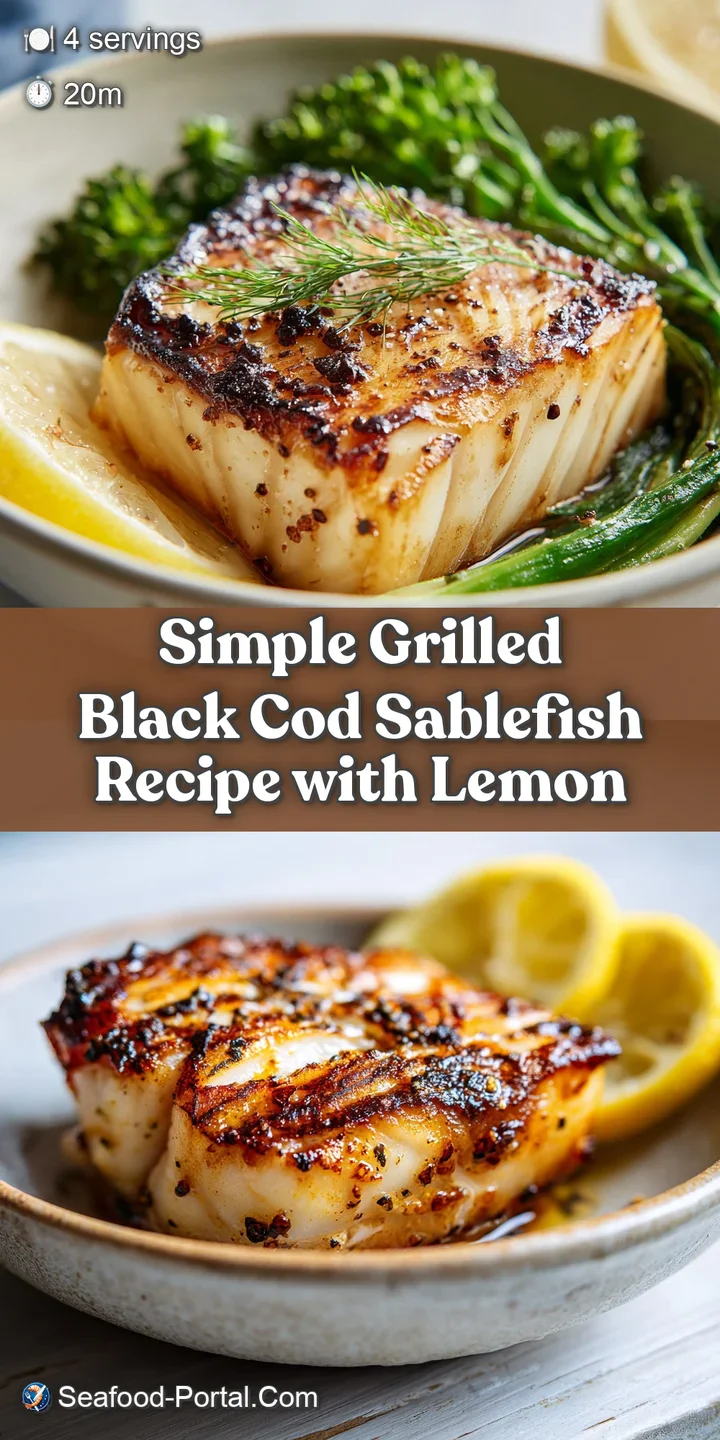
Simple Grilled Black Cod Sablefish Recipe
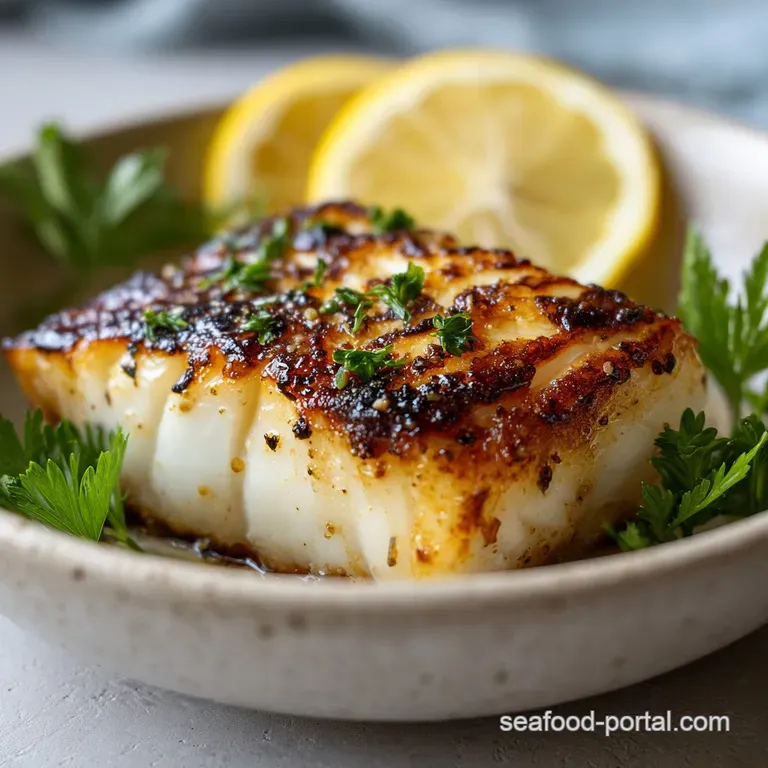
- Time: Active 10 minutes, Passive 10 minutes, Total 20 minutes
- Flavor/Texture Hook: Silky, velvet like flakes with a smoky, charred skin finish
- Perfect for: Impressive date nights or a quick, high protein weeknight dinner
- Mastering the Simple Grilled Black Cod Sablefish Recipe
- Essential Specs for Buttery Sablefish
- Science Behind These Key Ingredients
- Necessary Tools for Flawless Grilling
- Step-by-Step Grilling Instructions
- Troubleshooting Your Grilled Fish Mistakes
- Flavor Variations for Your Fillets
- Storing and Reheating Leftover Seafood
- Best Ways to Serve This
- Recipe FAQs
- 📝 Recipe Card
Mastering the Simple Grilled Black Cod Sablefish Recipe
The first time I pulled a piece of black cod off the grill, I actually thought I’d undercooked it. I poked it with a fork, and instead of the stiff resistance you get from overdone tilapia, it just yielded. It was like sliding a knife through warm butter.
This simple grilled black cod sablefish recipe with lemon offers a flavorful, easy to prepare seafood experience that totally changed how I look at white fish. I used to be terrified of the grill "stealing" the moisture from my dinner, but sablefish is built differently.
You know how some fish can get chalky if you look at them wrong? That won't happen here. I’ve made the mistake of over marinating this beautiful fish in heavy soy sauces before, only to realize I was drowning out the very thing that makes it special. Now, I keep it stripped back.
We’re talking about high heat, a hit of garlic, and enough lemon to make those rich fats sing. It’s the kind of meal where you’ll find yourself scraping the skin off the grates just to get one last crispy bite. Trust me, once you see those white flakes separate under your fork, you’ll be hooked.
We’re going for a specific sensory experience here: the initial sizzle when the cold skin hits the hot grates, the aroma of garlic blooming in melted butter, and that final "shatter" of the charred lemon zest. It’s not complicated, but it feels incredibly fancy.
Let's get into the mechanics of why this specific fish behaves the way it does under fire.
Essential Specs for Buttery Sablefish
- High Fat Insulation: Sablefish has one of the highest Omega-3 counts of any white fish. This fat acts as a thermal buffer, making it nearly impossible to dry out.
- Maillard Magic: The high oil content allows the surface to brown and crisp deeply without the interior turning to rubber.
- Acid Balance: Because the fish is so rich (often called "butterfish"), the citric acid in the lemon is functional, not just decorative; it cuts through the fat to cleanse your palate.
- Structure Stability: Unlike flaky tilapia that falls apart on the grill, black cod has large, firm flakes that hold together better during the flip.
| Thickness | Internal Temp | Rest Time | Visual Cue |
|---|---|---|---|
| 1 inch (2.5 cm) | 145°F (63°C) | 3 mins | Opaque and flaking easily |
| 1.5 inch (3.8 cm) | 145°F (63°C) | 4 mins | Centers lose translucency |
| 2 inches (5 cm) | 145°F (63°C) | 5 mins | Skin is fully crisp and dark |
When you're deciding how to approach this, remember that thickness dictates your time more than weight. A thick 6 oz (170g) center cut fillet will need a steady hand on the heat compared to a thinner tail piece. If you’re looking for a faster meal, go for the thinner cuts, but the center cuts give you that iconic "velvety" center. Unlike the leaner profile you find in a standard How To Cook Cod recipe, sablefish is much more forgiving if you accidentally leave it on for an extra sixty seconds.
Science Behind These Key Ingredients
Understanding your components makes you a better cook. We aren't just tossing things in a pan; we are managing fats and acids to create a balanced bite. Sablefish is unique because its cellular structure is packed with oils that react differently to heat than most other sea creatures.
| Ingredient | Science Role | Pro Secret |
|---|---|---|
| Black Cod (Sablefish) | High Lipid Content | Pat dry to ensure the fat fries the skin instead of steaming it. |
| Kosher Salt | Protein Denaturation | Season 10 mins early to draw out moisture for a better sear. |
| Lemon Juice/Zest | Surfactant/Acid | Zest the lemon over the hot butter to release essential oils. |
| Unsalted Butter | Emulsification | Use unsalted to control the seasoning profile precisely. |
Leveraging High Omega-3 Fat Content
The "sable" in sablefish refers to its smooth, dark skin, but the real treasure is the fat. Because it lives in deep, cold waters, it stores massive amounts of oil. When we grill it, that oil renders slightly, essentially confit ing the fish from the inside out. This is why it feels so "velvety" on the tongue.
Mastering the Maillard Reaction
We want the grill at a medium high heat (about 400°F or 200°C). This temperature triggers the Maillard reaction, where amino acids and reducing sugars create that brown, savory crust. Because sablefish is so oily, it browns faster than leaner fish like haddock.
You have to watch for that "shatter" texture on the skin.
Utilizing Citric Acid Balance
The lemon serves two purposes. First, the juice breaks down some of the heavier fat molecules on your tongue. Second, the zest contains limonene, which provides a bright aroma that balances the smoky scent of the charcoal or gas grill. If you enjoy this balance, you'll definitely want to check out my other Fish Recipes for weeknight inspiration.
Necessary Tools for Flawless Grilling
To get that restaurant quality finish, you need more than just a grill. I’ve ruined perfectly good fillets by trying to flip them with a standard backyard burger spatula. You need something thin and flexible. A dedicated fish spatula (like those from Victorinox or Mercer) is a literal lifesaver here.
- Cast Iron Grates or Grill Topper: If your grill grates are spaced wide, use a perforated grill pan to prevent the fish from falling through.
- Microplane: Necessary for the garlic and lemon zest to ensure they melt into the butter without leaving chunky, bitter bits.
- Instant Read Thermometer: Don't guess. 145°F (63°C) is the magic number for safety and texture.
- Silicone Basting Brush: For painting that garlic butter on in the final minutes.
Chef's Tip: Freeze your butter for 10 minutes before grating it into the garlic mixture if you're making a compound butter instead of melting it. It creates a much more even distribution of flavor.
step-by-step Grilling Instructions
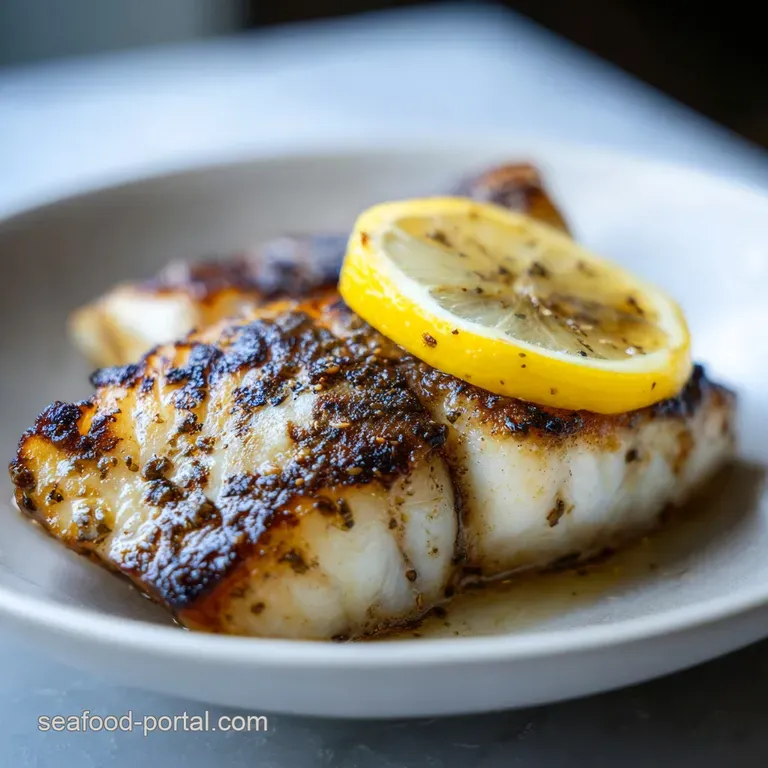
Phase 1: Prepping for the Perfect Sear
- Dry the fillets. Use paper towels to pat the 4 Black Cod fillets (6 oz each) bone dry on all sides. Note: Moisture is the enemy of a crispy skin.
- Apply the oil. Rub 1 tbsp of Neutral oil over the skin and flesh. Note: Use Avocado oil for its high smoke point.
- Season aggressively. Mix 1 tsp Kosher salt, ½ tsp Cracked black pepper, and ½ tsp Garlic powder; sprinkle evenly over the fish.
- Prep the aromatics. Melt 3 tbsp Unsalted butter in a small bowl and stir in 2 microplaned garlic cloves and 1 tbsp fresh parsley.
Phase 2: Mastering the Grill Gates
- Preheat the grill. Get your grates to 400°F (200°C) and oil them well using a rag dipped in oil held by tongs.
- Place skin side down. Lay the fillets on the grill. Listen for a sharp, aggressive sizzle.
- Do not touch. Grill for 5-6 minutes without moving them until the skin naturally releases from the grates.
- Flip carefully. Use your fish spatula to turn the fillets over. Wait for the aroma of toasted protein.
Phase 3: Finishing with the Lemon Infusion
- Baste the fish. Brush the garlic butter mixture over the seared skin and flesh.
- Add the lemons. Place the lemon rounds on the grill next to the fish until they show dark char marks.
- Final pull. Remove the fish when the internal temp hits 145°F (63°C) and squeeze the remaining lemon juice over the top.
Troubleshooting Your Grilled Fish Mistakes
Why Your Sablefish Sticks
The most common heartbreak is leaving half the fish on the grill grates. This usually happens because the grill wasn't hot enough or the fish was too wet. When the proteins aren't "seared" instantly, they bond to the metal.
| Problem | Root Cause | Solution |
|---|---|---|
| Fish tearing on flip | Grates were cold or dirty | Scrub grates and preheat for 15 mins before cooking. |
| Flesh is mushy | Undercooked center | Use a thermometer; sablefish needs to hit 145°F (63°C). |
| Bitter garlic flavor | Garlic burned on the grill | Only apply the garlic butter in the last 2 mins of cooking. |
Common Mistakes Checklist
- ✓ Never put cold fish on the grill; let it sit at room temp for 15 mins.
- ✓ Don't skip the oil on the grates, even if the fish is oily.
- ✓ Avoid flipping more than once; it breaks the delicate flake structure.
- ✓ Stop cooking at 140°F (60°C) if you want carry over cooking to reach the final temp.
- ✓ Clean your grill grates while they are hot to prevent old carbon from sticking to your fresh cod.
Flavor Variations for Your Fillets
While the lemon garlic path is classic, this fish is a canvas. Because it's so fatty, it can handle much "louder" flavors than a delicate sole or tilapia.
Try a Miso Ginger Twist
Instead of butter and lemon, whisk together white miso, honey, and grated ginger. Brush this on during the last 3 minutes of grilling. The sugar in the honey will caramelize into a dark, sticky crust that perfectly offsets the rich fish.
Swap for Mediterranean Profile
Use oregano, dried thyme, and a drizzle of balsamic glaze at the end. This works beautifully if you are serving the fish alongside roasted peppers or a Greek salad.
| Original Ingredient | Substitute | Why It Works |
|---|---|---|
| Unsalted Butter | Extra Virgin Olive Oil | Provides a fruitier, lighter finish. Note: Lower smoke point, so add at the very end. |
| Lemon Juice | Lime or Yuzu | Adds a sharper, more tropical acidity. |
| Fresh Parsley | Fresh Cilantro | Changes the profile to a brighter, zestier herb notes. |
Storing and Reheating Leftover Seafood
Storage: You can keep leftover grilled sablefish in an airtight container in the fridge for up to 2 days. Because of the high fat content, it actually stays moister than most leftover fish, but it’s still best eaten quickly.
Freezing: I don't recommend freezing cooked black cod. The texture becomes somewhat grainy once thawed and reheated. If you must, wrap it tightly in plastic wrap and then foil, keeping it for no more than 1 month.
Reheating: Avoid the microwave at all costs! It will turn your beautiful fish into a rubbery mess. Instead, place the fillets in a pan with a splash of water or a knob of butter, cover with a lid, and warm over low heat for 4-5 minutes.
This creates a steam chamber effect that revives the silky texture.
Zero Waste Tip: If you have leftover flakes, don't just eat them cold. Mix them into a pasta with lemon, capers, and olive oil the next day. The rendered fats from the fish act as a natural sauce base for the noodles.
Best Ways to Serve This
When presenting this dish, I love to keep the sides simple so they don't compete with the fish. A pile of blanched asparagus or a light arugula salad with a vinaigrette works wonders.
The charred lemon rounds we made on the grill aren't just for show squeeze those softened, smoky juices right over the fish at the table.
If you want to go the extra mile, serve this over a bed of creamy polenta or mashed cauliflower. The way the garlic butter from the fish runs into a creamy side dish is honestly life changing. It creates a "sauce" without you having to do any extra work.
One final thought: don't be afraid of the skin. If you followed the "pat dry" rule, it should be crispy and salty, almost like a sea flavored potato chip. It's often the best part of the whole meal!
Debunking Grill Myths
- "You must soak cedar planks for 4 hours." Truth: 30-60 minutes is plenty; any longer and the wood is just saturated without adding more steam.
- "Fish should only be flipped once." Truth: While generally true for structure, multiple flips can actually cook thick fillets more evenly if you are careful with your spatula.
- "Sablefish is just another name for Cod." Truth: They aren't even in the same biological family. Sablefish is much oilier and richer than true Atlantic or Pacific Cod.
Recipe FAQs
How long should I grill sablefish?
Grill for 5 to 6 minutes per side for a 1 inch thick fillet. Sablefish cooks quickly due to its high fat content, so target an internal temperature of 145°F (63°C). Listen for the skin to naturally release from the grates before attempting the first flip.
Should you put lemon juice on fish before or after baking?
Apply lemon juice after grilling for the best brightness. Squeezing it immediately after pulling the fish off the heat allows the acid to cut through the richness without evaporating or turning bitter over high heat.
What is a good seasoning for grilled cod?
Keep it simple: salt, pepper, garlic powder, and fresh lemon zest. Sablefish is naturally rich, so heavy marinades often overpower its buttery flavor. You can use the same basic principles we use when creating the sauce for our Almondine Fish recipe, focusing on butter and aromatics.
How should sablefish be cooked?
Grill or pan-sear using medium high heat to maximize the crust. The high fat content acts as an internal buffer, making sablefish very forgiving; it resists drying out better than lean fish. Mastering the sensory cue of the skin "releasing" is key to a successful flip.
Can I use oil instead of butter when grilling sablefish?
Yes, use a neutral, high smoke point oil like avocado or grapeseed for grilling the fish itself. Use butter primarily for basting near the end or for creating a finishing sauce, as the milk solids in butter can burn quickly over direct high heat.
Is it true that sablefish is always a very expensive cut of fish?
No, its cost fluctuates based on market availability and sustainability certifications. While it is often priced higher than standard cod due to its luxurious texture, sourcing seasonally helps manage costs. If you enjoy this fatty profile, you might also appreciate the richness we achieve through specific fat management when making our Boiling Crab Sauce recipe.
How do I ensure my sablefish skin gets crispy on the grill?
Pat the skin aggressively dry and ensure the grill grates are extremely hot. Wipe the hot grates with an oiled rag immediately before placing the fish down to create a non-stick surface. The heat shock fries the skin instead of steaming it.
Simple Grilled Sablefish Recipe
Ingredients:
Instructions:
Nutrition Facts:
| Calories | 298 calories |
|---|---|
| Protein | 20.8g |
| Fat | 15.4g |
| Carbs | 3.8g |
| Fiber | 1.2g |
| Sugar | 1.1g |
| Sodium | 612mg |
