Stuffed Flounder Recipe Simple Secrets
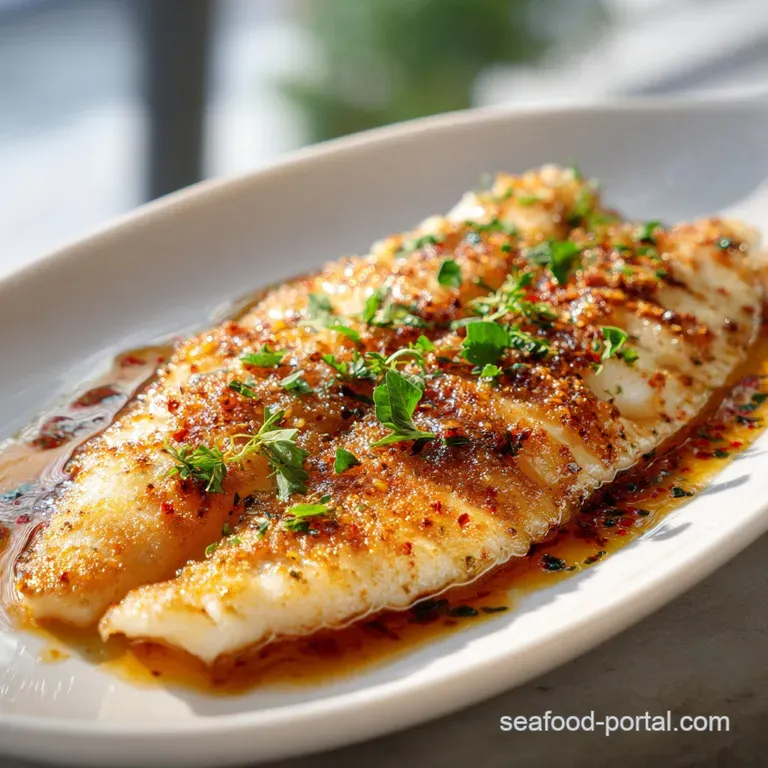
- Time: Active 20 minutes, Passive 15 minutes, Total 35 minutes
- Flavor/Texture Hook: Velvety crab centers with a buttery, citrus herb finish
- Perfect for: Impressing guests at a dinner party or a high protein weeknight treat
- Stuffed Flounder Recipe Simple Secrets For Success
- Reasons This Dish Always Wins
- Essential Recipe Metrics And Specs
- Key Ingredients And Smart Swaps
- Necessary Kitchen Gear
- Clear Steps For The Process
- Solving Common Cooking Challenges
- Creative Flavor And Ingredient Variations
- Best Storage And Waste Tips
- Finishing Touches For Presentation
- Recipe FAQs
- 📝 Recipe Card
Stuffed Flounder Recipe Simple Secrets For Success
The first time I tried to make stuffed flounder, I ended up with a baking dish full of watery fish and a "stuffing" that looked more like a sad crab soup. I was trying too hard to be fancy, following some old school recipe that called for heavy cream and way too much butter inside the fish.
The kitchen smelled like a seaside shack, but not in the good way. I realized then that the secret isn't about adding more it's about the structure of the ingredients and how they react to heat.
You know that feeling when you pull a tray out of the oven and the sizzle is just right? That’s what we’re going for here. When you hit this right, the aroma of lemon zested butter and toasted Old Bay seasoning fills the room, making everyone drift toward the kitchen.
The flounder should be flaky enough to shatter under a fork, while the crabmeat stays tender and sweet. We’ve all had those rubbery, overcooked fish rolls, but we're putting a stop to that right now.
This version is my absolute favorite because it uses Greek yogurt to keep things light and tangy. It acts as the perfect binder, ensuring your 8 oz Lump crabmeat doesn't just spill out the sides the moment you cut into it.
If you've been intimidated by rolling fish before, trust me once you see how the proteins set, you’ll be doing this every Sunday. It’s accessible, fresh, and honestly, a bit of a show stopper.
Reasons This Dish Always Wins
Understanding the "how" behind the heat is what separates a soggy fillet from a masterpiece. We are dealing with two very different proteins: the flounder and the crab. They cook at different rates, so the stuffing needs to be semi stable before it ever hits the heat.
- Thermal Buffering: The Greek yogurt creates a protective barrier around the crab, preventing the delicate lump meat from drying out while the flounder reaches its "flaky" temperature.
- Starch Hydration: Panko breadcrumbs absorb the natural juices released by the fish during cooking, turning what would be "pan water" into a savory, bound filling.
- Acid Stabilization: Lemon juice and Dijon mustard don't just add flavor; they help denature the fish proteins slightly on the surface, helping the "roll" hold its shape better during the initial bake.
- Maillard Reaction Control: By brushing the exterior with melted butter and paprika, we encourage browning at lower temperatures, giving you that golden glow without overcooking the interior.
The Physics of the Fold
When you roll a flounder fillet, you're creating a concentric circle of protein. Heat travels from the outside in. The "simple secret" is placing the thickest part of the stuffing at the widest end of the fillet.
As the fish shrinks slightly in the oven, it tightens around the filling, effectively steaming the crab from the inside while the outside sears.
Moisture Retention Secrets
Most people think "moist" means "oil." In seafood, moisture is actually about water retention. Because we're using 1/4 cup Plain Greek yogurt instead of mayonnaise, we’re introducing more protein and less pure fat.
This helps the filling "set" like a light custard rather than melting away, keeping every bite velvety.
Method Comparison Table
| Method | Time | Texture | Best For |
|---|---|---|---|
| Baking (Oven) | 15 minutes | Uniformly tender and flaky | Large batches and easy cleanup |
| Stovetop (Sear) | 10 minutes | Crispy exterior, firmer bite | Single servings and extra crunch |
Cooking this in the oven at 400°F (200°C) is the gold standard for this specific RestaurantQuality Stuffed Flounder recipe. The circulating hot air ensures the panko on top gets that necessary crunch without you having to flip the delicate rolls and risk them falling apart in a pan.
Essential Recipe Metrics And Specs
| Component | Metric | Visual Cue |
|---|---|---|
| Fillet Thickness | 1/2 inch | Opaque throughout when done |
| Internal Temp | 145°F | Filling is hot to the touch |
| Rest Time | 3 minutes | Juices redistribute for clean slicing |
Chef's Tip: Freeze your butter for 10 minutes before melting it with the garlic. It sounds counterintuitive, but it helps the milk solids stay suspended longer, giving you a more even "drizzle" over the fish.
Key Ingredients And Smart Swaps
Getting the right ingredients is half the battle. You want 4 large Flounder fillets that are skinless and even in color. If you see any yellowing or "fishy" liquid in the tray, skip it. Freshness is the only way to get that clean, sweet flavor we're after.
- 4 large Flounder fillets: The vessel for our stuffing. Why this? Flounder is thin and flexible, making it the ideal fish for rolling without cracking.
- 8 oz Lump crabmeat: The star of the filling. Why this? Lump meat has the best texture; avoid "claw meat" as it can be too shredded.
- 1/4 cup Plain Greek yogurt: Our secret binder. Why this? Adds creaminess and tang without the heavy grease of traditional mayo.
- 1/2 cup Panko breadcrumbs: For structural integrity. Why this? Larger surface area than fine crumbs means a lighter, crispier filling.
- 3 tbsp Unsalted butter: For the lemon garlic finish. Why this? Lets you control the salt levels while providing that rich, silk like mouthfeel.
| Original Ingredient | Substitute | Why It Works |
|---|---|---|
| Lump Crabmeat | Chopped Shrimp | Similar protein density. Note: Ensure shrimp is raw and finely diced for even cooking. |
| Greek Yogurt | Mayonnaise | Higher fat content. Note: Makes a richer, slightly heavier filling. |
| Panko Breadcrumbs | Crushed Crackers | Adds a buttery, salty note. Note: Reduce sea salt in the recipe if using salted crackers. |
If you're feeling adventurous and want a different flavor profile entirely, you might enjoy the nutty notes in an Almondine Fish recipe. It uses a similar delicate white fish but focuses on a browned butter finish that is just as satisfying.
Necessary Kitchen Gear
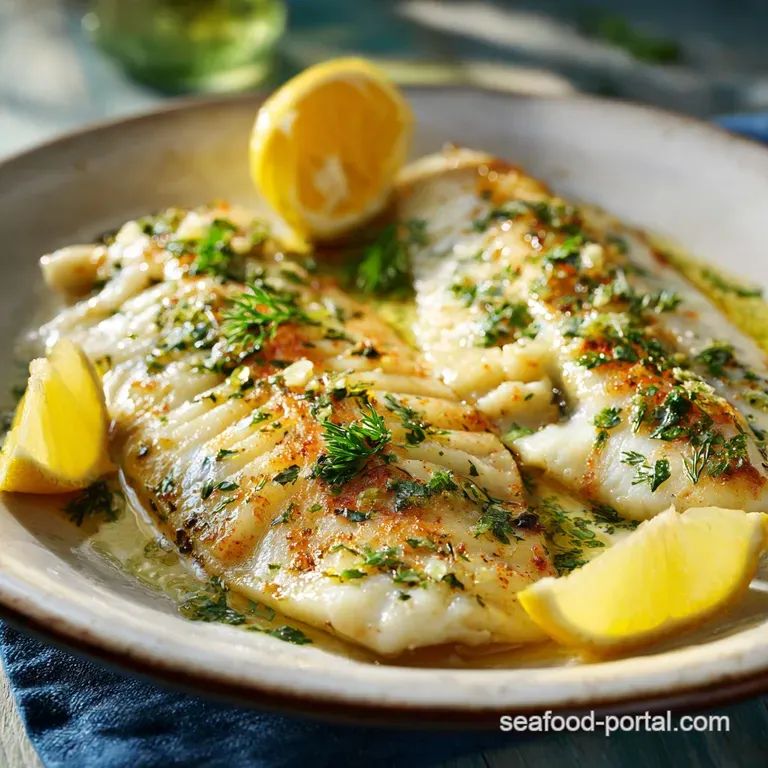
You don't need a professional kitchen, but a few specific tools make this much easier. A large, shallow baking dish is better than a deep one because it allows moisture to escape rather than steaming the fish.
- Fish Spatula: Its long, flexible blade is essential for moving the delicate rolls from the dish to the plate.
- Microplane: For zesting that 1/2 lemon and mincing the garlic clove into a paste.
- Kitchen String (Optional): If your fillets are particularly large or "slippery," a quick tie can help, though a well placed toothpick usually does the trick.
Clear Steps For The Process
- Prep the fish. Pat your 4 large Flounder fillets completely dry with paper towels. Note: Moisture on the surface prevents the oil and seasonings from sticking.
- Season the base. Rub the fillets with 1 tbsp Extra virgin olive oil, then sprinkle with 1/2 tsp Sea salt, 1/4 tsp Cracked black pepper, and 1 tsp Sweet paprika.
- Mix the stuffing. In a medium bowl, gently fold together 8 oz Lump crabmeat, 1/4 cup Greek yogurt, 1 tbsp Dijon mustard, 1/2 cup Panko, sliced green onions, parsley, and 1 tsp Old Bay. Note: Be careful not to break up the crab lumps.
- Position the filling. Lay a fillet flat. Place a generous mound of stuffing (about 2-3 tbsp) at the wider end of the fish.
- Master the roll. Carefully roll the fish over the stuffing toward the tail end. Place it seam side down in a lightly greased baking dish.
- Create the sauce. Melt 3 tbsp Unsalted butter in a small bowl. Stir in 1 minced clove of garlic, the juice of 1/2 lemon, and 1 tsp fresh dill.
- Drizzle and coat. Pour the butter mixture evenly over the 4 rolls. Note: This provides the fat needed for the panko to turn golden.
- Bake. Place in a preheated 400°F (200°C) oven.
- Monitor doneness. Bake for 15 minutes until the fish is opaque and the stuffing is fragrant and golden.
- Rest. Let the dish sit for 3 minutes before serving to allow the internal juices to settle.
As the fish bakes, you'll notice the aroma changes. First, it's the sharp scent of lemon and garlic, then it matures into a toasted, savory smell as the Old Bay and Panko start to brown. That’s your signal that the magic is happening.
Solving Common Cooking Challenges
Sometimes things don't go perfectly. Maybe the fish was a bit too thin, or the oven ran a little hot. Don't panic; most seafood mishaps are easy to pivot from.
Structural Breakage Issues
If your fish falls apart during the rolling process, it's usually because the fillets were handled too much or weren't fresh enough. Cold fish is firmer and easier to work with. If a fillet snaps, don't try to force it into a roll.
Instead, lay it flat in the dish, pile the stuffing on top, and call it "deconstructed." It tastes exactly the same.
Moisture Management Problems
Seeing a pool of water at the bottom of your dish? This usually happens if the fish was previously frozen and not drained well, or if you overcrowded the pan. The liquid isn't a "fail," but it can make the bottom of the roll a bit soggy.
| Problem | Root Cause | Solution |
|---|---|---|
| Dry Stuffing | Not enough binder or overbaked | Add a teaspoon of melted butter or yogurt to the mix next time. |
| Rubbery Fish | Overcooked | Check internal temp at 12 minutes; pull at 145°F. |
| Bland Flavor | Under seasoned crab | Don't skip the Old Bay; it’s essential for that "seaside" profile. |
Common Mistakes Checklist
- ✓ Pat the fillets bone dry before seasoning (oil won't stick to wet fish).
- ✓ Gently "pick" through the crabmeat for shells before mixing (nobody likes a crunchy surprise).
- ✓ Don't over mix the stuffing (you want distinct lumps of crab, not a paste).
- ✓ Place rolls seam side down (this keeps them closed without needing toothpicks).
- ✓ Use a preheated oven (putting fish in a cold oven leads to mushy texture).
Creative Flavor And Ingredient Variations
This recipe is a canvas. Once you have the technique down, you can swap flavors to suit your mood. This is much like the versatility you'd find in The Crispiest Lightest recipe for fish cakes, where the binder is the key to everything.
- Mediterranean Style: Swap Old Bay for dried oregano and add 1 tbsp of minced sun dried tomatoes and some crumbled feta to the stuffing.
- Low Carb/Keto: Replace the 1/2 cup Panko with crushed pork rinds or almond flour. Note: This will result in a denser, richer filling.
- Spicy Kick: Add 1/2 tsp of cayenne pepper to the butter drizzle or fold in some finely diced jalapeños to the crab mixture.
Serving Suggestions
- If you want a light lunch: Serve over a bed of baby arugula with a simple vinaigrette.
- If you want a hearty dinner: Pair with roasted asparagus and a side of wild rice or garlic mashed potatoes.
- If you want a "Chef" look: Garnish with extra fresh dill and a few paper thin slices of lemon tucked between the rolls.
Best Storage And Waste Tips
Storage: You can keep leftover stuffed flounder in an airtight container in the fridge for up to 2 days. To reheat, don't use the microwave it will turn the fish into rubber.
Instead, place it in a 350°F (180°C) oven with a splash of water and cover it with foil for about 8-10 minutes.
Freezing: I don't recommend freezing the cooked dish, as the texture of the crab and flounder changes significantly. However, you can freeze the raw stuffing for up to 1 month.
Zero Waste: If you have leftover stuffing but no fish, form them into small patties and sear them in a pan for mini crab cakes. If you have extra herbs like dill or parsley, mix them with the leftover lemon juice and olive oil to make a quick "chimichurri" for tomorrow's chicken or salad.
Finishing Touches For Presentation
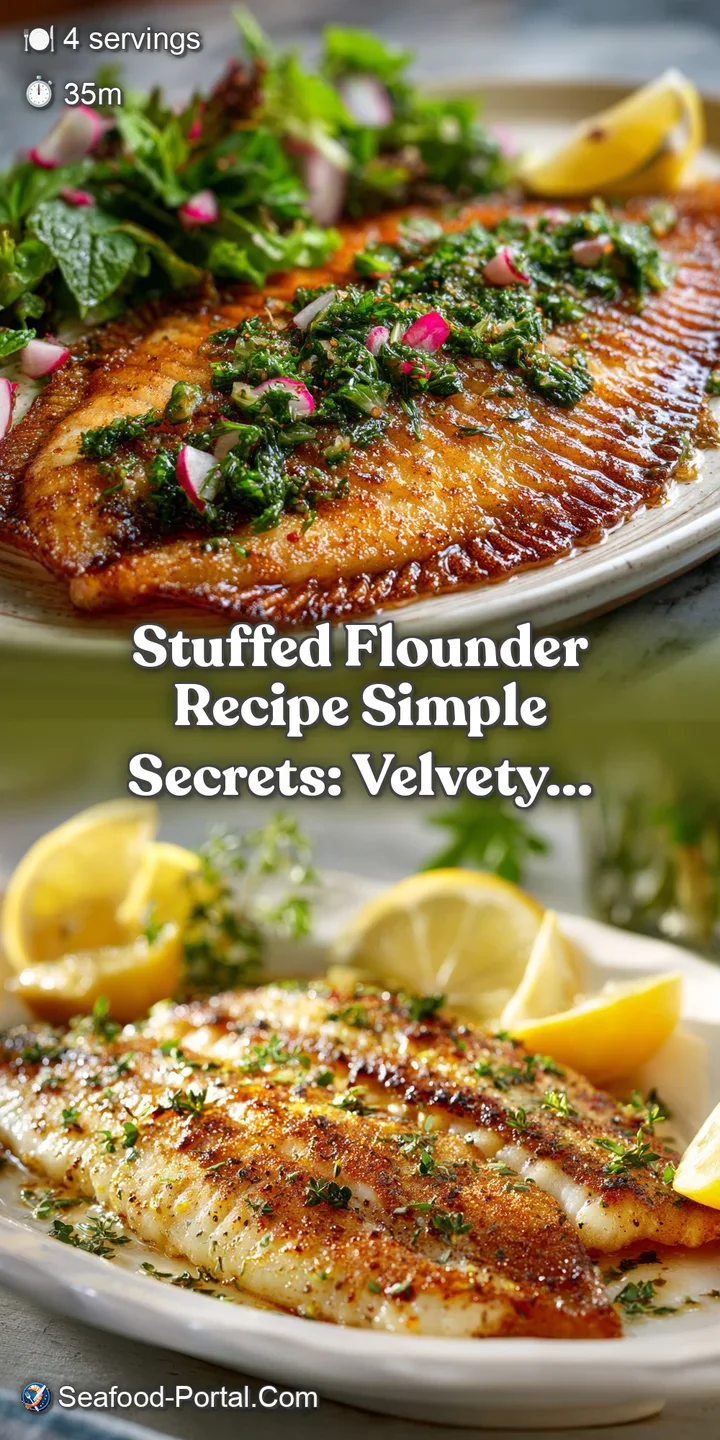
Presentation is about contrast. The flounder is white and the stuffing is pale, so you need pops of color to make it look "Chef level." A heavy dusting of fresh parsley right before serving adds a vibrant green that cuts through the richness of the butter.
Use a white plate to make the golden brown panko pop. When you plate the fish, use your fish spatula to lift from the bottom, ensuring you catch all those little crispy bits that might have fallen off in the pan.
Drizzle any remaining lemon butter from the baking dish directly over the center of the roll that "gloss" is what makes it look mouth watering.
Myths About Stuffed Fish
- Myth 1: You need a lot of breading to keep the roll together. Truth: The proteins in the fish act as their own glue as they cook. The panko is there for texture and to soak up flavor, not just as "mortar."
- Myth 2: Searing the fish before baking "seals in the juices." Truth: Searing just adds flavor through the Maillard reaction. In this recipe, the oven does all the work, and the Greek yogurt handles the moisture.
- Myth 3: Expensive crab is always better. Truth: While "Lump" is great, "Special" grade crabmeat (smaller pieces) works beautifully in this stuffing because it incorporates more evenly into the panko. Just avoid the imitation "surimi" for this specific dish.
Recipe FAQs
What seasoning is best for flounder?
Sweet Paprika, Sea Salt, and Old Bay. Flounder has a mild flavor that benefits from simple complements. Use Old Bay sparingly in the filling, but rely on sweet paprika and lemon zest on the exterior for color and depth.
What is the best sauce for flounder?
A melted butter, lemon, and herb drizzle is best. This simple sauce complements the fish without overpowering the crab stuffing. We use melted butter infused with garlic and fresh dill for a rich finish that cooks right on the fillet.
At what temperature should you bake stuffed flounder?
Bake at 400°F (200°C). This higher heat helps the panko crust on the outside brown quickly while setting the internal stuffing before the delicate fish overcooks. You are looking for an internal temperature of 145°F.
How is flounder supposed to be cooked in the oven?
Place fillets seam side down in a shallow, preheated dish. Roll them tightly around the filling and bake them so the seam acts as a seal, preventing the stuffing from escaping and ensuring even cooking.
Should I use mayonnaise or Greek yogurt for the stuffing binder?
Use Greek yogurt for a lighter, tangier result. Yogurt adds necessary protein to bind the filling like a light custard, preventing the stuffing from turning greasy during baking.
Is it true that searing stuffed flounder before baking prevents it from falling apart?
No, this is a common misconception. Searing primarily adds flavor via the Maillard reaction; the rolling technique and the internal structure of the filling hold the roll together. If you wish to add richness to the exterior, brush with butter rather than searing the entire roll.
What can I substitute for the lump crabmeat if I want a different flavor profile?
Finely diced raw shrimp works well as a substitute. Since the cooking time is short, the diced shrimp will cook through evenly alongside the flounder. If you enjoyed mastering the binding texture here, you can apply that same fat-to-binder ratio to our Classic Creamy Crab recipe for a different texture experience.
Simple Flounder Recipe Secrets
Ingredients:
Instructions:
Nutrition Facts:
| Calories | 378 kcal |
|---|---|
| Protein | 50.2 g |
| Fat | 15.4 g |
| Carbs | 7.1 g |
| Fiber | 0.6 g |
| Sugar | 1.2 g |
| Sodium | 745 mg |
