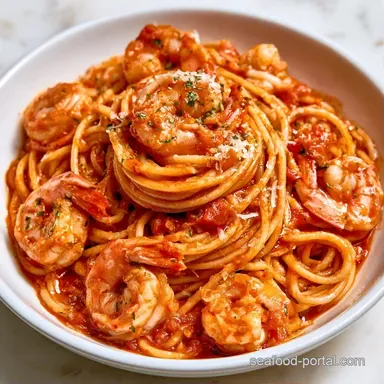
Shrimp Marinara Spaghetti in 20 Minutes
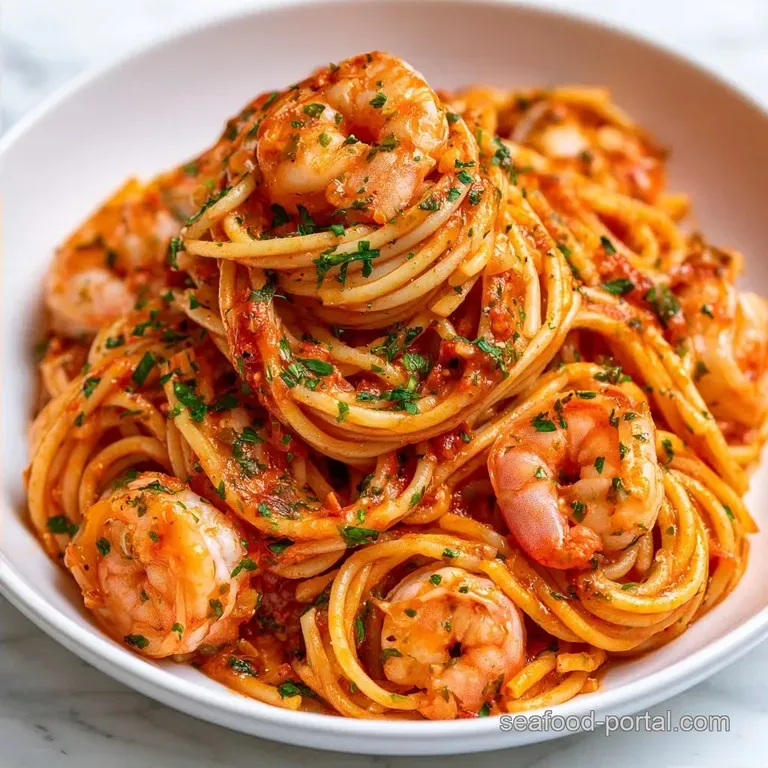
- Time: 5 min active + 15 min cooking
- Flavor/Texture Hook: Zesty tomato glaze with snappy, seared shrimp
- Perfect for: Mediterranean style gatherings or a fast, impressive date night
- Shrimp Marinara Spaghetti for Special Nights
- What Each Ingredient Does
- Recipe Specs
- Necessary Kitchen Gear
- Bringing the Flavors Together
- Fixing Common Cooking Issues
- Adjusting the Batch Size
- Common Kitchen Misconceptions
- Preservation and Scraps
- Best Ways to Serve
- Fun Swaps and Ideas
- Recipe FAQs
- 📝 Recipe Card
Have you ever noticed how professional pasta sauces cling perfectly to the noodles, whereas home-cooked versions often separate and collect at the bottom? I once assumed special tools were the secret, but it's actually all about managing the heat and the pasta starch.
I recall a dinner party where I attempted a one-pot approach. The result was rubbery shrimp and a bland sauce. That failure showed me that precise timing is crucial when dealing with sensitive seafood.
This Shrimp Marinara Spaghetti addresses those issues perfectly. It blends the zing of fresh basil and lemon with a deeply flavored, quickly simmered marinara. It is a sophisticated meal that can be served in under thirty minutes.
Shrimp Marinara Spaghetti for Special Nights
Separate Searing: Searing the shrimp first and setting them aside prevents them from overcooking. Simmering them in the tomatoes for ten minutes would cause them to lose their snap.
Starch Binding: Incorporating starchy pasta water emulsifies the oil and tomato juice, ensuring the sauce adheres to the spaghetti instead of sliding off.
Acid Balance: A final squeeze of fresh lemon juice balances the heavy olive oil and Parmesan, brightening the entire dish.
| Method | Time | Texture | Best For |
|---|---|---|---|
| Stovetop | 20 mins | Snappy shrimp, glossy noodles | Fast dinner, high control |
| Oven Baked | 45 mins | Softer pasta, melted cheese | Large crowds, casseroles |
What Each Ingredient Does
| Ingredient | Role | If You Don't Have It |
|---|---|---|
| Large Shrimp | Main protein and snap | Scallops or calamari rings |
| Crushed Tomatoes | Base for the marinara | Tomato purée (will be smoother) |
| Pasta Water | Emulsifying agent | A splash of chicken broth |
| Lemon Juice | Brightness and acidity | A teaspoon of white wine vinegar |
Recipe Specs
Here are the details. This dish serves four and comes together quickly, so ensure your garlic is minced and the shrimp are patted dry before you heat the pan.
- Prep time: 5 minutes
- Cook time: 15 minutes
- Total time: 20 minutes
- Yield: 4 servings
Necessary Kitchen Gear
No professional gear is required here. A large pot for the pasta and a wide skillet for the sauce are the primary tools. Stainless steel or cast iron pans are ideal for searing the shrimp because of their excellent heat retention.
A fine mesh strainer is useful for the pasta, but a slotted spoon or pasta fork is a great alternative. Have some paper towels ready to dry the shrimp, as excess water prevents a proper golden-brown sear.
Bringing the Flavors Together
Phase 1: The Pasta Base
Bring a large pot of water with plenty of salt to a vigorous boil. Stir in the 1 lb spaghetti and cook following the package directions until al dente. Note: Season the water until it tastes like the ocean to flavor the noodles from within. Reserve 1 cup of the starchy pasta water before draining the pasta and setting it aside.
Phase 2: The High Heat Shrimp Sear
Thoroughly dry the 1 lb shrimp using paper towels. Pour 2 tbsp olive oil into a large skillet and heat over medium-high until it shimmers. Arrange the shrimp in a single layer, searing each side for 1–2 minutes until opaque and just turning pink.
Promptly transfer the shrimp from the pan to a plate.
Phase 3: The Rapid Sauce Reduction & Assembly
Using that same skillet, combine 3 tbsp olive oil and 4 cloves of minced garlic. Sauté for 30 seconds until aromatic but not browned. Stir in the 28 oz crushed tomatoes, 1 tsp dried oregano, and 1/2 tsp red pepper flakes.
Simmer over medium high for 5–7 minutes until the sauce reduces and bubbles slowly.
Whisk in 1/2 cup of the saved pasta water and 1 tbsp lemon juice to emulsify the sauce. Return the cooked spaghetti and seared shrimp to the pan, tossing for 60 seconds to coat everything. Finish with torn fresh basil leaves and 1/4 cup freshly grated Parmesan cheese before serving.
Fixing Common Cooking Issues
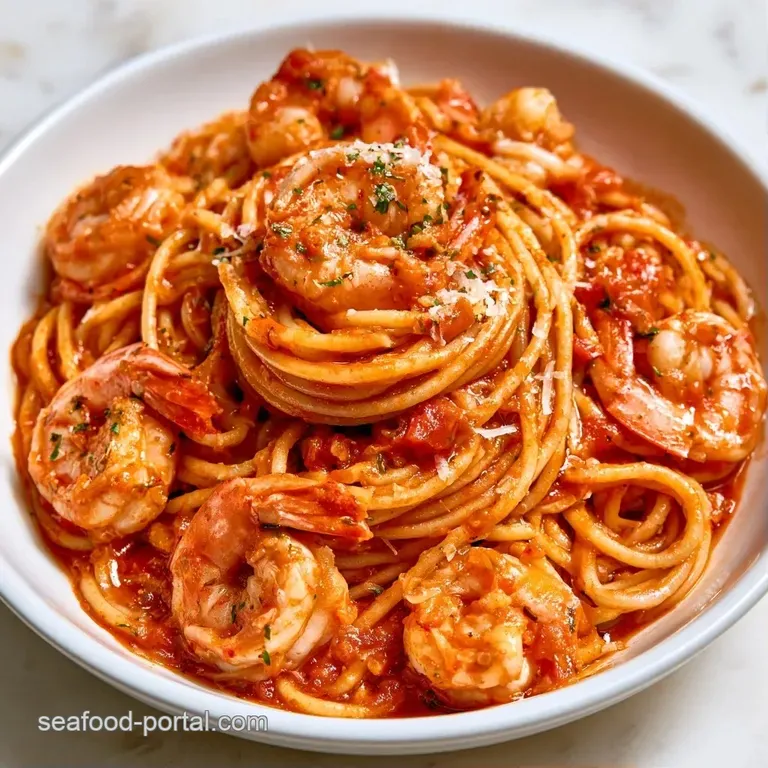
Rubbery Seafood
Overcooking shrimp leads to a rubbery texture. Keeping them in the skillet during the simmering stage causes them to toughen. Use the "sear and remove" approach instead, returning them to the pan only for the last 60 seconds of mixing.
Watery Sauce
If your marinara is too runny rather than a thick glaze, it likely hasn't simmered long enough. Ensure the tomatoes bubble for the full 7 minutes before you stir in the pasta water.
Should it remain too thin, cook the pasta in the sauce for one additional minute so the noodles can soak up the extra moisture.
Pasta Clumping
Pasta tends to clump if it lingers too long after being drained. To avoid this, move the noodles directly into the sauce. If you need to prep the pasta in advance, a small drizzle of olive oil will prevent the strands from sticking until they reach the skillet.
Adjusting the Batch Size
When you're making a smaller portion, say for two people, use a smaller skillet. If the pan is too wide, the sauce will evaporate too quickly and might burn. Reduce the simmer time by about 20% since there's less volume to heat through.
For a larger crowd, don't just quadruple the garlic and red pepper flakes, as those flavors can become overwhelming. Increase the aromatics to 1.5x and work with the shrimp in batches. If you crowd the pan with 4 lbs of shrimp, they will steam instead of searing, and you'll lose that golden crust.
Chef Note: If you're doubling the recipe, use two separate skillets for the sauce. It keeps the heat distribution even and ensures the Shrimp Marinara Spaghetti doesn't become a gummy mess.
Common Kitchen Misconceptions
Searing shrimp does not "lock in" the juices. Heat actually pushes moisture out. However, the sear creates a deep, savory flavor that you simply can't get from boiling or steaming.
Rinsing pasta after draining is a bad habit. It washes away the surface starch that helps the marinara stick to the spaghetti. Keep the starch on the noodles for a more cohesive dish.
Preservation and Scraps
Keep any leftovers in a sealed glass container in the cooler for up to 3 days. To reheat, add a splash of water or a knob of butter to the pan over medium heat. This loosens the sauce and prevents the shrimp from drying out.
Avoid freezing this dish. The shrimp often become mealy and the pasta loses its structure after thawing. If you must freeze, freeze the marinara sauce alone and cook fresh pasta and shrimp when you're ready to eat.
For zero waste, save the shrimp shells and heads. Toss them in a pot with water, a carrot, and some onion to simmer for 30 minutes. Strain it, and you have a quick seafood stock that's great for risotto or other Shrimp Marinara Spaghetti variations.
Best Ways to Serve
This dish is a vibrant center piece for a Mediterranean spread. I love serving it with a side of crusty sourdough or a garlic baguette to soak up every drop of the sauce. A simple arugula salad with a lemon vinaigrette balances the richness of the Parmesan.
For a more celebratory feel, serve the Shrimp Marinara Spaghetti in wide, shallow bowls. Place the shrimp on top of the pasta mound rather than mixing them all in, and finish with a final drizzle of high-quality extra virgin olive oil and a crack of black pepper.
Fun Swaps and Ideas
If you want a richer, more indulgent version, try my Cream Sauce for 4 recipe which adds a touch of heavy cream for a velvety finish.
For those looking for something lighter, a Sauce in 20 Minutes recipe can be made by substituting the pasta with zucchini noodles or spaghetti squash.
Quick Adjustments:
- Extra tang? → fold in 1 tsp lemon zest
- More heat? → add 1/4 tsp extra red pepper flakes
- Earthy notes? → swap oregano for fresh thyme
| Original Ingredient | Substitute | Why It Works |
|---|---|---|
| Spaghetti (1 lb) | Linguine | Wider surface area for the sauce to cling to |
| Parmesan (1/4 cup) | Pecorino Romano | Saltier, sharper punch for a bolder flavor |
| Dried Oregano | Fresh Basil (extra) | Brighter, more aromatic herbal profile |
This Shrimp Marinara Spaghetti is all about the balance of high heat and fresh finishes. Once you get the rhythm of searing and emulsifying, you'll realize how easy it is to bring that restaurant quality into your own kitchen. Right then, get your skillet hot and enjoy!
Recipe FAQs
Do shrimp and marinara go together?
Yes, they are a classic pairing. The bright acidity of the tomatoes cuts through the natural sweetness of the shrimp for a perfectly balanced flavor.
Can I use a jarred sauce instead of crushed tomatoes?
Yes, though you lose some control over the seasoning. If you choose a pre-made sauce, reduce the added oregano and red pepper flakes to avoid over-salting the dish.
Why should I sear the shrimp separately?
It prevents the seafood from becoming rubbery. Removing the shrimp from the pan ensures they stay snappy rather than stewing in the tomato sauce.
How to keep the sauce from pooling at the bottom of the plate?
Stir in reserved pasta water and lemon juice to emulsify the sauce. If you enjoyed mastering this emulsification technique here, see how the same principle works in our creamy langostino sauce.
Is it true that adding lemon juice makes the shrimp tough?
False. Adding the lemon juice at the very end brightens the final flavor without altering the protein structure of the seared shrimp.
Which pasta shapes are good alternatives to spaghetti?
Linguine or fettuccine work best. Any long, flat noodle provides enough surface area for the tomato glaze to cling to effectively.
When is the best time to add the basil?
Garnish just before serving. Tearing the fresh leaves at the last moment preserves their vibrant color and aromatic oils.
Are frozen shrimp okay to use for this recipe?
Yes, as long as they are fully thawed. Make sure to pat them completely dry with paper towels to ensure they sear instead of steaming in the pan.
Shrimp Marinara Spaghetti in 20 Minutes