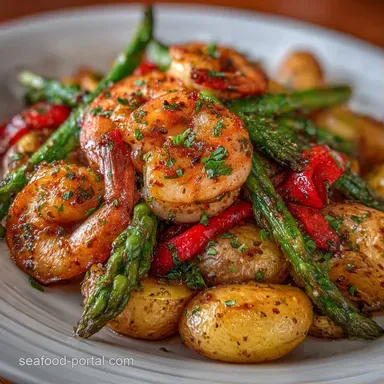
Sheet Pan Shrimp: Roasted Veggies
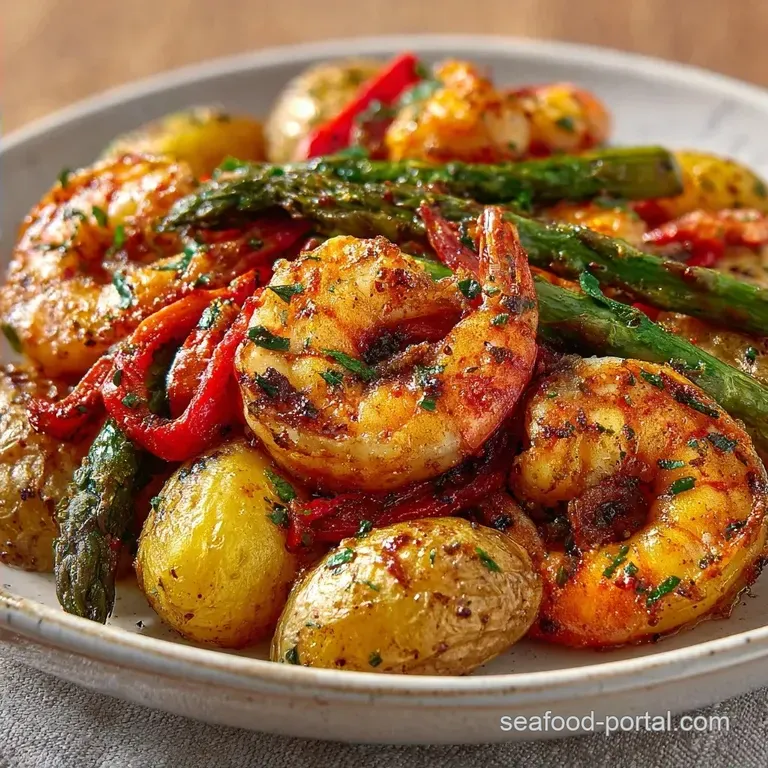
- Time: 10 min active + 20 min cooking
- Flavor/Texture Hook: Snappy, garlic lemon shrimp paired with golden, tender potatoes
- Perfect for: Weeknight dinners when you hate doing dishes
- Sheet Pan Shrimp Dinner
- Logic Behind the Method
- Component Analysis
- Gathering Your Essentials
- Gear for the Job
- Step by Step Method
- Fixing Common Kitchen Mistakes
- Troubleshooting Common Issues
- Creative Flavor Twists
- Adjusting the Portions
- Debunking Seafood Myths
- Storage Guidelines
- Best Ways to Serve
- High in Sodium
- Recipe FAQs
- 📝 Recipe Card
The sound of a hot oven clicking on is basically my dinner bell. There is something about that specific sizzle when the shrimp hit the pan, right next to the already bubbling potatoes, that just feels like victory. I remember the first time I tried to do everything at once, and it was a disaster.
The shrimp turned into rubber erasers while the potatoes were still hard enough to chip a tooth.
That's when I realized the secret is all in the timing. You can't treat a baby potato and a shrimp the same way. One needs a slow roast to get that golden crust, and the other needs a quick, over high heat blast to stay juicy. This is why this version of Sheet Pan Shrimp actually works. It’s the kind of meal I make when I've had a long day and just want something that feels fancy but requires almost zero effort.
You can expect a plate full of colors - the deep red of the peppers, the bright green of the asparagus, and the pink, curled shrimp. It's a meal of contrasts: the sweetness of the roasted bell pepper against the sharp, acidic hit of fresh lemon zest.
It’s simple, honest food that doesn't try to be something it's not.
Sheet Pan Shrimp Dinner
Right then, let's get into how this actually comes together. The goal here is a balanced plate where nothing is overcooked. Most people make the mistake of tossing everything in and hoping for the best, but we're going to be smarter than that.
By giving the vegetables a head start, we ensure the potatoes are actually cooked through.
When you're making Sheet Pan Shrimp, the pan becomes your best friend. I always use parchment paper because scraping a burnt on garlic marinade off a baking sheet is a nightmare I wouldn't wish on anyone.
Once those veggies start to caramelize, the smell in the kitchen is incredible - that mix of dried oregano and roasting garlic is enough to make anyone hungry.
I've found that the "C shape" is the golden rule for the shrimp. If they curl into a tight "O", you've gone too far. We want them just barely opaque. Trust me on this: take them out a minute earlier than you think you should. The carryover heat from the pan will finish them off while you're grabbing the parsley.
Logic Behind the Method
Since we're using a single pan, we have to manage the heat carefully. Here is what's happening behind the scenes to make this dish work:
- Staged Heat Application: Potatoes have a dense starch structure and take longer to soften. By roasting them first, we avoid the "raw potato, overcooked shrimp" scenario.
- Acidic Brightening: The lemon juice added at the end prevents the shrimp from tasting "flat". According to Serious Eats, adding acid late in the cooking process keeps the flavor vibrant without toughening the protein.
- Surface Area Maximization: Spreading everything in a single layer ensures the vegetables roast instead of steam. If the pan is too crowded, you get mushy veg instead of golden edges.
- Fat Based Flavor Carry: Olive oil acts as the vehicle for the smoked paprika and garlic, coating every nook and cranny of the shrimp to ensure consistent seasoning.
Between the oven and the stovetop, the oven is the clear winner for this specific combo. Here is a quick look at why:
| Feature | Stovetop Sauté | Oven Roast | Winner |
|---|---|---|---|
| Cleanup | Multiple pans/pots | One parchment sheet | Oven |
| Texture | Soft/seared | Caramelized/roasted | Oven |
| Effort | Constant stirring | Set it and forget it | Oven |
This difference is why I always lean toward the oven for these kinds of meals. It frees me up to pour a glass of wine while the oven does the heavy lifting.
Component Analysis
Not every ingredient is just there for taste; some are doing the heavy lifting for the texture. Here is the breakdown of the key players in this Sheet Pan Shrimp setup.
| Ingredient | Science Role | Pro Secret |
|---|---|---|
| Baby Potatoes | Starch base / Heat sink | Quarter them small for faster roasting |
| Garlic | Aromatic / Flavor base | Mince fresh; powder lacks the "punch" |
| Lemon Zest | Essential oil / Brightness | Zest before juicing for max oil extraction |
| Olive Oil | Heat conductor / Browning | Use extra virgin for a peppery finish |
I've learned the hard way that using pre cut vegetables from a bag can sometimes be too wet. If you can, chop your own. It keeps the moisture levels controlled, which is the only way to get those potatoes to actually brown.
Gathering Your Essentials
For this recipe, you'll need a few fresh staples. I recommend getting the shrimp from a reputable source, and if you're using frozen, make sure they are completely thawed and patted dry with a paper towel. Wet shrimp will steam, and we want them to roast.
The Vegetable Base: 1 lb baby potatoes, quartered Why this? Small size ensures they cook in 15 mins 1 bunch asparagus, trimmed Why this? Adds a crisp, earthy snap 1 red bell pepper, sliced into strips Why this? Provides a sweet, juicy contrast 2 tbsp extra virgin olive oil Why this? High smoke point and rich flavor 1 tsp dried oregano Why this? Classic Mediterranean herbal note 1/2 tsp sea salt Why this? Enhances all natural flavors 1/4 tsp cracked black pepper Why this? Adds a subtle, woody heat
The Shrimp Marinade: 1 lb large shrimp, peeled and deveined Why this? Large size prevents overcooking too fast 2 tbsp extra virgin olive oil Why this? Keeps the shrimp velvety 3 cloves garlic, minced Why this? Fresh garlic provides the best aroma 1 tbsp fresh lemon juice Why this? Cuts through the richness of the oil 1 tsp lemon zest Why this? Concentrated citrus oils for a pop of flavor 1/2 tsp smoked paprika Why this? Adds a hint of wood fired depth 1/4 tsp sea salt Why this? Basic seasoning for the protein
The Fresh Finish: 1 tbsp fresh parsley, chopped Why this? Adds a fresh, grassy finish 1 wedge fresh lemon Why this? A final hit of acidity just before eating
Gear for the Job
You don't need a fancy kitchen for this, but a few specific tools make the process way smoother. First, a large rimmed baking sheet is non negotiable. If the edges are too low, you'll have olive oil leaking into your oven, which is a recipe for a smoke alarm disaster.
I highly recommend using parchment paper or a silicone mat. It's not just about the cleanup - it also prevents the shrimp from sticking to the metal, which can tear the delicate flesh. A large mixing bowl is also handy for tossing the vegetables so you don't end up with "bald" spots that don't get any oil.
Finally, a sharp chef's knife is key for the potatoes. You want the quarters to be relatively uniform in size. If some are huge and some are tiny, you'll have some burnt bits and some raw centers. Consistency is everything when you're dealing with a 20 minute cook time.
Step by step Method
Let's get cooking. Follow these steps closely, especially the timing, to make sure your Sheet Pan Shrimp comes out perfectly.
- Preheat your oven to 400°F (200°C). Note: Let it fully reach temperature so the potatoes sear immediately.
- Toss the quartered potatoes, asparagus, and bell peppers in a bowl with 2 tablespoons of olive oil, oregano, salt, and pepper. Note: Use your hands to make sure every piece is coated.
- Spread the vegetables in a single layer on a parchment lined baking sheet and roast for 12-15 minutes until potatoes are tender and golden.
- In a separate bowl, whisk together 2 tablespoons of olive oil, minced garlic, lemon juice, zest, paprika, and salt. Note: This creates a concentrated flavor paste.
- Toss the shrimp in the marinade until evenly coated. Note: Do this while the veg are roasting to save time.
- Remove the baking sheet from the oven, move the roasted vegetables to the edges, and place the marinated shrimp in the center.
- Bake for an additional 6-8 minutes until the shrimp are opaque and curled into a 'C' shape.
- Remove from oven, sprinkle with chopped parsley, and squeeze a fresh lemon wedge over the shrimp before serving.
Chef's Note: If you're using jumbo shrimp, you might need an extra 2 minutes. The key is the color - once they turn from translucent grey to a solid, matte pink, they are done.
Fixing Common Kitchen Mistakes
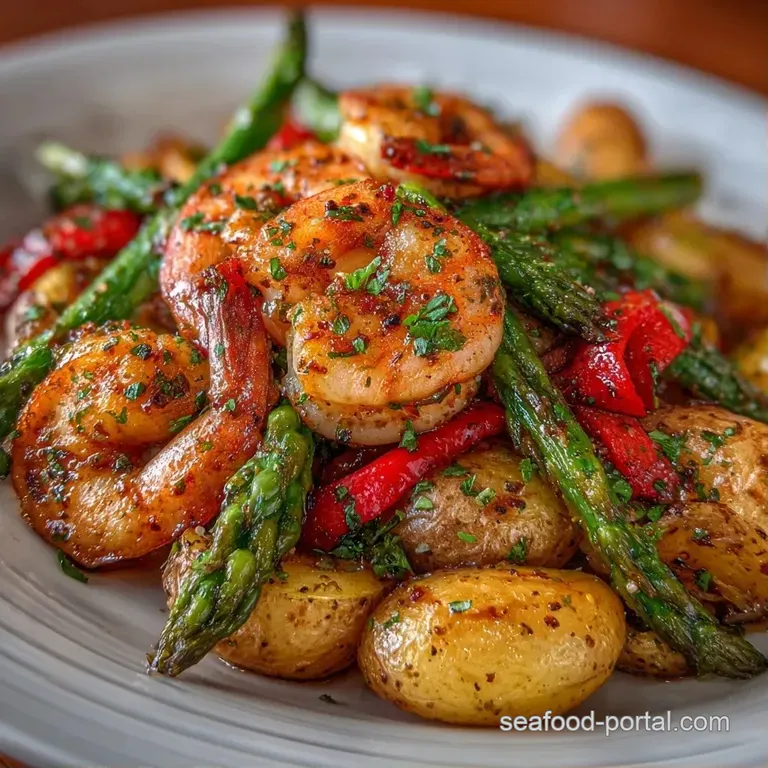
Even for seasoned cooks, seafood can be tricky. The window between "perfect" and "rubbery" is about 120 seconds. If you've had issues with this dish in the past, it's usually one of these three things.
Troubleshooting Common Issues
| Issue | Solution |
|---|---|
| Why Your Shrimp Got Rubbery | This usually happens because the oven was too hot or they stayed in too long. Shrimp protein tightens up quickly when overheated, squeezing out all the moisture. |
| Why Your Veggies Are Soggy | If you crowd the pan, the vegetables release steam that has nowhere to go, effectively boiling them in their own juices. Give them space! If you're doubling the recipe, use two separate pans. |
| Why the Flavor Is Bland | Often, this is because the salt wasn't distributed evenly or the lemon was skipped. Salt is what "wakes up" the garlic and paprika. |
Common Mistakes Checklist:
- ✓ Patted shrimp dry before marinating
- ✓ Potatoes are quartered to uniform size
- ✓ Oven preheated to exactly 400°F
- ✓ Vegetables roasted before adding shrimp
- ✓ Parchment paper used to prevent sticking
Creative Flavor Twists
Once you've mastered the basic Sheet Pan Shrimp, you can really start to play with the flavor profiles. The beauty of this method is that the "base" (potatoes and veg) stays the same, but the marinade can change everything.
For a Mediterranean Sheet Pan Shrimp and Veggies vibe, swap the paprika for dried thyme and add some kalamata olives and crumbled feta cheese during the last 2 minutes of roasting. The salty feta melts slightly and creates a creamy contrast to the lemon.
If you're in the mood for something punchier, try making Easy Sheet Pan Shrimp Fajitas. Swap the potatoes for sliced onions and more bell peppers, and replace the oregano with cumin and chili powder. Serve it with warm tortillas and avocado. For those who love a bit of a kick, you can always serve this with a side of Bang Bang Shrimp sauce for dipping.
For a more indulgent experience, you could look into an Easy Sheet Pan Shrimp Boil style. Add some halved corn on the cob and smoked sausage to the pan. Just remember that corn and sausage take about the same time as the potatoes, so they go in at the start. If you're looking for a different way to handle the garlic side of things, my Easy Garlic Scampi Sauce is a great way to add extra moisture to the pan.
Decision Shortcut
- Want more heat? Add 1/2 tsp red pepper flakes to the marinade.
- Want it Keto? Swap the potatoes for cauliflower florets or radishes.
- Want more crunch? Roast the asparagus for 3 minutes less than the potatoes.
Adjusting the Portions
When you're cooking for a crowd or just for yourself, you can't just multiply everything linearly. The surface area of your pan is the limiting factor here.
Scaling Down (Half Portion): If you're just cooking for two, use a smaller baking sheet or a toaster oven tray. You can reduce the roasting time for the vegetables by about 20% because there is less moisture in the pan.
I recommend beating one egg if a recipe calls for a binder, but here, just halve the oil and spices.
Scaling Up (Double or Triple): This is where most people mess up. Do NOT put 2 lbs of shrimp and 2 lbs of potatoes on one pan. You will end up with a steamed mess. Work in batches or use two separate pans.
For the spices, only increase them to 1.5x instead of 2x - spices can become overpowering when scaled up too much.
If you're using a convection oven for a larger batch, lower the temperature to 375°F (190°C) and extend the time by 5 minutes. This prevents the edges from burning before the center is cooked.
Debunking Seafood Myths
There are a lot of old school rules about seafood that just aren't true anymore. Let's clear a few things up.
Myth 1: Frozen shrimp are inferior. Actually, most "fresh" shrimp at the counter were frozen at sea anyway. As long as you buy high-quality, flash frozen shrimp and thaw them properly in the fridge, you won't taste a difference.
Myth 2: You must sear shrimp in a pan to get flavor. While a sear is great, roasting at 400°F provides plenty of heat to caramelize the sugars in the garlic and peppers. You get a different, more cohesive flavor when everything roasts together.
Myth 3: Shrimp should be cooked until they are completely white. If they are stark white, they are likely overdone. Look for a pearly, opaque pink. The center should be just barely cooked through.
Storage Guidelines
If you have leftover Sheet Pan Shrimp, you're in luck because it actually holds up well, provided you don't microwave it into oblivion.
Refrigeration: Store the leftovers in an airtight container for up to 3 days. I recommend keeping the lemon wedges separate and squeezing them fresh onto the dish right before you eat it again.
Freezing Note: I don't generally recommend freezing this specific dish. The asparagus and bell peppers lose their structure and become watery upon thawing. However, you can freeze the marinated (but uncooked) shrimp for up to 2 months. Just thaw them in the fridge overnight before roasting.
Reheating Tips: Avoid the microwave if you can. The best way to reheat is to pop them back in the oven at 300°F (150°C) for about 5-8 minutes. This warms them through without cooking the shrimp further.
If you must use a microwave, use 50% power in 30 second bursts.
Zero Waste Tips: Don't toss those lemon peels! You can zest them into your sugar for lemon sugar or freeze them in a bag to infuse into olive oil. Also, if you have leftover bell pepper stems or asparagus woody ends, toss them into a freezer bag for making a quick vegetable stock. According to USDA FoodData, maintaining the nutrient density of these scraps by freezing them is the best way to ensure your stocks stay flavorful.
Best Ways to Serve
This Sheet Pan Shrimp is a complete meal on its own, but depending on the occasion, you might want to add a little something extra to the table.
For a Balanced Meal: If you feel like you need more greens, a simple arugula salad with a light balsamic vinaigrette cuts through the richness of the roasted garlic and olive oil. The peppery nature of the arugula complements the smoked paprika beautifully.
For a Summer Lunch: Keep it light by serving the shrimp and veg over a bed of chilled quinoa or farro. The grains soak up the leftover lemon garlic oil from the pan, making every bite flavorful.
The Drink Pairing: A crisp, cold Sauvignon Blanc or a Pinot Grigio is the way to go. The high acidity in these wines mirrors the lemon in the recipe, which cleanses the palate between bites of the savory potatoes.
If you're avoiding alcohol, a sparkling water with a slice of cucumber and mint is incredibly refreshing.
Ultimately, the beauty of this recipe is its simplicity. It's an accessible way to get a high protein, nutrient dense dinner on the table without spending your whole evening in the kitchen. Whether you're making it for a date night or a Tuesday night for the kids, it's a reliable winner.
Just remember the "C shape" rule, give your potatoes their head start, and you'll have a dinner that tastes like it took hours, but only took 30 minutes.
High in Sodium
880 mg 880 mg of sodium per serving (38% 38% of daily value)
The American Heart Association recommends a daily sodium limit of 2,300mg for most adults to maintain heart health.
Tips to Reduce Sodium
-
Reduce Sea Salt-30%
Eliminate or cut the sea salt in half for both the potatoes and the shrimp to achieve the most significant sodium drop.
-
Increase Citrus-10%
Double the lemon juice and zest to provide a bright, acidic punch that mimics the flavor profile of salt.
-
Enhance Smoked Paprika-5%
Add a bit more smoked paprika to create a deeper, savory 'umami' flavor that reduces the need for added salt.
-
Add Fresh Herbs
Stir in fresh parsley or cilantro after cooking for a burst of aromatic flavor without adding any sodium.
Recipe FAQs
Can you cook shrimp on a sheet pan in the oven?
Yes, it is a highly efficient method. Roasting shrimp and vegetables together on one pan simplifies cleanup and ensures everything finishes at the same time.
What is the best temperature for sheet pan shrimp?
Preheat your oven to 400°F (200°C). This temperature is high enough to brown the baby potatoes and asparagus without overcooking the delicate shrimp.
How to make the seafood marinade for these shrimp?
Whisk together olive oil, minced garlic, lemon juice, zest, paprika, and salt. Toss the shrimp in the mixture until evenly coated before adding them to the baking sheet.
What can I do with leftover cooked shrimp?
Store them in an airtight container for up to 3 days. These leftovers are great cold in a salad or gently reheated to avoid a rubbery texture.
What are some other delicious shrimp recipes for parties?
Try a more indulgent version for special guests. If you want a sophisticated, creamy alternative, our creamy Shrimp Thermidor is a fantastic choice.
Is it true that shrimp will always become rubbery in the oven?
No, this is a common misconception. Rubbery shrimp only occur if they are overcooked; they remain tender if removed as soon as they curl into a 'C' shape.
What is the simplest way to ensure the vegetables and shrimp finish at the same time?
Roast the vegetables first for 12–15 minutes. Add the marinated shrimp to the center of the pan only for the final 6–8 minutes of cooking.
Sheet Pan Shrimp with Potatoes