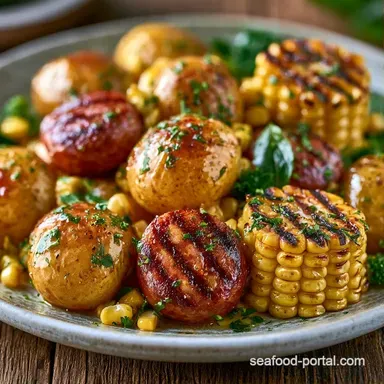
Sheet Pan Seafood Boil with Andouille Sausage
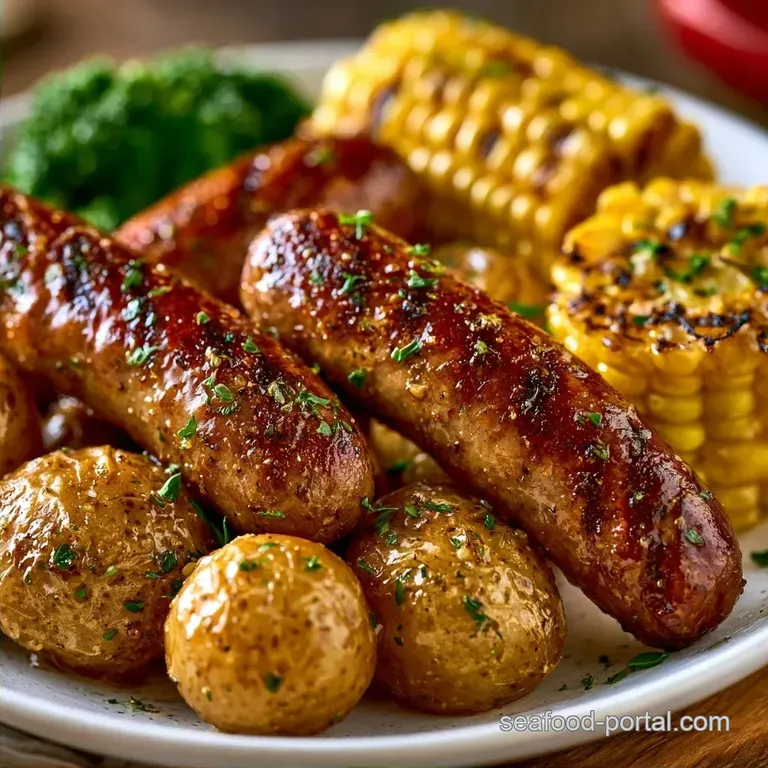
- Time: 10 min active + 30 min cooking
- Flavor/Texture Hook: Smoky, buttery glaze with charred corn
- Perfect for: Easy weekend dinners or a low mess crowd pleaser
- Easy Sheet Pan Seafood Boil Recipe
- Why This Pan Method Works
- Ingredients You'll Need
- Basic Tools for the Job
- Step by Step Cooking Guide
- What Makes This So Good
- Fixing Common Cooking Issues
- Scaling Your Seafood Feast
- Storage and Waste Tips
- Ways to Change the Flavor
- Best Sides for this Meal
- Recipe FAQs
- 📝 Recipe Card
The aroma of garlic and smoked paprika wafting from a 400°F oven is absolutely mouthwatering. My first attempt at a classic Low Country Boil was a complete disaster. I used a giant pot of water, far too much salt, and a lot of hope; however, by the time the potatoes were tender, the shrimp had shrunk into rubbery little pebbles.
It was nothing more than a mess of grey water and overcooked seafood.
That's why I moved the process to the oven. This sheet pan version delivers those same intense, salty, and smoky notes without the need for a massive boiling pot. You get a lovely char on the corn and the sausage actually browns, which is something you just can't achieve when boiling everything together.
It makes for a stress-free meal. Simply slide the pan onto the table, hand out some napkins, and dive in. The real winner here is the contrast between the succulent crab and the crisp edges of the roasted potatoes.
Easy Sheet Pan Seafood Boil Recipe
Here is the logic behind this method. Many people simply toss all the ingredients onto the pan at once, but that's a mistake. Doing so means your shrimp will be rubbery long before the potatoes are even cooked.
Staggered Timing: Introducing the heartier vegetables first ensures the potatoes get tender without overcooking the seafood. Dry Heat: Roasting intensifies the flavors of the Cajun glaze rather than diluting them in a pot of water.
But how does this compare to the traditional approach?
| Method | Time | Texture | Best For |
|---|---|---|---|
| Sheet Pan | 40 mins | Roasted & Charred | Weeknights / Small Groups |
| Traditional | 90 mins | Steamed & Soft | Large Outdoor Parties |
Why This Pan Method Works
The reason this comes out so well is all about the timing. Shrimp and crab cook in minutes, while gold potatoes need a head start to get that creamy center.
Temperature Control: By using a high heat of 400°F, we sear the sausage and corn quickly. This prevents the vegetables from steaming and becoming soggy.
Glaze Adhesion: Since there's no water, the butter and spices stick directly to the food. This creates a rich coating that tastes concentrated and punchy.
Ingredients You'll Need
I've found that using baby gold potatoes is a must here. They hold their shape better than russets and have a natural buttery flavor.
| Component | Purpose | Substitute Notes |
|---|---|---|
| Baby Gold Potatoes | Hearty base | Red potatoes work, but are slightly waxier |
| Andouille Sausage | Smoky saltiness | Kielbasa is a milder, non spicy option |
| Jumbo Shrimp | Main protein | Scallops work well, but cook faster |
| Snow Crab Legs | Sweet richness | King crab is a pricier, meatier choice |
The Shopping List
- 1 lb baby gold potatoes, halved Why this? They roast quickly and stay creamy
- 12 oz Andouille sausage, sliced into 1/4 inch rounds
- 3 ears corn on the cob, cut into 2 inch mini rounds
- 2 tbsp extra virgin olive oil (for roasting)
- 2 tbsp unsalted butter, melted
- 2 tbsp extra virgin olive oil (for glaze)
- 2 tbsp Old Bay seasoning Why this? The classic salty, celery seed profile
- 1 tbsp smoked paprika
- 4 cloves garlic, minced
- 1/2 tsp cayenne pepper
- 1 lemon, juiced
- 1 lb jumbo shrimp, peeled and deveined
- 1 lb snow crab legs, thawed and cracked
- 1 lemon, sliced into rounds
- Fresh parsley, chopped
Easy Ingredient Swaps
| Original Ingredient | Substitute | Why It Works |
|---|---|---|
| Andouille Sausage | Chorizo | Similar spice level. Note: Adds a more Spanish, paprika heavy flavor |
| Snow Crab Legs | Lobster Tails | Higher fat content. Note: More luxurious but more expensive |
| Old Bay | Cajun Seasoning | Similar heat. Note: Check for salt content as some brands are saltier |
Basic Tools for the Job
This Sheet Pan Seafood Boil requires only a few basic tools. The most critical item is a large, rimmed baking sheet; if the pan is too small, the ingredients will crowd and steam rather than roast, preventing that desired browning.
I highly recommend using parchment paper to stop the melted butter and seasonings from sticking to the metal, which makes cleanup much faster. You'll also want a medium mixing bowl for the glaze and a sharp knife to prep the sausage and corn.
Step by step Cooking Guide
Time to get cooking. Be sure to pat your seafood dry first; moisture on the shrimp prevents the glaze from adhering and causes them to steam.
- Set your oven to 400°F (200°C) and line a large rimmed baking sheet with parchment paper.
- Combine the sliced sausage and halved potatoes with 2 tbsp olive oil and a pinch of Old Bay seasoning. Spread them out in a single layer and roast for 15 minutes. Note: Look for the sausage to begin browning at the edges.
- In a mixing bowl, whisk together melted butter, 2 tbsp olive oil, garlic, smoked paprika, cayenne, lemon juice, and the rest of the Old Bay to make the Cajun glaze.
- Take the pan out of the oven, toss in the corn rounds, and pour half of the Cajun glaze over the mixture, stirring gently to coat.
- Put the pan back in and roast for an additional 10 minutes until the corn is bright yellow and has some light charring.
- Move the sausage and vegetables to the edges of the sheet, making room in the middle for the shrimp and crab legs.
- Spoon the remaining Cajun glaze over the seafood and add lemon slices on top.
- Roast for a final 5–8 minutes until the shrimp have turned pink and curled tightly.
- Sprinkle with fresh chopped parsley and serve.
Chef's Tip: For a deeper flavor, stir a teaspoon of Worcestershire sauce into the glaze. This adds a savory quality that complements the lemon juice.
What Makes This So Good
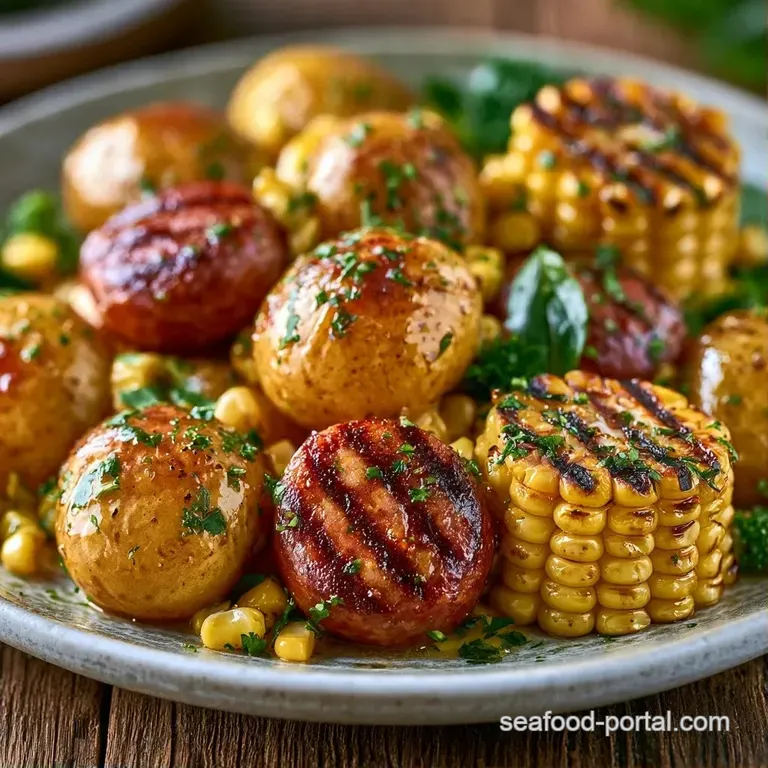
A Sheet Pan Seafood Boil relies on a perfect harmony of flavors. Between the zesty acidity of the lemon, the smoky depth of the paprika, and the savory salt of the Old Bay, every taste bud is satisfied.
Per USDA FoodData, shrimp and crab are lean proteins, making the butter in the glaze vital. This fat allows the spices to cling to the meat while providing a decadent mouthfeel.
For a more garlic-heavy, buttery alternative, consider using a Garlic Scampi Sauce.
Fixing Common Cooking Issues
Not every dish goes perfectly. Here are some tips to fix frequent problems.
Potatoes Still Hard
This often occurs if the potato pieces are too big or the oven hasn't reached 400°F. Stick to baby golds sliced in half. For larger varieties, dice them into 1/2 inch cubes to help them cook through.
Seafood Releasing Water
If liquid pools in the pan, the seafood probably wasn't dry enough before cooking. Be sure to pat the crab and shrimp with paper towels. If you still see too much liquid, simply spoon it out before plating.
Sauce Too Salty
Because Old Bay contains a lot of salt, the glaze can sometimes be overpowering. Balance the sodium by stirring in some honey or a bit of fresh lemon juice.
Scaling Your Seafood Feast
When making larger portions, avoid overcrowding a single pan. Doing so will cause the food to steam rather than roast.
Scaling Down (Half Batch) Opt for a smaller baking tray and cut the initial potato roasting time by 3–5 minutes. With less mass in the oven, the heat penetrates the food more quickly.
Scaling Up (Double Batch) Split the ingredients across two separate baking sheets. Swap the pans' positions halfway through each roasting stage to ensure an even brown. Limit the salt and spices to about 1.5x instead of 2x, as the concentrated glaze can become too intense in larger volumes.
| Goal | What to Change |
|---|---|
| More Heat | Add 1/4 tsp extra cayenne |
| Milder Taste | Swap Andouille for Kielbasa |
| More Veggies | Add sliced bell peppers with corn |
Storage and Waste Tips
I'll be honest, this is best eaten immediately. But if you have leftovers, keep them in a sealed glass container in the fridge for up to 2 days.
Reheating Tips Avoid the microwave if you can. It makes the shrimp rubbery. Instead, put the leftovers back on a baking sheet and pop them in the oven at 350°F for about 5–7 minutes. This helps the potatoes regain some of their texture.
Zero Waste Don't throw away the crab shells. If you have enough of them, you can simmer them with a bit of water and onion to make a quick seafood stock for a soup or risotto. Even the lemon rinds can be zest and frozen for future baking.
Ways to Change the Flavor
This Sheet Pan Seafood Boil is a great base, but you can tweak it. For a more traditional feel, you could try a Signature Garlic Butter Sauce recipe which uses a slightly different butter ratio for extra richness.
For an Extra Spicy Kick Add sliced jalapeños to the pan when you add the corn. The heat from the oven blisters the peppers, adding a fresh, spicy pop to the meal.
For a Seafood Only Feast Skip the potatoes and corn. Increase the shrimp to 2 lbs and add mussels or clams. Since there are no hardy vegetables, you can skip the first roasting phase and just roast everything for 10–12 minutes.
For a Lighter Profile Swap the melted butter in the glaze for more olive oil. You'll lose some of the richness, but the flavors of the garlic and lemon will shine through more clearly.
Best Sides for this Meal
Since the Sheet Pan Seafood Boil already has potatoes and corn, you don't need many sides. But a fresh contrast is a great idea.
A simple coleslaw with a vinegar based dressing works well. The crunch and acidity cut through the rich butter glaze. Some steamed broccoli or a crisp green salad with a lemon vinaigrette also keeps the meal from feeling too heavy.
I like to serve this on a large platter with extra lemon wedges and a bowl of the remaining glaze for dipping the crab legs. It's a messy, fun meal that's meant to be enjoyed with your hands. Trust me, the cleanup is worth the taste.
Recipe FAQs
Can I make a seafood boil in the oven?
Yes, using a rimmed baking sheet makes the process much easier and reduces cleanup. It allows all ingredients to roast evenly at 400°F.
How to prevent shrimp from becoming rubbery?
Roast the shrimp for only 5–8 minutes at the very end. They are done once they turn opaque and curl into a C-shape.
What is the secret to a great flavor profile?
Layering the seasoning is key. Tossing the potatoes and sausage in Old Bay before roasting creates a deeper base than adding everything at once. If you liked this flavor balancing, see how we use a similar zesty profile in our shrimp nachos.
Is it true that all seafood must be boiled in a pot?
That's a myth. Roasting on a sheet pan provides a concentrated flavor and avoids the need for massive pots of water.
Which ingredients work best for a quick seafood roast?
Use a combination of baby gold potatoes, Andouille sausage, and corn on the cob. These hearty items hold up well during the multi-stage roasting process.
Why roast the potatoes before the seafood?
Potatoes take longer to soften than shrimp or crab. Roasting them first for 15 minutes ensures everything finishes cooking at the same time.
Does using frozen crab legs ruin the texture?
No, and here's why. As long as the crab legs are thawed and cracked before roasting, they absorb the Cajun glaze perfectly.
What common errors should I avoid?
Avoid adding the shrimp too early in the cooking process. Overcooking them leads to a tough texture and shrinks the meat.
Sheet Pan Seafood Boil for 6 Servings