Seafood Stuffed Potatoes
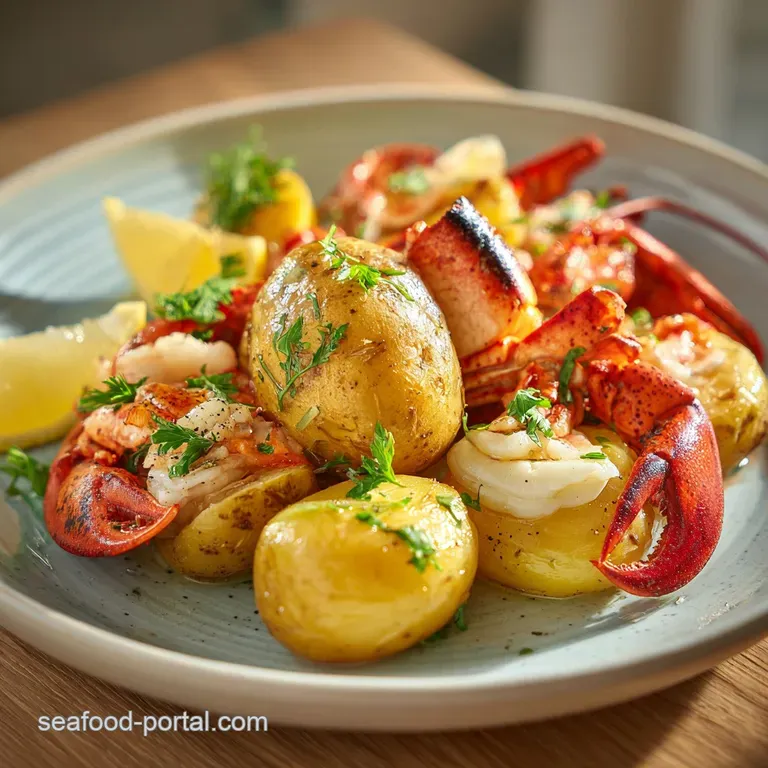
- Time: Active 15 minutes, Passive 45 minutes, Total 1 hour
- Flavor/Texture Hook: Shatter crisp potato skins with a creamy, Cajun spiced seafood center
- Perfect for: Impressive date nights or a high protein weekend comfort meal
- Master Easy Seafood Stuffed Potatoes
- Critical Recipe Performance Specs
- Essential Seafood Ingredient Science
- The Science of Why it Works
- Necessary Tools for Success
- Prep to Plate Instructions
- Comparison: Baking vs. Stovetop Prep
- Solving Common Texture Issues
- Smart Swaps and Variations
- Storage and Waste Management
- Flavorful Side Dish Pairings
- Very High in Sodium
- Seafood Stuffed Potatoes FAQs
- 📝 Recipe Card
The aroma of these Seafood Stuffed Potatoes hitting the air is something you never forget. It's that specific scent of toasted potato skins mingling with the sharp, zesty sizzle of Cajun spiced shrimp and butter.
I remember the first time I tried making these, I made the classic mistake of over boiling the potatoes, which led to a gummy, sad pile of starch. Now, I use a over high heat dry roast that makes the skins actually "shatter" when you bite into them.
We've all had those stuffed potatoes that feel a bit heavy or one note, but this version is different. It’s about the contrast between the sweet lump crab meat and the savory, sharp bite of the cheddar. This recipe isn't about hiding the seafood in a heavy sauce, it’s about highlighting it.
Trust me, once you see that Monterey Jack cheese bubbling and browning under the broiler, you’ll never go back to plain sour cream and chives.
I've refined this method over dozens of Sunday dinners. We’re going to use real science to keep the shrimp snappy and the potato filling light. If you’ve ever felt intimidated by cooking seafood at home, this is the perfect place to start.
It’s approachable, rewarding, and honestly, it looks like something you’d pay forty dollars for at a high end steakhouse. Let’s get into the details so you can nail this on your first try.
Master Easy Seafood Stuffed Potatoes
The magic of these Seafood Stuffed Potatoes lies in the layers of flavor we build from the ground up. We start with the salt crusted exterior, move into a fluffy interior, and top it all with a decadent seafood medley. It’s a dish that feels like a celebration, even if it’s just a Tuesday night at home.
- Base
- Salty, earthy, and crispy potato skin.
- Heart
- Fluffy potato mash with a sharp cheddar tang.
- Accent
- Zesty Cajun heat and sweet seafood notes.
- Finish
- Silky, melted Monterey Jack and fresh chive brightness.
Critical Recipe Performance Specs
To get that restaurant quality finish, we need to pay attention to a few specific numbers. Cooking by feel is great, but these checkpoints ensure you don't end up with undercooked potatoes or rubbery shrimp.
| Checkpoint | Measurement | Why It Matters |
|---|---|---|
| Potato Internal Temp | 210°F | Ensures the starch has fully broken down for fluffiness |
| Potato Weight | 11 oz each | Standardizes cooking time so all four finish together |
| Shrimp Sizzle Time | 90-120 seconds | Prevents the proteins from tightening and becoming tough |
Essential Seafood Ingredient Science
Choosing the right components is half the battle. We want textures that complement each other rather than compete. Using a mix of shrimp and crab provides both "bite" and "sweetness."
- 4 large Russet potatoes (approx. 11 oz each): Why this? Russets have high starch content, essential for that classic fluffy, dry interior.
- 0.5 lb large shrimp, peeled, deveined, and chopped: Why this? Chopping ensures you get seafood in every single bite of the potato.
- 0.5 lb lump crab meat or crawfish tails: Why this? Lump crab offers a buttery, delicate texture that melts into the sauce.
- 4 oz sharp cheddar cheese, freshly grated: Why this? Pre shredded cheese is coated in starch; grating your own ensures a smoother melt.
- 4 oz Monterey Jack cheese, freshly grated: Why this? Jack has a high moisture content and a mild flavor that won't overpower the crab.
- 2 tsp Cajun seasoning: Why this? Provides a complex spice profile without needing ten different jars.
- 0.5 cup heavy cream: Why this? Adds the necessary fat to create a velvety, luxurious mouthfeel.
- 1 tbsp extra virgin olive oil: For the skin.
- 1 tbsp flaky sea salt: For the skin.
- 1 tbsp unsalted butter: For searing.
- 2 cloves garlic, minced: Aromatics.
- 0.25 cup fresh chives, finely snipped: Garnish.
- 1 tsp Worcestershire sauce: Depth of flavor.
The Science of Why it Works
Starch Gelatinization: High oven heat causes the potato's starch granules to swell and burst, creating the airy, "fluffy" texture we love. Protein Denaturation: Quick searing of the shrimp at high heat prevents the muscle fibers from contracting too much, keeping them tender rather than rubbery.
Necessary Tools for Success
You don't need a professional kitchen, but a few specific tools make this process much smoother. I personally love using a cast iron skillet (like a Lodge) for the seafood because it holds heat so well.
- Rimmed baking sheet: To catch any salt or oil drips from the potatoes.
- Large mixing bowl: For whipping the potato filling.
- Cast iron or heavy bottomed skillet: For searing the shrimp.
- Box grater: For that freshly shredded cheese.
- Potato masher or fork: To crush the potato interiors.
Prep to Plate Instructions
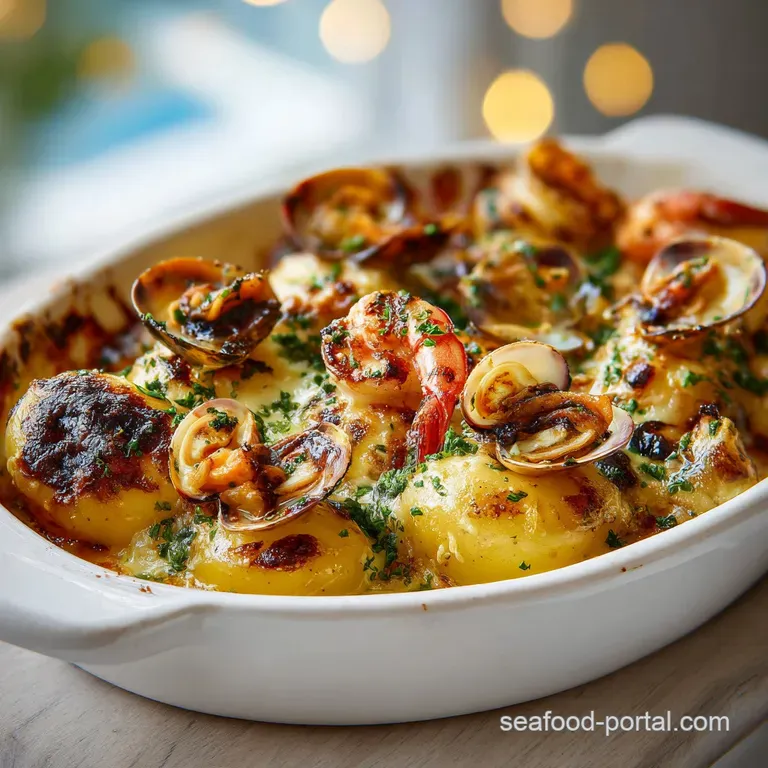
Let's get cooking. Follow these steps closely, and pay attention to the sensory cues. That's how you know you're on the right track.
1. The High Heat Roast
Scrub your 4 large Russet potatoes and pat them completely dry. Rub each with the 2 tbsp extra virgin olive oil and coat generously with 1 tbsp flaky sea salt. Bake at 400°F for 45 minutes until the skins are dark and crisp.
Note: Drying them is crucial for the oil to adhere and crisp the skin.
2. The Flash Searing
While the potatoes bake, heat 1 tbsp unsalted butter in your skillet over medium high heat. Add the 0.5 lb chopped shrimp and 2 tsp Cajun seasoning. Sizzle for 2 minutes until the shrimp turn opaque and pink.
Note: Don't overcook here, they will head back into the oven later.
3. The Aromatics
Add the 2 cloves minced garlic to the skillet with the shrimp. Stir for 30 seconds until the garlic smells fragrant but hasn't browned. Remove the skillet from the heat immediately to stop the cooking process.
4. The Potato Hollowing
Once the potatoes are done, let them cool for 5 minutes. Slice a thin layer off the top of each. Use a spoon to scoop the insides into a bowl, leaving a 1/4 inch shell. Note: Leaving a sturdy wall prevents the potato from collapsing under the weight of the seafood.
5. The Filling Construction
To the scooped potato insides, add 0.5 cup heavy cream, 1 tbsp butter, and 1 tsp Worcestershire sauce. Mash until the mixture is velvety and smooth. Fold in half of the cheddar and Monterey Jack cheeses.
6. The Seafood Integration
Gently fold the seared shrimp and the 0.5 lb lump crab meat into the potato mash. Use a spatula to ensure you don't break up the delicate crab lumps. Add half of the chives now to distribute their oniony brightness.
7. The Final Stuffing
Heap the seafood mixture back into the potato shells. Don't be afraid to pile it high; it should look over stuffed and decadent. Top with the remaining 4 oz of mixed cheese.
8. The Golden Broil
Place the stuffed potatoes back on the baking sheet. Broil on high for 3 to 5 minutes until the cheese is bubbling and spotted with gold. Watch it like a hawk so it doesn't burn!
Chef's Tip: Freeze your block of Monterey Jack for 10 minutes before grating. This prevents the soft cheese from clumping on the grater and gives you those perfect, meltable strands.
Comparison: Baking vs. Stovetop Prep
While the oven is the gold standard for the potato base, some people try to shortcut with the microwave or stovetop. Here is why the oven wins for this specific recipe.
| Method | Texture Result | Flavor Profile |
|---|---|---|
| Oven Roast | Shatter crisp skin, fluffy center | Deep, earthy, and toasted |
| Microwave | Soft, leathery skin, dense center | Flat and steamed |
| Stovetop Boil | Wet skin, gummy center | Diluted and bland |
Similar to the precision needed for a Rosemary Cream Sauce recipe, the dry heat of the oven is non negotiable for the perfect potato texture.
Solving Common Texture Issues
Even with a solid plan, things can go sideways. Here are the three most common hurdles I've faced in my own kitchen and how I fixed them.
Gummy Potato Filling
If your potato filling feels sticky or like glue, you likely over mixed it. When potato cells are broken too aggressively, they release excess starch. To fix this next time, use a masher instead of an electric mixer and stop as soon as it's combined.
Excess Water in Sauce
Sometimes the crab meat or shrimp can release liquid, making the filling watery. This often happens with frozen seafood that wasn't drained well. Ensure you pat your seafood dry with paper towels before it hits the skillet.
Why Your Potatoes Collapse
If the "walls" of your potato cave cave in, you scooped too much out. You need that 1/4 inch of structural integrity to hold the heavy cream and seafood mixture.
| Problem | Root Cause | Solution |
|---|---|---|
| Rubbery Shrimp | Overcooking in skillet | Sear for only 90 seconds |
| Soggy Skin | Wrapping in foil | Bake directly on the rack |
| Gritty Filling | Under baked potato | Check for 210°F internal temp |
Smart Swaps and Variations
You don't always have to stick to the script. Depending on what's fresh at your local market, you can pivot this recipe easily.
- If you want a budget friendly version, use imitation crab. It holds its shape well and still provides that sweet seafood note.
- If you want more heat, swap the Monterey Jack for Pepper Jack and add a dash of hot sauce to the cream.
- If you want a smoky profile, add 1/2 tsp of smoked paprika to the Cajun seasoning.
| Original Ingredient | Substitute | Why It Works |
|---|---|---|
| Heavy Cream | Full fat Coconut Milk | Similar fat content. Note: Adds a subtle tropical flavor. |
| Lump Crab | Chopped Scallops | Scallops offer a similar sweetness and tender texture. |
| Cajun Seasoning | Old Bay | Classic seafood profile. Note: Saltier, so reduce added salt. |
If you're looking for more inspiration, you might enjoy browsing other Fish Recipes to see how different seasonings pair with various textures.
Storage and Waste Management
These potatoes are best eaten fresh, but you can certainly save them. Place leftovers in an airtight container in the fridge for up to 2 days. To reheat, use the oven at 350°F rather than the microwave to help the skin regain some of its crunch.
Zero Waste Tip: Don't throw away those thin potato "lids" you sliced off! Brush them with a little butter, sprinkle with salt, and bake them alongside the potatoes for a "chef's snack" (potato chips!). Also, keep your shrimp shells in a bag in the freezer. They make an incredible base for a Seafood Boil with recipe or a quick stock later.
Flavorful Side Dish Pairings
Since these Seafood Stuffed Potatoes are quite rich and heavy on the starch and fat, you want sides that offer acidity or crunch to cut through the decadence.
A simple arugula salad with a sharp lemon vinaigrette is my go to. The bitterness of the greens balances the sweetness of the crab perfectly. You could also serve this alongside roasted asparagus or steamed green beans with a touch of lemon zest.
Chef's Note: Avoid serving this with other heavy sides like mac and cheese or bread. The potato itself is a massive serving of carbohydrates, so let it be the star of the plate!
Whether you're cooking for a crowd or just treating yourself, these potatoes are a total win. They take a bit of patience during that 45 minute bake, but the result is a velvety, savory masterpiece that feels truly special. Right then, let's get those potatoes in the oven!

Very High in Sodium
2075 mg mg of sodium per serving
(90% % of daily value)
The American Heart Association recommends limiting sodium intake to about 2,300mg per day for optimal health.
Sodium Reduction Tips for Stuffed Potatoes:
-
Low-Sodium Cheese Swap-15%
Replace the sharp cheddar and Monterey Jack cheese with low-sodium or no-salt added cheese varieties. This simple swap can significantly cut down on the overall sodium content.
-
Reduce Sea Salt-15%
Flaky sea salt contributes a significant amount of sodium. Reduce the amount of sea salt used from 1 tbsp to 1/2 tbsp or less, or eliminate it completely, adjusting to taste with salt free seasonings.
-
DIY Cajun Seasoning-10%
Commercially prepared Cajun seasoning is often high in sodium. Make your own Cajun seasoning blend using herbs and spices like paprika, cayenne pepper, garlic powder, onion powder, and oregano to control the sodium content.
-
Limit Worcestershire Sauce-10%
Worcestershire sauce is a hidden source of sodium. Reduce the amount used from 1 tsp to 1/2 tsp or eliminate altogether. Taste as you go to avoid over seasoning.
-
Enhance with Herbs & Spices
Use fresh or dried herbs and spices to boost the flavor of your stuffed potatoes without adding sodium. Experiment with flavors like smoked paprika, fresh parsley, or garlic powder.
Estimated Reduction: Up to 50% less sodium
(approximately 1037 mg per serving)
Seafood Stuffed Potatoes FAQs
Can I use frozen seafood for the filling?
Yes, but thaw and drain thoroughly. Frozen seafood can release excess water, making the filling watery. Pat it very dry before adding it to the potato mixture to prevent sogginess.
How do I prevent the potato skins from becoming soggy?
Roast them at high heat until crisp. Rubbing the potatoes with olive oil and flaky sea salt before baking at 400°F creates a shatteringly crisp skin that holds up well to the filling.
What is the best potato for stuffing?
Russet potatoes are ideal. Their high starch content creates a fluffy interior when baked, which is essential for a light and airy filling that absorbs flavors well.
How can I make the seafood filling richer and creamier?
Incorporate heavy cream and cheese. Adding ingredients like heavy cream, grated sharp cheddar, and Monterey Jack cheese to the mashed potato base will give the filling a luxurious, velvety texture.
Why did my shrimp turn rubbery in the stuffing?
You likely overcooked the shrimp. Flash sear the shrimp for only about 90-120 seconds until they just turn pink and opaque; they will finish cooking in the oven.
Can I make these seafood stuffed potatoes ahead of time?
Yes, bake the potatoes up to two days in advance. Reheat them in the oven before stuffing and broiling to maintain some of the skin's crispness, rather than using a microwave.
What other seafood can I use in place of shrimp or crab?
Scallops or even small fish pieces work well. Similar to how tender flaky fish is prepared in our Almondine Fish: Flaky Fillets Drizzled in Nutty Brown Butter Sauce, ensure they are cut into bite sized pieces and not overcooked during searing.
Seafood Stuffed Potatoes
Ingredients:
Instructions:
Nutrition Facts:
| Calories | 755 kcal |
|---|---|
| Protein | 42.3 g |
| Fat | 38.1 g |
| Carbs | 57.2 g |
| Fiber | 4.1 g |
| Sugar | 2.4 g |
| Sodium | 2075 mg |
