Salmon over Rice: Healthy Rice Bowl
- Time: 10 min active + 15 min cook
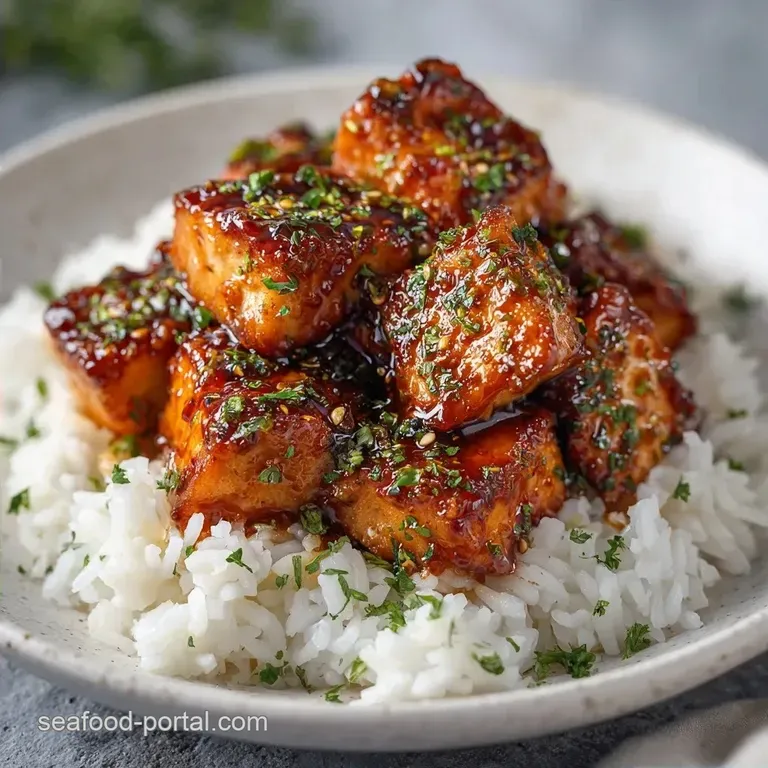
- Flavor/Texture Hook: Mahogany crusted salmon with a sweet savory ginger glaze
- Perfect for: Healthy weeknight dinners or high protein meal prep
- Best Quick Salmon over Rice
- The Secret to Success
- Essential Component Analysis
- Ingredients and Substitutes
- Cooking Step by Step
- Avoiding Kitchen Disasters
- Dietary Adjustment Options
- Adjustment Guidelines
- Common Kitchen Myths
- Storage and Zero Waste
- Serving Your Bowls
- High in Sodium
- Recipe FAQs
- 📝 Recipe Card
Best Quick Salmon over Rice
That high pitched sizzle when the salmon cubes hit the hot oil is the sound of victory. I remember the first time I tried making this. I was convinced that to get a "restaurant style" finish, I had to keep the fillet whole and sear it for ages.
But the result was always the same: a burnt outside and a middle that felt like raw butter. It was frustrating, and I almost gave up on the idea of a quick weeknight fish dish.
Then I tried cubing the fish. It felt wrong at first, like I was cheating, but the results were a complete shock. By breaking the salmon into one inch pieces, I increased the surface area for the glaze to cling to, and the cook time dropped significantly.
Now, this version of Salmon over Rice is my absolute go to when I have zero energy but want something that feels like a treat.
Forget everything you've heard about salmon being a "special occasion" protein that takes forever to get right. You don't need a fancy sous vide machine or a professional kitchen to get that velvety interior.
You just need a hot pan and a few simple pantry staples to create a balanced, nutrient dense meal in under half an hour.
The Secret to Success
Getting the textures right here is all about timing and temperature. If you rush the rice or overcook the fish, the whole balance shifts. Here is why this specific approach works.
The Surface Sear: Patting the fish bone dry removes surface moisture that would otherwise steam the fish instead of searing it. This allows the olive oil to create that mahogany crust quickly.
The Glaze Reduction: Using maple syrup provides a sugar base that caramelizes almost instantly when it hits the pan. This turns a thin liquid into a thick syrup that coats every single cube of fish.
The Starch Rinse: Washing the jasmine rice removes excess surface starch. This is what prevents the grains from clumping together into a mushy mass, keeping them separate and fluffy.
The Heat Carryover: Removing the pan from the heat while the glaze is still bubbling prevents the sugars from burning. The salmon continues to cook for a minute after it leaves the stove, which keeps the center tender.
| Method | Time | Texture | Best For |
|---|---|---|---|
| Pan Sear | 15 mins | Crusty & Velvety | Maximum flavor |
| Oven Bake | 20 mins | Soft & Uniform | Large batches |
| Air Fryer | 12 mins | Firm & Charred | Ultra fast prep |
I've found that the pan sear is the only way to go if you really want those caramelized edges. While the oven is easier for a crowd, you lose that intense "sizzle" factor that makes this recipe so satisfying.
Essential Component Analysis
Understanding your ingredients helps you make better choices at the store. For Salmon over Rice, the quality of your fat and your acid determines if the dish tastes flat or bright.
| Ingredient | Science Role | Pro Secret |
|---|---|---|
| Salmon Fillet | Primary Protein | Use center cut for uniform cooking |
| Maple Syrup | Glaze Thickener | Grade A Amber gives the best color |
| Rice Vinegar | Acid Balance | Cuts through the fatty richness of salmon |
| Jasmine Rice | Absorbent Base | Use a 1:2 ratio for a fluffier grain |
When selecting your fish, I highly recommend looking for wild caught sockeye if you like a bolder flavor, or Atlantic salmon for something more buttery. According to Serious Eats, the fat content in salmon is what makes it so forgiving, but the window between "perfectly tender" and "dry" is small.
Ingredients and Substitutes
I keep these items in my pantry at all times because they are the foundation of almost every Asian inspired bowl. For this easy salmon over rice recipe, make sure your ginger is fresh, as the powdered stuff just doesn't have the same zing.
- 1 lb salmon fillet, cut into 1 inch cubes Why this? Faster cook time and more glaze surface
- Substitute: Steelhead trout (similar texture and flavor)
- 1 tbsp olive oil Why this? High smoke point for searing
- Substitute: Avocado oil (even higher smoke point)
- 1/2 tsp sea salt Why this? Enhances natural fish flavors
- Substitute: Kosher salt (slightly coarser grain)
- 1/4 tsp cracked black pepper Why this? Adds a subtle woody heat
- Substitute: White pepper (milder, more floral)
- 2 tbsp low sodium soy sauce Why this? Savory depth without overpowering salt
- Substitute: Tamari (for a gluten-free option)
- 1 tbsp maple syrup Why this? Natural sweetness and thick consistency
- Substitute: Honey (note: honey is sweeter and thickens faster)
- 1 tsp freshly grated ginger Why this? Adds a bright, spicy aromatic note
- Substitute: Ginger paste (convenient, but less punchy)
- 2 cloves garlic, minced Why this? Essential pungent base
- Substitute: Garlic powder (use 1/2 tsp)
- 1 tsp rice vinegar Why this? Brightens the heavy fats
- Substitute: Apple cider vinegar (similar acidity)
- 1 cup jasmine rice Why this? Fragrant and naturally fluffy
- Substitute: Basmati rice (slightly nuttier, holds shape better)
- 2 cups water Why this? Standard hydration for jasmine
- Substitute: Low sodium chicken broth (adds more savory flavor)
- 2 cups broccoli florets, steamed Why this? Earthy contrast to the sweet glaze
- Substitute: Snap peas (adds a crunchier texture)
- 1 cup shredded carrots Why this? Adds color and a hint of sweetness
- Substitute: Sliced red bell pepper (more juicy and bright)
- 2 stalks green onion, sliced Why this? Fresh, sharp finish
- Substitute: Chives (more delicate onion flavor)
If you want to change the vibe of the glaze, you can look at my homemade sushi sauce for a more traditional Japanese profile. It works incredibly well as a drizzle over the finished bowl.
Cooking step by step
Right then, let's get into it. The key here is the overlap. You want the rice to be finishing just as the salmon comes off the pan so everything is piping hot.
- Rinse the jasmine rice under cold water until the water runs clear. Note: This removes the starch that makes rice gummy.
- Combine rice and water in a rice cooker or pot. Bring to a boil, then simmer covered for 15 minutes.
- Steam the broccoli and carrots in a steamer basket for about 5 minutes until tender crisp and vibrant green.
- Pat the salmon cubes dry with a paper towel. Note: Wet fish will not sear; it will steam.
- Heat olive oil in a skillet over medium high heat until it shimmers and just starts to smoke.
- Add salmon in a single layer. Sear for 2-3 minutes without moving them until a mahogany colored crust forms.
- Flip the cubes and sear for another 2 minutes.
- Lower the heat to medium. Pour the whisked glaze (soy sauce, maple syrup, ginger, garlic, and rice vinegar) over the salmon.
- Toss gently for 60-90 seconds until the sauce thickens into a velvety coating. Remove from heat immediately.
- Divide the steamed rice into two bowls, top with the glazed salmon and steamed vegetables, and garnish with sliced green onions.
Chef's Note: If you're using a very over high heat burner, keep a close eye on the glaze. Because of the maple syrup, it can go from "velvety" to "burnt" in about 10 seconds.
Avoiding Kitchen Disasters
Even with a simple salmon and rice bowl, things can go sideways. Usually, it's a matter of heat management or moisture. If your fish is sticking, don't panic.
The Fish Stick Fix
If the salmon clings to the pan, it's usually because you tried to flip it too early. The fish will naturally release itself from the pan once the crust has formed. If it's still sticking after 3 minutes, your pan might not have been hot enough.
The Glaze Burn
Maple syrup and honey burn quickly. If you notice the sauce turning dark brown or smelling acrid, pull the pan off the heat instantly and add a teaspoon of water to loosen the sauce. This saves the flavor from becoming bitter.
The Mushy Rice
Over hydrated rice happens when you stir the pot during the simmering process. Stirring releases more starch and breaks the grains. Keep the lid on and leave it alone until the timer goes off.
| Problem | Root Cause | Solution |
|---|---|---|
| Salmon is dry | Cooked too long | Reduce sear time by 1 min per side |
| Rice is hard | Not enough water | Add 2 tbsp water and simmer 5 more mins |
| Glaze is watery | Not reduced enough | Simmer 30 seconds longer on medium |
To make sure your Salmon over Rice comes out right every time, keep this checklist handy:
- ✓ Rice was rinsed until the water ran clear.
- ✓ Salmon was patted completely dry before hitting the oil.
- ✓ Pan was shimmering hot before adding the fish.
- ✓ Glaze was added only after the sear was complete.
- ✓ Pan was removed from heat the moment the sauce thickened.
Dietary Adjustment Options
One of the reasons I love this recipe is how flexible it is. Depending on who you're feeding, you can swap the base or the sweetener without losing the essence of the dish.
The Grain Free Swap
If you're avoiding rice, cauliflower rice is the best bet. Sauté it in a bit of sesame oil for 5 minutes. It doesn't have the same absorbent quality as jasmine rice, so I recommend adding an extra tablespoon of the glaze to the bowl to keep it moist.
The Plant Based Pivot
For a vegan version, swap the salmon for extra firm tofu cubes. Press the tofu for 20 minutes to remove excess water, then follow the same searing process. You'll get a similar crust, though you might need slightly more olive oil.
The Spicy Heat Up
If the sweetness of the maple syrup is too much for you, add a teaspoon of Sriracha or red chili flakes to the glaze. This creates a spicy sweet contrast that cuts through the richness of the fish.
The Low Sodium Shift
Use coconut aminos instead of soy sauce. Coconut aminos are naturally lower in sodium and have a slightly sweeter profile, which pairs beautifully with the ginger and garlic. For those looking for other low impact seafood options, my baked white fish guide offers a great alternative.
Adjustment Guidelines
Scaling this recipe is straightforward, but you can't just multiply everything by four and expect it to work in the same pan.
Scaling Down (1 serving): Use a smaller 8 inch skillet. Since there's less fish, the glaze will reduce much faster, so be ready to pull the pan off the heat within 30-45 seconds. Use half an egg if you're adding a fried egg on top.
Scaling Up (4+ servings): Do not crowd the pan. If you put 2 lbs of salmon in one skillet, the temperature will drop, and the fish will steam in its own juices instead of searing. Work in batches. For the glaze, increase the soy and maple to 1.5x rather than 2x to avoid an overly salty result.
Baking instead of Searing: If you're doing a massive batch in the oven, lower the temp to 375°F (190°C) and bake for 12-15 minutes.
Toss the cubes in the glaze before baking, but note that you won't get the same "shatter" on the crust as you do with the skillet.
| Scale | Pan Size | Batching | Glaze Adjustment |
|---|---|---|---|
| 1 Person | Small (8") | Single | Reduce simmer time |
| 2 People | Medium (12") | Single | Standard |
| 4+ People | Large (14") | Two Batches | 1.5x Salt/Soy |
Working in batches is the most important part of scaling Salmon over Rice. I've made the mistake of overloading a pan and ending up with a grey, boiled looking piece of fish. It's not worth the five extra minutes it takes to cook in two rounds.
Common Kitchen Myths
There are a few things people tell you about cooking fish that are just plain wrong. Let's clear some of those up.
The "Seal In" Myth: You'll often hear that searing salmon "seals in the juices." This is a total myth. Searing creates flavor and texture through browning, but it doesn't create a waterproof barrier. Moisture loss happens regardless; the sear is about taste, not juice retention.
The Rinsing Debate: Some people say rinsing rice is a waste of time or ruins the flavor. In reality, for jasmine rice, it's the difference between fluffy grains and a sticky clump. Rinsing removes the surface starch, which is essential for the texture of a rice bowl.
The Room Temp Rule: Many chefs say you must let fish reach room temperature before cooking. While this can help with even cooking for thick steaks, for 1 inch cubes, it makes no difference. In fact, keeping the fish cold helps prevent the outside from overcooking before the inside is done.
Storage and Zero Waste
If you have leftovers, you're in luck. This is a fantastic meal prep option, provided you store it correctly to avoid the "fishy" smell in the fridge.
Fridge Storage: Store the rice and the salmon in separate airtight containers. The rice can stay for 4 days, and the salmon for 3 days. If you mix them, the rice will absorb the glaze and become mushy over time.
Freezing: I don't recommend freezing the cooked salmon and rice together. However, you can freeze the raw, cubed salmon in the glaze (marinated) for up to 2 months. Thaw it overnight in the fridge before searing.
- - Salmon Scraps
- If you have small bits of salmon left over from cubing, toss them into a fish cake or a quick chowder.
- - Broccoli Stems
- Don't throw those away! Peel the woody outer layer, slice the tender inner core into coins, and steam them right along with the florets.
- - Rice Water
- The cloudy water from rinsing your rice is actually full of nutrients. Use it to water your houseplants; they love the starch.
Serving Your Bowls
To make this Salmon over Rice look as good as it tastes, it's all about the assembly. I like to start with a wide, shallow bowl.
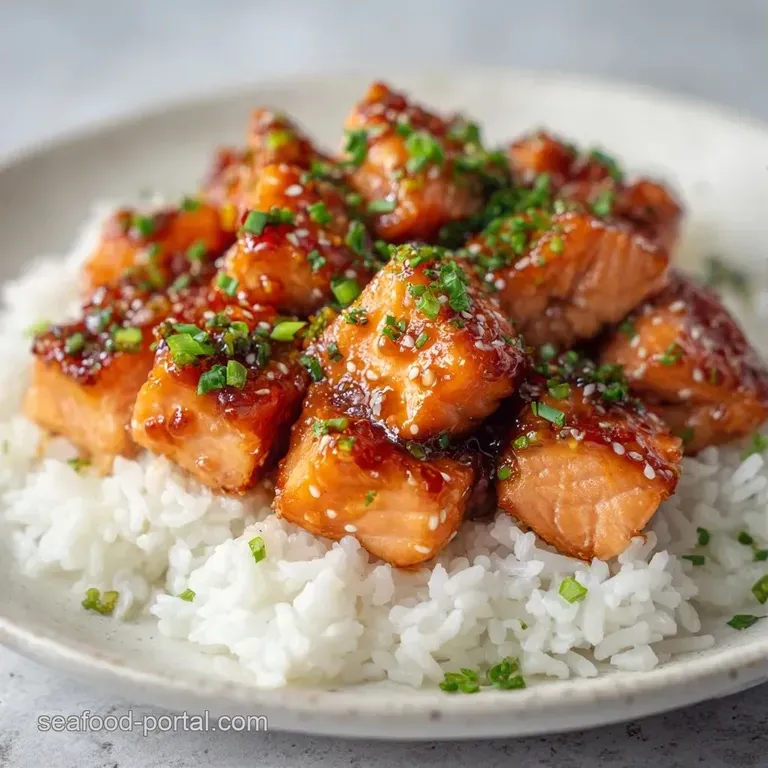
Place a generous scoop of the fluffy jasmine rice on one side. Arrange the steamed broccoli and carrots on the other side to create a colorful divide. Pile the glazed salmon cubes right in the center, letting some of that velvety sauce drip down into the rice.
For a final touch, add a squeeze of fresh lime or a sprinkle of toasted sesame seeds. If you have some avocado on hand, a few thin slices add a creamy contrast to the salty glaze. The goal is to have a bit of everything the char of the fish, the sweetness of the maple, and the freshness of the vegetables in every single bite.
Trust me, once you switch to the cubed method for Salmon over Rice, you'll never go back to the whole fillet for weeknight meals. It's faster, tastier, and honestly, just a lot more fun to eat. Now go get that pan shimmering and enjoy!
High in Sodium
1000 mg 1000 mg of sodium per serving (43% 43% of daily value)
The American Heart Association recommends a daily sodium limit of no more than 2,300 mg, and ideally 1,500 mg for most adults to lower blood pressure.
Tips to Reduce Sodium
-
Eliminate Added Salt-25%
Completely omit the 1/2 tsp of sea salt; the soy sauce already provides a strong salty base for the salmon.
-
Swap Soy Sauce-20%
Replace the low-sodium soy sauce with coconut aminos, which offers a similar savory profile with significantly less sodium.
-
Increase Acidity-10%
Add a squeeze of fresh lemon or lime juice to the glaze to brighten the flavors and reduce the craving for salt.
-
Enhance Aromatics
Double the amount of freshly grated ginger and garlic to add more punch and flavor depth without adding any sodium.
Recipe FAQs
Is seared salmon good for high blood pressure?
Yes, salmon is generally beneficial. Its omega-3 fatty acids support heart health and can help manage blood pressure levels.
How to adapt this salmon recipe for a kidney friendly, low-sodium diet?
Reduce the soy sauce amount. Swap the low-sodium soy sauce for a small amount of rice vinegar or omit it entirely to lower the overall salt intake.
Is it true that eating salmon skin alone lowers cholesterol?
No, this is a common misconception. While the healthy fats in the skin are beneficial, cholesterol management depends on the fish's overall profile and your total diet.
What is the most budget friendly way to prepare this salmon dish?
Buy salmon fillets in bulk and cube them yourself. Using the 1 inch cube method maximizes the amount of fish per serving while ensuring every piece is evenly glazed.
How to store the leftovers without the rice getting mushy?
Store the rice and salmon in separate airtight containers. This prevents the rice from absorbing the glaze during refrigeration.
How to get a mahogany crust on the salmon?
Pat the salmon cubes dry with a paper towel before searing. Heat olive oil over medium high and leave the fish untouched for 2-3 minutes to develop the crust.
Can I use a different fish instead of salmon?
Yes, a firm white fish works well. If you enjoy this searing technique, you can apply the same principle to our pan-seared tilapia.
Salmon Over Rice Bowl