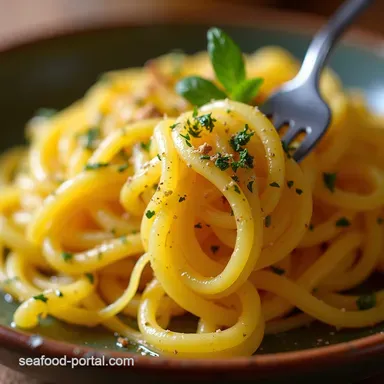
The Ultimate Ovenroasted Spaghetti Squash Golden Strands with Zesty Herb Butter
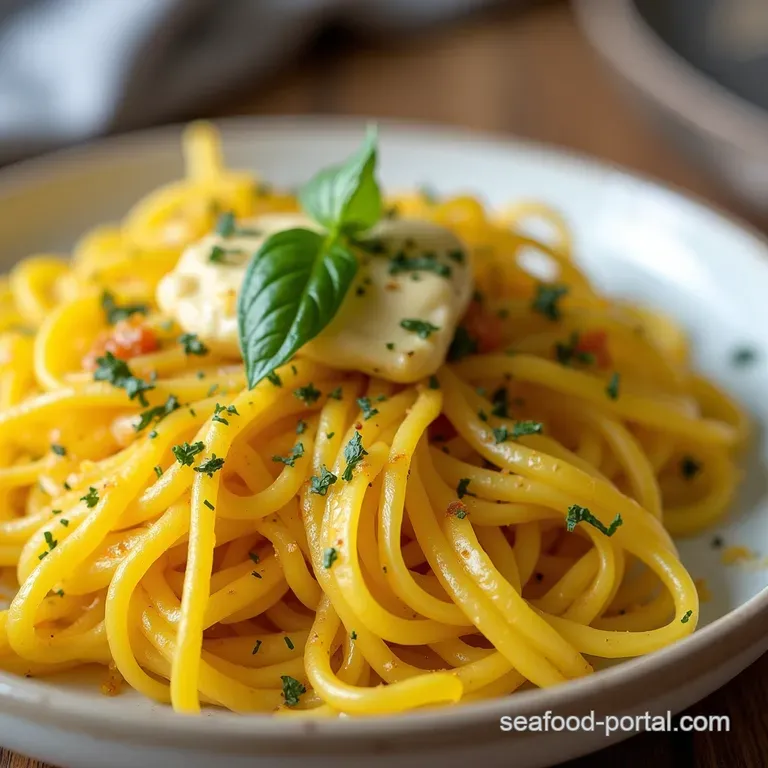
- Transforming the Humble Squash: Why Roasting Wins
- The Secret to Non-Mushy Strands: Celebrating Texture
- Essential Provisions for Zesty Roasted Spaghetti Squash
- Gathering Your Flavor Foundation: Herbs and Aromatics
- Mastering the Split: Safe and Effective Squash Halving
- The Golden Bake: Achieving Flawless Tenderness
- Elevating Your Side Dish: Flavor Variations and Upgrades
- Recipe FAQs
- 📝 Recipe Card
Transforming the Humble Squash: Why Roasting Wins
When it comes to preparing winter squash, especially the incredibly versatile Spaghetti Squash , the cooking method dictates the entire experience. While many novice cooks default to boiling or microwaving, I firmly believe that the oven is the superior tool for unlocking this vegetable's true potential.
Roasting transforms the relatively bland internal flesh into something deeply nutty, slightly sweet, and perfectly textured. This method concentrates the natural sugars, resulting in a far more satisfying experience than simply steaming the vegetable into submission.
For anyone looking for excellent Spaghetti Squash Recipes , starting with a proper roast is step one toward success.
The Secret to Non-Mushy Strands: Celebrating Texture
The primary goal when cooking this vegetable is achieving those distinct, pasta like ribbons without ending up with a watery, soft mess. True satisfaction comes from texture, and that’s precisely what we are engineering with our rustic approach to How To Cook Spaghetti Squash .
We want strands that retain a slight al dente bite, capable of holding up to rich sauces or bright, fresh toppings.
Ditching the Boil: Unlocking Natural Nutty Sweetness
Boiling introduces excess water directly into the flesh, leading inevitably to sogginess. By contrast, utilizing the Baked Spaghetti Squash technique allows surface moisture to evaporate within the hot, dry environment of the oven.
This evaporation process caramelizes the natural sugars present in the squash, deepening its flavour profile significantly. It moves the vegetable from a mere carrier for sauce to a star component of the meal.
A Rustic Approach for Distinct Pasta Like Fibers
Our method focuses on maximizing separation. By applying oil and seasoning directly to the cut surfaces before baking, we encourage the flesh to dry slightly as it cooks, ensuring the resulting strands are firm and independent.
This contrast between the tender shell and the firm interior fibers is what makes the resulting "pasta" so enjoyable, especially for those exploring Low-carb Spaghetti Squash Recipe options.
Perfecting This Light Yet Deeply Satisfying Side
The final result, the "Perfect Roasted Spaghetti Squash with Lemon, Garlic, and Parmesan," is wonderfully versatile. It works as a standalone, naturally gluten-free staple, or as a beautiful canvas for additions.
Given its low sugar and high fiber content, it’s a fantastic vegetable to incorporate into health conscious eating plans; indeed, many ask, " Is Spaghetti Squash Keto friendly?" The answer, prepared simply as we describe, is a resounding yes.
Essential Provisions for Zesty Roasted Spaghetti Squash
To create this flavourful experience, we need quality core ingredients and a few aromatic extras to lift the natural sweetness of the Spaghetti Squash Whole . We are aiming for a total cook time of roughly 45 to 60 minutes, depending on the size of your squash.
This recipe comfortably serves four people.
Related Recipes Worth Trying
- Perfectly Tender Whole Roasted Spaghetti Squash Recipe — Tired of fiddly squash prep This whole roasted spaghetti squash method is foolproof yielding perfect strands every time The oven does the work
- Million Dollar Baked Spaghetti Cheesy Comfort Casserole — Make the legendary Million Dollar Spaghetti Recipe tonight This easy baked spaghetti casserole layers creamy ricotta with rich meat sauce for an indulgent...
- Spaghetti Napolitana My Familys Simple Sunday Sauce — This Spaghetti Napolitana recipe is a total crowdpleaser Easy flavorful and ready in under an hour The perfect weeknight pasta Give it a try you wont regret it
Gathering Your Flavor Foundation: Herbs and Aromatics
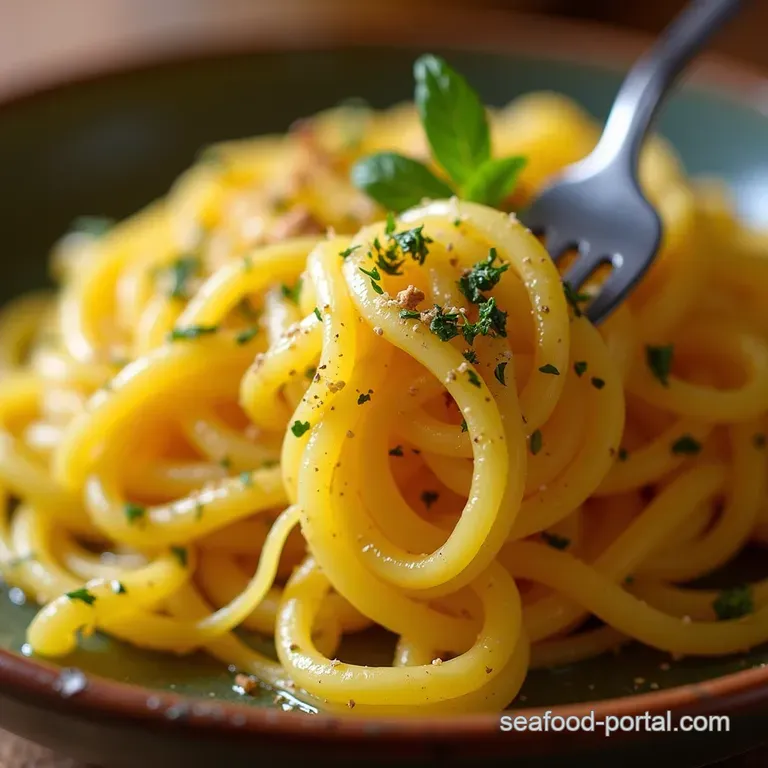
The beauty of this preparation lies in its simplicity. We are not masking the squash; we are amplifying it. The core flavour components rely on fat, acid, and sharpness to contrast the inherent nuttiness of the roasted flesh.
Sourcing the Ideal Squash: Selection and Preparation Tools
Begin by selecting one medium squash, weighing around three pounds. It should feel heavy for its size and have completely hard, unblemished skin. You’ll need a large, sturdy cutting board and a very sharp chef’s knife safety first when tackling these hard rinds!
A baking sheet lined with parchment paper is essential for easy cleanup later.
The Lemon Garlic Infusion: What You'll Need
The flavor bomb is made by infusing four tablespoons of unsalted butter until it browns, then immediately tossing it with three large cloves of finely minced garlic and two tablespoons of fresh parsley.
Crucially, you must also reserve the zest of half a lemon (about one teaspoon) and one tablespoon of fresh lemon juice. This combination provides bright acidity to cut through the richness of the browned butter.
Parmesan Pairing: Choosing the Right Dairy Accent
For the finishing touch, you’ll require half a cup of freshly grated Parmesan cheese. Insist on block Parmesan that you grate yourself; pre-shredded varieties often contain anti caking agents that prevent them from melting and incorporating smoothly into the strands.
Mastering the Split: Safe and Effective Squash Halving
This is arguably the most intimidating part of preparing any Spaghetti Squash Nutrition profile, but with the right technique, it’s easily managed. Place the squash on your cutting board. Identify the ends (the stem and the blossom end).
Using your sharp knife, carefully slice the squash lengthwise, directly through the center, from end to end. If the rind proves too tough, a quick (three minute) microwave blast on high will soften the skin just enough to make the initial cut safer.
Once halved, use a sturdy spoon to scoop out and discard all the seeds and stringy membranes within both cavities.
The Golden Bake: Achieving Flawless Tenderness
Once prepped, we move to the Spaghetti Squash in Oven stage. The heat management here is key to achieving that perfect texture where the Spaghetti Squash Cook Time results in distinct ribbons, not mush.
Prepping the Shell: Oil Application and Initial Seasoning
With the halves facing up, generously brush the exposed flesh with about two tablespoons of olive oil. Don't be shy! Season aggressively with one teaspoon of kosher salt and half a teaspoon of freshly ground black pepper. Remember, the seasoning must penetrate the flesh during cooking to taste vibrant afterward.
Oven Temperature Tactics for Even Cooking
Preheat your oven to 400° F ( 200° C). Place the seasoned halves cut-side down onto your foil lined baking sheet. Roasting them face down traps steam inside the cavity, cooking the flesh evenly from the bottom up.
Bake for 45 to 60 minutes. You know it’s ready when you can press the outside skin gently and it yields easily, or when a fork pierces the flesh with almost no resistance.
Scraping Technique: Wielding the Fork for Perfect Ribbons
After removing the squash from the oven, allow it to cool for about ten minutes so you can handle it safely. Now, take a large fork and scrape the flesh from the shell. Apply consistent, gentle pressure, pulling the fork down the length of the cavity.
This action naturally separates the flesh into long, beautiful, spaghetti like strands. Place these strands into a large mixing bowl.
Elevating Your Side Dish: Flavor Variations and Upgrades
The simple lemon garlic-Parmesan finish is divine, but the squash strands are the perfect foundation for creative culinary exploration.
Paleo & Whole30 Adaptations for This Recipe Profile
For those adhering to stricter dietary guidelines, swapping the Parmesan for a generous sprinkling of nutritional yeast before tossing offers a cheesy, savory depth without dairy. On top of that,, ensure the butter is replaced with coconut oil or extra olive oil for a completely Paleo & Whole30 compliant version that still delivers amazing flavour.
Quick Swaps: Beyond Parmesan for a Creamy Texture
If you crave creaminess without the dairy fuss, consider using half an avocado, blended with a splash of water and lime juice, drizzled over the warm strands. Alternatively, for a richer non-Keto option, a dollop of cashew cream or a light drizzle of heavy cream stirred through the hot strands after shredding provides a luxurious mouthfeel.
Meal Prep Mastery: How Long Does Roasted Squash Last?
This vegetable holds up exceptionally well, making it fantastic for weekly organization. Once cooled, store the shredded squash in an airtight container in the refrigerator. Roasted squash generally lasts beautifully for four to five days, making it a reliable component for busy weeknight meals.
Incorporating Chicken or Bacon for a Full Meal
To transition this side dish into a complete entrée, the strands absorb flavours wonderfully. Toss them directly with leftover shredded rotisserie chicken, or for a smoky, salty punch, stir in crispy crumbled bacon right before serving.
This transforms it into a truly hearty, yet still healthy, meal replacement option.
Recipe FAQs
How do I stop my spaghetti squash from turning out watery or mushy?
The secret lies in roasting it cut-side down! This traps the moisture inside initially, allowing the squash to steam and soften properly before the strands dry out. Also, ensure you don't overcook it; once the flesh yields easily to a fork, it's time to shred.
Can I prepare this spaghetti squash ahead of time, and how should I store leftovers?
Absolutely, it stores a treat! Cooked spaghetti squash strands can be refrigerated in an airtight container for up to 4 days it’s perfect for batch cooking lunches. For best results, don't toss it with the butter/Parmesan until you are ready to reheat and serve, as the dressing can make it soggy overnight.
My squash is rock hard is there a trick to safely cutting the spaghetti squash in half?
Don't wrestle with that tough rind; it’s a right pain! A top tip is to microwave the whole squash for 3-4 minutes before attempting to cut it; this softens the skin just enough for your knife to glide through. Always use a very sharp, sturdy chef’s knife and cut slowly, always cutting away from your body.
What’s the best way to change up the flavour profile if I fancy something other than lemon and Parmesan?
You've got a brilliant blank canvas there! For a hearty twist, try tossing the hot strands with some browned butter, sage, and toasted pecans it’s very autumnal. Alternatively, for an Asian flair, use sesame oil, soy sauce, and fresh ginger instead of the Italian elements.
Is this recipe suitable for a low-carb or keto diet, and how does it compare to real pasta?
It’s spot on for low-carb lifestyles; spaghetti squash is naturally much lower in starch and calories than traditional wheat pasta, packing more vitamins too. While it won't have the exact chewiness of durum wheat, the texture is satisfyingly similar, especially when you roast it properly to keep those strands distinct.
Roasted Spaghetti Squash Magic