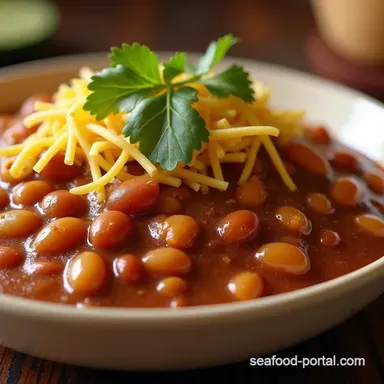
The Secret to Betterthantherestaurant Refried Beans Using Canned
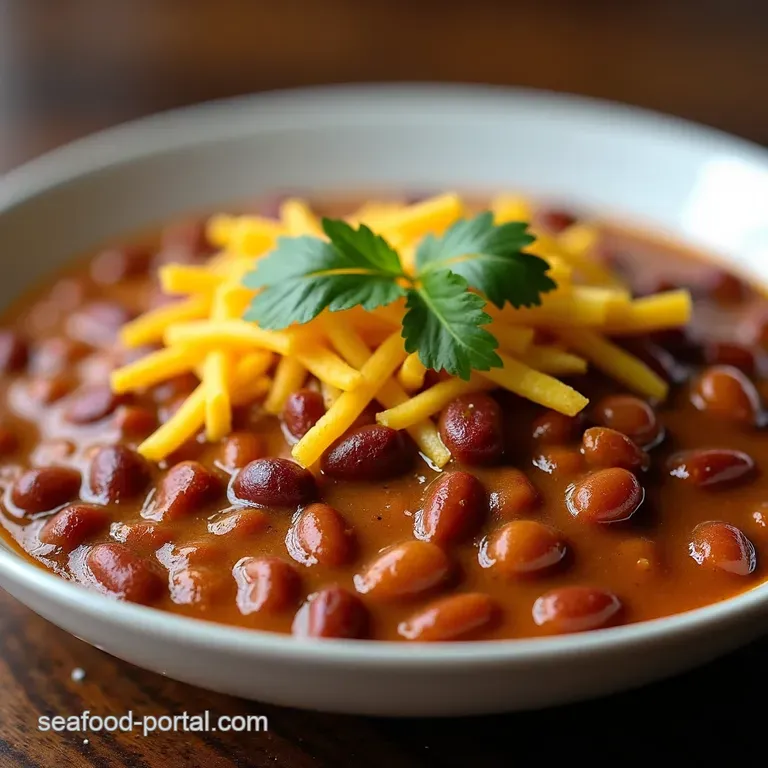
- Ditching the Dull: Unlocking Authentic Flavor in Canned Refried Beans
- Why This Shortcut Delivers True RestaurantStyle Refried Beans Quality
- Essential Components for Next-Level Refried Bean Elevation
- Mastering the Transformation: Step-by-Step Method
- Beyond the Side Dish: Inspiring Ways to Use These Revamped Beans
- Troubleshooting and Storage Secrets for Leftover Excellence
- Frequently Asked Questions
- 📝 Recipe Card
Ditching the Dull: Unlocking Authentic Flavor in Canned Refried Beans
Let's be honest: the standard, beige smear of canned refried beans languishing in the pantry aisle rarely inspires culinary excitement. They often taste flat, overly salty, or strangely gummy.
However, those same humble cans hold the potential for something truly spectacular, the rich, velvety, flavour-packed RestaurantStyle Refried Beans you encounter at your favourite bustling taqueria.
The beauty of this approach is efficiency; we are using a pre-cooked base to bypass hours of soaking and slow simmering, yet we apply professional techniques to build deep, authentic flavour profiles. Prepare to transform that pantry staple into a show-stopping side dish that rivals any scratch-made batch.
Why This Shortcut Delivers True RestaurantStyle Refried Beans Quality
The goal isn't just to heat up beans; it's to re-engineer their texture and layer in complexity that commercial canning processes often strip away. We are focusing on the three pillars of great Refried Beans From Scratch : superior fat, aromatic depth, and precise textural control.
By focusing on these elements, we achieve results that land firmly in the category of the Best Refried Beans Recipe achievable in under 30 minutes.
Setting the Stage: From Pantry Staple to Culinary Star
We are beginning this journey with a 16-ounce can of good-quality pinto or black refried beans. This immediately positions the process within the realm of quick, achievable home cooking, making this Restaurant Style Refried Beans Recipe perfect for weeknights.
The initial cooking phase is crucial: we are not just reheating the beans; we are introducing fresh, vibrant elements, onion, garlic, and spices, and allowing them to cook down and infuse the existing bean paste before any liquid is added.
This foundational step ensures every bite carries a layer of savoury flavour that canned beans alone simply lack.
The Secret to Creaminess Without the All-Day Soak
When you see Authentic Refried Beans in a high-end setting, you notice their texture: smooth, creamy, yet substantial enough to hold a dollop of crema without running thin. In this method, the texture is managed in two stages.
First, the initial sautéing of aromatics creates a flavourful fat that coats the bean particles. Second, the aggressive mashing while they simmer allows us to manually break down any lingering structural integrity in the pre-cooked beans, releasing starches and creating a natural emulsification.
This aggressive textural refinement is what separates mediocre home beans from stellar Mexican Side Dishes .
Understanding the 'Cheat' vs. Authentic Flavor Profile
The authentic, time-intensive process involves cooking dried beans until tender, then frying them in lard until they absorb the fat and concentrate their flavour, a true 'refry.' Our shortcut mimics this flavour transfer.
By starting with lard or bacon fat and blooming spices like cumin and smoked paprika directly in that fat, we are essentially fast-forwarding the flavour infusion. This results in a profile that is deeply savoury and smoky, mirroring the depth achieved through hours of slow cooking, making these some of the most satisfying Latin Food Recipes you’ll ever try.
Essential Components for Next-Level Refried Bean Elevation
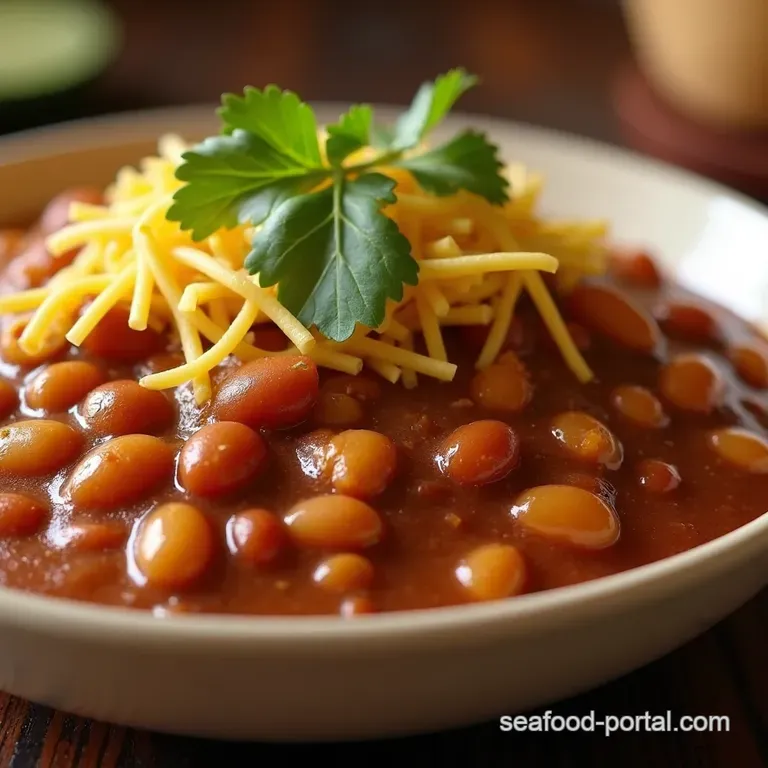
To successfully execute this flavour transformation, specific ingredients and tools are non-negotiable. We aren't just tossing things into a pot; we are applying specific culinary principles to guarantee a luxurious finish.
Sourcing Superior Bases and Flavor Boosters
The foundation of flavour rests on what you choose to sauté before adding the main ingredient. While you might be tempted to skip the onions or use powdered garlic, resist that urge.
Freshly minced garlic and finely diced onion, when sweated properly, release sugars and aromatic compounds that cannot be replicated by dry substitutes, elevating your Homemade Refried Beans .
The Humble Bean Base: Choosing Your Canned Starter
When selecting your can, look for pinto beans as the traditional choice, though black beans work excellently if you prefer an earthier flavour. If possible, opt for brands that list fewer preservatives or offer a lower sodium count, as this allows you the control to add salt precisely to your taste during the seasoning phase, rather than relying on the high sodium levels often present in pre-seasoned options.
Fat Matters: Selecting the Right Medium for Sautéing Aromatics
This is where traditional authenticity shines through. While vegetable oil will work if you are strictly vegetarian, true depth in these Restaurant Style Refried Beans comes from rendered animal fat.
Two tablespoons of lard or reserved bacon fat offer an unparalleled richness and mouthfeel that binds the spices and the beans together beautifully. This fat selection is central to achieving that signature taqueria taste.
Spice Alchemy: Building Depth Beyond Salt and Pepper
Beyond the standard salt and pepper, we introduce two key players: ground cumin and smoked paprika. Cumin provides the earthy warmth fundamental to Mexican cooking, while smoked paprika lends a subtle smokiness that implies long, slow cooking, adding that crucial layer of complexity that makes people ask if you made these Refried Beans From Scratch .
Must-Have Kitchen Gear for Optimal Texture Transformation
A medium, heavy-bottomed saucepan is highly recommended, as it distributes heat evenly, minimizing the chance of the paste sticking and burning on the bottom, a common pitfall when cooking thick mixtures.
On top of that,, you will need a sturdy wooden spoon or a metal potato masher reserved specifically for the mashing phase; this physical manipulation is your primary tool for achieving velvety perfection.
Related Recipes Worth Trying
- Restaurant Refried Beans How To Make Canned Refried Taste Amazing — Transform canned refried beans into a restaurantworthy side Learn how to make canned refried beans taste like restaurant quality with this easy recipe Ready...
- Authentic Refried Beans Homemade My Secret to Creamy Goodness — Forget canned beans Make Authentic Refried Beans Homemade with my easy recipe Creamy smoky and perfect for tacos Get my tips for the best flavour
- PanFried Basa with Smoky Tomato Beans Weeknight Win — Flaky panfried basa meets smoky tomato bean magic This easy Mediterranean recipe is a healthy quick weeknight dinner Get the recipe
Mastering the Transformation: step-by-step Method
This entire flavour boost takes about 25–30 minutes total, proving that gourmet flavour doesn't require an all-day commitment. The process moves swiftly from rendering fat to creating a fragrant aromatic base, before finally incorporating and refining the bean structure.
Phase One: Blooming the Aromatics in Fat
Begin by heating your chosen fat, lard, bacon fat, or oil, in your saucepan over medium heat. Once the fat shimmers slightly, introduce the finely diced yellow onion. Cook these gently for about 4 to 5 minutes, stirring occasionally, until they become completely soft and translucent; they should look floppy and sweet, not browned or caramelized.
Next, add your minced fresh garlic, the teaspoon of smoked paprika, and the half-teaspoon of ground cumin. Stir continuously for only 30 to 60 seconds until the spices become incredibly fragrant.
This brief period of toasting the spices in the hot fat, often called blooming, is essential for unlocking their full aromatic potential.
The Crucial Mashing Technique: Texture Control Points
Once the aromatics are fragrant, scrape the entire contents of the canned refried beans into the pan. Stir vigorously to fully coat the bean mass in the seasoned fat. Now, pour in about a half-cup of warm chicken or vegetable broth, warming the liquid slightly prevents shocking the pan and aids in smoother integration.
Bring this mixture just to a gentle simmer. Once simmering, reduce the heat to low. This is the moment for texture control: using the back of your sturdy spoon or a potato masher, begin to mash the beans directly in the pan.
Apply firm, deliberate pressure to break down any remaining clumps until the texture is uniform and creamy.
Simmering to Saturation: Integrating Liquids for Richness
Continue to simmer gently, stirring often to prevent sticking, for about 5 minutes. The mixture will thicken as it heats and the starches activate. If, at any point, the beans look too stiff or gluey, thin them out by adding water or broth one tablespoon at a time, stirring well after each addition until you achieve a consistency that is moist and easily spreadable.
The Final Fold: Whipping in Dairy for the Signature Finish
For that extra decadent restaurant mouthfeel, stir in a quarter-cup of shredded Monterey Jack or Queso Oaxaca cheese during the final minute of cooking. Stir constantly until the cheese has melted completely, lending a pleasant pull and extra richness to the final product.
Taste and adjust seasoning with salt and freshly ground black pepper. The resulting Restaurant Style Refried Beans should be smooth, glossy, and wonderfully rich.
Beyond the Side Dish: Inspiring Ways to Use These Revamped Beans
While these beans are certainly spectacular served simply alongside rice and salsa, their superior texture and deep flavour profile make them incredibly versatile additions to a wide array of Latin Food Recipes .
Their creaminess means they spread without tearing tortillas or compromising structural integrity.
Creative Applications: Recipes That Demand Superior Refried Beans
Consider using this mix as the foundational layer in layered dips, where a superior base prevents the whole structure from becoming watery. They are the perfect filling for crunchy tacos or rich, cheesy enchiladas that require a robust interior.
Even better, use a generous smear on toasted French bread, top with cotija cheese and pickled jalapeños for a surprisingly gourmet quick lunch. If you happen to own an Refried Beans Instant Pot for future bean cooking, these flavor-boosting techniques can still be applied to store-bought bases for guaranteed success.
Troubleshooting and Storage Secrets for Leftover Excellence
Even the best batches sometimes need minor adjustments, and knowing how to store leftovers correctly ensures you maintain that just-made quality.
Adjusting Consistency: How to Fix Beans That Are Too Thick or Too Thin
If your beans stiffen up significantly upon standing or cooling, they are too thick. To revive them, return them to low heat and whisk in small splashes (one tablespoon at a time) of warm water or broth until the desired spreadable consistency returns.
If, however, they remain too loose after simmering, continue cooking them uncovered over low heat, stirring frequently, to allow excess moisture to evaporate until they achieve the correct density.
Flavor Fortification: Optional Add-Ins for Extra Oomph
If you taste the final product and feel it’s still missing a certain je ne sais quoi , consider stirring in a teaspoon of adobo sauce from a can of chipotles for smoky heat, or a small splash of lime juice right at the very end to brighten all the savory notes.
A touch of finely chopped fresh cilantro stirred in just before serving also adds a burst of freshness to the rich texture.
Proper Preservation: Keeping the Flavor Fresh for Days
To store leftovers, let the beans cool slightly before transferring them to an airtight container. Refrigerated, these Homemade Refried Beans will maintain excellent quality for up to four days.
When reheating, always do so slowly on the stovetop with a little added moisture (water or milk) to restore their signature velvety texture, ensuring that the flavour remains vibrant and the consistency is perfect for your next meal.
Frequently Asked Questions
Why are my canned refried beans so bland compared to Restaurant-Style Refried Beans?
Canned versions often lack the essential flavour builders that restaurants use, primarily rendered fat (like lard) and freshly sautéed aromatics. Our recipe fixes this by blooming spices like cumin and paprika in hot fat, which releases massive amounts of flavour right before mixing in the beans.
It’s the difference between a flat drawing and a vibrant painting!
Can I make these Restaurant-Style Refried Beans vegetarian or vegan?
Absolutely! The key is replacing the lard or bacon fat, which adds traditional depth. Simply substitute the fat base with a neutral cooking oil, like avocado or sunflower oil. For an extra umami punch to mimic that meaty flavour, stir in a tablespoon of nutritional yeast right at the end with your final seasonings.
My beans are too thick after cooking; how do I get that perfect, creamy texture?
If your beans stiffen up while simmering, they just need a bit of moisture replenishment, much like a sponge drying out. Slowly whisk in warm water or milk, one tablespoon at a time, until you reach that perfect, spreadable consistency.
Remember, they will thicken slightly as they cool, so aim for slightly looser than you think you need.
How long can I store leftovers, and how should I reheat them properly?
Stored in an airtight container in the fridge, these beans will keep happily for up to 4 days, perfect for quick lunches. When reheating, treat them like a stew: use low to medium heat on the stovetop, stirring often, and definitely add a splash of broth or water to loosen them up again so they don't become dry or pasty.
What is the secret ingredient that makes restaurant beans taste so rich?
While the combination of sautéed onion, garlic, and good quality smoked paprika is crucial, the richness often comes from the fat used and sometimes a bit of cheese. If you’re not vegetarian, using lard delivers an authentic, deep, savoury undertone.
If you are vegan, incorporating high-quality cheese substitutes or extra avocado oil helps carry that richness.
Best Restaurant Style Refried Beans Recipe Using Canned