Pan-Seared Salmon with Honey Glaze
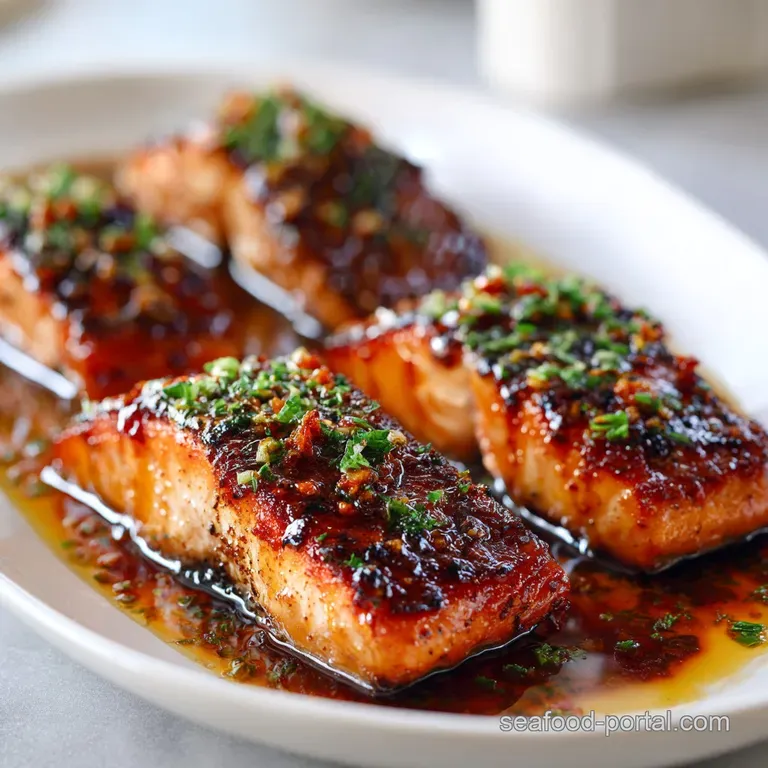
- Time: Active 5 mins, Passive 10 mins, Total 15 mins
- Flavor/Texture Hook: Sticky sweet glaze meets crackling skin
- Perfect for: High speed weeknight dinners or impressing a date
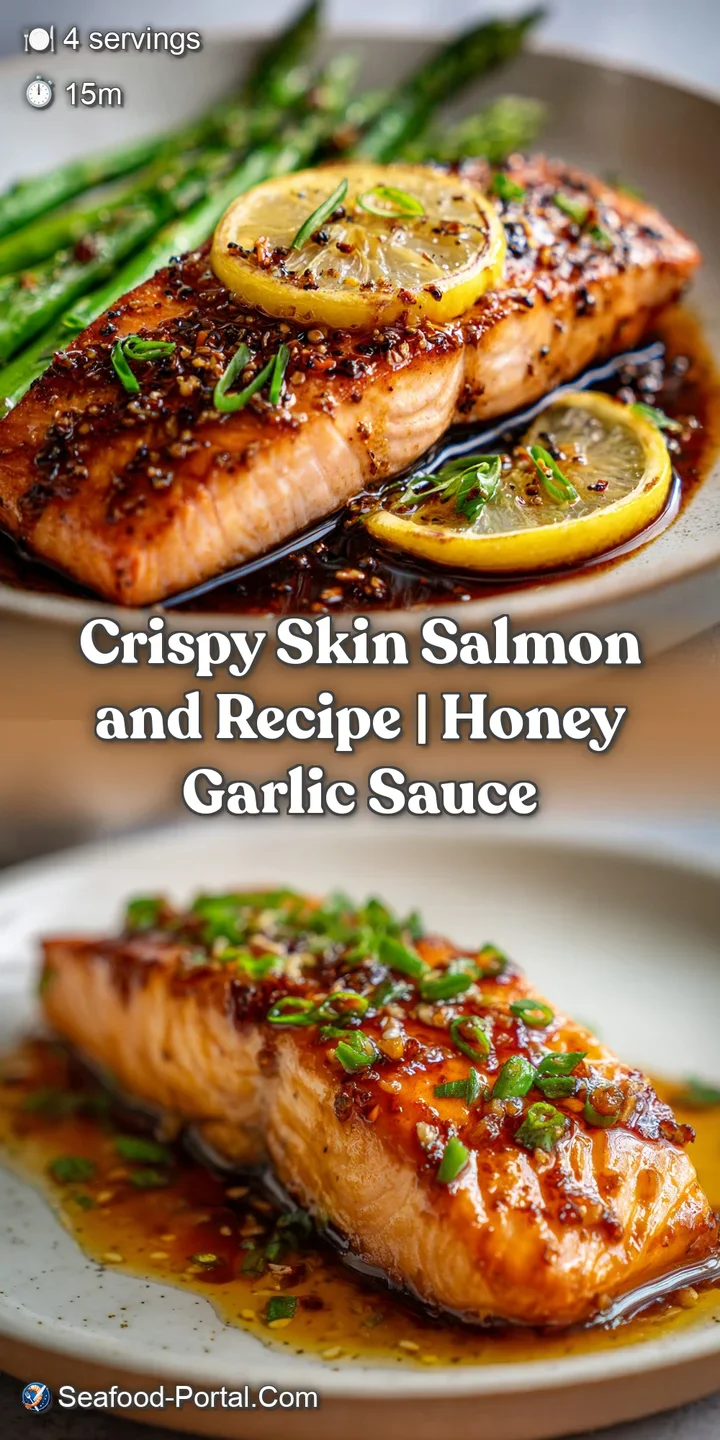
- Quick Honey Garlic Pan Seared Salmon and Recipe
- The Science of the Sizzle
- Precise Cooking Times and Specs
- Analysis of Every Key Ingredient
- Necessary Kitchen Tools for Success
- Mastering the Step by Step Method
- Troubleshooting Common Cooking Mistakes
- Smart Ingredient Swaps and Variations
- Storage and Reducing Kitchen Waste
- Plating for a Professional Look
- Salmon Recipe FAQs
- 📝 Recipe Card
Quick Honey Garlic Pan Seared Salmon and Recipe
Picture this: it is a Tuesday night, you are starving, and the thought of another bland chicken breast makes you want to order takeout. I have been there more times than I care to admit. Then I remembered the first time I actually got a salmon fillet right.
I used to be terrified of overcooking it, so I would pull it off the heat while it was still cold in the middle, or worse, I would leave it until it was a dry, chalky brick.
The turning point was when I stopped treating the fish like a delicate flower and started treating it like a steak. The moment that salmon hit the shimmering oil, the hiss was so loud it echoed off the tile.
As the honey began to bubble and darken into a deep amber, the kitchen filled with the scent of toasted garlic and bright lemon. It was a sensory overload in the best way possible. That was the night I realized that great food is not about complexity, it is about the physics of heat and the balance of flavors.
We are going to walk through this together so you never have to settle for soggy skin again. This specific honey garlic version is my absolute favorite because it hits every single taste bud.
You get the punch of the soy, the floral sweetness of the raw honey, and that hit of smoked paprika that makes everything feel a bit more sophisticated. Trust me, once you hear that skin shatter under your fork, you will never go back to the basic baked version.
The Science of the Sizzle
The Maillard Reaction: High heat transforms the proteins and sugars on the salmon surface into hundreds of different flavor compounds. This creates the golden brown crust and savory depth that raw or steamed fish simply lacks.
Fat In-Water Emulsion: Whisking cold butter into the warm honey and lemon juice creates a stable, silky sauce. The milk solids in the butter bind the liquids together, preventing the honey from becoming a sticky, separated mess.
Protein Denaturation: Cooking the salmon just until the flakes start to separate ensures the internal moisture stays trapped. If you go too far, the muscle fibers tighten and squeeze out all the juices, leaving you with that white "albumin" on the surface.
| Cooking Method | Total Time | Texture | Best For |
|---|---|---|---|
| over High heat Pan Sear | 10 mins | Crispy skin, tender flesh | Weeknight speed and maximum flavor |
| Low Temp Poaching | 20 mins | Silky, uniform, no crust | Cold salads or delicate presentations |
| Slow Oven Roasting | 25 mins | Edge to edge pink, very juicy | Meal prep for large groups |
This method focuses on the over high heat sear because it offers the most texture contrast. If you are looking for something with a bit more acidity to cut through the fat, you might enjoy my Salmon with Herb recipe which uses a different temperature profile to keep the herbs fresh.
Precise Cooking Times and Specs
Getting the timing right is the difference between a meal you remember and one you just eat. I use three specific checkpoints to make sure I am on track. First, I look for a weight of exactly 6 oz per fillet; this ensures they cook at the same rate.
Second, I set my timer for 15 minutes total, which includes my prep. Third, I always aim for an internal temperature of 145°F, though I usually pull the fish at 135°F and let carryover cooking do the rest.
| Factor | Fast Method (This Recipe) | Classic Slow Method |
|---|---|---|
| Prep Time | 5 minutes | 15 minutes |
| Heat Source | Stovetop (Cast Iron) | Oven (325°F) |
| Texture Focus | Shattering, crispy skin | Uniformly soft and buttery |
You want to make sure your pan is truly hot before the fish goes in. If the oil is not shimmering, the skin will stick, and you will lose that beautiful crust when you try to flip it. It is a mistake I made for years until a chef friend told me to wait until the oil almost reached its smoke point.
Analysis of Every Key Ingredient
The success of this dish relies on how these specific elements interact under heat. We are not just tossing things in a pan, we are building a structure of flavor. For instance, using avocado oil instead of olive oil is a deliberate choice because it has a much higher smoke point, allowing us to get that sear without filling the kitchen with acrid smoke.
| Ingredient | Science Role | Pro Secret |
|---|---|---|
| Salmon (Skin on) | Provides structure and fat | Pat the skin bone dry with paper towels for 3 minutes before cooking. |
| Raw Honey | Acts as the primary glazing agent | Add it late in the process to prevent the sugars from burning too quickly. |
| Cold Butter | Stabilizes the final sauce | Cubing it while cold ensures it melts slowly, creating a better emulsion. |
| Fresh Lemon | Breaks down connective tissue | Use the juice to deglaze the pan and pick up the savory bits (fond). |
Between the honey and the soy, we are creating a classic sweet and salty base. But the lemon juice is what actually makes the dish work. Without that acid, the honey would feel cloying and heavy. The acid cuts through the richness of the salmon fat, making every bite feel light and balanced.
Necessary Kitchen Tools for Success
You do not need a professional kitchen, but a few specific tools make this much easier. A heavy bottomed pan, like a 12 inch cast iron skillet, is my go to. It holds heat better than thin stainless steel, which means the temperature won't drop the second you add the cold fish.
- Cast Iron Skillet: Essential for that even, over high heat crust.
- Fish Spatula: This is a thin, flexible metal spatula that lets you get under the skin without tearing it.
- Paper Towels: My secret weapon for the driest skin possible.
- Microplane: For mincing the garlic so finely it practically melts into the sauce.
If you don't have a cast iron pan, a high-quality non stick will work, but you won't get quite the same level of browning. Just avoid using a crowded pan. If the fillets are touching, they will steam instead of sear, and you'll end up with grey, rubbery skin.
Mastering the step-by-step Method
- Prep the fish. Pat 4 (6 oz) Salmon Fillets completely dry with paper towels. Note: Moisture is the enemy of a good sear.
- Season thoroughly. Rub 1 tsp Kosher Salt, 1/2 tsp Cracked Black Pepper, and 1/2 tsp Smoked Paprika onto the flesh side.
- Heat the oil. Add 2 tbsp Avocado Oil to the skillet over medium high heat until it shimmers and wisps of smoke appear.
- Sear skin side down. Place the fillets in the pan, pressing gently with a spatula. Cook 5 minutes until the skin is golden and shatters when touched.
- Flip carefully. Turn the fillets over. Cook 2 to 3 minutes until the sides look opaque and the center is slightly pink.
- Clear a space. Push the salmon to the edges of the pan and reduce heat to medium.
- Build the base. Add 4 cloves minced Garlic to the center. Sauté 30 seconds until fragrant but not brown.
- Deglaze the pan. Pour in 1/3 cup Raw Honey, 3 tbsp Fresh Lemon Juice, and 1 tbsp Low Sodium Soy Sauce.
- Emulsify the sauce. Add 2 tbsp Cold Unsalted Butter. Whisk the liquid around the fish until the sauce is thick and velvety.
- Baste and finish. Spoon the bubbling glaze over the salmon for 1 minute. Remove from heat immediately to prevent overcooking.
This technique is very similar to my favorite Pan Seared Salmon recipe which focuses heavily on the timing of the flip. Once you master this movement, you can apply it to almost any protein in your kitchen.
Troubleshooting Common Cooking Mistakes
Why Your Salmon Skin Sticks
The most common reason skin sticks is "pan panic." You try to flip the fish too early because you are worried it is burning. If the skin is properly seared, it will naturally release from the pan. If you feel resistance, give it another 30 seconds.
The proteins need time to finish the Maillard reaction before they let go of the metal.
Why the Garlic Tastes Bitter
Garlic burns in a heartbeat, especially in a hot skillet. If you add it at the beginning with the fish, it will be charcoal by the time the salmon is done. Always add the garlic right before the liquids.
The honey and lemon juice will instantly drop the temperature of the pan, protecting the garlic while it infuses the sauce.
| Problem | Root Cause | Solution |
|---|---|---|
| White "goo" on fish | Overcooking | Pull the fish at 135°F; it will reach 145°F while resting. |
| Soggy skin | Excess moisture | Press the fish with a spatula for the first 60 seconds of searing. |
| Broken sauce | Heat was too high | Take the pan off the burner before whisking in the cold butter. |
Common Mistakes Checklist
- ✓ Never put cold fish directly into the pan; let it sit at room temperature for 15 minutes.
- ✓ Don't use a lid; it traps steam and ruins the crispy skin.
- ✓ Avoid moving the fillets once they hit the oil; let them sit undisturbed.
- ✓ Use a thermometer to check the thickest part of the fillet.
- ✓ Ensure the butter is truly cold when it hits the pan for a better emulsion.
Smart Ingredient Swaps and Variations
I know that sometimes the pantry is bare, or you want to change things up for a specific diet. This recipe is quite forgiving as long as you keep the balance of sweet, salty, and acidic.
For a "Garlic Butter Sheet Pan Salmon" vibe, you can actually double the sauce and toss some asparagus or green beans in it before roasting, though you will lose that specific pan seared crunch.
| Original Ingredient | Substitute | Why It Works |
|---|---|---|
| Raw Honey | Maple Syrup | Same sugar density. Note: Adds a woodsy, smoky flavor profile. |
| Avocado Oil | Ghee (Clarified Butter) | High smoke point with a rich, nutty aroma. |
| Low Sodium Soy Sauce | Tamari | Keeps the umami depth but makes the dish 100% gluten-free. |
Decision Shortcut If you want a Spicy Kick: Add 1 tsp of red chili flakes to the honey glaze. If you want a Keto Swap: Use a brown sugar monkfruit substitute instead of honey.
If you want Creamy Lemon Butter Garlic Salmon: Stir in 2 tbsp of heavy cream right after the butter melts.
Storage and Reducing Kitchen Waste
Salmon is definitely best eaten right away, but if you have leftovers, they can stay in the fridge for up to 2 days in an airtight container. When reheating, avoid the microwave at all costs unless you want rubbery fish. Instead, put the salmon in a cold pan with a splash of water, cover it, and heat it on low.
This steams the fish gently without drying out the flakes.
I am a big believer in zero waste. If you have leftover skin that has gone soft, peel it off and fry it in a little oil until it becomes a "salmon crackling" to top a salad. Also, don't throw away those lemon rinds.
Throw them into a jar of white vinegar for a week, and you have a natural, fresh scented kitchen cleaner. If the fillets had bones, you can freeze those scraps to make a quick seafood stock for a future risotto.
Plating for a Professional Look
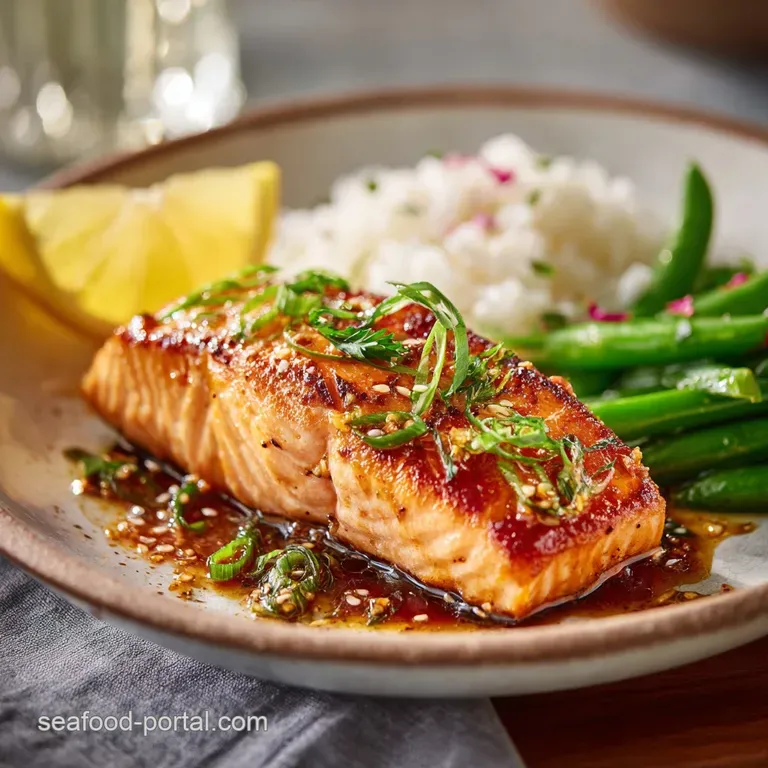
To make this look like it came from a high end bistro, I like to plate the salmon on a bed of something simple, like jasmine rice or sautéed spinach, which can soak up that extra honey garlic glaze.
Always place the fillet skin side up or slightly propped up so the sauce doesn't make the crispy skin soggy before it hits the table.
Finish with a heavy sprinkle of fresh parsley or chives. The green against the amber glaze is stunning. I also love to add a few charred lemon slices to the plate. Just toss the lemon rounds into the pan for the last 30 seconds of cooking.
It looks intentional and sophisticated, plus it gives your guests an extra burst of fresh acid if they want it. Honestly, just having that bubbling sauce pooled around the base of the fish is usually enough to make everyone's jaw drop. Enjoy your meal!
Salmon Recipe FAQs
What is the tastiest way to cook salmon?
Pan-searing for crispy skin. The best flavor comes from achieving a dramatic texture contrast between a shattering, crisp exterior and a moist, flaky interior. This is best achieved using high heat in a heavy skillet, similar to how we achieve the crust in the Pan Seared Salmon recipe.
What does Gordon Ramsay put on his salmon?
Often, a rich butter sauce with fresh herbs and acid. Ramsay frequently employs techniques that build flavor rapidly, like searing the skin hard and then creating a quick buerre blanc or pan sauce with lemon juice, fresh herbs like thyme, and emulsified butter.
What's a good meal with salmon?
A bright, slightly acidic sauce or creamy vegetable side. A light pairing cuts through the richness of the fish beautifully, such as roasted asparagus or creamy mashed potatoes. For an instantly elevated dish, try serving it with the Creamy Sauce for Salmon recipe.
How to ensure salmon skin gets crispy?
Pat the skin completely dry and use extremely hot oil. Moisture creates steam, which prevents the skin from searing; use paper towels liberally before seasoning. You must also ensure the oil is shimmering before the fish touches the pan so the searing process begins instantly.
What is the secret to keeping salmon from drying out?
Pull the fish off the heat before it reaches the desired final temperature. Aim to remove the salmon when it reads 135°F internally; carryover cooking will bring it safely to the recommended 145°F while resting. If you master the temperature control here, you'll find the same principle applies when cooking delicate proteins in recipes like The Posh Fishcake recipe.
Is it true that you must use fresh salmon for the best results?
No, properly frozen and thawed salmon performs excellently. Commercial freezing techniques are very good at preserving texture, especially if the salmon was flash frozen immediately after catching. Thaw it slowly in the refrigerator overnight to minimize cellular damage and moisture loss.
How to make a pan sauce that doesn't break or separate?
Whisk in cold, cubed butter off the heat to create a stable emulsion. The rapid cooling slows the melting process, allowing the milk solids in the butter to bind evenly with the liquid (like lemon juice or wine) without splitting. This technique ensures a silky mouthfeel for your glaze.
Quick Pan Seared Salmon
Ingredients:
Instructions:
Nutrition Facts:
| Calories | 561 kcal |
|---|---|
| Protein | 35.1 g |
| Fat | 34.2 g |
| Carbs | 26.4 g |
| Fiber | 0.3 g |
| Sugar | 23.8 g |
| Sodium | 718 mg |
