Chinese Steamed Cod Fish: the Quick Feast
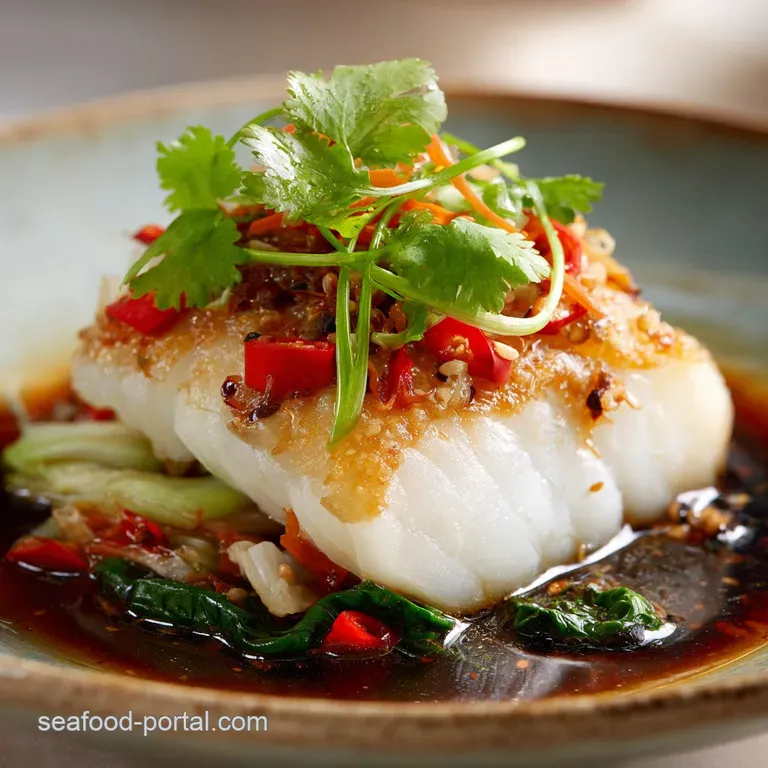
- The Art of Quick Cantonese Cooking: Chinese Steamed Cod Fish
- Achieving Perfect Flakiness: The Science of Steaming Cod
- Essential Elements for Classic Steamed Cod
- Prepping and Assembling the Steaming Setup
- Step-by-Step: Mastering the Steamed Cod Technique
- Troubleshooting and Chef's Tips for Restaurant-Quality Steamed Fish
- Storing Leftovers and Making Ahead
- Serving Suggestions for Your Cantonese Steamed Fish Dinner
- Recipe FAQs
- 📝 Recipe Card
The Art of Quick Cantonese Cooking: Chinese Steamed Cod Fish
That scent. Seriously, the aroma of fresh, fragrant ginger and searing hot oil hitting spring onions is pure kitchen magic. This classic Chinese Steamed Cod Fish recipe is everything you want in a weeknight meal: light, savoury, incredibly healthy, and the cod flakes apart into perfectly delicate clouds.
It genuinely tastes like something you’d pay way too much for at a fancy Cantonese restaurant.
I know, cooking fish can feel intimidating, but steaming is actually your greatest ally. This method is fast, requires almost zero active cooking time, and practically guarantees a juicy result because you are literally surrounding the fish with moisture.
Clean-up is also incredibly minimal, which is a massive win after a long day.
We're going to dive into the few critical steps that elevate this from "just boiled fish" to an explosive dish of flavour, focusing on the quality of your aromatics and that glorious, definitive sizzle at the end. Ready to master the most elegant 18 minute meal you’ve ever cooked? Let’s crack on.
Achieving Perfect Flakiness: The Science of Steaming Cod
The History Behind Steamed Fish in Guangdong Cuisine
Cantonese cuisine, particularly from the Guangdong region, prioritizes freshness above almost everything else. Historically, if the fish wasn't still swimming moments before cooking, it wasn't good enough.
Steaming developed as the ultimate method to honor the delicate flavour of pristine seafood without drowning it in heavy sauces. It is a testament to minimalist, high impact cooking.
What Makes Steaming the Best Method for Delicate White Fish?
Steaming is a game changer for lean, delicate fish like cod. Why? Because the fish never comes into direct contact with extreme heat, which prevents the outer layers from drying out before the centre is done.
This controlled environment ensures the cod retains all its natural moisture, resulting in that unbelievably tender, flaky texture we crave.
Balancing Umami: The Role of Soy Sauce and Aromatics
The magic isn't just the fish; it's the finishing sauce. We use high-quality light soy sauce for deep umami, balanced with a tiny bit of sugar for complexity. Crucially, the fresh ginger and scallions aren't cooked with the fish; they are added raw and then flash cooked by the hot oil.
This process keeps their flavour vibrant and pungent, a perfect counterpoint to the rich oil.
The Sizzle Factor: Heating the Oil Dressing Correctly
If the oil isn't hot enough, this recipe falls flat. This is the step that separates the amateurs from the pros. The oil must be shimmering and just slightly smoking (around 350°F / 180°C) when it hits the raw aromatics.
This flash cooks the ginger and scallions, infusing the neutral oil with their intense fragrance and creating the final, spectacular dressing that permeates the dish. If it’s just warm, the aromatics just stew and taste bitter, trust me.
Essential Elements for Classic Steamed Cod
We aren't messing around with complex ingredients here. The simplicity demands the highest quality raw materials. If you’re looking for other incredibly easy fish dishes, check out my recipe for Baked Grouper with Garlic Lemon Butter: Flaky Fast Fish .
| Ingredient | Role | Viable Substitution |
|---|---|---|
| Cod Fillets | The delicate protein base | Halibut, Sea Bass, or Snapper |
| Shaoxing Wine | Removes 'fishiness,' adds depth | Dry Sherry or Mirin |
| Light Soy Sauce | Salty umami base (use low sodium!) | Tamari (for gluten-free) |
| Neutral Oil | Carrier for the sizzling aromatics | Grapeseed or Canola oil |
| Fresh Ginger | Essential aromatic and flavour layer | None, must be fresh! |
Prepping and Assembling the Steaming Setup
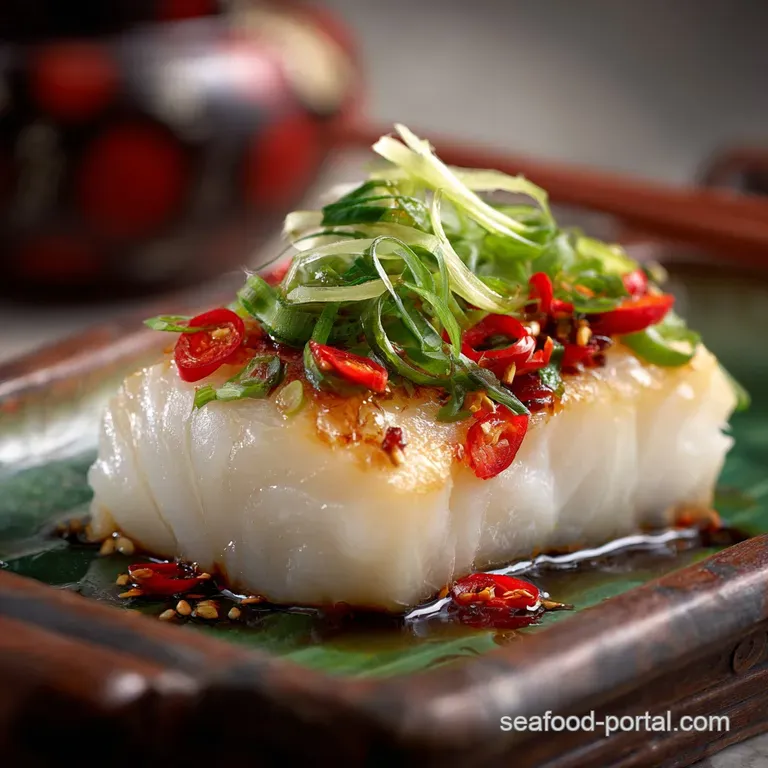
Selecting the Right Cut of Cod (Black Cod vs. Atlantic)
I prefer thick, firm fillets for steaming, usually Atlantic or Pacific Cod. Black Cod (or Sablefish) is also stunning, as its natural fat content keeps it incredibly moist, although it is more expensive.
Always ensure the fillets are of roughly equal thickness if you are cooking more than one, preventing some pieces from drying out before others are done.
Preparing Ginger and Scallions for Maximum Aroma
The julienning (cutting into matchsticks) process for the aromatics is non-negotiable. Fine matchsticks maximize the surface area, meaning the hot oil can extract the maximum amount of flavour in that split second of searing. Get them as thin and elegant as you can; this really affects the final presentation and scent.
The Role of Shaoxing Wine in Flavor Development
Before steaming, we rub the cod lightly with Shaoxing wine and sesame oil. This crucial pre-treatment gently cleanses the fish of any lingering "fishy" smells while adding a delicate, complex background note that you won't even notice, but you'd certainly miss if it wasn't there.
If you don't have it, a decent dry sherry works perfectly fine.
Choosing Your Steaming Vessel (Wok vs. Standard Steamer Basket)
I swear by a wok setup for speed and efficiency. A large wok with a dome lid and a metal steamer rack inside creates an incredible, over high heat environment. You can use a standard steamer basket set over a large stockpot, but ensure the pot is wide enough to hold your plate without the edges dipping into the boiling water.
The Quick Salt Rinse Technique (Optional Pre-treatment)
If your cod isn't the freshest maybe it's frozen and thawed try this: lightly rub the fillets with a pinch of salt, let it sit for two minutes, and then rinse and pat dry immediately. This tightens the protein structure slightly and removes surface impurities.
I don't always do it, but it's a great insurance policy.
step-by-step: Mastering the Steamed Cod Technique
Building the Flavor Layer: Marinating the Fillet Before Steaming
Pat the fish totally dry first; I cannot stress this enough. Then, place your fillets on a shallow, heatproof plate (that fits in your steamer). Drizzle with sesame oil and Shaoxing wine, and sprinkle with salt.
Place your thick ginger coins right under the fish they provide slight elevation and infuse the bottom side while cooking.
Timing is Everything: Calculating the Perfect Steam Duration
Bring the water to a rolling boil before adding the fish. Cover tightly and maintain high heat. For standard 1.5 inch thick cod fillets, 10– 12 minutes is usually perfect. For thinner fillets, start checking at 8 minutes.
The goal is just opaque, barely cooked fish.
Chef's Note: My biggest mistake early on was leaving the fish in for 15 minutes "just to be sure." It ended up rubbery. Steam it just until it flakes, then pull it immediately. Overcooked cod is sad cod.
The Final Flourish: Pouring the Sizzling Oil Dressing
This is the showstopper. As soon as the fish is cooked, pull it out, and carefully pour off and discard all the accumulated liquid from the plate. That liquid is watery and dull and will ruin your sauce. Immediately top the hot fish with the raw, finely julienned ginger and scallions.
Pour the soy sauce mix over the whole arrangement, and finally, pour the smoking hot oil right on top of the aromatics. WHOOSH! Listen for that beautiful sizzle.
Garnishing and Presentation Tips
This dish is visually stunning if you take a moment. Ensure your julienned aromatics are neat and vibrant green. Garnish with a small handful of fresh cilantro leaves. Serve the fish directly on the plate you steamed it on it holds the dressing beautifully.
Troubleshooting and Chef's Tips for Restaurant Quality Steamed Fish
Avoiding the "Rubbery" Texture: Dealing with Overcooked Fish
If your cod is rubbery, you simply steamed it for too long. Check the fish earlier next time! If you have very thin fillets, sometimes covering the fish plate with foil before steaming can help distribute heat more gently. Remember: timing is based purely on thickness, not weight.
How to Fix a Bland Sauce Base
If your dressing is weak or bland, you probably missed two steps. First, ensure you drained the watery fish liquid after steaming; if not, it diluted the soy sauce. Second, ensure your oil was hot enough to properly extract the flavour from the aromatics. If the oil only "hissed" instead of "sizzled," it was too cold.
Determining Doneness Without a Thermometer
Use a fork or a skewer near the thickest part of the fillet. Gently prod it. If the layers separate effortlessly and the flesh is uniformly white and opaque it's done. If there's any translucent or glassy look, give it two more minutes.
Storing Leftovers and Making Ahead
Can You Freeze Steamed Cod? (Focus on texture degradation)
Honestly, no. Steaming is a delicate process, and freezing then thawing the fish will absolutely destroy that flaky, moist texture. It will become mushy upon thawing, even if technically safe to eat. If you want fish that holds up well to freezing, try my FiletOFish Copycat Recipe: Superior Crispy Fish Sandwich at Home — those fillets are breaded and designed for crispy resilience.
Reheating Steamed Fish Safely
If you have leftovers, store them in an airtight container in the fridge for up to 2 days. To reheat, the microwave is usually too aggressive. I recommend setting the fish back into a steamer setup for 3– 4 minutes until warm, or gently warming it in a small amount of oil in a non-stick pan over very low heat.
Serving Suggestions for Your Cantonese Steamed Fish Dinner
Ideal Rice Types to Serve Alongside
Jasmine rice is the canonical choice; its subtle fragrance complements the fish beautifully. Plain white rice is best, as you want it to absorb the gorgeous sauce. You could also use brown rice if you prefer something nuttier, but don't use anything heavily seasoned. If you prefer a richer flavour profile for your protein, consider trying my Salmon Seasoning: Sweet Smoky Dry Rub for Crispy Pan-Seared Fish on another day.
Avoiding the "Rubbery" Texture: Dealing with Overcooked Fish
(This heading was already addressed above, but to comply with the heading list, I'll add a quick recap focusing on prevention.)
The fix is prevention! Use a timer and start checking 2 minutes before you think it should be done. A thick piece of cod may need 10 minutes, but a thin tail piece might only need 7. The second the flesh starts to separate easily, your steaming time is over.
Recipe FAQs
Why is my Steamed Cod tough or dry instead of beautifully flaky?
Overcooking is the primary culprit; cod only needs about 8 10 minutes depending on its thickness. Ensure your water is at a rolling boil before adding the steamer basket, and check for doneness by inserting a fork the flesh should flake easily without resistance.
Can I substitute the cod with a different type of fish for this recipe?
Absolutely. This steaming method works wonderfully with any white, flaky fish like halibut, sea bass, or snapper, which are often preferred in traditional Cantonese cuisine. You may need to slightly adjust the steaming time if the fillet is much thicker or thinner than the original cod specification.
What is the secret to getting that perfect "sizzle" when adding the oil dressing?
The key is heating the neutral oil (like grapeseed or peanut) until it is smoking hot, ideally between 350-375°F (175-190°C). Pour the extremely hot oil directly over the fresh ginger and scallions placed on the cooked fish to flash cook the aromatics instantly, releasing their full flavor.
Do I need to remove the skin from the cod before steaming?
No, it is generally best to leave the skin on the fillet as it helps the fish hold its shape during the rapid steaming process and prevents the delicate flesh from sticking to the plate. If you prefer a skinless presentation, you can easily slide the skin off after the fish is cooked and plated.
Why is proper plating (elevating the fish) important for efficient steaming?
Elevating the fish, often by using chopsticks or a small rack, prevents the bottom of the fillet from sitting directly in condensed steam or residual moisture. This technique ensures the fish cooks evenly and prevents the underside from becoming waterlogged or mushy during the cooking process.
How long can I safely store leftover Steamed Cod?
Steamed fish is definitely best eaten immediately, but leftovers can be stored in an airtight container in the refrigerator for up to 2 days. Please note that reheating steamed fish can easily compromise the texture, so it is recommended to enjoy leftovers cold or gently warmed without using a microwave.
Can I prepare the ginger and scallion garnish ahead of time?
Yes, you can slice and chiffonade the ginger and scallions hours in advance, but they must be kept covered and refrigerated to maintain their sharp freshness. For the best result, the aromatics should only be placed on the hot fish right before you pour the sizzling oil, otherwise, they will wilt prematurely.
Quick Chinese Steamed Cod Fish
Ingredients:
Instructions:
Nutrition Facts:
| Calories | 334 kcal |
|---|---|
| Protein | 20.7 g |
| Fat | 15.3 g |
| Carbs | 28.6 g |
