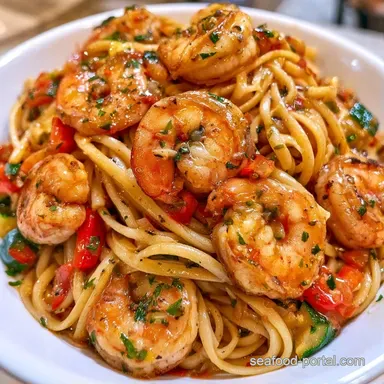
Garlic Shrimp Pasta with Vegetables in 30 Minutes
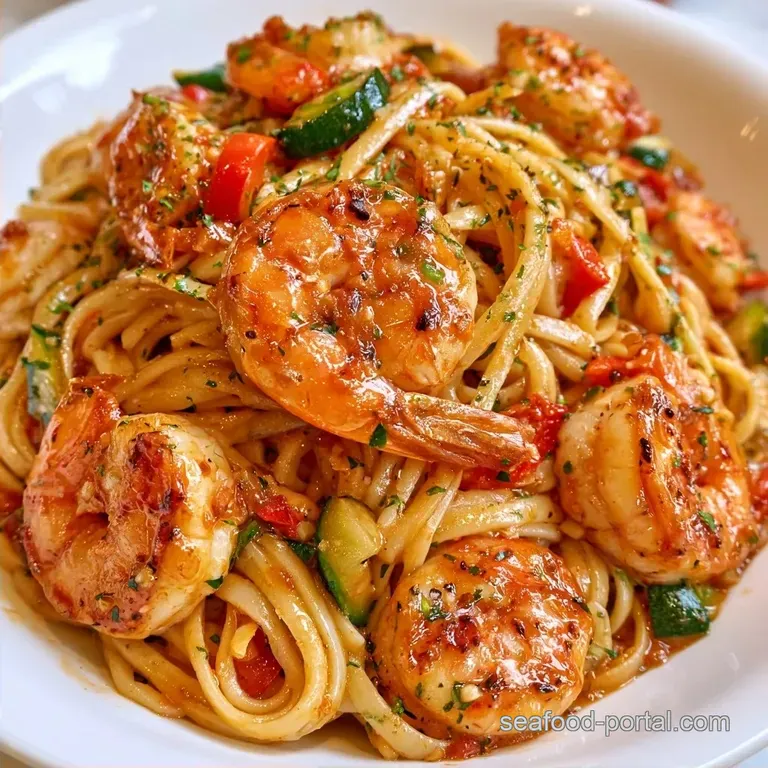
- Prep/Cook: 10 min active and 20 min cook
- Taste & Texture: Bright lemon garlic glaze with crisp-tender vegetables
- Ideal for: Wholesome weeknight meals or a simple date night
The aroma of sautéed garlic and a fresh squeeze of lemon always brings me back to my first apartment. I remember having only some frozen shrimp and a lonely zucchini, but I was determined to make something that didn't come from a microwave.
That improvised Tuesday night dinner surprisingly tasted like a professional restaurant meal.
I spent some time figuring out why shrimp pasta often turns into a soggy mess. The secret lies in the heat and the sequence; you can't simply dump every ingredient into one pot and hope for the best.
This Pasta with Shrimp and Vegetables Recipe relies on high heat and quick movements. The result is succulent shrimp, vegetables that maintain their snap, and a cohesive sauce rather than just oil floating on the noodles. It is a balanced, fresh dinner that feels effortless to prepare.
How the Flavors Bind
- Searing in Batches: Cooking shrimp in a single layer at high heat browns the exterior in 2 minutes. This creates a savory depth that you lose if you boil them with the pasta.
- Starch Emulsion: Reserved pasta water contains starch that acts as a bridge between the olive oil and the lemon juice. It stops the sauce from separating and helps it cling to the linguine.
- Staggered Veggies: Adding peppers and zucchini first ensures they soften but don't turn to mush before the garlic and tomatoes go in.
| Approach | Cook Time | Texture | Best For |
|---|---|---|---|
| Fast Sauté | 30 mins | Crisp & Bright | Weeknights |
| Classic Braise | 60 mins | Soft & Rich | Sunday Dinner |
The Component Breakdown
Understanding why we use these specific items helps when you're staring at a half empty fridge.
| Component | Purpose | Substitute Notes |
|---|---|---|
| Linguine | Provides a long surface for sauce | Spaghetti works; whole wheat adds a nuttier taste |
| Lemon Juice | Cuts through the fat and brightens shrimp | Lime juice adds a tropical twist |
| Parmesan | Adds salt and thickens the glaze | Pecorino Romano is saltier and sharper |
| Reserved Water | Binds the sauce | A pinch of flour in the oil is a last resort fix |
The Pantry List
Freshly squeezed lemon is much better than the bottled version; the scent is far more potent.
- 1 lb linguine Why this? Its flat shape is ideal for grabbing the sliced vegetables.
- 1 lb large shrimp, peeled and deveined Why this? They stay larger after cooking than small shrimp do.
- 2 tbsp extra virgin olive oil Why this? It handles the heat of the first sear better than butter.
- 1/2 tsp kosher salt
- 1 medium zucchini, sliced into half moons
- 1 red bell pepper, thinly sliced
- 1 cup cherry tomatoes, halved
- 3 cloves garlic, minced
- 1 small shallot, finely diced
- 1/4 cup fresh lemon juice
- 1/2 cup reserved pasta water
- 1/2 cup freshly grated Parmesan cheese
- 2 tbsp fresh parsley, chopped
- 1/2 tsp red pepper flakes
If you're missing any ingredients, refer to this chart for alternatives.
| Original Ingredient | Substitute | Why It Works |
|---|---|---|
| Red Bell Pepper | Yellow Pepper | Comparable crunch, slightly sweeter profile |
| Zucchini | Yellow Squash | Almost identical taste and texture |
| Linguine | Fettuccine | Similar width and starch release |
| Parmesan | Grana Padano | Similar salty, hard cheese flavor |
Essential Kitchen Tools
This Pasta with Shrimp and Vegetables Recipe is easy to prepare with basic gear. You only really need a large pot for the noodles and a wide skillet. I opt for a 12-inch stainless steel pan to ensure the shrimp have plenty of space to sear without overcrowding.
If you own a microplane, use it for the Parmesan. Pre-shredded cheese contains cornstarch, which can result in a grainy sauce instead of a smooth one. A pair of tongs is also handy for tossing the pasta without breaking the long noodles.
Cooking Steps
Now, let's start the cooking process. Have all your ingredients prepped and ready before you heat the stove.
- Start by boiling a large pot of salted water. Cook the linguine according to package instructions until al dente. Note: This usually means 1-2 minutes less than the box says.
- Set aside 1 cup of the cloudy pasta water before draining.
- Warm 1 tablespoon of olive oil in a wide pan over medium-high heat. Arrange shrimp in a single layer and sear for 1-2 minutes on each side until they turn opaque and golden.
- Transfer the shrimp to a plate immediately so they don't become rubbery.
- Add the second tablespoon of olive oil to the same pan. Sauté zucchini and bell peppers for 3-4 minutes until edges soften but centers remain crisp.
- Stir in the red pepper flakes, garlic, and shallots. Cook for 60 seconds until the garlic smells fragrant and sharp.
- Add the lemon juice, halved cherry tomatoes, and 1/2 cup of the saved pasta water. Simmer for 2 minutes.
- Mix in the cooked pasta and the seared shrimp.
- Stir in the fresh parsley and Parmesan cheese. Toss everything together until the sauce emulsifies into a velvety glaze.
Chef's Tip: If the pasta seems too dry, add another splash of the reserved pasta water. This is the best way to adjust the consistency without adding more fat.
Fixing Common Issues
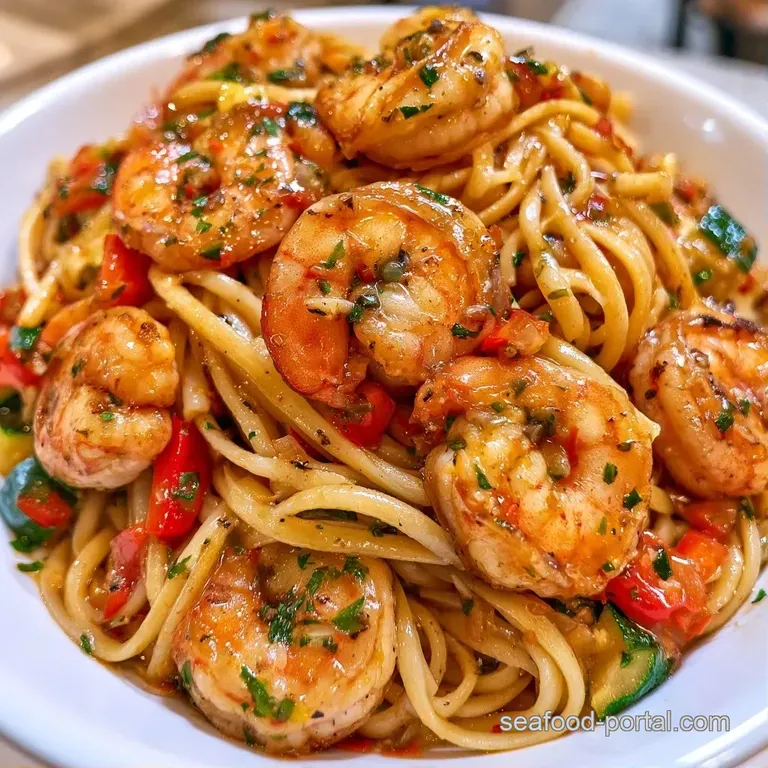
Success with this recipe depends largely on temperature control. Overfilling the skillet prevents a proper sear, causing the shrimp to boil rather than brown. This results in a dull grey color and a soft, mushy consistency.
Be wary of the "veggie slump." If the zucchini cooks for too long, it will release excess moisture and turn into a puree. Maintain medium-high heat and keep the ingredients moving.
Lastly, the sauce may separate, leaving a layer of oil at the bottom. This happens if the skillet is overheating as you stir in the cheese. Dial back the heat slightly before the final toss.
| Problem | Root Cause | Solution |
|---|---|---|
| Rubbery Shrimp | Overcooked in the pan | Remove shrimp as soon as they turn opaque |
| Mushy Vegetables | Sautéed for too long | Cook in batches or use higher heat |
| Grainy Sauce | Pre shredded cheese used | Grate your own Parmesan from a block |
| Bland Flavor | Lack of salt/acid | Add an extra squeeze of fresh lemon at the end |
Adjusting Your Portions
When you're making a half batch, use a smaller skillet. If you use a huge pan for a small amount of oil and shrimp, the oil spreads too thin and the shrimp won't sear. Reduce the cooking time for the vegetables by about 20% since there's less mass in the pan.
For a double or triple batch, do not try to cook all the shrimp at once. Work in three separate batches. If you pile them in, the temperature of the pan drops, and you'll get steamed shrimp instead of seared ones. For the liquids, only increase the salt and red pepper flakes to 1.5x the original amount.
Liquids like lemon juice and pasta water can be added to taste.
| Goal | What to change |
|---|---|
| More Protein | Add 1/2 lb more shrimp; sear in extra batches |
| Lower Carb | Replace linguine with zucchini noodles |
| Extra Heat | Increase red pepper flakes to 1 tsp |
Storage and Waste
This Pasta with Shrimp and Vegetables Recipe is best eaten fresh, but it keeps in the fridge for 2 to 3 days. Store it in a glass container with a tight lid. When you reheat it, add a teaspoon of water or a knob of butter to bring the sauce back to life.
I recommend reheating in a skillet over medium heat rather than the microwave to avoid toughening the shrimp.
Don't toss your shrimp shells or the zucchini ends. If you bought whole shrimp, simmer the shells with a bit of onion and celery to make a quick seafood stock. This stock is a brilliant base for risotto or other seafood dishes. The pepper seeds and stems can go straight into the compost.
What to Serve
Since this dish is quite light and zesty, it pairs well with something crusty. A toasted baguette with garlic butter is a classic choice to soak up the remaining lemon Parmesan sauce.
For a full spread, start with a chilled shrimp dip to get everyone in the seafood mood. A simple arugula salad with a light balsamic vinaigrette also cuts through the richness of the cheese.
Recipe Adaptations
If you want to switch up the greens, spinach or asparagus work beautifully here. Just add the spinach at the very end, letting the residual heat wilt it in about 30 seconds. Asparagus should go in with the zucchini, but cut the spears into 1 inch pieces so they cook at the same rate.
For a completely different vibe, you could swap the linguine for rice noodles. If you're in the mood for something with a heavier, bolder sauce, my Shrimp Creole recipe is a great pivot.
You can also make this plant based by swapping the shrimp for chickpeas or extra firm tofu cubes. Just sear the tofu in the same way as the shrimp to get those golden edges. Use a nutritional yeast based Parmesan substitute to keep the salty, cheesy finish.
Very High in Sodium
1210 mg 1210 mg of sodium per serving (53% 53% of daily value)
The American Heart Association recommends a daily sodium limit of less than 2,300 mg, and ideally less than 1,500 mg for most adults to reduce the risk of cardiovascular disease.
Tips to Reduce Sodium
-
Omit Added Salt-25%
Completely remove the 1/2 tsp of kosher salt; the Parmesan and lemon juice provide enough flavor to carry the dish.
-
Unsalted Pasta Water-20%
Boil the linguine in unsalted water. Since you are using reserved pasta water in the sauce, this prevents adding hidden sodium.
-
Reduce Parmesan-15%
Cut the Parmesan cheese amount in half or substitute with a small amount of nutritional yeast for a similar savory taste.
-
Rinse the Shrimp-10%
Thoroughly rinse the shrimp under cold water to remove sodium tripolyphosphate, a common preservative used in frozen shrimp.
-
Enhance with Fresh Herbs
Double the amount of fresh parsley or add fresh basil to provide a burst of flavor without adding any sodium.
Recipe FAQs
Which vegetables pair best with shrimp pasta?
Zucchini, red bell pepper, and cherry tomatoes work best for this dish. These ingredients offer a balance of sweetness and texture that complements the shrimp.
What type of pasta works best for this dish?
Linguine is the best choice because of its flat shape. It captures the velvety glaze and Parmesan more effectively than smaller pasta shapes.
How can I make a shrimp pasta?
Sear the shrimp first, then sauté the vegetables and aromatics in the same skillet. If you enjoyed mastering the sear here, see how the same principle works in garlic shrimp scampi.
Is it true that shrimp pasta requires a heavy cream sauce to be flavorful?
False. A combination of lemon juice, pasta water, and Parmesan cheese creates a bright, rich glaze without needing cream.
Shrimp and Vegetable Pasta in 30 Minutes