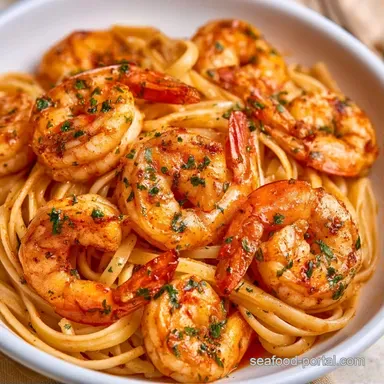
Cream Cheese Shrimp Pasta in 30 Minutes
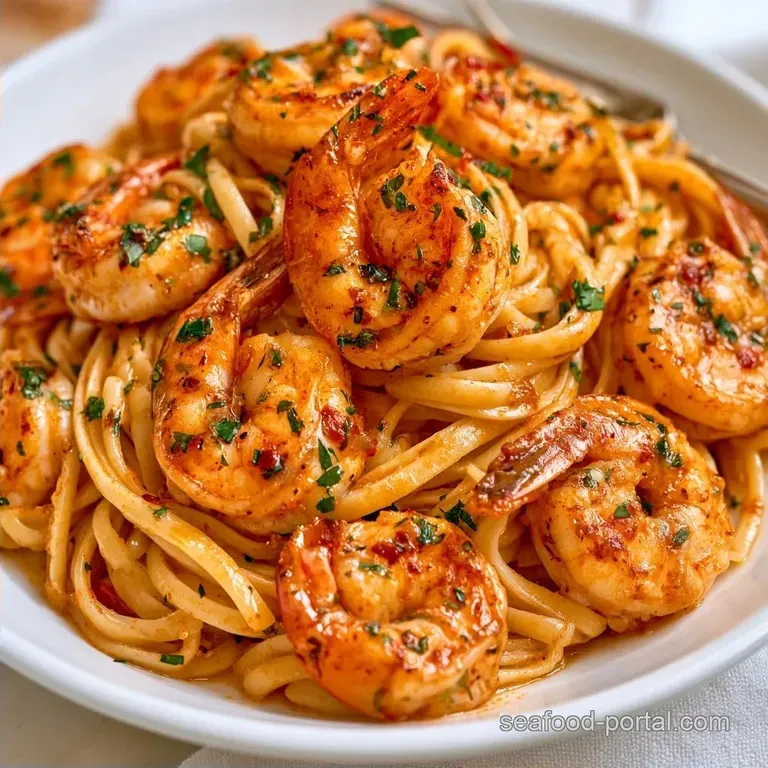
- Duration: 10 min prep + 20 min cook
- Taste/Feel: Tangy, decadent, and beautifully glossy
- Best for: Busy weeknights or an effortless date night
- Cream Cheese Shrimp Pasta for Busy Nights
- Quick Decision Guide
- What Each Ingredient Does
- The Full Shopping List
- Necessary Kitchen Tools
- Step by Step Instructions
- Fixing Texture Issues
- Adjusting the Portion Size
- Debunking Cooking Claims
- Storage and Waste Tips
- Swaps and Variations
- Best Side Pairings
- Critical: Very High in Sodium
- Recipe FAQs
- 📝 Recipe Card
Nothing beats the scent of butter melting in a hot pan to end the day. As the shrimp sizzle and release their sweet, salty fragrance throughout the room, it's the ultimate signal to relax. The aroma of garlic softening in butter is the same for me, it's the universal sign that a great meal is almost ready.
For a long time, I struggled with traditional Alfredo, often whisking endlessly only to have the sauce break as soon as the pasta touched it. Switching to cream cheese was a game-changer. It simplifies the whole process, ensuring a velvety, thick sauce that clings to the noodles and stays perfectly emulsified.
This Cream Cheese Shrimp Pasta is ideal for those evenings when you crave a restaurant-quality meal but only have 30 minutes before relaxing for the night. The decadence of the cheese is perfectly offset by a zing of lemon, keeping the dish light and vibrant.
Cream Cheese Shrimp Pasta for Busy Nights
The success of this recipe lies in the stability of the fats. Because cream cheese contains stabilizers, the sauce won't separate when you stir in hot pasta and acidic lemon juice, effectively binding the liquid and fat together.
Fat Stability: Acting as a natural emulsifier, cream cheese ensures your sauce doesn't split into oil and water. Acidity Balance: The lemon juice brightens the heavy cheese, lifting the overall flavor so the dish doesn't feel too dense.
| Method | Time | Texture | Best For |
|---|---|---|---|
| Stovetop | 30 mins | Glossy & Smooth | Fresh dinner |
| Oven Bake | 45 mins | Gooey & Browned | Meal prep/Crowds |
Quick Decision Guide
- For a zesty kick
- add zest of one whole lemon.
- For a thicker sauce
- reduce chicken broth by 2 tablespoons.
- For a spicy version
- stir in 1 teaspoon of cayenne.
What Each Ingredient Does
Every part of this dish has a specific job. The chicken broth is the secret to thinning the cheese without losing flavor, and the paprika gives the shrimp that classic, colorful sear. If you love that pungent garlic punch, you'll recognize it from my Garlic Butter Shrimp Scampi recipe.
| Ingredient | Role | If You Don't Have It |
|---|---|---|
| Cream Cheese | Thickener & Base | Mascarpone (richer, less tangy) |
| Chicken Broth | Sauce Fluidity | Pasta water (less depth, more starch) |
| Linguine | Vehicle for sauce | Fettuccine or Spaghetti (similar result) |
| Parmesan | Salt & Umami | Pecorino Romano (saltier/sharper) |
The Full Shopping List
Gather these ingredients to make your Cream Cheese Shrimp Pasta. I suggest buying a block of Parmesan and grating it yourself, as pre-shredded options often have waxy coatings that prevent them from melting smoothly into the sauce.
- 12 oz linguine
- 1 tbsp salt (for the pasta water)
- 1 lb large shrimp, peeled and deveined Why this? These keep their form better and won't overcook as quickly.
- 2 tbsp unsalted butter Why this? Gives you more control over the overall saltiness.
- 1 tsp paprika
- 1/2 tsp salt
- 1/4 tsp black pepper
- 8 oz cream cheese, softened Why this? Softened cheese mixes in quickly without leaving lumps.
- 3 cloves garlic, minced
- 1/2 cup low sodium chicken broth
- 1/2 cup parmesan cheese, freshly grated
- 1 tbsp lemon juice
- 2 tbsp fresh parsley, chopped
Necessary Kitchen Tools
Basic equipment is all you need. A large pasta pot and a deep 12-inch skillet are perfect for this dish. I recommend using stainless steel or cast iron to ensure the pan stays hot enough to sear the shrimp properly.
While a whisk helps get the cream cheese perfectly smooth, a sturdy spoon works fine if you have a little extra patience.
Step by step Instructions
Time to start the Cream Cheese Shrimp Pasta. Hold onto some of the pasta water, as it's your best tool for thinning the sauce at the end.
- Bring a big pot of water to a boil and stir in 1 tbsp salt. Prepare the linguine as directed on the package until just tender. Set aside 1/2 cup of the starchy water before draining the noodles.
- Use paper towels to pat the shrimp dry. This is a crucial step to ensure they sear rather than steam. Season with paprika, 1/2 tsp salt, and 1/4 tsp pepper.
- Heat 2 tbsp butter in a deep skillet over medium-high heat. Once the butter is frothing, arrange the shrimp in a single layer.
- Cook for 2 minutes on each side until they've turned golden and opaque. Transfer them to a plate so they don't overcook.
- Lower the heat to medium. Add the minced garlic and cook for 30 seconds until the aroma becomes toasted and fragrant.
- Mix in the softened cream cheese and 1/2 cup chicken broth. Whisk steadily until the base is smooth and starts simmering.
- Stir in the Parmesan and 1 tbsp lemon juice. Keep whisking until the sauce is thick and glossy.
- Return the cooked linguine and seared shrimp to the skillet.
- Gently combine everything to coat the pasta. If the consistency is too heavy, stir in a bit of the saved pasta water.
- Top with fresh parsley and serve right away.
Fixing Texture Issues
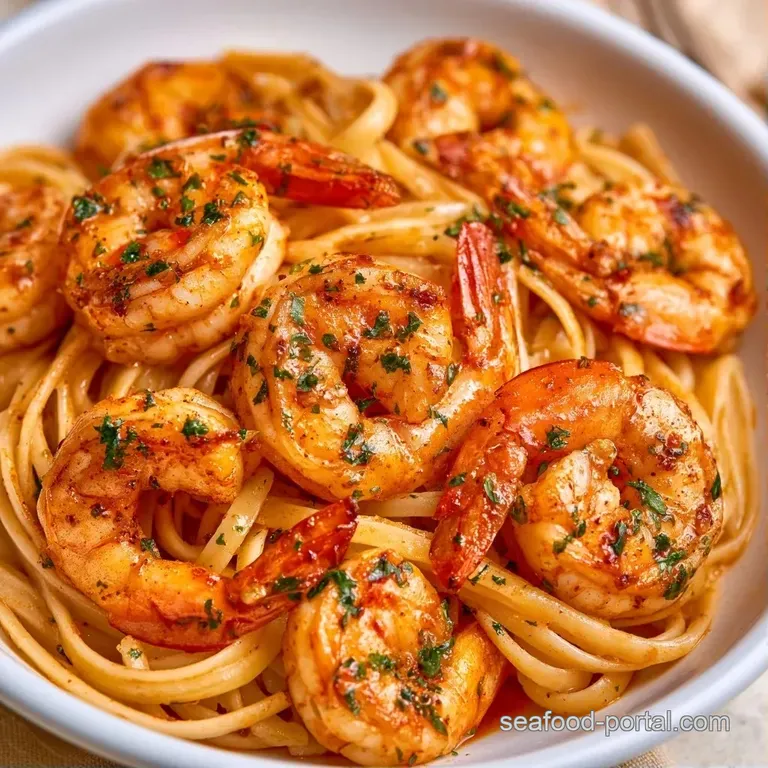
When making Cream Cheese Shrimp Pasta, the most common hiccups usually involve the sauce or the shrimp texture. Most of these are easy to fix if you catch them early.
Fixing a Grainy Sauce
If your sauce looks curdled or grainy, it's usually because the heat was too high or the cheese wasn't soft enough. Lower the heat immediately and whisk in a tablespoon of warm pasta water. The starch in the water helps re bind the fats and smooths out the texture.
Preventing Rubbery Shrimp
Shrimp can go from tender to rubbery in about 30 seconds. The trick is to remove them from the pan the moment they turn opaque. According to USDA guidance, the safe internal temperature for shrimp is 145°F, but visually, they should just form a "C" shape, not a tight "O".
Managing Too Much Thickness
Because cream cheese is dense, the sauce can sometimes become a paste. Don't panic and add more broth, which can dilute the flavor. Instead, use the reserved pasta water. It thins the sauce while keeping it silky and clinging to the linguine.
Adjusting the Portion Size
If you're making this Cream Cheese Shrimp Pasta for just yourself or a huge crowd, you can't always just double everything.
For smaller batches (half recipe): Use a smaller 8 inch skillet. Reduce the cooking time for the sauce by about 20% since there's less volume to heat up. If you're using a single egg for a variation, beat it first and then pour in half.
For larger batches (double or triple): Don't double the salt or paprika; start with 1.5x and taste it first. Reduce the total liquid by about 10% because less water evaporates when the pan is crowded. I recommend searing the shrimp in batches so they actually brown instead of boiling in their own juices.
Debunking Cooking Claims
There are a few things people say about seafood pasta that just aren't true.
Searing shrimp does not "seal in the juices." This is a common myth. Searing creates a brown crust that adds a deep, savory flavor, but moisture is lost regardless of the heat. The color is for taste, not for "locking" anything in.
You don't need to use heavy cream to get a rich sauce. As this recipe proves, cream cheese provides plenty of body and a nice tang that heavy cream lacks. It's actually a more stable way to get a thick consistency.
Storage and Waste Tips
You can keep leftovers of this Cream Cheese Shrimp Pasta in a glass container in the cooler for up to 3 days. The sauce will thicken significantly as it cools, which is normal.
When reheating, do it slowly on the stove over low heat. Add a splash of milk or water to loosen the sauce back up. I don't recommend freezing this dish, as the cream cheese can break and become grainy during the freeze thaw cycle.
To avoid waste, save your shrimp shells and heads if you bought them fresh. Toss them in a pot with some water, a carrot, and an onion to make a quick seafood stock. You can freeze that stock for months and use it next time you make a sauce instead of store-bought broth.
Swaps and Variations
This Cream Cheese Shrimp Pasta is a great base for other flavors. If you want something with a bit more heat, stir in a teaspoon of Cajun seasoning along with the paprika. For a more traditional feel, you could try a Chicken Shrimp Alfredo which uses heavy cream instead.
If you're looking to add some greens, throw in two cups of fresh baby spinach right at the end. The residual heat from the pasta will wilt the spinach in about 60 seconds without overcooking it.
You could also swap the linguine for zoodles or spaghetti squash for a lower carb version, though the sauce won't cling quite as well.
Best Side Pairings
Since this Cream Cheese Shrimp Pasta is quite rich, you want sides that bring some acidity or crunch to the table. A simple arugula salad with a lemon vinaigrette is the ideal choice because the peppery greens cut through the creaminess of the cheese.
Roasted asparagus or steamed broccoli also work well. The snap of a fresh vegetable balances the soft texture of the noodles. If you're feeling fancy, a piece of toasted sourdough rubbed with a raw garlic clove is a great way to soak up any leftover sauce on the plate.
Critical: Very High in Sodium
1150 mg 1150 mg of sodium per serving (50% 50% of daily value)
The American Heart Association recommends a daily sodium limit of no more than 2,300 mg, and an ideal limit of 1,500 mg for most adults to reduce cardiovascular risk.
Tips to Reduce Sodium
-
Omit Pasta Water Salt-25%
Skip the 1 tbsp of salt used in the boiling water; the linguine will still cook perfectly without it.
-
Season Shrimp Without Salt-20%
Replace the 1/2 tsp of salt on the shrimp with extra paprika or lemon zest for flavor.
-
Limit Parmesan Cheese-15%
Reduce the parmesan by half and increase the black pepper to maintain a sharp, savory profile.
-
Swap for Unsalted Broth-15%
Replace low-sodium chicken broth with unsalted homemade stock or water mixed with herbs.
-
Enhance with Fresh Aromatics
Increase the amount of fresh parsley, minced garlic, and lemon juice to add brightness without adding sodium.
Recipe FAQs
How do I turn cream cheese into a pasta sauce?
Whisk softened cream cheese with chicken broth or reserved pasta water. Heat over medium until smooth and simmering, then stir in Parmesan and lemon juice until glossy.
What is the method for making creamy shrimp pasta?
Sear seasoned shrimp in butter, then build the sauce in the same skillet. Toss the cooked linguine and shrimp back into the cream cheese mixture to coat everything evenly.
Is it true that shrimp should be boiled in the sauce?
No, and here's why. Searing shrimp separately for 2 minutes per side creates a golden-brown crust and prevents the rubbery texture caused by boiling.
Which specific ingredients are in this recipe?
Linguine, shrimp, butter, cream cheese, and chicken broth are the core components. The dish is finished with paprika, salt, pepper, garlic, Parmesan, lemon juice, and parsley.
Could this be adapted into a shrimp Alfredo?
Yes, by using more pasta water instead of chicken broth. If you enjoy this style of rich seafood dish, you might also like our homemade seafood ravioli.
Why does the sauce sometimes become too thick?
The cream cheese and Parmesan naturally thicken as they simmer. Stir in a splash of the reserved starchy pasta water to loosen the sauce back to a velvety consistency.
Must the shrimp be peeled before cooking?
Yes, use shrimp that are peeled and deveined. This ensures the dish is easy to eat and prevents shells from ruining the smooth texture of the sauce.
Cream Cheese Shrimp Pasta in 30 Minutes