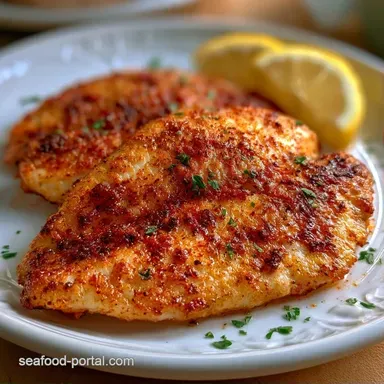
Ultra-Crispy Pan Fried Tilapia
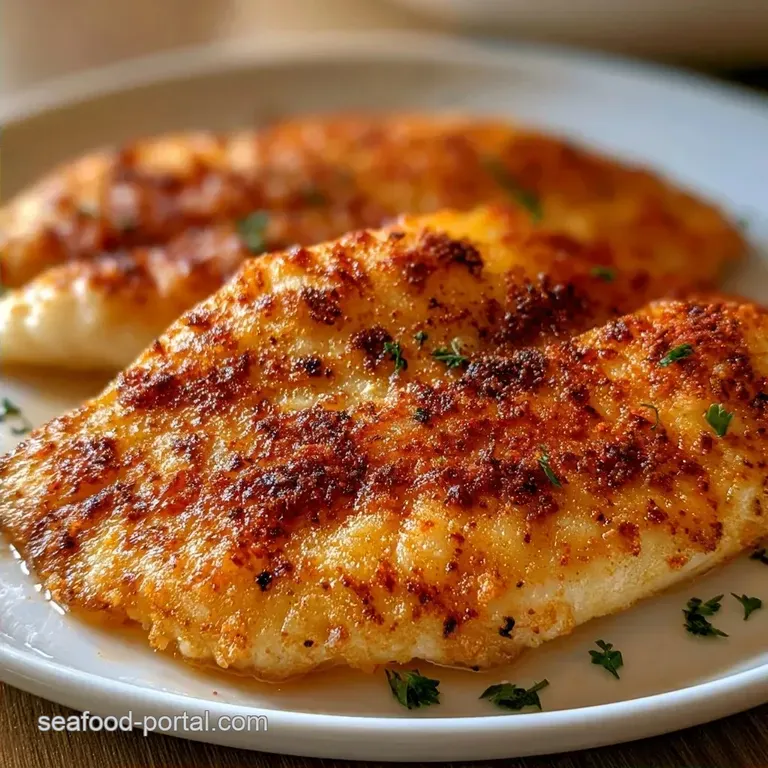
- Time: 5 min active + 8 min cooking
- Flavor/Texture Hook: Golden brown crust with a buttery, nutty finish
- Perfect for: Fast weeknight dinners or beginner cooks
- Pan Fried Tilapia That Actually Stays Crispy
- Why Most Fish Ends Up Soggy
- Ingredient Deep Dive
- The Right Cooking Gear
- Bringing It All Together
- Fixing Your Tilapia Troubles
- Swaps and Variations
- Adjusting the Batch Size
- Debunking Fish Myths
- Storage and Reheating
- Plating Your Fish
- Recipe FAQs
- 📝 Recipe Card
Pan fried Tilapia That Actually Stays Crispy
The sound of fish hitting a hot skillet is one of the best noises in the kitchen. That sharp sizzle tells you immediately if you've got the heat right. I remember the first few times I tried this, I'd just toss the fillets in. They'd stick, tear, and end up looking like something from a cafeteria tray.
It took some trial and error to realize that the moisture on the surface is the enemy of a good sear.
Tilapia has a long history as an accessible protein in many cultures, especially in regions where mild, white fish are staples. It doesn't fight you with a strong fishy taste, which makes it a blank canvas for the spices we're using here. It's the kind of meal that feels light but keeps you full.
You can expect a dish that has a slight snap to the outside and a tender, flaky center. We aren't doing a heavy batter here. We're going for a light dusting that lets the fish shine. pan fried Tilapia should be simple, fast, and a bit buttery.
Why Most Fish Ends Up Soggy
- Surface Moisture: Water on the fish turns to steam, which prevents the crust from browning and makes the coating slide off.
- Pan Temperature: If the oil isn't hot enough, the fish absorbs the fat instead of searing, resulting in a greasy texture.
- Crowding the Pan: Putting too many fillets in at once drops the temperature, which kills the sizzle and leads to steaming.
| Fish Type | Prep Time | Texture | Best For |
|---|---|---|---|
| Fresh Fillets | 5 mins | Firm and clean | Best flavor and texture |
| Frozen (Thawed) | 15 mins | Softer | Quick convenience |
Ingredient Deep Dive
| Ingredient | What It Does | Best Swap |
|---|---|---|
| All purpose flour | Creates a thin, crisp barrier | Cornstarch (for extra crunch) |
| Avocado oil | High smoke point for searing | Grapeseed oil |
| Unsalted butter | Adds richness and nutty aroma | Ghee |
| Paprika | Gives a golden color and warmth | Smoked paprika |
The Right Cooking Gear
You don't need a professional kitchen for this, but a heavy skillet helps. A cast iron pan or a stainless steel skillet is best because they hold heat well. If you use a thin non stick pan, the temperature might dip too much when the fish goes in.
A wide spatula is also a must. You want something that can get under the entire fillet without bending. If you use a small turner, you'll likely break the fish when you flip it. Finally, grab some thick paper towels. You'll be using them more than you think.
Bringing It All Together
For the Fish Base
Keep your fillets uniform in size. If one is way thicker than the rest, it won't cook at the same rate. I usually pat them dry twice just to be safe.
For the Seasoned Coating
Mix your flour and spices in a shallow dish. This makes it easier to press the fish in without making a mess on your counter.
Executing the Sear
Wait for the butter to stop foaming. That's the signal that the water has evaporated and the milk solids are browning. This is when the pan fried Tilapia needs to hit the pan.
Perfecting the Finish
Don't move the fish. Once it's in, leave it alone for a few minutes. The fish will naturally release from the pan once the crust has formed.
The step-by-step Process
- Use paper towels to firmly pat every tilapia fillet until completely dry to ensure a proper sear.
- Lightly dust both sides of the fillets with salt and pepper.
- Combine all purpose flour, paprika, garlic powder, and onion powder in a shallow dish. Press the fillets into the flour mixture, shaking off any excess to create a thin veil.
- Place a skillet over medium high heat. Add the avocado oil followed by the unsalted butter.
- Wait until the butter stops foaming and begins to smell nutty before adding the fish.
- Lay the fillets in the pan away from you. Cook undisturbed for 3-4 minutes until the fish naturally releases from the pan.
- Carefully flip the fillets using a wide spatula and cook until the internal temperature reaches 145°F (63°C).
Chef Note: If you see the butter turning dark brown too quickly, turn the heat down slightly. You want a golden color, not a burnt taste.
Fixing Your Tilapia Troubles
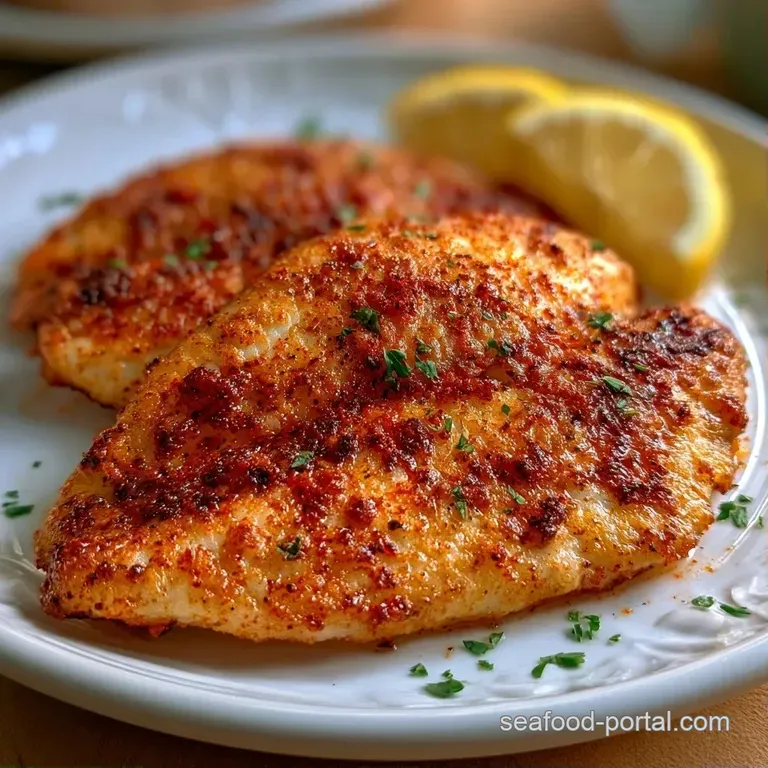
It's easy to get frustrated when fish sticks or looks pale. Usually, it comes down to one of three things: heat, moisture, or timing. If your pan fried Tilapia isn't browning, your pan probably wasn't hot enough when the fish went in.
If the fish is breaking apart, you might be flipping it too early. The crust needs time to set. If you try to force it, the meat will tear. Just give it another 30 seconds.
Why Your Fish Sticks
If the fillet won't budge, the proteins haven't fully seared. This often happens if the pan cooled down too much.
Addressing Pale Fish
Pale fish usually means the flour was too thick or the heat was too low. A thin coating browns much faster.
Preventing Overcooking
Tilapia is lean, so it dries out fast. Use a meat thermometer to hit that 145°F mark exactly.
| Problem | Root Cause | Solution |
|---|---|---|
| Fillet sticks to pan | Pan not hot enough | Wait for butter to stop foaming |
| Coating falls off | Fish was too wet | Pat fillets drier with paper towels |
| Fish is dry/tough | Overcooked | Pull at 140°F for carryover |
Swaps and Variations
If you want something a bit different, you can tweak the coating. For a more intense crunch, try a Crispy Breaded Tilapia Recipe style by using Panko crumbs instead of flour. Just dip the fish in beaten egg first so the crumbs stick.
For those avoiding gluten, almond flour works well, though it browns faster than all purpose flour. Keep a closer eye on the heat so it doesn't burn. If you're looking for a richer finish, you could pair this with a Garlic Butter Fish Sauce poured over the top right before serving.
Decision Shortcut
- If you want more crunch, use Panko breadcrumbs.
- If you want it healthier, use an air fryer at 400°F for 10 mins.
- If you want a zesty kick, add lemon zest to the flour mix.
Adjusting the Batch Size
Cooking for One or Two
When scaling down, use a smaller skillet. If you use a huge pan for two fillets, the butter will spread too thin and burn before the fish is done. Reduce your cooking time by about 20% since the pan stays hotter with less food in it.
Cooking for a Crowd
Don't try to fit 12 fillets in one pan. You'll end up steaming the fish instead of frying it. Work in batches of 3 or 4. Keep the finished fillets on a wire rack in a warm oven (around 200°F) so they stay crisp while you finish the rest.
When scaling up, only increase the salt and spices to 1.5x. Too much seasoning in a larger batch can become overwhelming.
Debunking Fish Myths
Some people think you need to "seal" the fish to keep the juices in. This isn't how it works. Searing is about flavor and texture, not creating a waterproof seal. The moisture loss happens regardless, but the crust makes the experience better.
Another common myth is that you should always use a lot of oil for frying. For pan fried Tilapia, you only need enough to coat the pan. Too much oil makes the fish greasy and heavy.
Storage and Reheating
Store leftovers in an airtight container in the fridge for up to 2 days. To keep them from getting soggy, put a piece of paper towel at the bottom of the container to absorb extra moisture.
Avoid the microwave for reheating. It will turn your crisp crust into a sponge. Instead, put the fillets back in a skillet over medium heat for 2-3 minutes per side. This brings back the crunch.
For zero waste, if you have leftover flour mix, you can use it to bread a few pieces of zucchini or cauliflower for a quick snack. If you have leftover butter in the pan, pour it over some steamed vegetables for a rich finish.
Plating Your Fish
The classic plate involves a bed of fluffy rice or sautéed spinach. Since the pan fried Tilapia is rich and buttery, a squeeze of fresh lemon juice is mandatory. The acid cuts through the fat and wakes up the spices.
Add a sprig of fresh parsley or a slice of lemon on top for a pop of color. If you're serving this for a dinner party, try a side of roasted asparagus. The earthy taste of the asparagus balances the mild flavor of the fish.
Right then, you've got everything you need. Just remember: pat them dry, get the pan hot, and don't touch the fish until it's ready to move. Enjoy!
Recipe FAQs
Is tilapia good for triglycerides?
Yes, generally. It is a lean protein and low in saturated fats, which helps manage lipid levels when integrated into a balanced diet.
Is tilapia good for hypertension?
Yes. Its low fat content makes it a heart healthy protein choice, provided you keep the added salt in the seasoning moderate.
Can you eat tilapia on a renal diet?
Yes, but in moderation. Tilapia contains phosphorus and potassium, so you should verify your specific daily allowance with a doctor.
How to cook tilapia fillets in a pan?
Heat avocado oil and butter over medium high heat. Pat fillets dry, season with salt and pepper, coat in the flour mixture, and sear for 3-4 minutes per side until the internal temperature reaches 145°F.
What are common mistakes when frying tilapia?
Crowding the pan or adding fish to cold oil. This prevents a proper sear and causes the fillets to steam, resulting in a soggy crust rather than a crisp one.
Is it true you should flip the fish as soon as the top looks cooked?
No, this is a common misconception. You must wait until the fish naturally releases from the pan, usually after 3-4 minutes, to ensure the crust is fully developed.
How to reheat leftover tilapia without losing the crunch?
Place fillets in a skillet over medium heat for 2-3 minutes per side. This restores the crispiness better than a microwave; these reheated fillets pair great with a spicy Cajun remoulade.
pan fried Tilapia Fillets 2