Miso Marinated Branzino
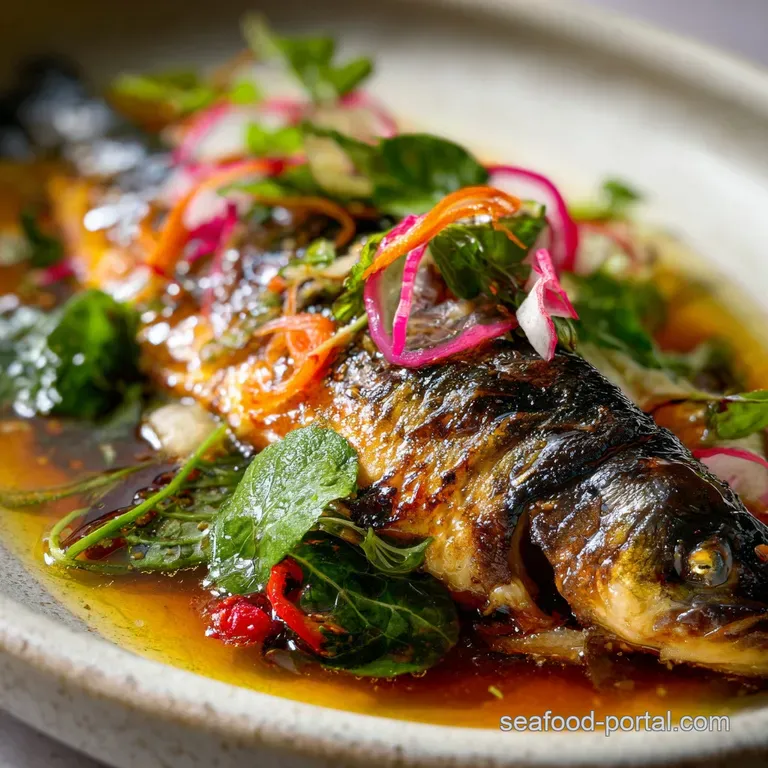
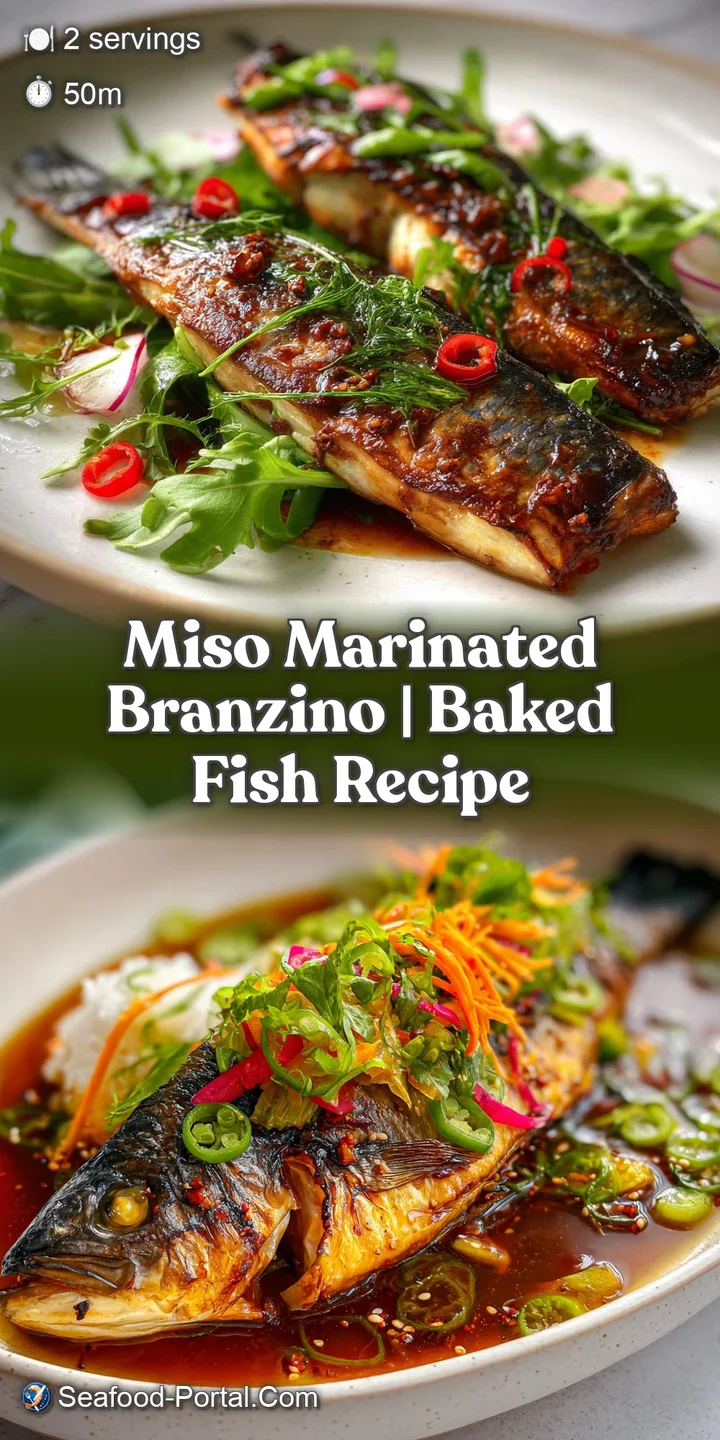
- Time: Active 10 minutes, Passive 40 minutes, Total 50 minutes
- Flavor/Texture Hook: Shatter crisp skin and buttery, umami rich flakes
- Perfect for: Impressive date nights or high protein meal prep
- Why Miso Marinated Branzino Rocks Every Single Time
- Component Analysis for Perfect Flavor
- Ingredients for Your Miso Branzino
- Essential Tools for Broiling Fish
- How to Cook Your Branzino
- Expert Tips and Common Mistakes
- Variations for Different Dietary Needs
- Storing and Reusing Your Leftovers
- Perfect Pairings for Miso Fish
- Very High in Sodium
- Recipe FAQs
- 📝 Recipe Card
You know that specific sizzle when cold fish hits a ripping hot pan? Or better yet, the aroma of miso sugar beginning to char under a broiler? It’s the kind of scent that pulls people into the kitchen before you've even set the table.
Branzino is one of those fish that people often feel intimidated by, but honestly, it’s the most forgiving white fish I’ve ever worked with.
I remember the first time I tried to make a miso glazed fish. I used a thick piece of cod and it was a disaster the outside was burnt to a crisp while the middle was still practically frozen. That was my first lesson in "protein thickness vs.
heat source." Branzino fillets are thinner, which means the glaze and the fish finish cooking at exactly the same time. No more guessing games.
We’re going for a specific contrast here: the rich, earthy funk of the white miso against the bright, zesty zing of fresh ginger and rice wine vinegar. It’s a flavor map that hits every corner of your palate.
If you’ve been stuck in a "lemon and butter" rut with your seafood, this Miso Marinated Branzino is the wake up call your dinner routine needs.
Why Miso Marinated Branzino Rocks Every Single Time
The secret to this dish isn't just the flavor; it's the chemistry. White miso is packed with enzymes that actually start to break down the connective tissues in the fish, making the final result feel almost velvety on the tongue.
When you combine that with the over high heat environment of a broiler, you get a beautiful mahogany crust that shatters when you poke it with a fork.
The Science of Why it Works
Proteolytic Enzymes: Proteases in the fermented miso paste break down fish proteins, resulting in a significantly more tender, "buttery" texture. Maillard Reaction: The honey and mirin sugars react with the fish amino acids under intense heat, creating complex savory sweet aromatic compounds.
- Enzymatic Tenderization: Miso isn't just a seasoning; it's a structural modifier. The fermentation process creates enzymes that soften the fish fibers during that 40 minute rest.
- Heat Shielding: The thick paste creates a protective layer, allowing the interior of the fish to steam in its own juices while the exterior undergoes rapid caramelization.
- Emulsified Fat: The toasted sesame oil doesn't just add scent; it helps the marinade cling to the skin, ensuring even browning without the glaze sliding off into the pan.
- Sugar Concentration: By using honey instead of granulated sugar, we get a more viscous marinade that provides a consistent, lacquered finish.
Similar to the technique used in the Miso Black Cod recipe, this method relies on the balance of salt and sugar to cure the fish slightly. This curing process firms up the flesh so it doesn't fall apart the moment you try to flip it.
Component Analysis for Perfect Flavor
| Ingredient | Science Role | Pro Secret |
|---|---|---|
| White Miso | Emulsifier & Tenderizer | Use "Shiro" (white) for a milder, sweeter profile that won't overpower the branzino. |
| Mirin | Alcohol Solvent | It carries flavors deep into the fish tissues faster than water based liquids. |
| Fresh Ginger | Protease Source | Grate it directly into the bowl to catch the juice; that’s where the "zing" lives. |
| Honey | Hygroscopic Agent | Attracts moisture to the surface to help create that sticky, iconic lacquer. |
While some might suggest using a shortcut marinade, the difference in depth is massive. Fresh ginger and garlic provide a sharp counterpoint to the fermented miso that bottled sauces just can't replicate. If you've ever used miso in a Spicy Miso Ramen recipe, you know that the "freshness" of the paste matters look for miso that is light in color for this specific dish.
| Element | Fresh Branzino | Pre frozen Fillets |
|---|---|---|
| Texture | Firm, buttery flakes | Can be slightly mushy if thawed poorly. |
| Skin | Prone to extreme crisping | May stay soft due to residual ice crystals. |
| Flavor | Clean, oceanic notes | Slightly muted, depends on storage age. |
Ingredients for Your Miso Branzino
To get started, you'll need to gather these specific items. Don't worry if you don't have every single one; I've included some honest swaps below that won't ruin your dinner.
- 2 large Branzino fillets (6 oz each): Skin on is non negotiable for that texture contrast. Why this? Branzino has a high fat content that stands up to over high heat broiling.
- 1 tsp Sea salt: To draw out initial surface moisture.
- 3 tbsp White Miso (Shiro Miso): The base of our umami profile.
- 1 tbsp Mirin: Provides a gentle sweetness and shine.
- 1 tbsp Rice wine vinegar: The acid needed to cut through the fatty fish.
- 1 tsp Grated fresh ginger: For a spicy, aromatic kick.
- 1 tsp Garlic paste: Blends more smoothly into the marinade than minced garlic.
- 1 tbsp Honey: Creates the "burnt sugar" crust we're after.
- 1 tsp Toasted sesame oil: Adds a layer of nutty depth.
| Original Ingredient | Substitute | Why It Works |
|---|---|---|
| White Miso | Yellow Miso | Slightly saltier and more "beany," but still works well. |
| Mirin | Dry Sherry + 1 tsp sugar | Provides the same fortified wine depth and sweetness. |
| Honey | Agave Nectar | Similar viscosity; provides a clean sweetness without the floral honey notes. |
| Rice Wine Vinegar | Apple Cider Vinegar | Similar acidity level, though slightly more fruity. |
Essential Tools for Broiling Fish
You don't need a professional kitchen, but a few specific tools make this Marinated Branzino much easier to manage. I once tried to do this on a standard flat cookie sheet without parchment, and I spent forty minutes scrubbing burnt miso off the metal. Don't be like me.
- Baking Sheet: A heavy rimmed sheet pan helps distribute heat evenly.
- Parchment Paper or Silpat: Crucial for preventing the honey miso glaze from permanently bonding to your pan.
- Microplane: For getting that ginger and garlic into a fine, paste like consistency.
- Small Whisk: To ensure the miso is fully incorporated with the liquids lumpy miso is the enemy.
- Instant Read Thermometer: The only way to guarantee you don't overcook the fish.
- Pastry Brush: For an even application of the glaze.
Chef's Tip: Freeze your ginger root for 10 minutes before grating. It prevents the ginger from turning into a stringy mess and allows the microplane to create a fine "snow" that melts instantly into the marinade.
How to Cook Your Branzino
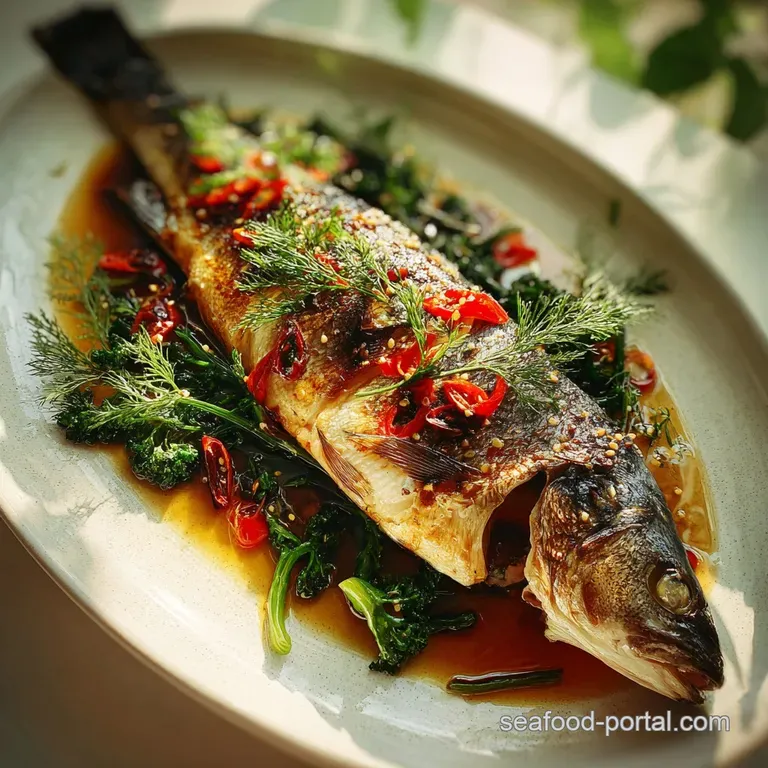
Right then, let's crack on. This process is all about the "set it and forget it" marinade followed by a very fast, high intensity cook. If you've ever made a Broiled Sea Bass recipe, you'll find this method very familiar, but the branzino skin is thinner and crisps up even faster.
Preparing the Fish Fillets
- Dry the fish. Use paper towels to pat the branzino fillets bone dry on both sides. Note: Surface moisture is the enemy of a good sear.
- Season lightly. Sprinkle the 1 tsp of sea salt over the flesh side of the fillets.
- Score the skin. Using a very sharp knife, make 3 shallow diagonal cuts across the skin. Note: This prevents the fish from curling up like a wood shaving when the heat hits it.
Mixing and Marinating
- Whisk the marinade. In a small bowl, combine the 3 tbsp white miso, 1 tbsp mirin, 1 tbsp rice wine vinegar, 1 tsp ginger, 1 tsp garlic paste, 1 tbsp honey, and 1 tsp sesame oil.
- Coat the fish. Place the fillets in a shallow dish and pour the marinade over them, ensuring the flesh side is completely submerged.
- Chill and wait. Cover and refrigerate for 40 minutes. Note: Don't go over 2 hours, or the acid in the vinegar will start to "cook" the fish and turn it mushy.
The Perfect Broil
- Prep the oven. Set your broiler to high and move the oven rack to the top position (about 4-5 inches from the heat).
- Arrange on pan. Place the fillets skin side down on a parchment lined sheet pan.
- Broil the fish. Cook for 6 to 8 minutes until the edges are charred and the top is bubbling and golden brown.
- Check the temp. Remove when the internal temperature hits 135°F. The fish should flake easily with a fork.
Expert Tips and Common Mistakes
One mistake I once made was trying to use "low sodium" miso. It sounds healthy, but the salt is actually what helps the marinade penetrate the fish. Honestly, don't even bother with it here the balance of the dish depends on that savory punch.
The Chemistry of Miso Tenderizing
Miso contains koji, a mold used in the fermentation of soybeans. This koji produces enzymes that break down complex proteins into simple amino acids (like glutamate), which is why miso tastes so savory.
When it sits on the fish, those enzymes go to work on the fish's structure, giving you that incredible "melt in-your mouth" feel.
Preventing Excess Sugar Carbonization
Because this marinade has both honey and mirin, it's very high in sugar. If your broiler is too close, the glaze will turn black before the fish is cooked through. If you see the glaze darkening too fast, simply move the rack down one level.
Skin to Pan Adhesion Solutions
Even with parchment paper, miso can be sticky. To ensure a clean lift, lightly brush the parchment paper with a tiny bit of neutral oil (like avocado or canola) before laying the fish down.
| Problem | Root Cause | Solution |
|---|---|---|
| Glaze is too thin | Not enough miso | Whisk in another teaspoon of miso to thicken the consistency. |
| Fish is rubbery | Overcooked | Pull the fish at 135°F; carryover heat will bring it to 145°F. |
| No browning | Oven rack too low | Move the pan to the top 1/3 of the oven to catch the direct heat. |
Variations for Different Dietary Needs
The beauty of this Miso Fish Recipe Oven method is how easily it adapts. Whether you're watching carbs or avoiding gluten, a few small tweaks keep the soul of the dish intact.
Making it gluten-free
Most miso is gluten-free, but some brands use barley (mugi miso) or wheat as a filler. Always check the label for "gluten-free" certification. Also, ensure your mirin is "hon mirin" (true mirin) and not a condiment that uses glucose syrup derived from wheat.
Adapting for Keto Diets
To make this Keto friendly, swap the honey for a liquid monk fruit sweetener or Allulose. Both provide the necessary viscosity for a glaze without the glycemic spike. Replace the mirin with a splash of dry sake and a pinch of stevia to maintain that Japanese flavor profile.
If you want X, do Y
- If you want a deeper color: Use Red Miso (Aka Miso) instead of white, but reduce the salt by half.
- If you want extra crunch: Sprinkle toasted panko breadcrumbs over the glaze in the last 2 minutes of broiling.
- If you want a citrus twist: Replace the rice wine vinegar with fresh Yuzu juice or lime juice.
Storing and Reusing Your Leftovers
Leftover Miso Marinated Branzino is actually a treat, though the skin will lose its "shatter" factor once it hits the fridge. You can keep cooked fillets in an airtight container for up to 2 days. For the best reheating results, avoid the microwave it turns the fish into a rubber eraser.
Instead, place it in a 300°F oven for 5-7 minutes until just warmed through.
If you have uncooked marinated fillets, they can be frozen for up to 2 months. The marinade acts as a protective barrier against freezer burn. To cook from frozen, thaw completely in the fridge overnight before broiling.
Zero Waste Tip: Don't throw away the ginger peels! Throw them into a pot of water with some green tea bags for a quick, spicy ginger tea. If you have extra marinade that hasn't touched raw fish, it makes an incredible dressing for roasted carrots or steamed bok choy.
Perfect Pairings for Miso Fish
Since this dish is so savory and rich, you want sides that offer a "bright" or "clean" contrast. A simple bowl of steamed jasmine rice is the classic choice to soak up all that extra glaze. But if you want to get a bit more creative, try these:
- Smashed Cucumber Salad: The cold, crunchy cucumbers with a splash of sesame oil and chili flakes cut right through the buttery fish.
- Garlic Sautéed Bok Choy: The bitterness of the greens balances the sweetness of the honey miso glaze.
- Charred Broccolini: The "burnt" bits of the broccolini echo the charred edges of the branzino.
Trust me on this the combination of the hot, flaky fish and a cold salad is world class. It’s all about those temperature and texture contrasts.
Debunking Kitchen Myths
- Myth: You must marinate fish overnight for the best flavor.
- Truth: Fish is delicate; marinating it for more than 4 hours in an acidic or salty environment will actually break down the proteins too much, resulting in a mushy, unappealing texture. 40 to 60 minutes is the "sweet spot" for branzino.
- Myth: You should always remove the skin before cooking.
- Truth: The skin acts as a barrier that keeps the flesh moist and provides a necessary fat layer for flavor. Even if you don't plan to eat the skin, cook with it on!
Right, I think you're ready to tackle this. Go grab that miso, get your broiler screaming hot, and let me know how that first bite of shatter crisp skin turns out. You've got this!
Very High in Sodium
1240 mg mg of sodium per serving (54% % of daily value)
The American Heart Association recommends limiting sodium intake to no more than 2,300mg per day for most adults.
Sodium Reduction Tips for Branzino with Miso Glaze
-
Reduce Sea Salt-25%
Reduce the amount of sea salt added. Start by using only 1/4 tsp and adjust to taste. Miso itself contains sodium, so less added salt can still provide sufficient flavor.
-
Low-Sodium Miso-20%
Use a low-sodium or reduced sodium white miso. This simple swap can significantly reduce the overall sodium content of the glaze.
-
Dilute the Miso-15%
Dilute the white miso paste with a small amount of water or unsalted rice wine. This reduces the concentration of sodium per serving while still maintaining the flavor profile. Try 1/2 tbsp of water.
-
Acidic Boost-10%
Enhance the existing rice wine vinegar with a squeeze of fresh lemon or lime juice. The added acidity brightens the flavor and helps compensate for the reduction in saltiness. Use 1 tsp of lemon juice.
-
Flavor with Herbs
Use fresh herbs like cilantro, parsley, or chives to enhance the flavor profile without adding sodium. Experiment with different combinations to find your favorite.
Recipe FAQs
What does miso do to fish?
It tenderizes and adds umami. Miso's enzymes break down fish proteins, making it more tender and buttery. It also introduces a deep savory flavor that complements seafood beautifully, much like in our Delicious Miso Glazed Black Cod Recipe: A Taste of Umami Heaven.
How long should I marinate miso cod?
Marinate for 40 minutes to 2 hours. For delicate fish like cod, a shorter marination time is best to prevent the texture from becoming mushy from the enzymes and acidity in the miso marinade.
What's so special about branzino fish?
It's delicate, forgiving, and crisps beautifully. Branzino has a mild, slightly sweet flavor and a tender, flaky texture that holds up well to high heat cooking methods like broiling. Its thin fillets cook quickly and evenly, making it perfect for glazes.
Does miso go with fish?
Absolutely, it's a classic pairing. Miso's salty, savory, and slightly sweet profile enhances the natural flavors of fish without overpowering it. Many popular recipes, including the Miso Black Cod Recipe: Nobu Style at Home!, showcase this perfect synergy.
Can I substitute white fish if I don't have branzino?
Yes, similar delicate white fish work well. You can use other mild, flaky white fish like sea bass or cod. For a variation, try our Bake Miso Sea Bass with Sweet Rich Glaze to see how well other sea fish pair with miso.
How do I prevent the miso glaze from burning?
Watch the heat and the color. Ensure your broiler rack is positioned correctly and monitor the fish closely; if the glaze darkens too quickly, lower the rack slightly. The sugars in the glaze caramelize rapidly, so a quick cook is key, similar to achieving that perfect char in the Broil Chilean Sea Bass with Miso Flavor.
What is the ideal marination time for branzino in miso?
Aim for 40 minutes. For branzino fillets, 40 minutes allows the miso flavors to penetrate and tenderize the fish without it becoming too soft. Longer marination risks breaking down the delicate fish structure.
Miso Marinated Branzino

Ingredients:
Instructions:
Nutrition Facts:
| Calories | 294 kcal |
|---|---|
| Protein | 34.2 g |
| Fat | 7.4 g |
| Carbs | 19.8 g |
| Fiber | 1.2 g |
| Sugar | 13.5 g |
| Sodium | 1240 mg |
