Eightminute Magic Perfectly Caramelized Broiled Miso Salmon
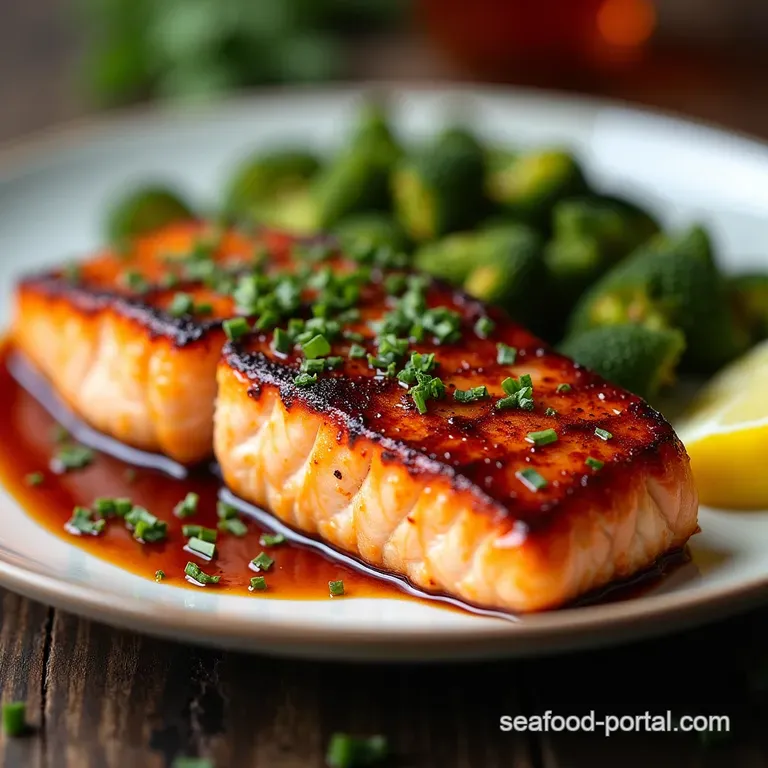
- Unlocking Umami: Why This Broiled Miso Salmon Steals the Show
- The Quick-Prep Secret to Impressive Weeknight Feasts
- Assembling Your Flavor Arsenal: Essential Components
- Mastering the Marinade: Ratios for Richness
- The Marination Chronicle: Patience for Perfect Penetration
- Broiling Mastery: Navigating High Heat Safely
- Elevating Your Plate: Suggested Pairings and Sides
- Preserving the Perfection: Storage and Reheating Protocols
- Recipe FAQs
- 📝 Recipe Card
Unlocking Umami: Why This Broiled Miso Salmon Steals the Show
Forget everything you think you know about midweek dinners. This Broiled Miso Salmon delivers an intensely savory, slightly sweet, and beautifully caramelized crust in mere minutes under the broiler.
It’s a dish that truly shines, appearing sophisticated enough for a dinner party yet built on a foundation of speed and simplicity. Think of it as East meets West, a lovely marriage of classic searing technique with a distinctly umami kick.
Inspired by the meticulous Saikyo Yaki techniques used in Japan, our marinade uses the holy trinity of Japanese flavour miso, mirin, and sake to deeply penetrate the salmon flesh. The result is impossibly moist, flaky fish beneath that stunningly glossy, sweet salty finish.
This Miso Salmon Recipe is elegant, healthy, and ridiculously fast to execute, making it a guaranteed weeknight star.
The Quick Prep Secret to Impressive Weeknight Feasts
When time is short but flavor cannot be compromised, this is the dish you turn to. With only about 10 minutes of active preparation before the magic happens in the refrigerator, this Broiled Miso Salmon Recipe sets you up for success early in the day.
The cooking phase itself is lightning fast, clocking in at under ten minutes, which is where the high heat of the broiler truly earns its keep. This efficiency is why it consistently ranks as one of our favorite ways to prepare this rich fish.
A Culinary Snapshot: Taste Profile & Texture Breakdown
What makes this Miso Glazed Salmon so addictive? It’s the beautiful textural contrast. You achieve a gorgeous, almost candy like char on the exterior crust thanks to the sugar and miso caramelizing under direct heat.
Beneath that perfectly textured top layer, the salmon remains incredibly tender and juicy. The taste profile is a symphony of savory depth ( umami ) from the fermented soybeans in the miso, balanced perfectly by the sweetness of mirin and sugar, and given a clean lift by the subtle acidity of sake.
It transforms a simple fillet into something truly memorable.
The Broiler vs. The Oven: Achieving Peak Caramelization
While you certainly can achieve a lovely result with a Baked Miso Salmon Recipe (usually taking 15– 20 minutes), the broiler delivers a completely different textural experience.
Baking cooks the fish gently from all sides, whereas the broiler applies intense, direct heat from above. This direct blast is essential for creating that signature dark, lacquered crust quickly, preventing the fish from drying out while simultaneously developing deep Maillard reactions on the surface.
This rapid surface treatment is what separates a good Miso Broiled Salmon from a truly great one.
Deconstructing the Magic of Saikyo Yaki Influence
The technique draws heavily from Saikyo Yaki , a famous Japanese method where fish (traditionally black cod) is marinated in sweet white miso for several days before being grilled or broiled. Our adaptation speeds up this process significantly.
We use a higher proportion of sugar and acidic liquids (sake/mirin) to encourage faster penetration and inhibit the saltiness sometimes inherent in longer miso cures. The result is a shortcut to complex flavour a sublime Broiled Salmon Miso Glaze that sings on the palate.
Assembling Your Flavor Arsenal: Essential Components
To create this masterpiece, you'll need four primary ingredients for the glaze and four beautiful salmon fillets. We are aiming for four generous servings from this preparation. For the Marinated Salmon , the quality of the core ingredients really sings through, so choosing wisely here makes a palpable difference.
Mastering the Marinade: Ratios for Richness
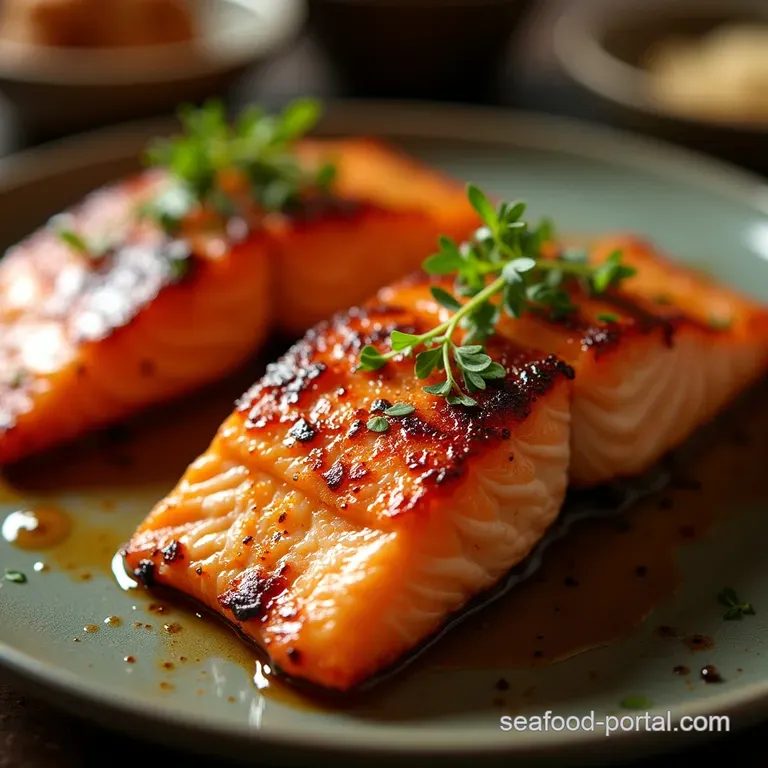
The secret to any fantastic Miso Salmon lies in the precise balance of the glaze. For our four 6-ounce fillets, we start with a foundation of 1/4 cup of white miso paste.
This is complemented by 2 tablespoons of mirin, 1 tablespoon of sake (or a good dry white wine as a substitute), and 1 tablespoon of granulated sugar, which is critical for achieving that sought after caramelization.
We also introduce 1 teaspoon of freshly grated ginger for a bright, aromatic background note that cuts through the richness.
Sourcing Sublime Salmon Fillets: Thickness Matters
Select four salmon fillets, each weighing approximately 6 ounces (about 170g). Centre cut portions are ideal as they cook more evenly under the high heat. Whether you choose skin-on or skin off is largely personal preference; skin-on provides extra moisture protection during the cook, but skin off allows the marinade to penetrate slightly more evenly around the sides.
Ensure the fillets are of similar thickness so they finish cooking simultaneously.
The Miso Matrix: White, Yellow, or Red?
For this specific recipe, white miso paste, also known as Shiro Miso , is highly recommended. It is the mildest and sweetest of the common varieties, delivering the classic delicate flavour profile that highlights the fish rather than overpowering it.
Yellow miso offers a slightly earthier, saltier punch, while red miso is robust and very salty. If you only have red miso, reduce the added sugar by half a teaspoon to maintain balance.
Essential Kitchen Gadgets for Flawless Broiled Miso Salmon Execution
You won't need specialized equipment, but a few key items streamline the process. A small mixing bowl and a whisk are necessary to ensure your glaze is completely lump free. Crucially, you will need a quarter sheet sized baking sheet lined generously with heavy duty aluminum foil.
This foil barrier is your best friend, catching all the sugary drippings which would otherwise bake onto the pan and make cleanup nearly impossible. A silicone pastry brush will be used to apply the marinade evenly.
Related Recipes Worth Trying
- Foolproof Baked Miso Salmon Sheet Pan Umami Dinner — Transform salmon fillets with our simple umamipacked miso glaze This easy baked miso salmon recipe cooks on one sheet pan for minimal washing up Get the recipe
- The Best Foolproof Lemon Herb Oven Baked Salmon Recipe — Stop serving up dry fish This easy Oven Baked Salmon Recipe uses fresh lemon and herbs for an incredibly moist fillet that cooks perfectly at 400 degrees...
- Easy 35Min Honey Sriracha Salmon Bowls with Coconut Rice — Ditch the boring dinner routine These weeknight salmon bowls feature sticky spicysweet salmon over fragrant coconut rice Foolproof flavour for any night of...
The Marination Chronicle: Patience for Perfect Penetration
While this dish is fast overall, the marination period is non-negotiable for deep flavour. After mixing your glaze, gently pat your salmon fillets completely dry with paper towels this ensures the thick marinade adheres beautifully. Brush a generous layer of the glaze over the top of each fillet.
Place the prepared fillets onto your foil lined baking sheet and transfer them directly into the refrigerator.
Broiling Mastery: Navigating High Heat Safely
Broiling is an aggressive cooking method that demands your attention. It is here that we convert our preparation into a perfectly cooked Broiled Salmon Miso Glaze . Readiness is key before the fish even enters the oven.
Whisking the Glaze: Achieving Silky Smooth Consistency
Before the fish meets the heat, take a moment to ensure your marinade is perfectly smooth. Miso paste tends to clump. Use a small whisk to vigorously combine the miso, mirin, sake, sugar, and ginger. You are looking for a thick, glossy liquid that spreads easily without any gritty resistance.
Any lumps remaining will burn before the fish cooks.
The Optimal Marinade Duration: Timing Your Flavor Infusion
For adequate flavour penetration, aim for a minimum of 30 minutes of chilling time for your Marinated Salmon . If you are planning ahead, this Miso Salmon Recipe benefits immensely from an overnight soak (up to 24 hours).
The acids in the sake/mirin help tenderize the fish, allowing the deep, savory notes of the miso to permeate beyond the surface.
Broiler Positioning: The Crucial Top-Rack Placement Explained
Preheating your broiler on high is essential. Once preheated, position the oven rack so the salmon sits approximately 4 to 6 inches away from the direct heating element this is generally the highest or second highest rack position.
This proximity is what creates the rapid browning effect characteristic of superior Broiled Miso Salmon . Do not walk away once the fish is under the heat; the proximity means the difference between perfect char and ruin is measured in seconds.
Doneness Detection: Judging When to Pull It From the Heat
The cooking time generally falls between 6 to 10 minutes, highly dependent on your broiler’s intensity and the thickness of your cuts. Start checking at the 6-minute mark.
The fish is done when the surface is deeply caramelized a rich mahogany brown, not yet burnt black and the internal temperature reaches 145° F ( 63° C).
If you gently press the thickest part of the fillet with a fork, it should flake apart easily, revealing opaque, moist flesh inside.
Elevating Your Plate: Suggested Pairings and Sides
This rich, flavourful fish deserves sides that offer a refreshing counterpoint. A mound of freshly steamed short grain rice is the quintessential partner, soaking up any residual glaze beautifully.
For vegetables, consider something slightly sharp or green: quick blanched asparagus tossed simply with a drizzle of good quality soy sauce, or tender bok choy sautéed with a touch of garlic.
These simple additions allow the umami impact of the Broiled Miso Salmon to remain the star of the show.
Preserving the Perfection: Storage and Reheating Protocols
Any leftovers should be cooled promptly and stored in an airtight container. The fish is safe to consume within three to four days when kept properly refrigerated. Reheating requires gentleness to avoid drying out the delicate texture achieved during the initial cook.
A brief 30 seconds in the microwave or, preferably, a few minutes gently warmed in a toaster oven at a low temperature will revive the fish nicely.
Flavor Twists: Spice It Up or Go Citrus Bright
While the classic preparation is sublime, feel free to experiment with your next batch. To introduce heat, whisk 1/2 teaspoon of Sriracha or a small pinch of Togarashi (Japanese seven spice blend) directly into your marinade before spreading it on the fish.
For a brighter, more contemporary twist, finish the plated salmon with a generous squeeze of fresh lime juice just before serving, which cuts through the richness beautifully.
Nutritional Snapshot: Health Benefits of This Umami Bomb
Salmon is renowned as a powerhouse of Omega-3 fatty acids, vital for heart and brain health. This preparation remains quite healthy; while the glaze contains sugar, the overall profile remains high in protein and essential fats.
This Miso Salmon offers an excellent way to consume nutrient dense fish without relying on heavy frying methods.
Extending Shelf Life: Safe Ways to Keep Leftover Salmon
If you find yourself with more leftover salmon than you can eat in three days, consider shredding the cooked fish and folding it into a vinaigrette dressed salad the next day, or mixing it into quick miso soup for an added protein boost.
Freezing cooked fish is generally not recommended as the texture degrades significantly, but short term refrigeration is perfectly safe.
Beyond Salmon: Applying This Glaze to Poultry or Tofu
The beauty of this versatile marinade is its adaptability. If you're looking for alternative protein sources, this Broiled Miso Salmon glaze performs wonderfully on thick cut pork chops or even firm tofu steaks.
Remember, however, that the cooking time must be adjusted significantly poultry will require internal temperatures near 165° F, and tofu requires less time, often needing a longer marination period to fully absorb the flavour.
Recipe FAQs
Why is my Broiled Miso Salmon burning on top before the inside is cooked?
Ah, the classic broiler panic! This usually happens because the heat source is too close or your broiler is working overtime. Ensure your rack is positioned about 4-6 inches from the element.
If it browns too fast, swiftly move the rack down one notch; the sugar in the miso glaze caramelizes very quickly, so you must watch it like a hawk!
Can I marinate the salmon for much longer than the suggested 30 minutes?
Absolutely! While 30 minutes is the minimum to get flavour in, marinating overnight (up to 24 hours) truly lets the miso work its magic, resulting in beautifully tender fish. However, since miso is salty, don't go much beyond 24 hours, or the texture might start to break down a touch.
My miso glaze is sticking horribly to the pan how do I avoid this mess next time?
That sticky, sweet glaze can be a nightmare to clean, I know! The trick is twofold: line your baking sheet with heavy duty aluminium foil, and then lightly brush that foil with a neutral oil before placing the fish on top. This creates a non-stick barrier, making cleanup as easy as peeling off the foil.
I don't have mirin or sake; what can I use instead in the marinade for this Broiled Miso Salmon?
Don't let a missing ingredient stop you; we can improvise! For the mirin, use a good quality dry sherry or even a dry white wine, adding just a half teaspoon of extra sugar to replicate the sweetness.
If you must skip the sake, use a touch more dry white wine; the alcohol helps thin the paste and tenderise the fish slightly.
How should I store any leftover broiled miso salmon?
If you manage to have any left, keep it stored in an airtight container in the fridge for up to two days. The flavour often deepens overnight! Reheating is best done gently; I suggest wrapping it in foil and warming it in a low oven (around 300°F or 150°C) rather than microwaving, which can dry it out.
Broiled Miso Salmon Recipe