Miso Glazed Cod: the Umami Bomb Japanese Recipe You Need Tonight
- Mastering the Classic: What Makes This Miso Glazed Cod Recipe Special
- Why This Miso Glaze Technique Delivers Perfect Cod Every Time
- Essential Ingredients and Expert Substitutions for Miso Glazed Cod
- Step-by-Step Guide: Preparing and Cooking Japanese Miso Glazed Cod
- Chef's Advanced Tips and Troubleshooting Common Glazing Mistakes
- Storage, Reheating, and Meal Prep Guide
- What to Serve with Miso Glazed Cod
- Recipe FAQs
- 📝 Recipe Card
Mastering the Classic: What Makes This Miso Glazed Cod Recipe Special
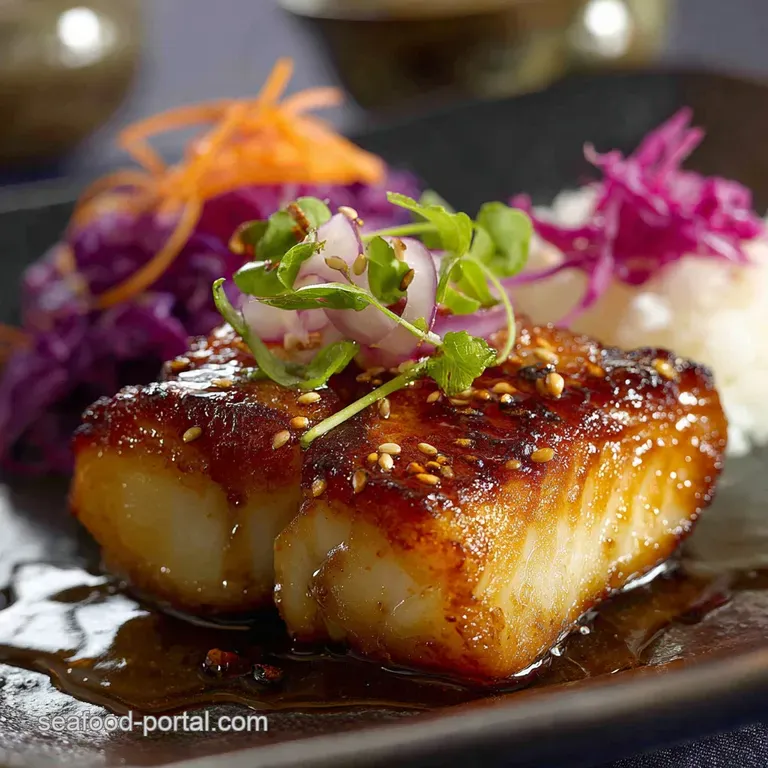
You know that deep, intoxicating aroma that drifts out of a seriously high end restaurant kitchen? That sweet, savoury, slightly caramelized scent that makes your eyes roll back? That is exactly what happens when this Miso Glazed Cod hits the oven, and honestly, the smell is almost as good as the first bite.
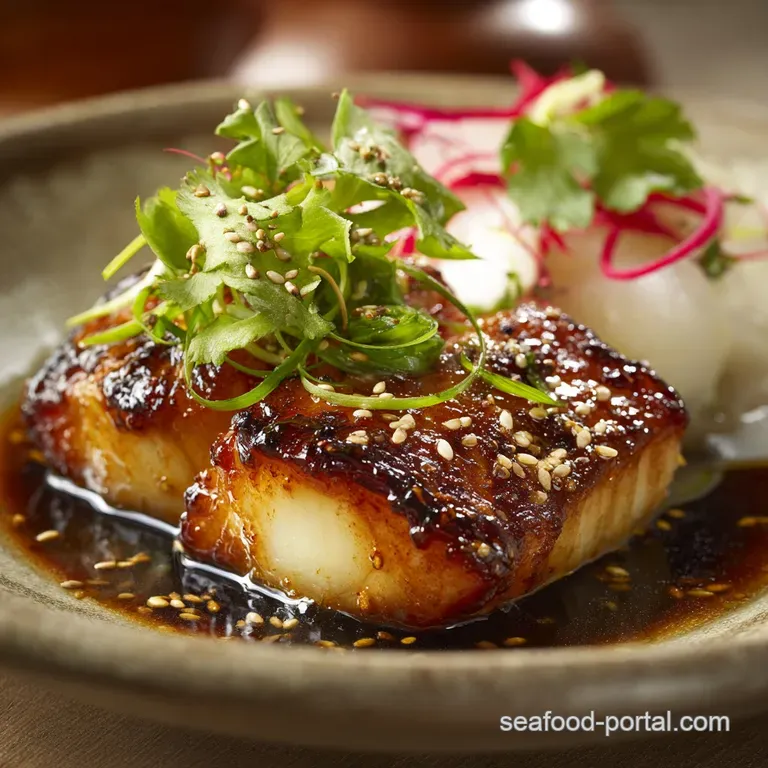
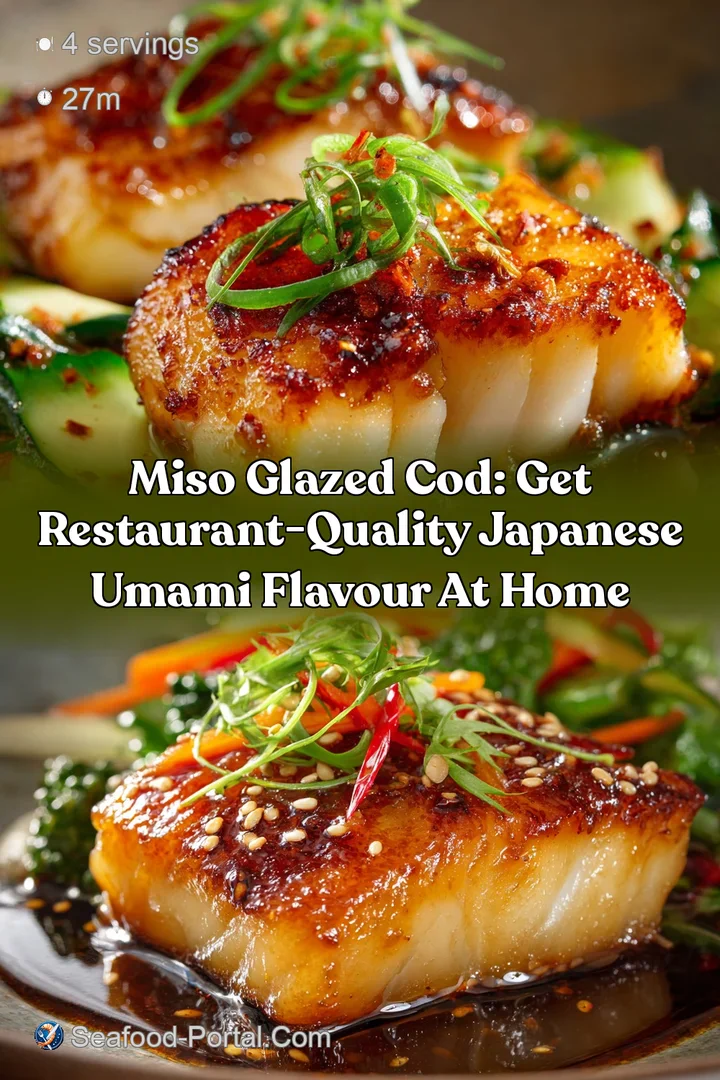
The finished cod fillet is unbelievably flaky, nestled under a burnished, sticky, salty sweet crust pure umami perfection.
But here’s the secret: this Miso Glazed Cod Recipe is deceptively easy and cheap compared to ordering it out. It looks like you spent hours sweating over a hot stove, but it’s mostly just a waiting game while the fridge does the heavy lifting.
This dish is seriously my go-to when I want to impress guests but only have 15 minutes of actual cooking time.
I’ve made every mistake possible with miso glaze (trust me, I’ve charred enough sugar to set off every smoke alarm in the postcode), so I’m here to guide you to the perfect, glossy finish. Forget complicated techniques; we’re sticking to the essentials that actually work for a home kitchen.
Let’s crack on and make some truly epic Japanese Miso Cod.
Why This Miso Glaze Technique Delivers Perfect Cod Every Time
This isn't just about mixing up some ingredients and dumping them on the fish. There's a method to the madness, and understanding the role of each ingredient ensures you get that tender texture and deep, sophisticated flavour.
The whole process is designed to maximize umami and prevent the sugar from turning into charcoal before the cod is cooked.
The Nobu Connection: A Brief History of Miso Cod
When people talk about this dish, they’re usually thinking of Chef Nobu Matsuhisa’s famous black cod variation, which became iconic in the 90s. While we’re using cod (a delicious, sustainable alternative to black cod/sablefish), the basic genius remains the same: a long, flavourful marination followed by high heat glazing.
You don’t need a fancy kitchen or a $50 dinner bill to nail this; you just need the right technique.
Deconstructing Umami: The Four Pillars of the Marinade
The glaze itself is a masterpiece of balance. You need the saltiness and depth of the miso, the acidity and sweetness of the mirin, the edge of the sake, and the rich caramelizing power of brown sugar. Removing any one component throws the entire flavour profile out of whack, leaving it either too salty or just flat.
Marination Science: How Miso Penetrates and Tenderizes
Miso paste, being a fermented soybean product, contains enzymes that act as a mild tenderizer. This means it doesn't just sit on the surface, flavouring the cod; it gently breaks down the proteins just enough to make the fish incredibly succulent.
I learned the hard way that you absolutely should not marinate this for days on end. The salt in the miso cures the fish like ceviche, and you end up with rubbery fillets. Stick to the 2 to 4 hour sweet spot.
The Role of Sake and Mirin in Flavor Deepening
These two Japanese rice wines are non-negotiable for authentic flavour. The sake cooks off almost instantly, leaving behind an earthy, complex flavour base that carries the miso deep into the fish. Mirin, the sweet counterpart, adds essential sugar for the eventual caramelization, plus a delicate, bright sweetness.
Achieving the Perfect Caramelized Crust (Without Burning)
This is the most critical step and where most home cooks fail. High sugar content means the glaze burns before the fish cooks if you apply it too thick or too early. The solution? We bake the cod almost completely before applying the final thin brush of glaze and hitting it with the high heat of the broiler.
Chef's Note: The single most important step for getting that deep, sticky burnish without scorching is wiping off the excess marinade before the initial bake. Don't be shy; wipe most of it away!
Essential Ingredients and Expert Substitutions for Miso Glazed Cod
The ingredient list is short, but the quality of each component really matters here. You’re building a big flavour with only five ingredients, so make them count.
Selecting the Best Cod Fillets (Weight, Thickness, and Skin)
Look for thick, center cut fillets, ideally about 1 inch (2.5 cm) thick. Thicker fillets ensure the fish doesn't overcook during the initial bake, giving the glaze time to caramelize perfectly. Skin on is usually better if you want a firmer texture, though skin off works just fine too. If you are looking for a totally different kind of crust, you could try my 15Minute Parmesan Almond Baked Cod: Crispy, Keto Weeknight Fish .
| Ingredient | My Top Choice | Substitution |
|---|---|---|
| Cod Fillets | Thick center cut Atlantic or Pacific Cod | Halibut, Sea Bass, or Salmon (needs longer marination). |
| White Miso Paste (Shiro) | Aged, organic white miso | Awase (blended red and white) for a richer, saltier flavour, but reduce the soy sauce. |
| Sake/Mirin | Hon Mirin (True Sweet Rice Wine) | Dry Sherry + 1 tsp Rice Vinegar + a splash of water for the sake/mirin. |
| Brown Sugar | Light Brown Sugar | Maple syrup or honey work well, though they produce a slightly thinner glaze. |
Decoding Miso Paste: Why Shiro (White) Miso is Key
There are tons of miso pastes out there, and they range from pale yellow to deep, dark brown. Shiro (white) miso is perfect here because it's milder, sweeter, and ferments faster. It allows the subtle sweetness of the mirin and sugar to shine through the saltiness.
If you only have red miso (aka miso), use less of it because the flavour is significantly stronger and much saltier.
Handling the Sweeteners: Brown Sugar vs. Maple Syrup
Brown sugar provides a lovely molasses note and helps build a thick, sticky glaze that maple syrup simply can’t replicate. I prefer brown sugar because it caramelizes slowly and beautifully. Maple syrup or honey are fine in a pinch, but watch them even more closely under the broiler as they tend to burn faster.
Equipment Check: The Essential Tools for Glazing
You definitely need parchment paper! This glaze is sticky and hot, and cleanup is an absolute nightmare if you skip the parchment. Also, a good fish spatula makes transferring those delicate glazed fillets so much easier once they’re cooked.
step-by-step Guide: Preparing and Cooking Japanese Miso Glazed Cod
Phase 1: Preparing and Whisking the Umami Marinade
First, gently heat the sake and mirin in a small saucepan until they just simmer. This step is crucial for evaporating the harsh alcohol flavour, leaving behind only the rich essence. Remove that pan from the heat immediately, then whisk in the miso, brown sugar, and soy sauce until everything is smooth as silk.
Let the glaze cool down; you don’t want to cook the fish before it hits the fridge.
Phase 2: The Critical Marinade Time (Minimum vs. Optimal Soak)
Place your cod fillets in a shallow, non-reactive dish. Pour the cool glaze over the top, making sure the entire surface is coated. The absolute minimum time is 30 minutes if you’re pressed, but trust me, 2 to 4 hours is the sweet spot.
This longer marination gives you that signature, profound umami depth. I once left fish in miso for 12 hours, and it tasted like a giant, rubbery salt lick. Don’t do that.
Phase 3: The Broiling Technique for Maximum Glaze Retention
Preheat your oven and set the rack high up near the broiler (grill) element, roughly 6 inches away. Remember how I said you have to wipe off the marinade? Do it now. Wipe it off, place the cod on the oiled parchment, and bake for 8– 10 minutes until almost opaque.
Then, brush on a very thin layer of reserved fresh glaze and crank up the broiler. Watch it like a hawk. Seriously, do not walk away.
Recognizing Done ness: Testing Cod for Ultimate Flakiness
Cod should flake easily when tested with a fork, meaning the interior separates cleanly into large, beautiful segments. If the flesh resists, it needs another minute or two. You are looking for an internal temperature of 145°F (63°C), but honestly, I just use the fork method it’s intuitive and reliable.
Chef's Advanced Tips and Troubleshooting Common Glazing Mistakes
People usually run into two problems: burning the glaze, or ending up with dry, overcooked fish. We fix both of them here.
Preventing the Miso From Burning Under the Broiler
The secret is managing the sugar. Since the glaze is almost 50% sugar by volume, it will torch instantly if placed under high heat for too long. Bake first, broil last. By cooking the fish most of the way through via baking, we only need 60 to 90 seconds under the fierce broiler to achieve that gorgeous, sticky caramelization.
If you think the glaze is too thick, simply thin it with a teaspoon of water before brushing it on for the final broil.
The Best Method for Removing Excess Marinade
Before baking, use a paper towel or the back of a spoon to gently scrape away any thick puddles of glaze from the surface of the cod. You want the fish to look stained and coated, but not completely encased in glaze. If you leave it too thick, the surface will char before the fish is even warm.
Should I Rinse the Cod Before Serving?
No, absolutely not. Rinsing the cod will remove all the glorious residual flavour and moisture barrier provided by the miso. You only remove the excess before cooking. Once it’s cooked, simply garnish and serve.
Adjusting Seasoning for Different Miso Types
If you chose to use Awase or Red Miso (which are saltier and more pungent than Shiro), consider reducing the amount of soy sauce in the recipe. Start with just half a teaspoon of soy sauce and taste the marinade before you use it. You can always add salt, but you can’t take it away!
Storage, Reheating, and Meal Prep Guide
Refrigerating and Freezing Cooked Miso Cod
Miso Glazed Cod is fantastic for meal prep. Store leftovers in an airtight container in the fridge for up to 3 days. But does it freeze well? You bet. Wrap the completely cooled fillet tightly in plastic wrap, then place it in a freezer bag, squeezing out all the air. It lasts safely for about 3 months.
Thaw it overnight in the fridge before reheating.
The Best Way to Reheat Without Drying Out the Fish
Reheating fish is always tricky it usually turns rubbery. My favourite method for this Japanese Miso Cod is using a low oven or an Air Fryer. Place the fish on a tray and cover it lightly with foil. Reheat at 150°C (300°F) for about 8 to 10 minutes, or until just warmed through.
This low, slow method ensures the delicate fish stays moist and tender.
What to Serve with Miso Glazed Cod
Because the cod is so rich and flavourful, you want simple, fresh sides that cut through the richness.
- Plain Steamed Rice: Jasmine or short grain sticky rice is the perfect vessel for soaking up any extra glaze left on your plate.
- Blanched Sesame Spinach: Quickly blanch spinach and toss it with toasted sesame oil and a tiny pinch of salt. The slight bitterness is the perfect counterpoint.
- Asian Inspired Salad: A crisp salad with a vinegary dressing (like Sunomono style cucumber salad) is essential. The acidity cleanses the palate wonderfully, making every bite of the cod feel fresh.
- Need a different cod night? Sometimes I want something crunchier. If that’s you, try my recipe for Fried Cod: Ultra Crispy pan-fried Fillets Ready in Under 30 Mins next time!
Recipe FAQs
What other types of fish work best if I don't have cod?
The classic preparation uses Black Cod (Sablefish), which has a high fat content that handles the strong glaze beautifully. Excellent substitutes include halibut, Chilean sea bass, or even thick salmon fillets, as these options maintain their structure during the high heat broiling.
Ensure your chosen fillet is at least 1.5 inches thick to prevent it from drying out.
How long should I marinate the cod, and can I over marinate it?
For the signature deep umami flavor, marinate the cod for a minimum of 6 hours, or ideally 24 to 36 hours. While longer is better for flavor infusion, do not exceed 48 hours. The high salt, alcohol, and acid content in the marinade will begin to chemically "cure" the delicate fish protein if left too long, resulting in a tougher, less desirable texture.
My fish turned out dry and rubbery. What did I do wrong?
This is almost always due to overcooking, often caused by using too high a heat or leaving the fish in the oven too long. Use an instant read thermometer and pull the cod when the internal temperature reaches 145°F (63°C).
If the glaze is browning too quickly during the cooking process, lower your oven temperature or move the rack further from the broiler element.
Can I skip the sake or mirin if I don't use alcohol?
While the alcohol cooks off, sake and mirin are critical for flavor profile and balancing the saltiness of the miso. You can substitute the sake with dry sherry or white grape juice mixed with a small dash of rice vinegar.
Replace the mirin with an equal amount of sweet rice vinegar mixed with a bit of sugar, or use extra white grape juice to maintain the necessary sweetness.
What kind of miso should I use, and can I substitute it with dark miso?
This recipe requires Shiro (White) Miso, which is fermented for a short time, giving it a sweet, mild flavor that caramelizes beautifully. We strongly advise against using dark/red miso (Aka Miso).
Aka Miso has a much higher salt content and a pungent, aged flavor that will completely overpower the cod and may burn too quickly under the broiler.
How should I store leftover Miso Glazed Cod, and can I freeze it?
Store cooked leftovers in an airtight container in the refrigerator for up to three days; reheat gently in a low oven or microwave. Cooked miso cod freezes surprisingly well; wrap the cooled fillets tightly in plastic wrap and foil and use them within two months.
Do not freeze the raw fish while it is submerged in the marinade, as this will ruin the fish's texture upon thawing.
How can I adjust the glaze if I want it spicier or sweeter?
To enhance the sweetness and caramelization, increase the brown sugar by one tablespoon or add a tablespoon of honey to the glaze mixture. For a gentle heat, incorporate half a teaspoon of shichimi togarashi (Japanese seven spice blend) or a small amount of chili oil into the marinade before adding the fish.
Alternatively, garnish the finished fish with finely sliced jalapeño.
Miso Glazed Cod Oven Recipe
Ingredients:
Instructions:
Nutrition Facts:
| Calories | 388 kcal |
|---|---|
| Protein | 15.6 g |
| Fat | 13.1 g |
| Carbs | 45.5 g |
