Mediterranean Charcuterie Board Mezze Platter
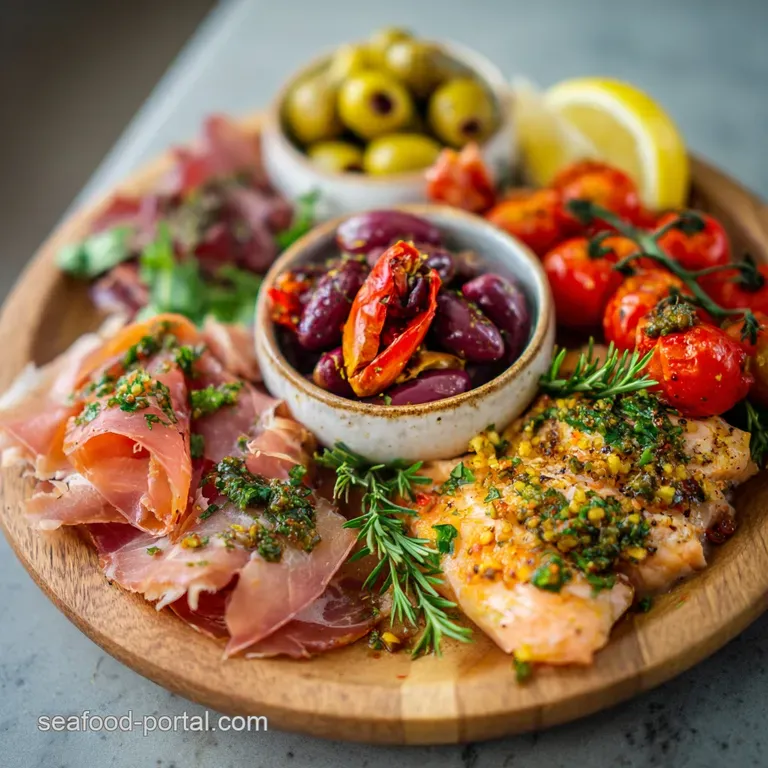
- Time: Active 20 minutes, Passive 0 minutes, Total 20 minutes
- Flavor/Texture Hook: A landscape of velvety hummus and tangy feta with crispy crackers.
- Perfect for: Sophisticated garden parties, stress free holiday hosting, or elegant weekend brunches.
- Creating the Ultimate Mediterranean Charcuterie Board Mezze Platter
- The Culinary Logic Behind This Vibrant Assembly
- Essential Quantified Specs for Your Spread
- Selecting the Finest Mediterranean Mezze Components
- Tools for a Professional Table Presentation
- Mapping Your Way to an Abundant Layout
- Solving Common Assembly and Texture Issues
- Modifying Your Board for Every Guest
- Keeping Your Mezze Components Vibrant and Fresh
- Creative Pairings for Your Celebratory Spread
- High in Sodium
- Recipe FAQs
- 📝 Recipe Card
Creating the Ultimate Mediterranean Charcuterie Board Mezze Platter
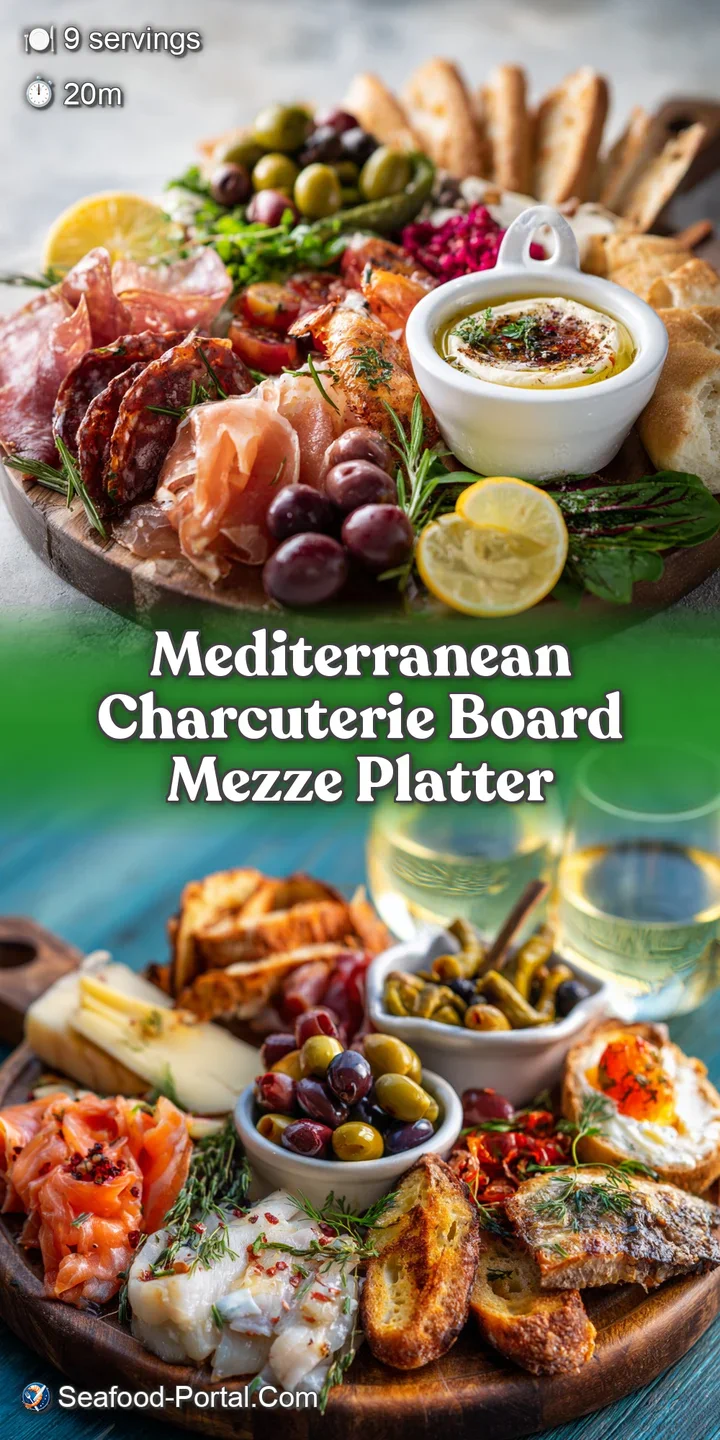
Picture this: you walk into a room and your eyes immediately land on a sprawling, colorful landscape of marble white feta, deep purple Kalamata olives, and vibrant, sun ripened tomatoes.
There is something deeply satisfying about the way a well curated spread encourages people to lean in, linger, and share stories while they assemble the "perfect bite." It’s less of a recipe and more of an art form, focusing on how different textures and temperatures interact on a single board.
I used to think that a great platter was just about buying expensive ingredients and throwing them together, but I quickly learned that harmony is key. If you have too many salty items without enough fresh, watery crunch from a cucumber, the palate gets fatigued.
We want a balance that keeps guests coming back for more without feeling weighed down.
We have all been there, staring at a half empty fridge wondering how to host a last minute get together. This guide is my tried and true method for building a spread that looks like it took hours but actually comes together in about twenty minutes.
We’ll focus on the architecture of the board, ensuring every dip, olive, and slice of salami has its rightful place for maximum visual impact and ease of eating.
The Culinary Logic Behind This Vibrant Assembly
The secret to a memorable spread lies in the contrast of "heavy" and "light" elements. While the hummus and cheese provide a rich, satiating base, the pickled peppers and fresh grapes act as palate cleansers. This ensures that every bite feels as exciting as the first one you took.
The Science of Why it WorksEmulsification Stability: The fats in the hummus and baba ganoush are emulsified with tahini, providing a silky mouthfeel that coats the tongue and carries the flavors of garlic and lemon.
Osmotic Balance: Salting the cucumbers or keeping them chilled prevents them from losing water, ensuring they maintain their crisp cellular structure against the creamy dips.
Chef Tip: Freeze your grapes for about 15 minutes before serving. It gives them a frosty, jewel like appearance and a refreshing, sorbet like interior that contrasts beautifully with warm toasted pita.
Chef Tip: Bloom your smoked paprika in the extra virgin olive oil by whisking them together in a small bowl before drizzling over the hummus. This activates the fat soluble flavor compounds for a much deeper, smokier aroma.
| Method | Time | Texture | Best For |
|---|---|---|---|
| Cold Assembly | 5 minutes | Fresh and snappy | Outdoor summer picnics |
| Toasted/Warm | 10 minutes | Contrasting temperatures | Formal dinner appetizers |
| Room Temp | 20 minutes | Fully developed flavors | Casual all day snacking |
If you are looking for a complete meal experience, this spread works beautifully as an elegant starter before serving my Salmon with Feta recipe as the main course. The dill and lemon notes in the salmon mirror the tzatziki on your board perfectly.
Essential Quantified Specs for Your Spread
Getting the proportions right is the difference between a board that looks "messy" and one that looks "abundant." We want enough variety to satisfy nine people, ensuring no one is fighting over the last stuffed grape leaf.
This specific ratio of dips to crackers ensures you don't end up with a bowl of hummus and nothing to scoop it with.
| Ingredient | Science Role | Pro Secret |
|---|---|---|
| Tzatziki (8 oz) | Acidic coolant | Strain the yogurt for 2 hours to prevent a watery dip. |
| Feta Cheese (7 oz) | Salt & Umami | Buy a block in brine; it stays creamy instead of becoming chalky. |
| Pita Triangles (2 cups) | Structural base | Spritz with water before toasting to keep the inside soft. |
When selecting your crackers, look for something with seeds or a high grain count. The extra fiber provides a sturdy "snap" that can hold the weight of a heavy dollop of baba ganoush without crumbling mid air. For the olives, I always recommend a mix.
The buttery Castelvetrano olives are a wonderful bridge for people who find the punchy, wine like notes of Kalamatas a bit too intense.
Selecting the Finest Mediterranean Mezze Components
Selecting your ingredients is where the personality of your board really shines. For this assembly, we are using a mix of store-bought shortcuts and fresh produce to keep things efficient. Remember, the quality of your olive oil will be very noticeable here, so use the good stuff for that final drizzle.
- Roasted Red Pepper Hummus (10 oz): Provides a sweet, smoky base.
- Tzatziki (8 oz): The essential cooling element.
- Smoky Baba Ganoush (8 oz): Adds an earthy, charred depth.
- Extra Virgin Olive Oil (2 tbsp): For finishing and richness.
- Smoked Paprika (1 tsp): Essential for a visual and flavor pop.
- Olives (1 cup): A mix of Kalamata and Castelvetrano.
- Artichoke Hearts (6 oz): Marinated in oil for extra tenderness.
- Stuffed Grape Leaves (10 units): The "hearty" bite of the platter.
- Peppadew Peppers (0.5 cup): A sweet heat vinegar punch.
- Feta Cheese (7 oz): Chunks provide a salty, creamy contrast.
- Salami (4 oz): Thinly sliced for easy folding and snacking.
- English Cucumber (1 unit): Sliced into sturdy batons.
- Cherry Tomatoes (1 pint): Provides bursts of fresh juice.
- Fresh Grapes (1 cup): To cut through the salt.
- Toasted Pita Triangles (2 cups): The primary vessel for dips.
- Seeded Crackers (0.5 cup): Adds a nutty, crunchy dimension.
| Original Ingredient | Substitute | Why It Works |
|---|---|---|
| Salami | Prosciutto | Salty and delicate. Note: Adds a more buttery texture than salami. |
| English Cucumber | Persian Cucumbers | Same crunch. Note: Smaller size makes for cuter, bite sized rounds. |
| Feta Cheese | Halloumi | Firm and salty. Note: Best if quickly seared in a pan first. |
Tools for a Professional Table Presentation
You don't need a professional kitchen to make this look world class, but a few specific items help with the "architecture" of the board. The goal is to create height and layers, so everything isn't just lying flat.
- Large Wooden Board or Marble Slab: This is your canvas. A 15 inch or larger surface is ideal for nine servings.
- Small Ceramic Bowls: You’ll need at least three for the hummus, tzatziki, and baba ganoush, plus smaller ones for olives or wet items like artichokes.
- Cheese Knives and Small Spoons: Don't make guests use their fingers for the dips; have a dedicated spoon for each bowl to keep flavors separate.
- Small Ramekins: Great for holding the peppadew peppers or pits from the olives.
If you are hosting a larger event and need a quick drink pairing, a Cape Cod Drink recipe is a fantastic, tart option that cuts through the richness of the salami and feta cheese.
Mapping Your Way to an Abundant Layout
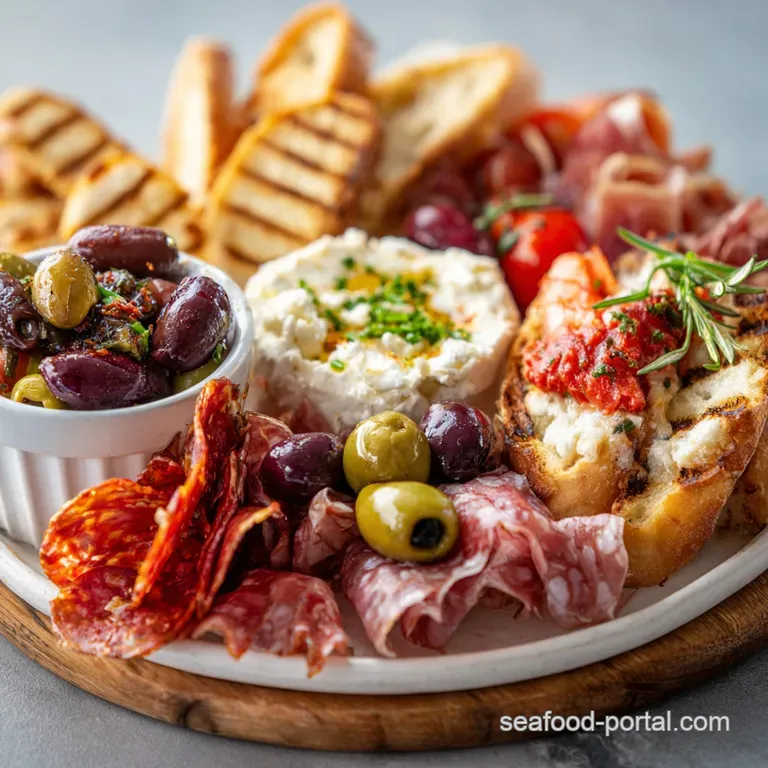
The way you build the board matters as much as the ingredients themselves. We start with the "anchors" and fill in the gaps to create a sense of overflow and generosity.
- Place the bowls first. Set the hummus, tzatziki, and baba ganoush in different corners of the board to act as your foundation.
- Drizzle and dust. Pour the extra virgin olive oil over the hummus and sprinkle with smoked paprika immediately so it looks fresh.
- Group the proteins. Arrange the feta chunks and folded salami slices near the center. Note: Folding the salami into "fans" makes them easier to grab.
- Add the structural walls. Lean the pita triangles and seeded crackers against the bowls until they form a sturdy perimeter.
- Cluster the brine. Place the olives, artichoke hearts, and peppadew peppers in small piles or additional tiny bowls.
- Nestle the dolmas. Tuck the stuffed grape leaves into any remaining large gaps until the board looks densely packed.
- Introduce the fresh crunch. Arrange the cucumber batons and cherry tomatoes in vibrant rows between the dips and meats.
- Fill the "holes" with fruit. Use the grapes to fill the tiny empty spaces until no wood or marble is visible.
- Final Check. Look for color balance. If you have too much green in one spot, move a few red peppers over to break it up.
Solving Common Assembly and Texture Issues
Even with the best ingredients, things can go sideways if you don't account for moisture. Nobody wants a cracker that has turned into a sponge because it was touching a tomato.
Why Your Crackers Get Soft
The main culprit is "moisture migration." When dry crackers sit directly against wet items like cucumbers or dips, they pull the water out of the produce.
| Problem | Root Cause | Solution |
|---|---|---|
| Soggy Pita | Condensation in bag | Toast just before serving and stand them upright to vent. |
| Watery Tzatziki | Cucumber juice | Salt the grated cucumber and squeeze it dry before mixing. |
| Dry Hummus | Air exposure | Drizzle a thin layer of olive oil on top to seal it. |
Why Your Feta Seems Bland
Often, pre crumbled feta has anti caking agents that dry it out and dull the flavor. Always buy the block.
Preventing a "Flat" Looking Board
If your board looks boring, it’s likely because everything is the same height. Use your bowls to create hills, and stack your crackers in "shingled" rows to create movement and depth.
Common Mistakes Checklist ✓ Never place wet items (like olives or pickles) directly on the wood; use small bowls. ✓ Don't slice the cucumbers too thin, or they won't be strong enough to scoop the dips.
✓ Keep the crackers and pita separate until the very last second before guests arrive. ✓ Ensure the salami is at room temperature; the fats soften and the flavor is much better. ✓ Avoid using "pitted" olives if possible; whole olives generally have a firmer, better texture.
Modifying Your Board for Every Guest
One of the best things about a Mediterranean Charcuterie Board Mezze Platter is how easily it adapts to different needs without losing its elegance.
Scaling Down for Two If you are just making a date night snack, use half the quantities of the dips and stick to one type of olive. Use a small dinner plate instead of a large board to keep the "abundant" look. Reduce the pita to one cup and use just a few slices of salami.
Scaling Up for a Crowd For a party of twenty, don't just buy more of everything buy bigger versions. Use full sized bowls for the dips. For the crackers and pita, place them in a separate basket next to the board to save space.
Increase the salt and spices by only 1.5x rather than doubling them to avoid over seasoning.
Dietary Alternatives If you have vegan guests, swap the tzatziki for a cashew based cream and replace the feta with marinated tofu cubes. For gluten-free needs, replace the pita and seeded crackers with sliced radishes, bell pepper strips, or specific GF certified nut crackers.
Keeping Your Mezze Components Vibrant and Fresh
Proper storage ensures that your leftovers remain a treat rather than a chore the next day. This is a "fresh" dish, so the clock starts ticking the moment you assemble it.
- Fridge
- Store the dips, cheeses, and meats in separate airtight containers for up to 4 days.
- Vegetables
- Keep the cucumbers and tomatoes in a container with a damp paper towel to maintain humidity. They'll stay snappy for about 2 days.
- Pita/Crackers
- Keep these in a sealed bag at room temperature. Do not refrigerate, or they will go stale and chewy.
- Freezing
- Generally, I don't recommend freezing a finished board. However, you can freeze the pita bread for up to 3 months.
Zero Waste Tips If you have leftover bits of feta and olives, chop them up and toss them with some olive oil and pasta for a quick Mediterranean salad the next day.
Leftover hummus is a fantastic spread for a turkey sandwich or can be thinned out with a little lemon juice to make a creamy salad dressing. Don't toss the oil from the marinated artichokes! It’s infused with herbs and is perfect for sautéing chicken or drizzling over roasted potatoes.
Creative Pairings for Your Celebratory Spread
While this board is a star on its own, it plays very well with others. If you want to lean into the seafood theme of a true Mediterranean feast, this platter is the perfect opening act for a Mediterranean Fish Fillets recipe. The zesty pan sauce of the fish complements the herb forward nature of the mezze.
The "If You Want X, Do Y" Guide If you want a more "filling" board, add warm, roasted chickpeas tossed in cumin. If you want a more "sweet" board, add dried apricots and a small honeycomb. If you want a more "smoky" board, grill the pita triangles until they have dark char marks.
Debunking Presentation Myths Many people believe that "more is always better." In reality, overcrowding can make it hard for guests to pick things up without knocking something over. Leave a tiny bit of "breathing room" around your small bowls.
Another myth is that you must make everything from scratch. Honestly, high-quality store-bought hummus is often better than homemade unless you have a high powered blender and plenty of time to peel chickpea skins. Focus your energy on the assembly and the fresh elements.
For those who love a bit of theater at the table, you might even consider serving this alongside a Homemade Grilled Octopus recipe. The charred, tender octopus provides a premium protein that makes the entire spread feel like a high end coastal restaurant experience. Trust me, your guests will be talking about it for weeks.
High in Sodium
892 mg mg of sodium per serving (39% % of daily value)
The American Heart Association recommends limiting sodium intake to no more than 2,300mg per day for most adults.
Tips to Reduce Sodium
-
Reduce Feta-20%
Feta cheese is a significant source of sodium. Use only 3 oz instead of 7 oz or substitute with fresh mozzarella, which is lower in sodium. This will significantly reduce the overall sodium content.
-
Limit Olives-15%
Olives, especially Kalamata, are high in sodium. Reduce the amount of olives used by half, and consider rinsing them before adding them to the platter to remove excess brine. Alternatively, substitute with a lower sodium option like raw vegetables.
-
Fresher is Better-15%
Marinated artichoke hearts, stuffed grape leaves, and peppadew peppers are packed with salt. Choose fresh, unmarinated artichoke hearts (if available), make your own dolmas with a low-sodium recipe, and consider using fresh sweet peppers instead of peppadews.
-
Skip the Salami-15%
Processed meats like salami contribute a large amount of sodium. Omit the salami altogether, or substitute it with a lower sodium protein source like grilled chicken or chickpeas seasoned with herbs.
-
DIY Dips-10%
Prepared hummus, tzatziki, and baba ganoush often contain a lot of added sodium. Make your own versions at home to control the sodium content. Use fresh ingredients and less salt.
-
Swap for Low Sodium-5%
Replace the seeded crackers with unsalted crackers, or add more cucumber slices to increase the freshness of the dish.
-
Flavor Boost
Enhance the flavor of your platter with fresh herbs and spices instead of relying on salt. Experiment with dill, mint, parsley, garlic powder, onion powder, and black pepper.
Recipe FAQs
What is a Mediterranean mezze platter?
It's a collection of small, flavorful dishes. A Mediterranean mezze platter, or board, is a vibrant assortment of dips, cheeses, olives, vegetables, and small bites inspired by the cuisines of the Mediterranean region, designed for sharing and grazing.
What is the 3-3-3 rule for charcuterie boards?
It's a guideline for variety and balance. The 3-3-3 rule suggests including three types of meat, three types of cheese, and three types of accompaniments (like crackers, fruits, or nuts) to ensure a well rounded and interesting board, similar to the balanced elements on a mezze platter.
What is the difference between a charcuterie board and a mezze board?
Charcuterie focuses on cured meats; mezze is broader. A traditional charcuterie board highlights cured and prepared meats, often with cheeses and bread, whereas a mezze board is inspired by Mediterranean and Middle Eastern traditions and features a wider array of dips, vegetables, olives, cheeses, and
sometimes small meat or seafood items.
What to include on a mezze board?
Aim for a variety of textures and flavors. Include creamy dips like hummus and tzatziki, salty cheeses such as feta, briny olives, marinated artichoke hearts, fresh vegetables, stuffed grape leaves, and toasted pita bread or crackers.
Can I use pre-marinated artichoke hearts on my mezze board?
Yes, they are a perfect shortcut. Pre-marinated artichoke hearts add instant flavor and a tender texture, saving you preparation time while contributing to the overall Mediterranean profile of the board. This is similar to how we leverage convenient, high-quality ingredients in recipes like our Tilapia with Lemon Caper Sauce: Restaurant Quality in 25 Minutes.
How do I prevent my dips from drying out on the board?
Drizzle a thin layer of olive oil. Applying a thin layer of good quality extra virgin olive oil over dips like hummus or baba ganoush acts as a barrier, preventing air from reaching the surface and keeping them creamy and fresh for longer.
Is it okay to include some cured meats on a mezze board?
Yes, it adds a savory element. While not traditional to every mezze platter, including a few thinly sliced cured meats like salami or prosciutto can complement the other flavors and add a satisfying richness, much like how a protein can elevate a simple sauce.
Mediterranean Mezze Board
Ingredients:
Instructions:
Nutrition Facts:
| Calories | 431 kcal |
|---|---|
| Protein | 13.7 g |
| Fat | 26.6 g |
| Carbs | 34.4 g |
| Fiber | 4.5 g |
| Sugar | 7.2 g |
| Sodium | 892 mg |
