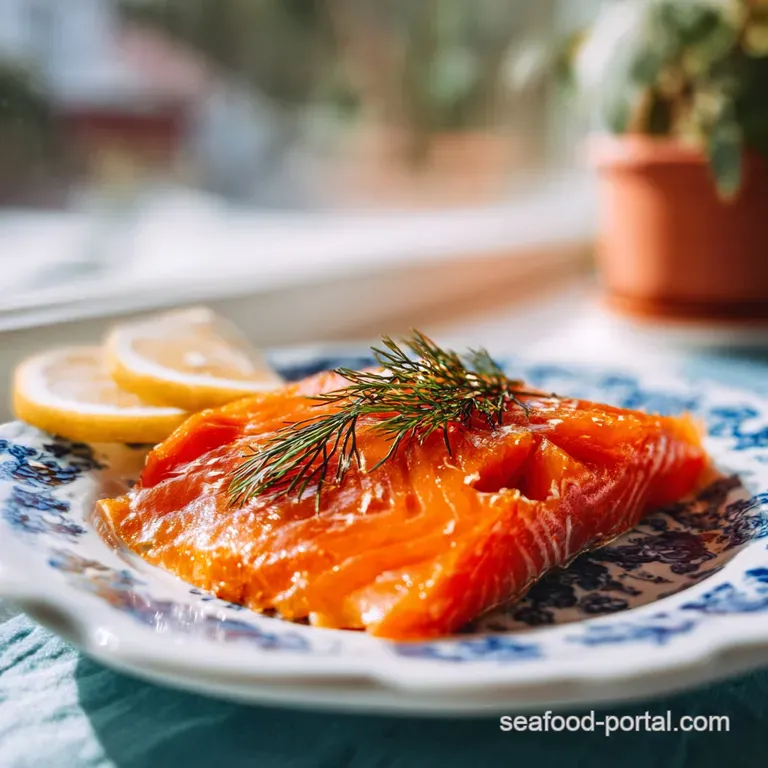
Mahogany Smoked Salmon: Glazed and Buttery
- Time: Active 45 minutes, Passive 570 minutes, Total 615 minutes
- Flavor/Texture Hook: Silky, mahogany glazed flakes with a subtle wood smoke finish
- Perfect for: Weekend hosting, impressive brunch spreads, or gourmet meal prep
- The Secret Pellicle Technique for a Better Smoked Salmon Recipe
- Essential Time and Temperature Numbers for Flawless Results
- Why Every Grain of Sugar and Salt Matters Here
- Choosing the Best Fillets and Pantry Staples for Success
- Choosing the Right Smoker and Wood for Sweet Smoke
- Your Step by Step Guide to Hot Smoking Success
- Fixing Dry Texture or Excess Salt in Your Fillet
- Creative Flavors and Diet Friendly Swaps for Your Fish
- Adjusting Your Batch Size for Small Snacks or Large Crowds
- Debunking Popular Misconceptions About the Smoking Process
- How to Store and Reheat Smoked Fish Safely
- Perfect Complements to Serve Alongside Your Homemade Smoked Creation
- Recipe FAQs
- 📝 Recipe Card
The Secret Pellicle Technique for a Better Smoked Salmon Recipe
Have you ever wondered why some smoked fish looks like it came out of a professional smokehouse glossy, deeply bronzed, and firm while others look a bit dull and "sweaty"? The secret isn't actually in the smoker itself, but in a weird little biological process that happens on your kitchen counter.
It’s called the pellicle, and honestly, once I learned about it, my fish game changed forever.
When I first started experimenting with this smoked salmon recipe, I used to pull the fish straight from the brine, rinse it, and toss it into the heat. Big mistake. The result was always a bit grey and lacked that beautiful "shatter" on the surface. Now, I let the salmon sit out until it develops a tacky, shiny skin.
That "stickiness" is actually what allows the smoke to adhere to the protein. Without it, the smoke just bounces off.
We aren't just cooking fish here; we are layering flavors like a master painter. From the initial salt draw to the final maple brush, every minute of the 615 minutes total time is designed to build a profile that’s sweet, savory, and undeniably rich.
It takes patience, but the first time you pull a flake off a warm, 107°C fillet, you’ll realize that the grocery store "lox" just can't compete with something you’ve crafted yourself.
The Power of the Pellicle
This isn't just "drying out" the fish. As the salmon sits on a wire rack for those 2 to 3 hours, the proteins on the surface bind together to form a thin, lacquer like layer. This layer is the magnet for smoke. If you skip this, your wood chips are basically working for nothing.
Preventing the "White Goo"
You know that weird white stuff (albumin) that sometimes oozes out of salmon? That usually happens when the heat is too high, too fast. By starting low and ramping up to 107°C (225°F), we keep those proteins calm, ensuring the moisture stays inside the flakes rather than leaking out onto the skin.
The Osmotic Exchange
The salt in our brine does more than season. It physically restructures the muscle fibers so they can hold onto more moisture even after hours in the smoke. It's the ultimate insurance policy against dry fish.
Essential Time and Temperature Numbers for Flawless Results
Getting the timing right is the difference between a silky masterpiece and a piece of salty wood. Because we are working with 2 lbs of fresh salmon, we have to be precise with our checkpoints. Whether you're using a pellet grill or a traditional offset smoker, these numbers are your North Star.
| Thickness of Fillet | Smoker Temperature | Internal Target | Visual Cue |
|---|---|---|---|
| 2 cm (Thin tail) | 107°C (225°F) | 63°C (145°F) | Opaque and firm to touch |
| 4 cm (Center cut) | 107°C (225°F) | 63°C (145°F) | Flakes easily with a fork |
| 5 cm+ (King salmon) | 107°C (225°F) | 63°C (145°F) | Mahogany exterior skin |
When you're looking at the total time of 10 hours 15 mins, remember that 8 hours 15 mins of that is purely hands off. You're letting science do the heavy lifting while you go about your day.
The actual "active" cooking is only 120 minutes of watching the thin blue smoke dance over the maple glaze.
I’ve found that the internal temperature is the only metric that truly matters. Don't trust your eyes alone; use a reliable digital probe. If you pull it at 63°C, the carryover heat will keep it succulent without making it "mushy."
Why Every Grain of Sugar and Salt Matters Here
In this smoked salmon recipe, the ingredients are doing a lot of chemistry behind the scenes. We aren't just tossing things in a bowl; we’re creating a curing environment. Understanding why we use dark brown sugar instead of white, or why kosher salt is non negotiable, will help you adjust the flavor to your own palate.
| Ingredient | Science Role | Pro Secret |
|---|---|---|
| Dark Brown Sugar | Humectant & Color | The molasses adds a deep caramel note that pairs perfectly with fruitwood smoke. |
| Kosher Salt | Moisture Extraction | Large grains dissolve slowly, preventing the fish from becoming "cured through" too fast. |
| Maple Syrup | Surface Tension | Acts as a final "glue" for smoke particles and creates a glossy, professional finish. |
The interaction between the salt and the sugar is what creates the "brine." You'll notice after a few hours in the fridge that the dry mixture turns into a thick syrup. This is exactly what we want it means the salt is pulling water out of the cells, concentrating the salmon flavor.
Chef's Tip: Always use pure maple syrup. The "pancake syrup" stuff is mostly corn syrup and will burn or taste artificial under the heat of the smoker.
Choosing the Best Fillets and Pantry Staples for Success
Selecting your fish is 90% of the battle. For this smoked salmon recipe, I always look for a 2 lbs fresh salmon fillet that is center cut. The tail piece is too thin and will overcook before the rest of the fish is ready. You want that thick, uniform slab so every bite is consistent.
- 2 lbs fresh salmon fillet: Look for bright orange or deep red flesh with no "fishy" odor. Skin on is mandatory to protect the meat from the heat.
- 1 cup dark brown sugar:Why this? The molasses provides the "sticky" base for the mahogany color we crave. (Substitute: Light brown sugar or maple sugar).
- 1/3 cup kosher salt:Why this? Provides the osmotic pressure needed to firm up the flesh. (Substitute: Coarse sea salt, but reduce by 1 tablespoon).
- 1 tbsp coarse black pepper: Adds a bite that cuts through the fatty richness. (Substitute: White pepper for a milder heat).
- 1 tsp garlic powder: Provides a savory backbone. (Substitute: Granulated garlic).
- 1 tsp onion powder: Adds a subtle sweetness and depth. (Substitute: Shallot powder).
- 2 tbsp pure maple syrup: The final glaze for that glossy "candy" look. (Substitute: Honey or agave nectar).
When it comes to the salt, please don't use table salt. The grains are too fine and it will make the fish incredibly salty. If you're feeling adventurous later on, you can even check out this Blackened Salmon with Dill Sauce for a different take on bold salmon flavors, but for smoking, we stick to the dry cure method.
Choosing the Right Smoker and Wood for Sweet Smoke
You don't need a $2,000 rig to make this smoked salmon recipe work. Whether you have a pellet smoker (like a Traeger), a charcoal Weber, or an electric cabinet smoker, the principles remain the same. The goal is "blue smoke" that almost invisible, sweet smelling vapor.
If the smoke is thick and white, your fish will taste like an ashtray.
I personally recommend fruitwoods for salmon. Applewood is the classic choice because it’s mild and sweet, but Maple wood is a close second, especially since we are using maple syrup in the glaze.
Avoid heavy woods like Hickory or Mesquite for this particular recipe; they are far too aggressive and will overpower the delicate oils of the fish.
| Fresh Fillet (This Recipe) | Shortcut (store-bought Smoked) | The Real Difference |
|---|---|---|
| Hand cured for 6 hours | Mass produced in liquid brine | Texture is firm but buttery; store-bought is often "slimy." |
| Natural fruitwood smoke | Liquid smoke flavorings | Complexity of real smoke vs. a singular chemical note. |
| Custom sweetness | High sodium/preservatives | You control the sugar to salt ratio for your health. |
If you are using a charcoal smoker, you'll need to work a bit harder to keep the temperature at 107°C (225°F). I find that using the "minion method" (lighting only a few coals at a time) helps maintain that low, steady heat for the 120 minutes of cook time.
Your step-by-step Guide to Hot Smoking Success
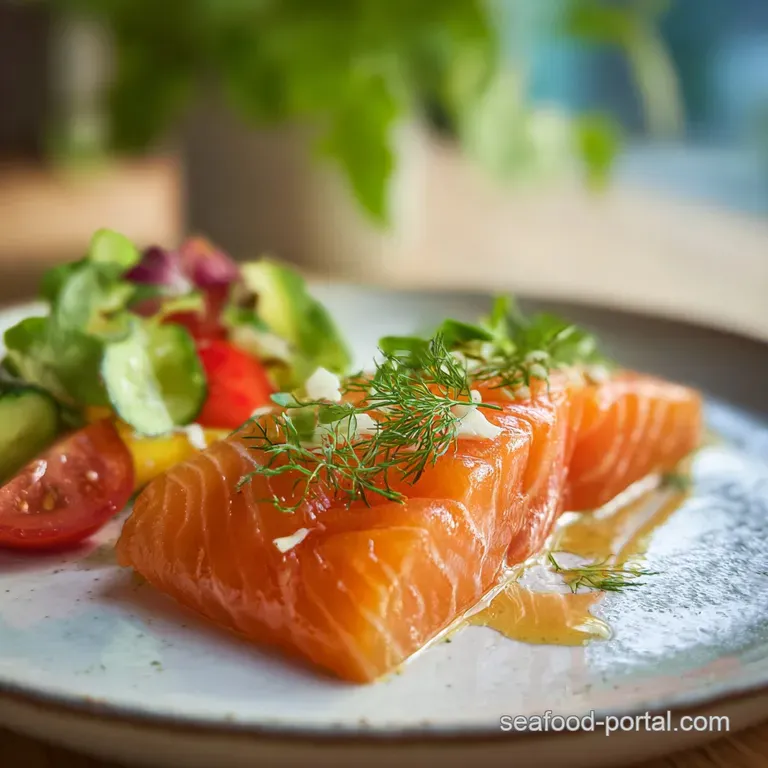
Right, let's get into the actual process. This is where the magic happens. Follow these steps exactly no shortcuts on the drying time, trust me on this!
- Prep the fish. Pat the 2 lbs salmon dry with paper towels. In a medium bowl, whisk the 1 cup dark brown sugar, 1/3 cup salt, 1 tbsp pepper, 1 tsp garlic powder, and 1 tsp onion powder until combined.
- Apply the brine. In a glass baking dish, lay down a thin layer of the dry brine. Place the salmon skin side down on the brine and pack the remaining mixture over the flesh. Note: This creates a 360 degree curing environment.
- The long wait. Cover with plastic wrap and refrigerate for 4 to 6 hours. Until the mixture looks like wet sand and the fish feels firm.
- The rinse. Remove the salmon from the brine and rinse thoroughly under cold water to remove excess salt. Note: If you don't rinse well, it will be inedibly salty.
- Dry and set. Pat the fillet completely dry. Place the salmon on a wire rack set over a baking sheet. Let it air dry in a cool, breezy spot for 2 to 3 hours until a tacky, shiny skin (the pellicle) forms.
- Fire up the smoker. Preheat your smoker using fruitwood (Apple or Maple). Set it to 107°C (225°F).
- Start the smoke. Place the salmon in the smoker. Start at a low temperature, gradually ramping up to 107°C.
- The glaze. During the final 30 minutes of cooking, brush the surface of the salmon with 2 tablespoons of pure maple syrup. Until the surface is glistening and dark.
- The finish. Smoke until the internal temperature reaches 63°C (145°F). Until the flakes separate easily when pressed with a finger.
- Resting. Remove from heat and let rest for 10 minutes before serving. Note: This allows the juices to redistribute so the fish stays moist.
Chef's Tip: If you're in a humid kitchen and the pellicle isn't forming, point a small desk fan at the fish. It speeds up the process significantly!
Fixing Dry Texture or Excess Salt in Your Fillet
Even with the best intentions, things can go a bit sideways. Maybe your smoker spiked in temperature, or maybe you left it in the salt a bit too long. Don't panic! Most of these issues are easily fixed or avoided the next time around.
Why Your Salmon Is Too Salty
If the fish tastes like a salt lick, it usually means the rinse wasn't thorough enough or the cure went longer than 6 hours. Salt continues to penetrate the deeper it sits. If this happens, flake the fish and use it in a creamy pasta or salad where the other ingredients can balance it out.
The Texture Is Mushy
Mushy salmon usually happens because it wasn't dried long enough to form the pellicle, or it was frozen and thawed improperly. high-quality, fresh salmon is key. If it's already mushy, try finishing it under a broiler for 60 seconds to crisp up the top.
The Surface Is Grey or Dull
This is the classic sign of skipping the air drying phase. Without that pellicle, the smoke doesn't "stick," leaving you with a steamed looking fish rather than a smoked one.
| Problem | Root Cause | Solution |
|---|---|---|
| White "goo" on top | Smoker was too hot | Keep temp at 107°C and ramp up slowly. |
| Dry, tough edges | No water pan in smoker | Add a small tray of water to the smoker to keep humidity high. |
| Bitter smoke taste | Poor airflow/Creosote | Ensure your smoke is "blue" and thin, not thick and white. |
Common Mistakes Checklist
- ✓ Never skip the rinse step; the dry brine is meant to be removed, not cooked on.
- ✓ Ensure the salmon is at room temperature for 20 minutes before smoking to prevent "thermal shock."
- ✓ Don't overcrowd the smoker; air needs to circulate around all sides of the wire rack.
- ✓ Avoid using "softwoods" like pine or cedar for smoking; the resins are toxic and taste terrible.
- ✓ Always use a wire rack during the drying phase so the bottom of the fish gets airflow too.
Creative Flavors and Diet Friendly Swaps for Your Fish
While the maple brown sugar combo is the gold standard for a smoked salmon recipe, you can definitely play around with the profile. Once you master the technique, the "flavor layers" are yours to manipulate.
If you want a spicier kick, add a teaspoon of chipotle powder or crushed red pepper flakes to the dry brine. The heat plays beautifully against the sweet maple glaze.
For a Keto friendly version, replace the brown sugar with a gold monk fruit sweetener and use a sugar-free maple substitute. Just be aware that sugar-free substitutes don't caramelize quite as well, so you might lose a bit of that "glaze" look.
For those watching their salt intake, you can reduce the curing time to 3 hours, but keep the salt quantity the same. You need the salt to perform the "cure," but a shorter duration means less of it stays in the meat.
- If you want a "Candy" style fish
- Double the maple syrup and add a honey drizzle in the last 10 minutes.
- If you want a "Savory" style fish
- Add 1 tbsp of dried dill and lemon zest to the dry brine.
- If you want a "Peppery" style
- Crusted the pellicle with cracked peppercorns right before it goes into the smoker.
Adjusting Your Batch Size for Small Snacks or Large Crowds
Scaling a smoked salmon recipe is actually quite easy because the "cure" is a ratio. If you want to make a massive 10 lb side of salmon for a party, you just need to ensure your glass dish is big enough and you have enough wire racks.
Scaling UP (2x - 4x): When doubling the recipe, you'll need about 2 cups of brown sugar and 2/3 cup of salt. However, spices like garlic and onion powder don't need to be doubled exactly 1.5x is usually plenty to avoid them becoming overwhelming.
You'll likely need to work in batches in the smoker unless you have a multi rack vertical smoker.
Scaling DOWN (1/2 size): If you're just smoking 1 lb of salmon, use a smaller glass dish. If the dish is too big, the brine will spread out too thin and won't cover the fish properly.
Reduce the smoking time by about 20%, as smaller fillets reach that 63°C internal temp much faster.
For larger batches, I suggest keeping the fillets separate rather than one giant piece. This allows for better smoke penetration and ensures that the "edges" which are the best part are plentiful.
Debunking Popular Misconceptions About the Smoking Process
There is a lot of "old wives' tale" advice in the smoking community that can actually ruin your fish. Let's clear the air so you can cook with confidence.
One big myth is that you must soak your wood chips. People think this creates more smoke. In reality, it just creates steam. Steam lowers the temperature of your smoker and can make the fish soggy. Professional pitmasters almost always use dry wood for a cleaner, more consistent burn.
Another one is that searing the meat "seals in juices." This is scientifically false. Searing adds flavor through the Maillard reaction, but moisture loss actually increases at higher temperatures. That’s why we stay low and slow at 107°C.
The low heat is what keeps the salmon juicy, not a "seal."
Finally, don't believe that wild salmon is always better. While wild salmon has a great flavor, farmed Atlantic salmon often has a higher fat content, which makes it much more forgiving in a smoker. If it's your first time, a fatty Atlantic fillet is actually easier to get "perfect."
How to Store and Reheat Smoked Fish Safely
Once you've put in 10 hours 15 mins of work, you want to make sure the leftovers stay fresh. Smoked salmon is a "cured" product, which means it lasts longer than fresh fish, but it still has limits.
Storage Guidelines: Keep your smoked salmon in an airtight container in the fridge for up to 5 days. If you want it to last longer, vacuum sealing is the way to go; it can stay fresh for up to 3 weeks in the fridge if sealed properly. In the freezer, smoked salmon stays good for about 3 months. When you're ready to use those bits and pieces, they are incredible in this creamy smoked salmon dip.
Zero Waste Tip: Don't throw away the skin! If you peel the skin off the finished salmon, you can fry it in a pan until it's "shatter crisp." It’s like a sea salt cracker that tastes like pure smoke and salmon fat. It’s the ultimate chef’s snack while you’re cleaning up.
Reheating: Honestly? Don't reheat it. Smoked salmon is best served at room temperature or cold. If you must warm it up, do it very gently in a low oven (120°C) covered in foil with a splash of water to prevent it from drying out.
Perfect Complements to Serve Alongside Your Homemade Smoked Creation
So, you’ve got this beautiful, mahogany glazed salmon. Now what? The richness of the smoke needs something bright and acidic to cut through the fat.
I love serving this with a classic spread: toasted bagels, high-quality cream cheese, capers, and very thinly sliced red onions. The "pop" of the capers is the perfect foil for the sweet maple glaze. If you're looking for a lighter dinner, flake the salmon over a bed of arugula with a lemon shallot vinaigrette.
The Classic Appetizer Spread: Arrange the salmon on a wooden board with some artisan crackers, a wedge of brie, and some quick pickled cucumbers. The crunch of the cucumber against the buttery fish is a texture match made in heaven.
The Brunch Scramble: Fold small flakes of the salmon into soft scrambled eggs right at the very end. The residual heat of the eggs will warm the fish just enough to release its oils without overcooking it. It turns a basic breakfast into a five star meal in seconds.
Trust me, once you've had your own home smoked salmon, you'll never go back to the store-bought stuff again!

Recipe FAQs
Is smoked salmon ok for people with gout?
No, it is generally not recommended. Salmon contains purines, which can trigger gout flare ups in sensitive individuals, regardless of the smoking process.
Is smoked salmon ok for diabetics?
Yes, but monitor your portions. While salmon is a high protein, heart healthy choice, the brown sugar used in the dry brine adds a small amount of sugar that should be accounted for in your daily intake.
Can I eat smoked salmon with high cholesterol?
Yes, in moderation. Salmon is rich in omega-3 fatty acids which support heart health, but keep an eye on your total sodium intake due to the kosher salt used in the curing process.
What are common mistakes when smoking salmon?
Skipping the rinse step is a major error. Failing to rinse the dry brine off thoroughly after the 4 to 6-hour refrigeration period leaves excess salt on the fish, making the final result unpalatably harsh.
How to achieve a perfect pellicle for smoking?
Place the salmon on a wire rack in a cool, breezy spot for 2 to 3 hours. This airflow is critical to drying the surface until it becomes tacky and shiny, which allows the smoke to adhere properly to the flesh.
How to ensure the salmon does not dry out?
Monitor the internal temperature closely and pull it at exactly 145°F (63°C). If you mastered this precise internal temperature control, you can apply the same logic to our creamy sauce salmon to ensure the fish stays succulent every time.
Is it true I can use any wood for smoking?
No, this is a dangerous misconception. You must only use fruitwoods like Apple or Maple because softwoods like pine or cedar contain toxic resins that ruin the flavor and are unsafe for consumption.
Mahogany Smoked Salmon Fillet
Ingredients:
Instructions:
Nutrition Facts:
| Calories | 268 kcal |
|---|---|
| Protein | 23.4 g |
| Fat | 15.2 g |
| Carbs | 7.8 g |
| Fiber | 0.2 g |
| Sugar | 7.4 g |
| Sodium | 485 mg |
