Baked Lemon Pepper Fish Recipe
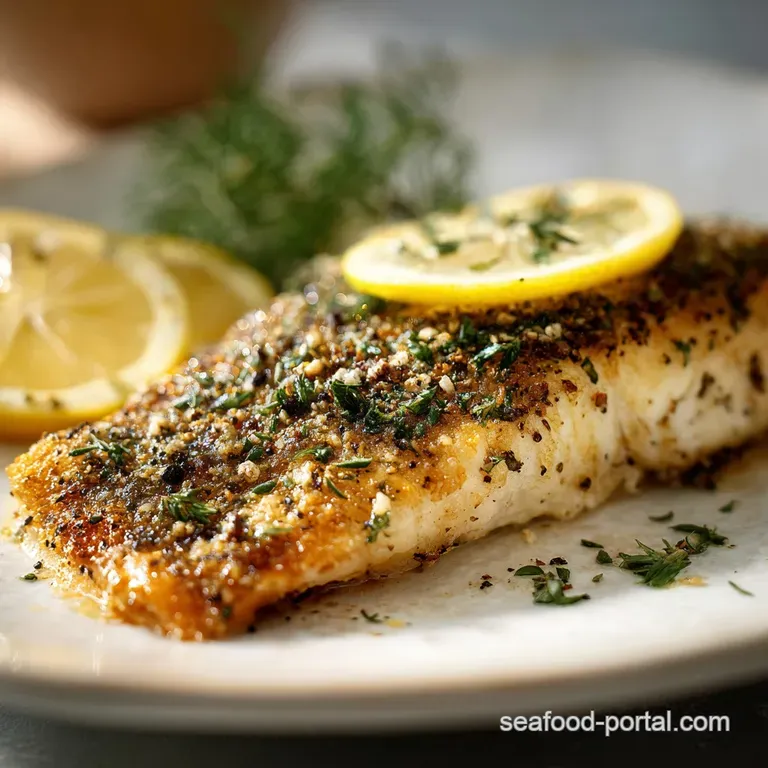
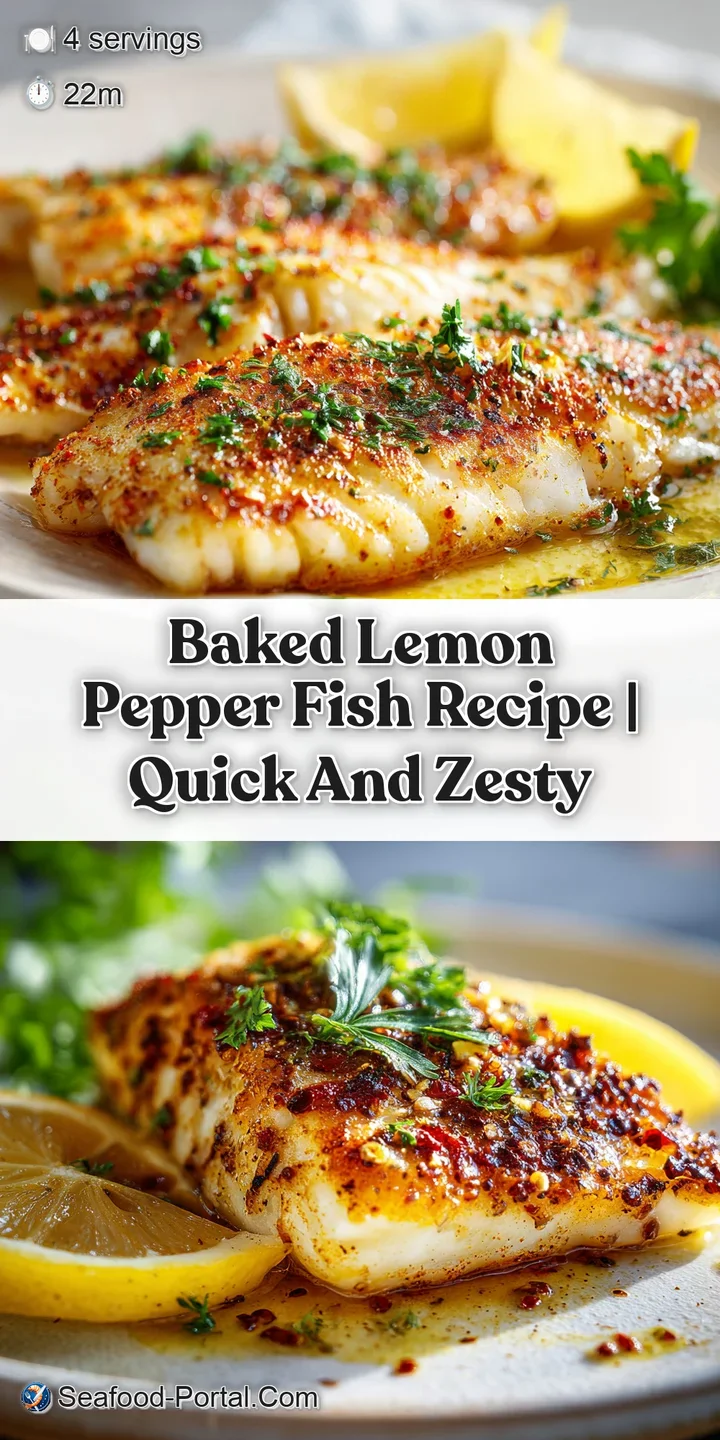
- Time: Active 10 minutes, Passive 12 minutes, Total 22 minutes
- Flavor/Texture Hook: Flaky, buttery white fish with a sharp, zesty kick.
- Perfect for: Busy weeknights, healthy meal prep, or beginner friendly hosting.
- Vital Specs for This Simple Seafood Dinner
- Component Analysis of the Zesty Lemon Rub
- Basic Tools for Success in the Kitchen
- Step-by-Step Guide to Flaky Fish Success
- Resolving Common Oven Baking Mistakes Fast
- Smart Swaps for Different Fish and Flavors
- Managing Leftovers and Prep for Busy Days
- Creative Ways to Plate and Enjoy Your Meal
- Baked Lemon Pepper Fish Recipe FAQs
- 📝 Recipe Card
The Thermodynamics of Citrus and Steam
- Capillary Action: Olive oil and butter create a lipid barrier that prevents the delicate fish proteins from tightening too quickly and squeezing out moisture.
- Aromatic Infusion: Heat causes the essential oils in the 2 tbsp of fresh lemon zest to volatilize, penetrating the top layer of the fish rather than just sitting on top.
- Thermal Protection: Placing the lemon rounds directly on the fillets acts as a sacrificial heat shield, ensuring the thin edges of the fish don't overcook before the thick center is done.
Precision Doneness Guide
| Fillet Thickness | Internal Temp | Rest Time | Visual Cue |
|---|---|---|---|
| 0.5 inch | 145°F | 2 minutes | Flesh is opaque throughout |
| 1.0 inch | 145°F | 3 minutes | Flakes easily with a fork |
| 1.5 inches | 145°F | 5 minutes | Juices run clear, not milky |
It is worth noting that fish continues to cook for a minute or two after you pull it out of the oven. This is why that rest time in the table above is non negotiable. If you eat it the second it leaves the pan, you might find the texture a bit too firm; those few minutes of resting allow the proteins to relax and reabsorb some of the buttery juices. Similar to the resting technique I use in my Zesty Lemon Fish recipe, patience is the most important "ingredient" for a silky finish.
Vital Specs for This Simple Seafood Dinner
When we talk about "simple," we don't mean boring. The beauty of this dish lies in the quality of the ingredients and the ratio of spice to citrus. I've spent years tweaking these numbers.
For instance, using 1.5 tbsp of coarsely cracked peppercorns might seem like a lot, but once it's tempered by the lemon and heat, it provides a warm glow rather than a harsh burn.
Fast Bake vs. Classic Poaching
| Feature | Fast Bake (This Recipe) | Classic Poaching |
|---|---|---|
| Active Time | 10 minutes | 25 minutes |
| Texture | Flaky with a slight crust | Soft and buttery throughout |
| Complexity | Set it and forget it | Requires constant temperature monitoring |
I much prefer the fast bake method because it gives you those slightly browned, toasted edges on the spices that you just can't get with poaching. Plus, the cold butter cubes we add right at the end melt into the spices, creating a self basting sauce that coats every single bite.
It's a much more flavorful experience than just boiling the fish in liquid.
Component Analysis of the Zesty Lemon Rub
Understanding what each part of your rub does helps you become a better cook overall. We aren't just throwing spices at a fillet; we are building a flavor profile that balances fat, salt, and acid. The garlic and onion powders provide a savory baseline that makes the lemon pop even more.
| Ingredient | Science Role | Pro Secret |
|---|---|---|
| Lemon Zest | Provides concentrated citrus oils without the water content of juice. | Zest the lemon directly over the fish to catch the spray of oils. |
| Cracked Pepper | Creates a physical texture and a slow building heat. | Use a pepper mill on the coarsest setting for "shatter" texture. |
| Cold Butter | Adds fat for mouthfeel and prevents the spices from drying out. | Keep it cold from the fridge until the moment it goes into the oven. |
If you really want to dive into how citrus transforms seafood, you can see similar principles at work in this How to Make recipe. The interaction between the acid and the delicate white fish is what keeps things tasting fresh rather than heavy. Always choose the heaviest, most fragrant lemons you can find at the market.
Basic Tools for Success in the Kitchen
You don't need a high end kitchen to pull this off, but a couple of specific items make it much easier. A good rimmed baking sheet is essential to catch all those lemon butter juices. If you use a flat cookie sheet, you're going to have a smoky mess on the floor of your oven, and nobody wants that.
- Microplane Grater: This is hands down the best tool for getting 2 tbsp of lemon zest without hitting the bitter white pith.
- Instant Read Thermometer: This is the only way to guarantee your fish isn't overcooked. I aim for exactly 145°F.
- Parchment Paper: I'm a huge fan of parchment because it prevents the delicate skin or flesh from sticking to the pan, ensuring you get the whole fillet onto the plate in one piece.
Chef's Tip: Freeze your lemon for about 10 minutes before zesting. It makes the peel firmer and much easier to grate without squashing the fruit.
step-by-step Guide to Flaky Fish Success
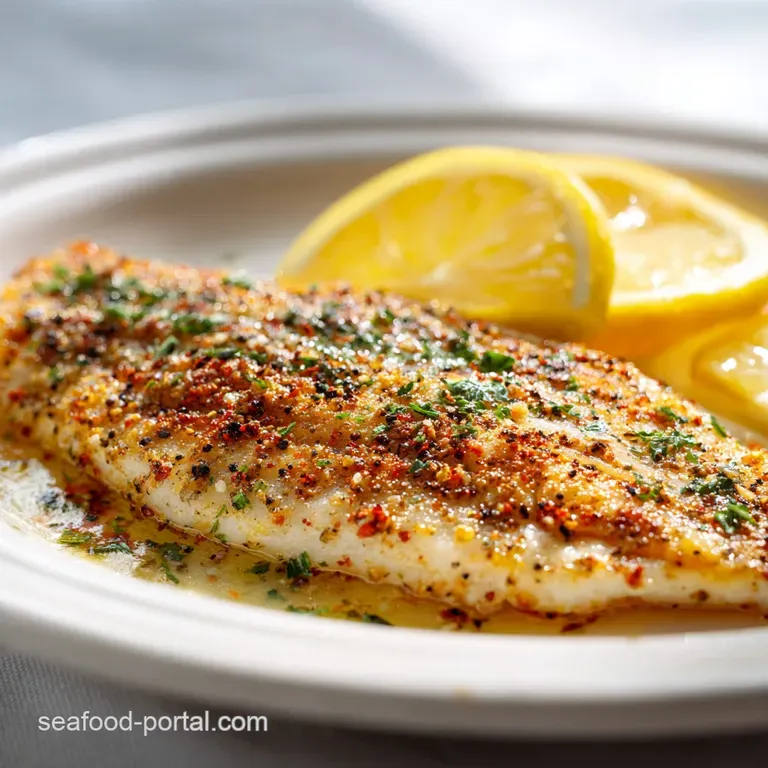
Before you start, make sure your oven is fully preheated to 400°F. If you put the fish into a cold oven, it will steam slowly and turn mushy before it ever gets a chance to develop that beautiful pepper crust.
- Prep the fish. Pat the 4 large fish fillets completely dry with paper towels. Note: Excess moisture on the surface leads to steaming rather than roasting.
- Oil the base. Rub 1 tbsp extra virgin olive oil over both sides of the fillets and place them on a parchment lined tray.
- Season the fillets. Sprinkle 0.5 tsp fine sea salt evenly over the fish.
- Create the rub. In a small bowl, mix 1.5 tbsp coarsely cracked black peppercorns, 2 tbsp fresh lemon zest, 1 tsp garlic powder, 0.5 tsp onion powder, and 0.5 tsp dried parsley or thyme.
- Apply the crust. Press the lemon pepper mixture firmly onto the top of each fillet. You want a visible layer of seasoning.
- Add lemon rounds. Lay the slices of 1 fresh lemon over the top of the seasoned fillets.
- Add butter fats. Place 2 tbsp cold unsalted butter, cut into small cubes, around and on top of the lemon slices.
- Bake for results. Slide into the oven and bake for 12 minutes until the fish is opaque and flakes easily with a fork.
- The final touch. Garnish with 1 tbsp fresh chopped parsley immediately after removing from the heat.
- Rest and serve. Let the fish sit for 3 minutes until the juices settle and the butter creates a glossy glaze.
Resolving Common Oven Baking Mistakes Fast
Even with a simple recipe, things can go sideways. The most common issue I hear from friends is that their fish came out "watery." This usually happens because the fish wasn't patted dry or it was previously frozen and not thawed correctly.
Why Your Fish Might Be Soggy
If you see a pool of white liquid on your baking sheet, that's albumin. It's a protein that gets pushed out when the fish is cooked too fast or if it was handled roughly during the thawing process. While it's perfectly safe to eat, it doesn't look great and can make the bottom of the fish feel a bit mushy.
| Problem | Root Cause | Solution |
|---|---|---|
| Tough texture | Overcooked beyond 150°F | Use a thermometer and pull at 140°F-145°F. |
| Bland flavor | Spices didn't stick | Ensure you use the oil and press the rub in firmly. |
| Wet/Mushy bottom | Fillet was sitting in its own liquid | Elevate the fish on lemon slices or a wire rack. |
Common Mistakes Checklist
- ✓ Always pat the fish dry with paper towels until it feels tacky to the touch.
- ✓ Never skip the preheating phase; 400°F is the sweet spot for a 12 minute cook.
- ✓ Avoid overcrowding the pan; leave at least 2 inches between fillets for air circulation.
- ✓ Use fresh lemons only; the bottled juice lacks the essential oils found in the zest.
- ✓ Check the internal temperature at the thickest part of the fillet.
Smart Swaps for Different Fish and Flavors
The beauty of this baked lemon pepper fish recipe is its versatility. While I love cod or haddock for their mild flavor and large flakes, you can easily adapt this to whatever looks freshest at the market today.
| Original Ingredient | Substitute | Why It Works |
|---|---|---|
| Cod Fillets | Salmon Fillets | Higher fat content; makes for an even richer, "velvety" bite. |
| Butter | Ghee or Coconut Oil | Ghee has a higher smoke point; coconut oil adds a tropical note. |
| Dried Thyme | Fresh Rosemary | Adds a piney, earthy aroma that pairs well with the heavy pepper. |
If you find yourself with a beautiful piece of trout instead, you might want to try the slightly different approach found in this Almondine Fish recipe. It uses similar citrus notes but incorporates a nutty brown butter that is just spectacular.
If you want...
- A crunchier top: Add 2 tbsp of Panko breadcrumbs to the rub mixture before pressing it onto the fish.
- Less heat: Reduce the peppercorns to 0.5 tbsp and add 0.5 tsp of smoked paprika for color.
- A Mediterranean vibe: Add 1 tbsp of drained capers to the pan before baking.
Managing Leftovers and Prep for Busy Days
Seafood is always best the day it’s made, but don't let those leftovers go to waste. If you find yourself with an extra fillet, it makes an incredible cold protein for a salad the next day.
I've even flaked the leftover fish into some warm pasta with a little extra olive oil and lemon juice it’s a five minute lunch that tastes like a gourmet meal.
Storage: Store any cooked fish in an airtight container in the fridge for up to 2 days. I don't recommend freezing cooked white fish, as the texture becomes quite grainy once thawed.
Zero Waste Tip: Don't throw away those squeezed lemon halves! Toss them into a pot of boiling water with a cinnamon stick to make your house smell incredible, or use the rinds to scrub your wooden cutting board it naturally deodorizes and cleans the surface.
Reheating: To avoid the "rubber fish" syndrome, avoid the microwave. Instead, place the fillet in a pan with a splash of water or broth, cover it with a lid, and warm it over low heat for 3-4 minutes. This gently steams it back to life without drying it out.
Creative Ways to Plate and Enjoy Your Meal
Presentation is half the battle. Because this dish is so bright and zesty, it looks stunning against a backdrop of dark greens or vibrant roasted vegetables. I usually serve mine right on the parchment paper if I'm doing a family style meal, but for individual plates, a little height goes a long way.
Try resting the fillet on a bed of garlic sauteed spinach or fluffy quinoa. The grains or greens will soak up that extra lemon pepper butter, ensuring not a single drop of flavor is lost.
If you're feeling fancy, a drizzle of high-quality balsamic glaze over the plate adds a sweet contrast to the sharp pepper and acid of the lemon.
Honestly, the best way to enjoy this is with a cold glass of Sauvignon Blanc and some crusty bread to mop up the pan juices. It's a meal that feels light but satisfying, leaving you enough room for a little dessert afterward. Simple, flavorful, and accessible that’s exactly how home cooking should be.
Let me know if you try the "frozen lemon" trick; it really is a total win for getting that zest perfect every time!
Baked Lemon Pepper Fish Recipe FAQs
Is it better to bake fish at 350 or 400?
Bake at 400°F for this recipe. This higher temperature creates a flavorful crust quickly without drying the inside, which is ideal for locking in moisture.
What is the best temperature to bake fish in the oven?
145°F internal temperature is the absolute best target. For baking time, 400°F for about 10-14 minutes usually hits that mark perfectly for standard fillets.
Should you put lemon juice on fish before or after baking?
Use zest before baking and fresh juice after baking, if desired. Zest contains the flavorful oils that bake well, while adding juice after prevents the acid from "cooking" the exterior prematurely.
Is lemon pepper good on fish?
Yes, lemon pepper is excellent on fish. The acid brightens the flavor profile, cutting through the richness of the butter or oil used in the preparation.
How to ensure my baked fish is flaky and not tough?
Pull the fish when the internal temperature reaches 145°F, then let it rest. Overcooking is the main culprit for toughness; resting for 3-5 minutes allows the proteins to relax and reabsorb juices, similar to the resting technique I use in our Crispy Skin Salmon recipe.
How do I prevent the lemon pepper seasoning from falling off during baking?
Press the seasoning mixture firmly onto an oiled surface of the fish. The oil acts as an adhesive, ensuring the spices stick tightly to the fillet during the high heat baking process.
Can I substitute halibut for cod in this recipe?
Yes, halibut is a great substitution for cod or haddock. Halibut is slightly firmer and fattier, so you may need to add one minute to the total bake time to ensure it reaches the proper internal temperature.
Lemon Pepper Fish Bake
Ingredients:
Instructions:
Nutrition Facts:
| Calories | 231 kcal |
|---|---|
| Protein | 31.2 g |
| Fat | 10.4 g |
| Carbs | 2.4 g |
| Fiber | 0.8 g |
| Sugar | 0.3 g |
| Sodium | 378 mg |
