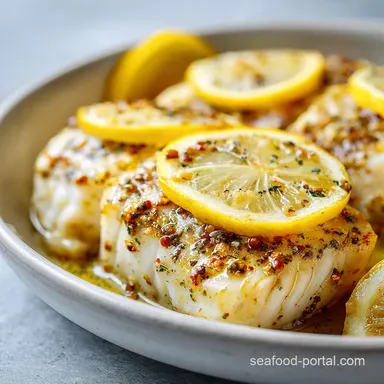
Lemon Garlic Baked Cod Fillets: Tender and Flaky
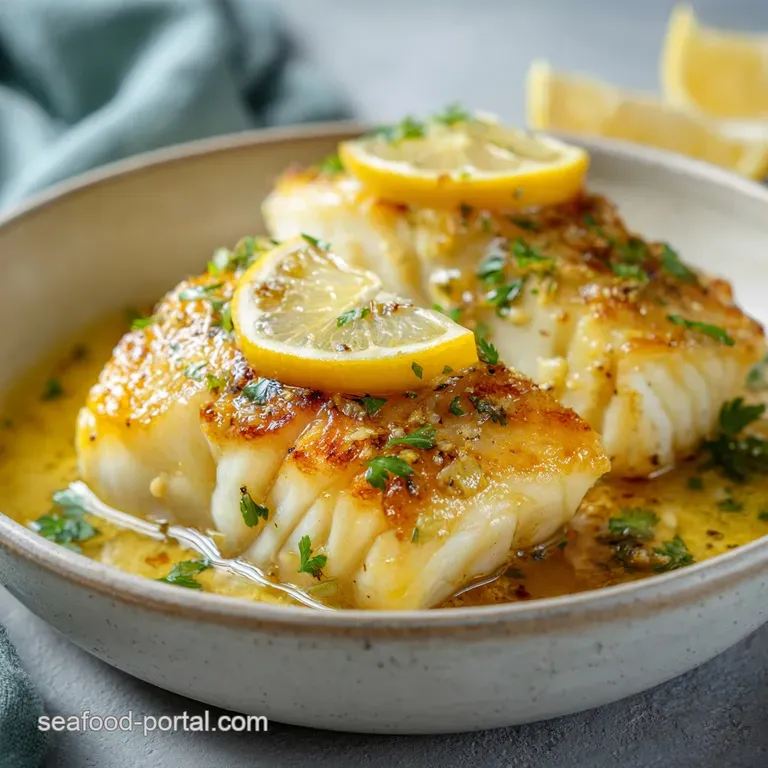
- Time: 10 min active + 12 min cooking = Total 22 mins
- Flavor/Texture Hook: Zesty, velvety butter sauce with a tender, flaky center
- Perfect for: Weeknight dinners, healthy eating, and beginner cooks
- Easy Recipe using cod fillets with lemon
- Flavor Secrets of This Dish
- Component Analysis
- Fresh Ingredients and Swaps
- Essential Kitchen Tools
- Simple Step by Step Method
- Troubleshooting Your Fish
- Simple Ingredient Modifications
- Storage and Reheating Tips
- Plating and Side Ideas
- Kitchen Truths
- Zero Waste Tips
- Recipe FAQs
- 📝 Recipe Card
That sharp, bright scent of fresh lemon hitting melted butter is exactly what makes this dish. It's a smell that instantly tells you dinner is going to be light but satisfying. When the garlic starts to sizzle in the pan, the whole kitchen transforms into a little seaside bistro.
I used to struggle with cod. I'd either undercook it and have it feel "mushy," or I'd leave it in two minutes too long and it became a rubbery eraser. It was frustrating because cod is such a great canvas for flavor. Discover the perfect recipe using cod fillets with lemon and garlic for a quick and healthy meal.
The trick I learned was all about moisture control and temperature. By patting the fish bone dry and using a compound butter, we create a shield that keeps the juices inside. You'll get that velvety finish without the fish becoming tough.
Easy Recipe using cod fillets with lemon
The secret to this dish is the balance between the acidity of the lemon and the richness of the butter. Cod is a lean fish, which means it has very little fat of its own. If you just bake it plain, the oven air sucks the moisture right out of the protein.
By dousing it in a lemon garlic butter emulsion, we're essentially giving the fish a protective coat.
It's a straightforward process, but the details matter. The lemon doesn't just add flavor, it also helps to "tighten" the protein structure just enough so it flakes perfectly without falling apart into a mash.
When you combine this with the heat of a 400°F oven, you get a fast cook time that preserves the delicate nature of the fillet.
I've found that using fresh lemon juice is non negotiable here. The bottled stuff has a metallic aftertaste that clashes with the sweetness of the cod. Freshly squeezed juice provides that bright, punchy note that cuts through the butter.
It's the difference between a dish that tastes like a cafeteria meal and one that feels like a treat.
Flavor Secrets of This Dish
Instead of long paragraphs, here is exactly why the chemistry of this meal works.
- The Butter Barrier: Fat coats the fish, preventing water from evaporating and keeping the meat tender.
- Acidic Tenderizing: Lemon juice breaks down some of the tougher connective tissues in the fish for a softer bite.
- Dry Surface Effect: Removing surface moisture ensures the butter sticks to the fish rather than steaming it.
- High Heat Sear: The 400°F temp cooks the outside quickly to lock in the interior juices.
| Method | Time | Texture | Best For |
|---|---|---|---|
| Fast Bake (This) | 22 mins | Flaky & Zesty | Weeknights |
| Classic Poaching | 40 mins | Silky & Soft | Formal Dinners |
| Pan Searing | 15 mins | Crispy Edges | Single Servings |
Component Analysis
Understanding what each part does helps you adjust the recipe on the fly.
| Ingredient | Science Role | Pro Secret |
|---|---|---|
| Cod Fillets | Protein Base | Buy "loins" for a thicker, juicier cut |
| Unsalted Butter | Moisture Seal | Use European style butter for more richness |
| Lemon Juice | Flavor Brightener | Rub the lemon before cutting to get more juice |
| Garlic | Aromatic Base | Mince very fine to avoid bitter burnt chunks |
Fresh Ingredients and Swaps
I've listed everything you need below. I recommend getting the freshest cod you can find, preferably wild caught.
- 1.5 lbs cod fillets, cut into 4 equal portions Why this? Mild flavor that absorbs the butter sauce perfectly
- 1/2 tsp kosher salt Why this? Draws out moisture and enhances the fish
- 1/4 tsp cracked black pepper Why this? Adds a subtle woody heat
- 1 tbsp olive oil Why this? Prevents the fillets from sticking to the pan
- 4 tbsp unsalted butter, melted Why this? Creates the velvety sauce base
- 3 cloves garlic, minced Why this? Adds depth and a savory punch
- 2 tbsp fresh lemon juice Why this? Cuts through the fat of the butter
- 1 tsp lemon zest Why this? Contains essential oils for a stronger citrus aroma
- 1 tbsp fresh parsley, finely chopped Why this? Adds a fresh, herbaceous finish
- 1/2 tsp paprika Why this? Gives the fish a beautiful golden hue
If you're out of something, check this table for the best alternatives.
| Original Ingredient | Substitute | Why It Works |
|---|---|---|
| Cod Fillets | Halibut or Haddock | Similar mild taste. Note: Halibut is firmer and may need 2 extra mins |
| Unsalted Butter | Ghee or Olive Oil | Provides the necessary fat. Note: Less creamy than butter |
| Fresh Parsley | Fresh Cilantro | Similar green freshness. Note: Changes the profile to a more zesty, taco like vibe |
| Lemon Juice | Lime Juice | Similar acidity level. Note: Adds a slightly more tropical flavor |
I always tell my friends not to skip the zest. The juice provides the sourness, but the zest provides the "lemon y" smell. If you only use the juice, you're missing half the flavor profile.
Essential Kitchen Tools
You don't need a professional kitchen for this, but a few specific things make it easier. I use a 9x13 inch baking dish because it gives the fillets enough room to breathe. If they're too crowded, they'll steam instead of roast, and you'll lose that golden color.
Parchment paper is a lifesaver here. Fish is notorious for sticking to glass or ceramic, and there is nothing worse than a fillet tearing in half when you try to plate it. A bit of parchment means a clean slide every time.
Finally,, a digital meat thermometer is your best friend. Because every oven is a little different, relying on a timer alone is a gamble. When that thermometer hits 145°F (63°C), pull the fish out immediately.
Simple step by step Method
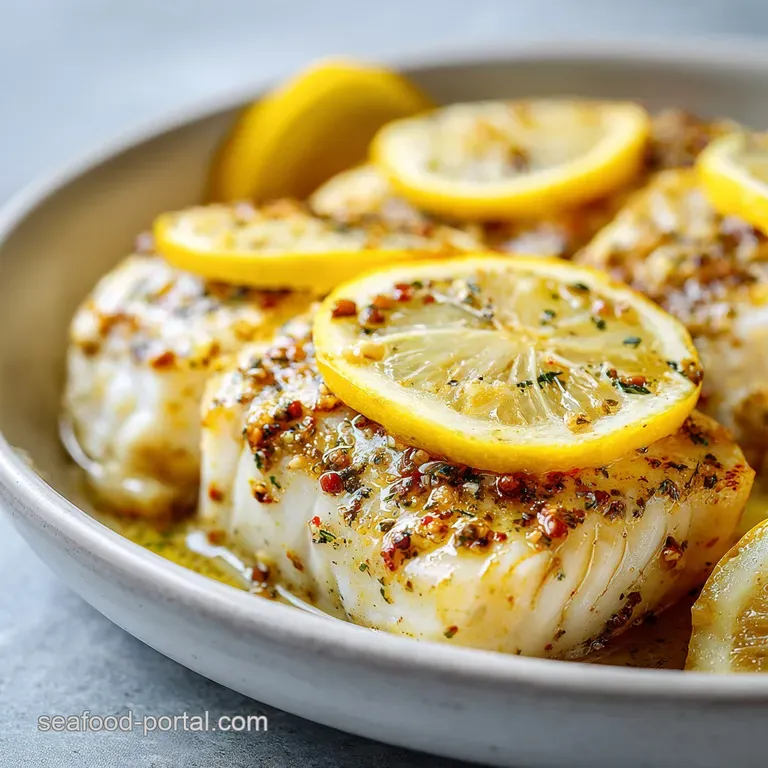
Let's get into it. Follow these steps for the best results.
- Preheat your oven to 400°F (200°C). Line a 9x13 inch baking dish with parchment paper or lightly grease it.
- Use paper towels to firmly pat the cod fillets dry on all sides. Note: This prevents the fish from steaming
- Season both sides of the fish lightly with salt and pepper.
- In a small bowl, whisk together the melted butter, minced garlic, lemon juice, lemon zest, paprika, and parsley. Wait for the garlic to infuse into the butter for a minute.
- Place the fillets in the prepared baking dish and drizzle the lemon garlic butter evenly over each fillet using a spoon.
- Bake for 10-12 minutes. Cook until the edges are opaque and the center flakes easily with a fork.
- Check the internal temperature. Pull the dish from the oven when it reaches 145°F (63°C).
- Let the fish rest for 2 minutes before serving. Note: This allows the juices to redistribute
Chef's Tip: If you want a bit more color on top, turn your broiler on for the last 60 seconds of cooking. Just watch it like a hawk so the butter doesn't burn!
Troubleshooting Your Fish
Even the best of us have a bad day in the kitchen. If your fish doesn't look like the picture, it's usually one of three things.
Rubbery Texture Causes
If your fish feels like a rubber band, you've likely overcooked it. Fish protein tightens up very quickly once it passes its target temperature. Even an extra three minutes can turn a tender fillet into something chewy.
Excessive Pan Liquid
Too much liquid in the pan usually means the fish wasn't patted dry enough or the fillets were frozen and not fully thawed. This liquid dilutes the sauce and prevents the fish from roasting.
Pale Color Issues
If the fish looks white and bland instead of golden, your oven might not be at a true 400°F, or you skipped the paprika. The paprika is mostly for aesthetics, but it gives that "restaurant look."
| Problem | Root Cause | Solution |
|---|---|---|
| Fish is mushy | Undercooked | Bake for another 2-3 mins until it flakes |
| Garlic is bitter | Over browned | Mince garlic smaller and whisk into butter, don't fry first |
| Sauce is broken | Butter overheated | Ensure butter is melted but not boiling when mixed |
Common Mistakes Checklist
- ✓ Did you pat the fish dry with paper towels?
- ✓ Is the oven fully preheated to 400°F?
- ✓ Did you use fresh lemon juice instead of bottled?
- ✓ Did you check the internal temperature at 10 minutes?
- ✓ Did you give the fish 2 minutes to rest?
Simple Ingredient Modifications
You can easily tweak this recipe using cod fillets with lemon to fit your diet. If you're avoiding dairy, replace the butter with a high-quality extra virgin olive oil or a melted vegan butter substitute. The result is slightly less velvety but still very flavorful.
For those following a Keto lifestyle, this recipe is already almost there. Just be mindful of the paprika if you're using a blend that contains added sugar. You can also serve this with steamed asparagus or sautéed spinach to keep the carbs low.
If you want a bit more heat, add a pinch of cayenne pepper or some red chili flakes to the butter mixture. This creates a lovely contrast with the bright lemon. If you find you love this style of cooking, you might also enjoy my baked white fish guide for other variations.
Storage and Reheating Tips
Cod is best eaten immediately, but leftovers happen. Store any remaining fillets in an airtight container in the fridge for up to 2 days. Don't leave them out on the counter, as seafood spoils quickly.
I don't recommend freezing cooked cod. The texture changes significantly, becoming mealy and dry. If you must freeze it, do so before cooking and freeze the fillets raw, vacuum sealed, for up to 3 months.
To reheat, avoid the microwave if you can. It will overcook the fish in seconds. Instead, place the fillet in a toaster oven or a regular oven at 275°F (135°C) for about 10 minutes. Add a tiny pat of fresh butter on top to bring back that velvety moisture.
Plating and Side Ideas
When you're ready to serve, lift the fillets gently with a wide spatula. Pour the remaining lemon garlic butter from the pan right over the top of the fish. This ensures every bite is juicy.
For sides, I love pairing this with something that can soak up the extra butter. A bed of fluffy jasmine rice or some roasted baby potatoes works wonders. If you want something lighter, a crisp cucumber salad with a vinegar dressing balances the richness of the butter.
For a fun twist, you can serve these fillets with a side of creamy fish taco sauce for dipping. It adds a zesty, cool element that contrasts with the warm, buttery fish.
Kitchen Truths
There are a few things people say about cooking fish that just aren't true.
First, some people think you need to "seal" the fish by searing it first to keep juices in. This is a myth. Searing adds flavor and color, but it doesn't create a waterproof seal. The moisture is preserved by not overcooking the protein.
Second, there's a belief that you can tell fish is done just by looking at the color. While opaque edges are a good sign, the only way to be 100% sure is with a thermometer. Different thicknesses of cod cook at different rates, so the center might still be raw while the edges look done.
Finally, some claim that frozen fish is always inferior. While fresh is great, flash frozen cod is often frozen right on the boat, which can actually preserve the quality better than "fresh" fish that has sat on a truck for three days. Just make sure to thaw it completely in the fridge before you start.
Zero Waste Tips
Don't toss those lemon scraps! After you've zested and juiced your lemon, you can put the spent hulls in a jar with some white vinegar for two weeks to make a powerful, citrusy all purpose cleaner.
The stems of the parsley are often thrown away, but they hold a ton of flavor. Chop them finely and toss them into a vegetable stock or a soup base. Even the leftover lemon garlic butter in the pan can be drizzled over some steamed broccoli or carrots for an instant side dish.
Using every bit of your ingredients not only saves money but also makes your cooking process feel more intentional. It's those little habits that turn a home cook into someone who really understands their ingredients.
Recipe FAQs
How do you bake cod with lemon and garlic?
Preheat oven to 400°F and pat fillets dry. Season with salt and pepper, drizzle with a mixture of melted butter, garlic, lemon juice, zest, paprika, and parsley, and bake for 10 12 minutes.
What's the best seasoning to put on cod fish?
A blend of lemon, garlic, and paprika. These ingredients complement the mild flavor of the cod and add a bright, savory depth without overpowering the fish.
How long to marinate cod in lemon juice?
Avoid marinating for more than 30 minutes. Because cod is delicate, prolonged exposure to acid will break down the proteins and make the texture mushy.
What is the best cooking technique for cod?
High heat baking for a short duration. This method preserves moisture and prevents the fish from becoming tough. If you enjoyed this approach to seafood, see how the same principle works in our baked trout recipe.
Can I use frozen cod instead of fresh for this recipe?
Yes, as long as it is fully thawed. Be sure to pat the fillets firmly with paper towels to remove excess moisture so the butter emulsion adheres properly.
What temperature should cod reach before removing it from the heat?
145°F (63°C). At this internal temperature, the edges are opaque and the center flakes easily with a fork.
Is it true that the garlic should be added after the fish is flipped?
No, this is a common misconception. For this baked recipe, garlic is incorporated into the butter emulsion and applied before cooking to infuse the fish during the roasting process.
Lemon Garlic Cod Fillets