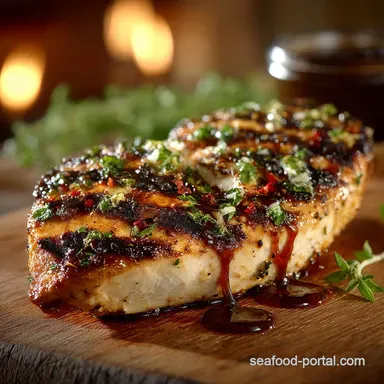
The Foolproof Flip Juicy Herbkissed Grilled Chicken Breast Every Time
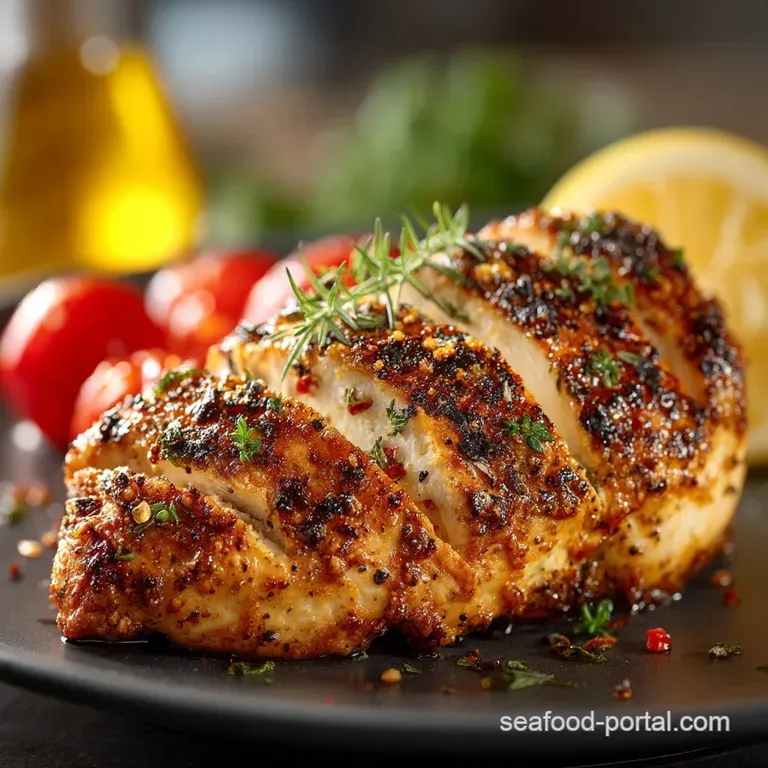
- Banish Dryness: The Secret to Succulent Grilled Chicken Breast
- Why This 'Foolproof Flip' Method Dominates
- Essential Components for Flavor Infusion
- Unlocking the Best Flavor Profile: Ingredient Deep Dive
- Mastering the Two-Stage Cook for Supreme Grilled Chicken Breast
- Step-by-Step Execution: From Marinade to Grill Marks
- Elevating Your Meal: Serving Suggestions and Flavor Twists
- Recipe FAQs
- 📝 Recipe Card
Banish Dryness: The Secret to Succulent Grilled Chicken Breast
There is a collective sigh of disappointment that echoes across kitchens every time someone pulls a piece of grilled chicken from the fire only to find it has the texture of well-worn leather. It doesn't have to be this way.
Mastering the Grilled Chicken Breast is less about complicated tools and more about understanding temperature control and preparation. We are here to transform those expectations, proving that this lean protein can be the star of your barbecue, incredibly tender, juicy, and packed with flavour.
This comprehensive guide breaks down the preparation, the heat management, and the vital resting period needed to achieve the Juicy Grilled Chicken Breast you deserve.
Why This 'Foolproof Flip' Method Dominates
The secret to our success lies in a balanced approach that treats the chicken gently before introducing it to high heat. We utilize a technique I call the 'Foolproof Flip', a controlled, two-stage cooking process that ensures internal tenderness while developing that sought-after crust.
Forget scorching the outside to cook the inside; we coax the heat gently. This method is the Best Way To Grill Chicken because it actively manages the risks associated with high-protein, lean cuts.
The foundation of this success begins long before the coals are lit, specifically in how we treat the raw protein.
Setting the Stage: Achieving Perfect Uniform Thickness
The number one enemy of an even cook is inconsistency in thickness. A standard, untouched chicken breast is usually thick on one end and tapering thinly on the other. By the time the thick end reaches safe internal temperature, the thin end is hopelessly overcooked.
To combat this, take 15 minutes before marinating to tenderise the meat. Place the chicken between two sheets of plastic wrap and, using a meat mallet or heavy pan, gently pound the thicker areas until the entire breast is uniformly about 3/4 inch (2 cm) thick.
This simple act dramatically reduces your overall Grilled Chicken Breast Time and ensures every bite is equally succulent.
Our Signature Herb Marinade Base
A great Homemade Chicken Marinade For The Grill needs three components: acid to tenderise, fat to carry flavour and prevent drying, and aromatics for depth. Our marinade uses 1/4 cup of quality olive oil as the fat base, brightened by 2 tablespoons of fresh lemon juice for necessary acidity.
We blend in 1 tablespoon of Dijon mustard, which acts as an emulsifier and adds a lovely tang. Crucially, we finish it with robust dried herbs, 1 teaspoon of oregano and 1/2 teaspoon of thyme, along with generous pinches of kosher salt and black pepper.
This mixture tenderises the muscle fibres without breaking them down completely, which is what happens with overly long soaks.
The Promise: Truly Juicy Results, Guaranteed
When you follow the two-stage cooking process outlined below, the promise is tender meat infused with the bright, herbaceous flavours of the marinade. Because we focus on hitting the safe Grilled Chicken Breast Temp of 165° F ( 74° C) after a period of gentle heating, the muscle proteins contract less severely, locking moisture inside.
This approach ensures that every piece of Grilled Chicken Breast you serve is moist, flavourful, and exactly what a perfect barbecue protein should be.
Essential Components for Flavor Infusion
Flavour doesn't just happen; it's layered deliberately. While the marinade does heavy lifting, having high-quality raw materials and the right equipment elevates the final dish from good to spectacular.
Preparation extends beyond just mixing ingredients; it involves choosing the right tools for the job to execute the Grilled Chicken Breast Recipe flawlessly.
Related Recipes Worth Trying
- The Quick Fire Chicken Zucchini Stir Fry A Weeknight Winner — This Healthy Chicken Zucchini Stir Fry is ready in 30 minutes Enjoy succulent chicken and crisp veg coated in a glossy savoury sauce Click to see how easy it is
- The Ultimate Crispy Chicken Fried Steak with Rich Country Gravy — Master the classic Chicken Fried Steak with this foolproof recipe We nail the shatteringly crisp crust and pair it with a peppery cream gravy Get the easy...
- The Never Dry Again HerbRoasted Baked Chicken Breast — Stop cooking dry chicken This tender baked chicken breast recipe uses simple herbs and a 400degree blast for an easy juicy dinner every time
Unlocking the Best Flavor Profile: Ingredient Deep Dive
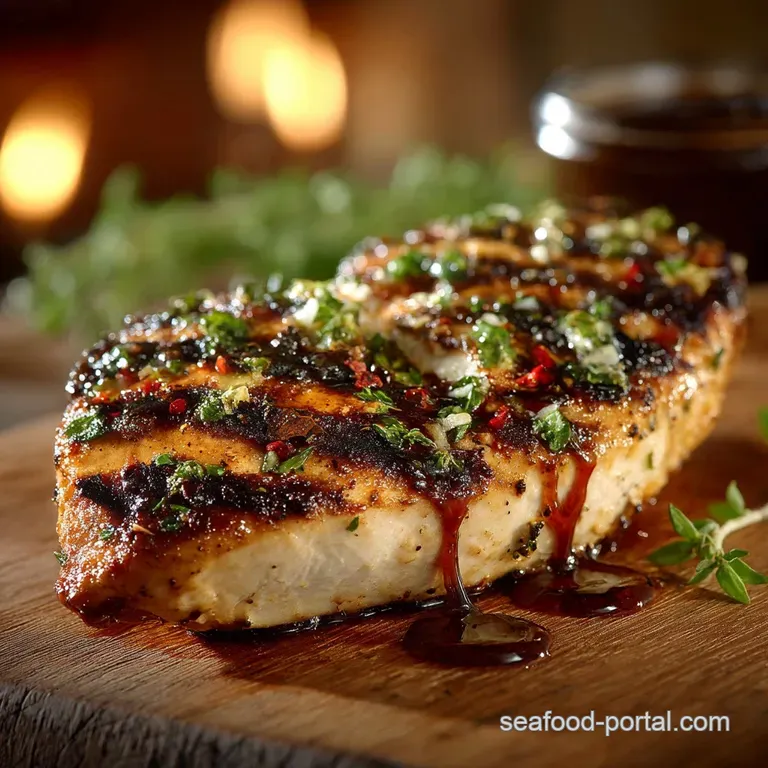
To achieve the Best Way To Grill Chicken , we must respect the core ingredients. Since chicken breast is lean, it relies heavily on external seasoning and acid to prevent it from tasting bland or chalky post-cook.
The Chicken Cut and Preparation Checklist
For this recipe, use four boneless, skinless chicken breasts, aiming for 6 to 8 ounces (170–225g) each. As mentioned, pounding them to an even 3/4-inch thickness is mandatory.
Before they hit the heat, ensure they are patted thoroughly dry after marinating; moisture creates steam, and steam prevents beautiful searing. A dry surface is key for achieving that stunning char.
Balancing the Marinade: Ratios That Matter
The ratio in our Moist Chicken Marinade is designed for maximum flavour impact in a short window. The 1/4 cup of oil, 2 tablespoons of lemon juice, and 1 tablespoon of Dijon provide a perfect acidic, fatty cloak. The herbs (oregano and thyme) stand up well to the heat of the grill.
We recommend a minimum of 30 minutes for the marinade to work its magic, but no more than four hours, as the acidity from the lemon can start to break down the texture too much past that point.
Essential Grilling Gear for Flawless Results
While you can certainly manage with basic gear, one tool is truly non-negotiable for guaranteeing success: an instant-read meat thermometer. Guessing the doneness is the primary cause of dry chicken. On top of that,, ensure your grill grates are meticulously clean and lightly oiled just before cooking.
This prevents the protein from fusing with the metal, ensuring that when you go to turn the chicken, you get those clean, professional grill marks instead of ripped, ragged meat, a crucial element of excellent Seasoning Grilled Chicken presentation.
Mastering the Two-Stage Cook for Supreme Grilled Chicken Breast
The core innovation of this technique is moving the chicken from intense heat to gentle heat. This technique is crucial for achieving the perfect balance of exterior char and internal tenderness.
This dual-zone approach mimics professional restaurant techniques, ensuring the outside doesn't burn while the centre catches up slowly.
Step-by-step Execution: From Marinade to Grill Marks
With your chicken pounded, marinated, and your grill preheated, we move into the active cooking phase, which should take roughly 12 to 18 minutes total.
Phase One: Low and Slow Heat Introduction
After removing the chicken from the marinade and patting it dry, place the breasts directly over the hottest part of the preheated grill (Medium-High heat, aiming for about 400° F / 200° C).
Grill these undisturbed for exactly 3 to 4 minutes. This step is purely for achieving deep, flavourful sear marks and developing that exterior texture. Do not be tempted to move or check them during this time.
The 'Flip' Technique: Achieving the Ideal Sear
Once those deep golden-brown or dark char marks are evident, it’s time for the 'Flip.' Using tongs, turn each chicken breast over. Immediately move them to the cooler side of the grill, or if you have a gas grill, reduce the heat significantly to Medium-Low.
Close the lid to allow the ambient heat to cook the interior gently without scorching the exterior that is now perfectly seared.
Knowing When to Pull: Temperature Precision
This is where the meat thermometer earns its keep. Continue cooking over the lower heat, checking the internal temperature every few minutes. For Grilled Chicken Breast Temp , you are aiming to remove the chicken from the heat source when the internal reading hits exactly 160° F ( 71° C) .
Because the chicken will continue to cook after it leaves the direct heat, known as carryover cooking, removing it at 160° F ensures it will safely reach the recommended 165° F ( 74° C) without overshooting.
Crucial Resting Period for Maximum Juiciness
Once removed from the grill at 160° F, place the chicken breasts on a clean cutting board and tent them loosely with aluminum foil. Allow them to rest for a full 5 to 10 minutes. Resist the urge to slice immediately!
During this rest, the superheated internal juices, which have been forced to the centre during cooking, redistribute evenly throughout the muscle tissue. This resting period is non-negotiable for achieving Moist Chicken Marinade results, even when grilling.
Elevating Your Meal: Serving Suggestions and Flavor Twists
Once rested, your beautifully cooked protein is ready. Slice it thinly against the grain for maximum tenderness before serving, or keep it whole.
Creative Pairings Beyond the Basic Side Salad
While this chicken is fantastic sliced over greens, try pairing it with a bright, vibrant sauce to cut through the smoky char. A homemade Chimichurri sauce, full of parsley, cilantro, and garlic, is phenomenal.
Alternatively, serve it alongside creamy mashed sweet potatoes or a fresh black bean and corn salsa for a Tex-Mex twist. The neutral flavour profile of perfectly grilled chicken breast lends itself well to almost any global flavour profile you introduce.
Adaptations for Gas, Charcoal, and Indoor Grills
This two-stage method translates beautifully across all heat sources. For charcoal, create distinct hot and cool zones by piling coals on one side. For a gas grill, designate one burner zone for high heat and leave the others off or on low.
If using an electric indoor grill, cook on the highest setting for the initial sear, then unplug the unit or move the chicken to the cool side of the grill plate if possible, relying on retained heat to finish the cook.
Maximum Shelf Life: Freezing and Reheating Expert Tips
Leftover Grilled Chicken Breast Nutrition remains excellent, providing a quick protein boost for salads or sandwiches later in the week. Store leftovers in an airtight container in the refrigerator for up to four days. If freezing, slice the cooled chicken first.
Freeze flat on a baking sheet before transferring to a freezer-safe bag to prevent clumping. To reheat, gently warm slices in a skillet with a tablespoon of broth or water to restore moisture, rather than microwaving, which can quickly dry out the lean meat.
Nutritional Snapshot of Your Lean Protein Powerhouse
This method delivers exceptional flavour without significant caloric penalty. As a fantastic source of lean protein, a standard serving (around 6 ounces cooked) of this Grilled Chicken Breast Nutrition profile hovers around 280-320 calories, delivering over 45 grams of filling protein.
Because the marinade relies on olive oil rather than sugary rubs, you keep the carbohydrate count remarkably low, making this an ideal cornerstone for virtually any healthy diet plan.
Recipe FAQs
How do I stop my Grilled Chicken Breast from going dry? It’s always a disaster!
The secret is twofold: first, pound the chicken breasts to an even thickness so they cook uniformly, no more thin edges drying out! Secondly, use an instant-read thermometer and pull the chicken off the grill when the internal temperature hits 160°F (71°C); the carryover cooking while resting will bring it perfectly to the safe 165°F (74°C).
Can I marinate the chicken overnight, or is that pushing it?
You definitely shouldn't marinate it overnight, especially with the lemon juice in this recipe. The acid starts to break down the proteins too much, and the texture can end up being a bit slimy or mushy, a right pickle! Stick to a maximum of four hours in the fridge for the best results.
What temperature should my grill be set to for the best sear on the Grilled Chicken Breast?
You want the grill nice and hot for that initial sear, aiming for Medium-High heat, roughly 400°F (200°C). A very hot, clean grate gives you those lovely, classic char marks quickly. Just remember to move the chicken to a cooler zone after the initial sear to finish cooking gently.
I don't have a grill; can I make this recipe in a frying pan?
Absolutely, you can mimic the results perfectly using a heavy cast-iron skillet. Get the pan smoking hot, sear the pounded chicken breasts for 4 minutes per side, then reduce the heat to medium-low, cover the pan (this traps the heat like a grill lid), and cook until it reaches 160°F internally.
How long will leftover grilled chicken keep, and how should I reheat it without drying it out again?
When stored properly in an airtight container, leftover chicken breast is grand in the fridge for about 3 to 4 days. To reheat, avoid the microwave if possible; instead, slice the chicken and quickly warm it in a skillet with a splash of broth or a pat of butter, or use it cold in a sandwich!
The Foolproof Flip Juicy Grilled Chicken Breast Every Time