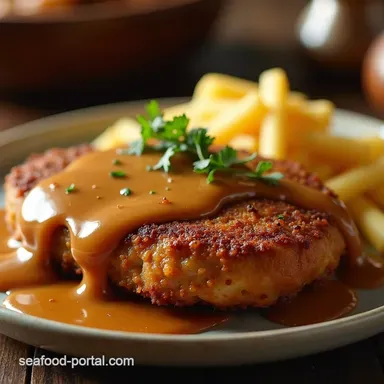
The Ultimate Crispy Chicken Fried Steak with Rich Peppery Country Gravy
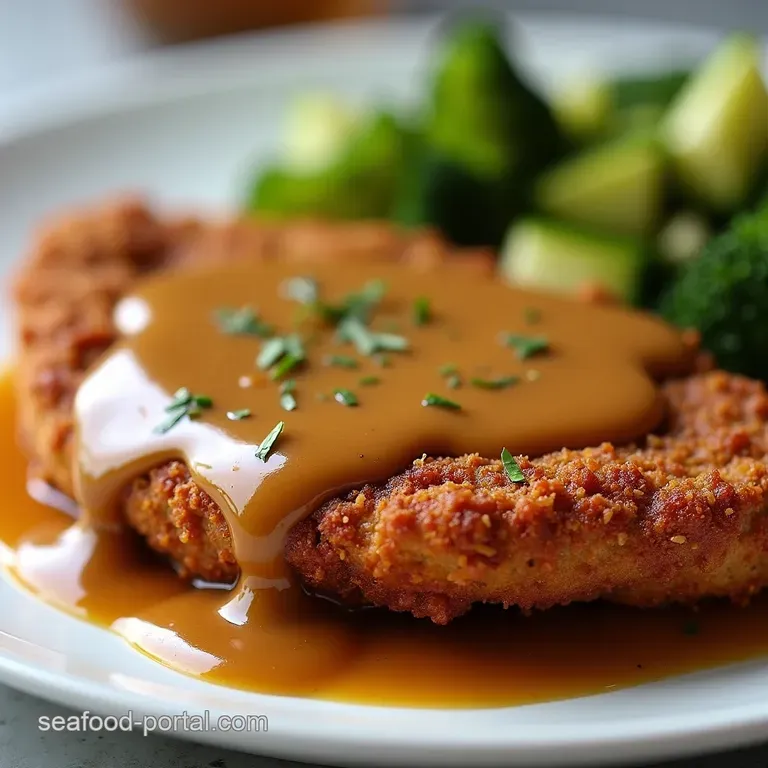
- Unveiling the Comfort Classic: Why This Chicken Fried Steak Recipe Triumphs
- The Anatomy of Perfection: What Makes This Recipe Distinctive
- Assembling Your Arsenal: Essential Components for Flavor Mastery
- The Process Decoded: Step-by-Step Guide to Perfect Frying
- Troubleshooting and Advanced Tips for Next-Level Chicken Fried Steak
- Recipe FAQs
- 📝 Recipe Card
Unveiling the Comfort Classic: Why This Chicken Fried Steak Recipe Triumphs
There are dishes that simply warm the soul, and then there is the magnificent, towering presence of a perfectly executed Chicken Fried Steak . This iconic American meal, deeply rooted in the culinary landscape of Chicken Fried Steak Texas and the wider South, isn’t just about frying meat; it’s about transforming humble ingredients through expert technique into something spectacular.
Our approach to this Classic Chicken Fried Steak focuses squarely on achieving the ultimate textural contrast: a shatteringly crisp, deeply seasoned crust that yields instantly to an unbelievably tender cut of beef underneath, all brought together by the crowning glory a velvety, aggressively peppered cream gravy.
Forget soggy disappointment; we are building flavour, layer by meticulous layer, ensuring this Chicken Fried Steak Recipe becomes your permanent favourite.
The Anatomy of Perfection: What Makes This Recipe Distinctive
To conquer this dish, one must respect its core elements. It’s a symphony requiring precision in preparation, the right choice of meat, and unwavering dedication to the dredging process.
Achieving that signature crispness while maintaining juiciness inside is the secret handshake of seasoned cooks, and we’re about to share every detail.
More Than Just a Meal: The Heart of American Homestyle Cooking
The beauty of this dish lies in its deceptive simplicity. Using cuts that might otherwise be tough like cube steak and deliberately tenderizing them breaks down the connective tissue, allowing the meat to cook quickly and absorb the deep flavour of the seasoned coating.
This preparation method is historically resourceful and results in a remarkably satisfying texture, cementing its place in the pantheon of truly great Country Fried Steak Recipe lore. It’s hearty, unpretentious, and delivers sheer culinary satisfaction in every bite.
Defining the Texture: Achieving That Signature Crust-to-Tender Ratio
The perfect crust must cling steadfastly to the steak without becoming heavy or oily. We achieve this by employing a specialized three stage dredging system that we detail below, ensuring maximum surface area for that seasoning mix to adhere.
On top of that,, resting the dredged steaks for 30 minutes prior to frying allows the moisture to fully hydrate the flour coating, essentially setting the crust before it even meets the hot oil, preventing that dreaded “shakedown” of coating mid-fry.
Meet the Star: Selecting the Ideal Cut for Deep Fried Flavor
While traditional recipes often call for cube steak, which is pre-tenderized, we prefer starting with thin cut rounds of top round or sirloin. The key is thinness. Regardless of the exact cut, the objective is to achieve a uniform thickness of about 1/4 inch across the entire piece.
This ensures that the steak cooks through rapidly in mere minutes while the crust achieves peak golden brown perfection. Thicker cuts lead to a higher risk of over frying the exterior just to finish the interior.
Related Recipes Worth Trying
- The Never Dry Again HerbRoasted Baked Chicken Breast — Stop cooking dry chicken This tender baked chicken breast recipe uses simple herbs and a 400degree blast for an easy juicy dinner every time
- The Best Juicy Baked Chicken Breast Recipe 400 Degrees — Tired of dry chicken This easy baked chicken breast recipe uses herbs and high heat for tender flavourful results every time Your new favourite oven baked...
- The Ultimate Crispy Southern Fried Green Tomatoes Recipe — Learn how to make proper Southern Fried Green Tomatoes with a guaranteed crunchy cornmeal crust This easy recipe makes them the star veggie side dish
Assembling Your Arsenal: Essential Components for Flavor Mastery
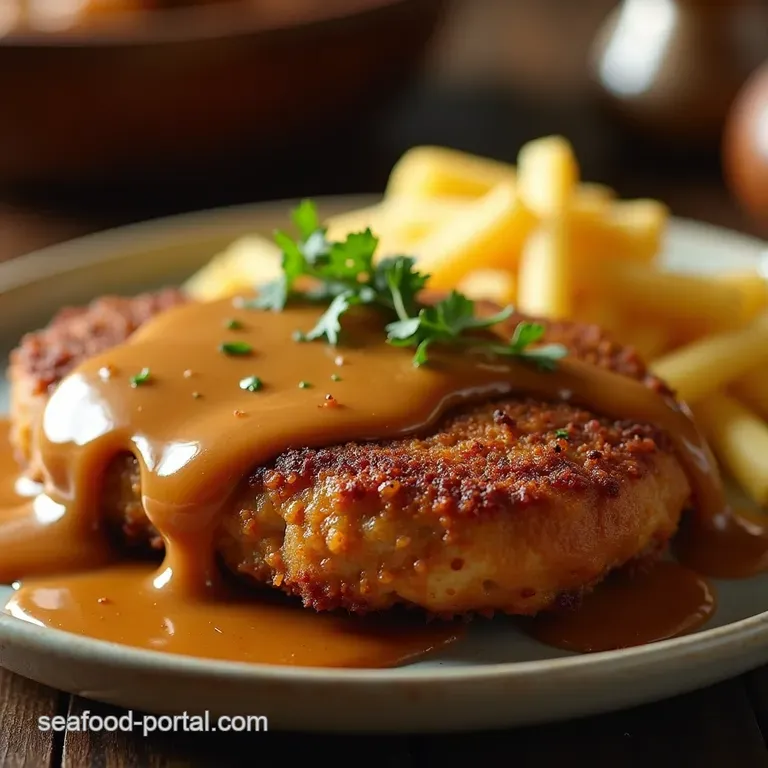
A phenomenal Chicken Fried Steak hinges on high-quality components treated correctly. From the spice blend that perfumes the flour to the exact right amount of pepper in your gravy, attention to detail separates a good attempt from a legendary one.
The Essential Toolkit: Equipment Needed for Flawless Execution
Cast iron is your best friend here; its heat retention capabilities are unmatched, providing a stable frying temperature crucial for even cooking. You’ll need a heavy bottomed skillet, a reliable meat mallet or a heavy rolling pin for the pounding process, and importantly, a wire rack set over a baking sheet.
That rack is vital for allowing air to circulate around the fried steak, preventing steam build-up underneath that causes sogginess.
The Steak Preparation Lineup: Tenderizers and Seasoning Secrets
For four servings, start with four thin cut steaks. Season the meat directly with just salt and pepper before introducing it to the coating station. The star of the show lies within the flour dredge: we integrate 2 cups of all-purpose flour with robust flavour builders like smoked paprika, garlic powder, onion powder, and a touch of cayenne for a gentle warmth.
This seasoned blend is what builds the deep, savory foundation of the final product.
Crafting the Triple Threat Coating: Flour, Eggs, and Beyond
The technique here is non-negotiable for a truly authentic result. We employ three shallow dishes. The first holds the seasoned flour. The second holds the wet binder three large eggs lightly beaten with about a half cup of milk, providing the glue.
The third dish contains more of the seasoned flour, acting as the final, heavily compacted layer. This double dredging ensures a crust thick enough to withstand the hot oil without detaching.
Gravy Gold: Sourcing the Dairy and Spice Elements for Cream Sauce
A perfect Chicken Fried Steak Gravy must be made in the same pan used for frying. After removing the cooked steaks, we reserve about four tablespoons of the fragrant hot oil drippings. This flavour base is combined with an equal amount of flour to create a rich roux.
The liquid base must be whole milk, slightly warmed, and the seasoning focus must be on an aggressive amount of freshly ground black pepper this is what distinguishes the true country gravy.
The Process Decoded: step-by-step Guide to Perfect Frying
The assembly line approach is the only way to manage this Easy Chicken Fried Steak Recipe efficiently. Preparation must be complete before the oil is heated.
Mastering the Marinade and Tenderizing Technique
Begin by covering your steaks in plastic wrap. Use the flat side of your meat mallet to systematically pound the beef until it is uniformly thin, aiming for about 1/4 inch thickness. This mechanical action shortens the muscle fibres, creating guaranteed tenderness.
Once flattened, lightly season the surfaces of the meat.
From Slab to Thin: Pounding the Beef for Maximum Tenderness
The pounding step should be done with confident, even pressure across the entire surface. You are not just flattening; you are structuring the meat to receive and hold the crust. After seasoning, set the steaks aside while you prepare your oil and coating stations so the salt can begin its work.
The Art of the Dredge: Ensuring Maximum Gravy Adhesion
Working methodically, fully coat the steak in the first layer of seasoned flour, shaking off the excess. Next, dunk it completely into the egg wash, allowing excess to drip away. Finally, press the steak firmly into the second mound of seasoned flour, patting it down to ensure the flour adheres thickly and evenly.
Place the fully coated steaks onto your wire rack and allow them to rest for a minimum of 30 minutes. This resting time is crucial for crust integrity.
Achieving Oil Equilibrium: Frying Temperatures for Golden Success
Heat your chosen frying fat canola, vegetable oil, or lard for the most traditional flavour in your cast-i ron skillet until it reaches a stable 325° F ( 160° C).
Work in batches of one or two steaks maximum to avoid dropping the oil temperature drastically. Fry for approximately 3 to 4 minutes per side. The goal is a deep, rich golden brown that signals crispness.
Once done, transfer them immediately to the waiting wire rack to drain excess oil while you prepare the gravy.
Building the Peppery Gravy Base: Creating the Roux in the Drippings
Once the steaks are resting, drain off all but 4 tablespoons of the rendered frying fat from the skillet. Return the skillet to medium heat. Whisk in 4 tablespoons of flour to create your roux, cooking it gently for about 90 seconds until it loses its raw smell. Slowly whisk in 3 cups of warm whole milk.
Let this simmer, stirring constantly, until it thickens enough to coat the back of a spoon, then season heavily with freshly ground black pepper and salt.
Troubleshooting and Advanced Tips for Next Level Chicken Fried Steak
Even experts face challenges. Is your crust flaking? Is your gravy lumpy? Understanding why these things happen is the key to elevating your next attempt. A perfectly made Chicken Fried Steak in Air Fryer is possible, but the true classic demands the skillet.
Avoiding the Soggy Bottom: Pro Secrets for a Lasting Crisp
The number one enemy of crispness is trapped steam. Never stack your freshly fried steaks directly on a plate. Always use a wire rack set over a baking sheet, ensuring air circulates underneath.
Plus,, serving immediately is best, or if holding briefly, place the steaks under a heat lamp (or in a very low oven, 200° F) on the rack until the gravy is ready.
Flavor Upgrades: Creative Twists on the Traditional Recipe
If you find yourself longing for a different texture, try soaking the pounded beef overnight in buttermilk before dredging the acid tenderizes the meat beautifully and adds a slight tang to the crust.
For a regional variation, consider turning your finished product into a Chicken Fried Steak Sandwich , piling the steak high on soft white bread with plenty of pickles and gravy.
Reheating Glory: Keeping Leftovers Juicy and Crunchy
Reheating fried items is tricky. The best method involves spreading the leftover steak on a wire rack set on a baking sheet and reheating in a 375° F ( 190° C) oven for about 10 minutes until the crust crisps up again.
If you must reheat the gravy, do so gently on the stovetop, adding a splash more milk if it has thickened too much upon cooling.
Pairing Perfection: Sides That Complement Rich Fried Beef
Because this meal is inherently rich and savoury, balance is key. Classic accompaniments include fluffy, buttery mashed potatoes they are essential vessels for soaking up every drop of that luscious gravy.
For necessary contrast, serve with green beans cooked with a little bacon or, as mentioned, a sharp, vinegary coleslaw to cut through the richness of the fried beef and cream sauce.
Recipe FAQs
Why is my Chicken Fried Steak crust soggy and greasy instead of crispy?
This is usually a temperature issue, my friend. Your frying oil wasn't hot enough aim for that sweet spot of 325°F (160°C). If the oil is too cool, the coating just soaks up the fat instead of crisping instantly.
Also, make sure you let the dredged steaks rest for 30 minutes before frying; this sets the crust.
What is the secret to getting the flour coating to stick properly?
It’s all about the three stage process: Seasoned Flour, Wet Binder (egg/milk), and Final Flour. Make sure you press the flour onto the steak firmly during that final coat; don't just dip it lightly.
Letting the coated steak rest in the fridge (or even just on the rack) for 30 minutes helps the coating hydrate and "glue" itself to the meat before it hits the pan.
Can I make the peppery cream gravy ahead of time, or does it need to be fresh?
You certainly can make the gravy ahead, but you must account for how cream based sauces behave when chilled they thicken up like cement! Reheat it slowly on the stovetop, stirring constantly, and be prepared to add a good splash of extra milk or broth to loosen it back up to that perfect pourable consistency.
What’s the best cut of beef to use for this Chicken Fried Steak recipe?
Traditionally, you’ll want cube steak, which is pre-tenderized beef rounds or sirloin that has been mechanically pounded. If you can't find pre-cut cube steak, buy thinly sliced top round or sirloin and take your frustrations out on it with a meat mallet until it's about 1/4 inch thick. Tenderising is key here!
My gravy isn't smooth; how do I stop lumps from forming when I add the milk?
Lumps happen when the cold milk hits the hot roux too fast! The best tip is to make sure your milk is warmed slightly before adding it, and then add it very gradually while whisking like your life depends on it.
If you do get lumps, simply strain the finished gravy through a fine mesh sieve it’s an old cook’s trick for salvaging a slightly messy roux.
Crispy Chicken Fried Steak