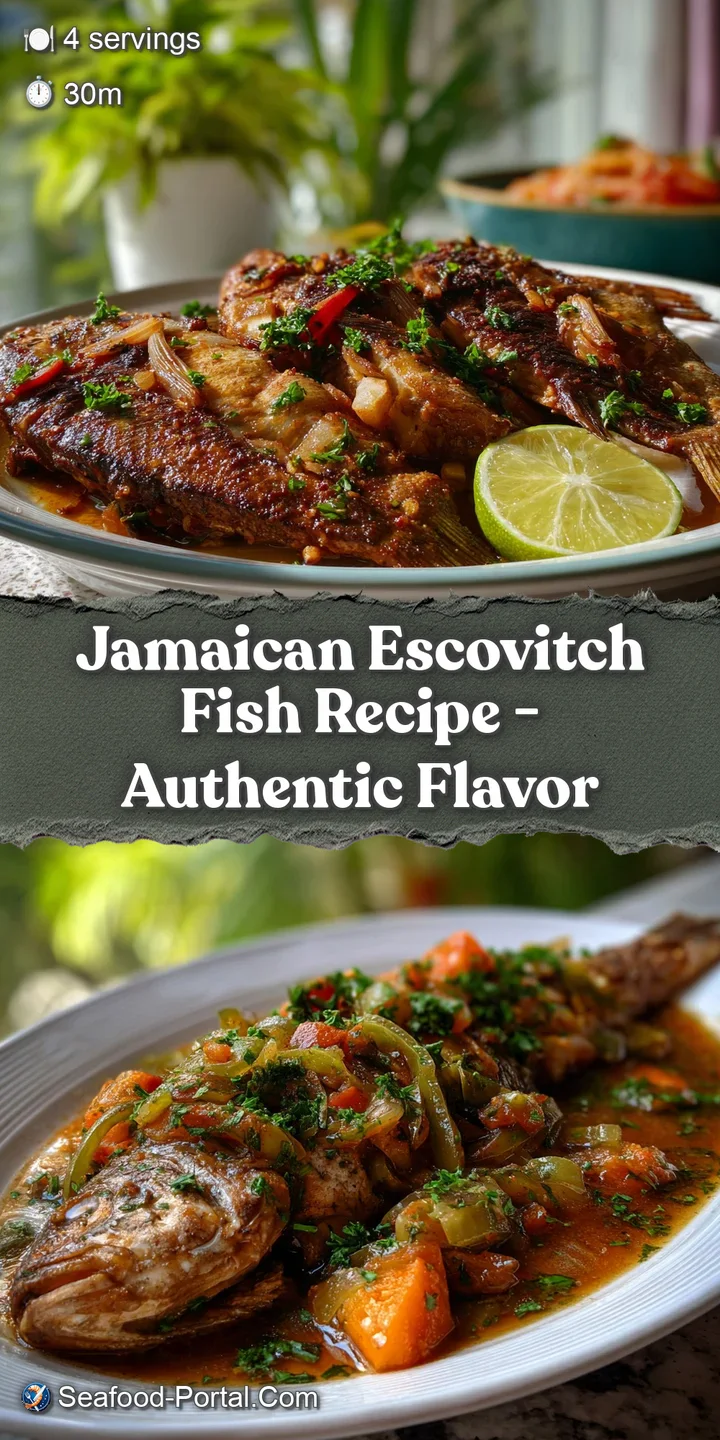
Jamaican Escovitch Fish Recipe
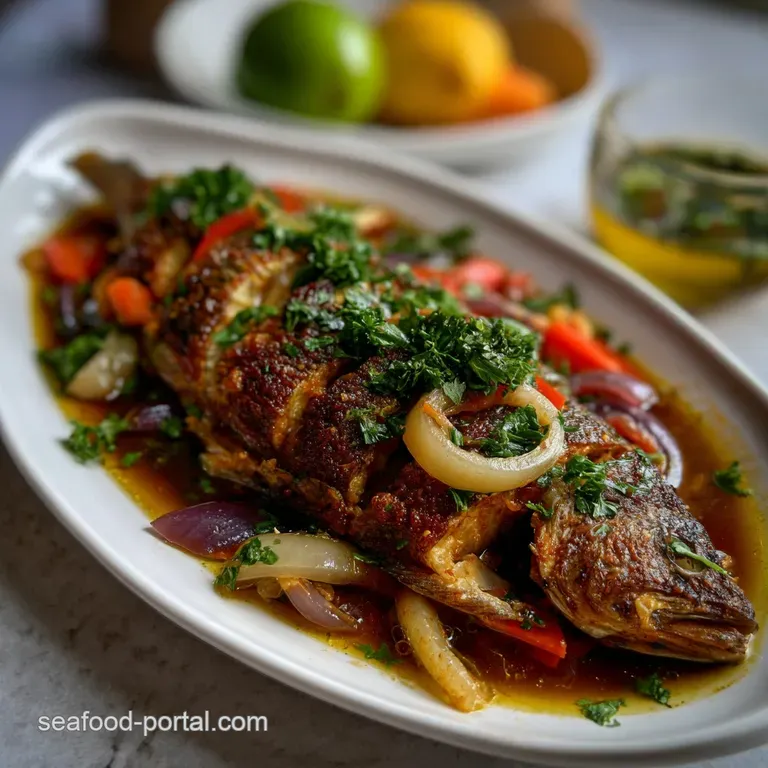
- Time: Active 15 minutes, Passive 15 minutes, Total 30 minutes
- Flavor/Texture Hook: Fiery, tangy, and crackling crisp
- Perfect for: Easter celebrations, tropical themed dinner parties, or seafood lovers
- The Best Authentic Jamaican Escovitch Fish Recipe
- Achieving The Balance Of Heat And Acid
- Understanding Your Recipe Specs
- Essential Shopping List Breakdown
- Necessary Kitchen Equipment Needed
- Steps To Prepare This Island Classic
- Troubleshooting For The Perfect Finish
- Scaling For Crowds Or Couples
- Myths About Jamaican Fried Fish
- Keeping Your Leftovers Fresh
- What To Serve This With
- Recipe FAQs
- 📝 Recipe Card
The Best Authentic Jamaican Escovitch Fish Recipe
Picture this: the sharp, mouth watering scent of cane vinegar hitting a hot pan, mingling with the fruity heat of Scotch bonnet peppers. That first bite gives you a distinct "shatter" from the gold brown skin, followed by the silky, tender white meat of the snapper.
It's a contrast that’s legendary in Caribbean kitchens, and honestly, once you try it, regular fried fish feels like it’s missing its soul.
We’ve all been there, trying to recreate that island magic at home and ending up with soggy skin or vegetables that lack that signature bite. I’ve spent years tweaking my method, learning that the secret isn’t just in the frying, but in the patience of the pickle.
This Jamaican Escovitch Fish Recipe is about more than just cooking; it’s about a tradition that turns a simple catch into a vibrant, colorful masterpiece.
Right then, let's talk about the vibe of this dish. It's punchy, bright, and unapologetically bold. Whether you're a seasoned pro or a beginner looking for a "wow" meal, this approach removes the guesswork. We're going for a texture that stays crispy even under a blanket of pickled carrots and onions.
Trust me on this, you'll want a cold drink nearby, because those peppers aren't just for show.
Achieving The Balance Of Heat And Acid
What makes this specific method stand out is the interplay between the dry heat of the oil and the sharp tang of the pickling liquid. Unlike other fish preparations where the sauce might be heavy or creamy, this one relies on acidity to cut through the richness of the fried snapper.
It’s a clean, invigorating flavor profile that keeps you coming back for another forkful.
The Science of Why it WorksMaillard Reaction: The flour coating and high heat create a complex crust through protein and sugar rearrangement, providing a structural barrier against the sauce.
Acetic Acid Infusion: The vinegar in the sauce acts as a preservative and tenderizer, breaking down the cell walls of the julienned vegetables while maintaining their crunch.
Mastering The Maillard Reaction
To get that skin to truly crackle, we need to ensure the surface of the snapper is bone dry. If there's moisture, you're steaming the fish instead of frying it. I always pat mine down with paper towels until the towel comes away dry.
This allows the proteins on the surface to undergo the Maillard reaction almost instantly when they hit the oil, creating that golden, flavorful crust we’re after.
Harnessing Acetic Acid Infusion
The pickling sauce is the heart of the dish. Using Jamaican cane vinegar is non negotiable for that authentic, slightly sweet tang. When you simmer the carrots and chayote in this liquid, the acid softens them just enough to be edible while keeping a satisfying "snap." If you enjoy this acidic profile, you might find similarities in the lime cured brightness of a Tilapia Ceviche LimeCured recipe.
| Thickness of Fish | Internal Temp | Rest Time | Visual Cue |
|---|---|---|---|
| 0.5 inch | 145°F | 2 minutes | Opaque, flakes easily |
| 1 inch | 145°F | 3 minutes | Skin is rigid and gold |
| Whole (1.5 lbs+) | 145°F | 5 minutes | Meat pulls from bone |
Selecting the right fish is the first step toward success. While we're using red snapper here, the key is the freshness and the skin on preparation. The skin acts as a protective layer and a flavor vessel, so don't even think about using skinless fillets for this one.
Understanding Your Recipe Specs
This recipe is designed to be efficient, taking you from prep to plate in exactly 30 minutes. It's a high impact meal that doesn't require you to stand over a stove for hours.
We are targeting a yield of 4 servings, which usually means two medium sized whole snappers or four large fillets if you've decided to go that route.
Chef's Tip: Freeze your pimento berries for 10 minutes before adding them to the oil. This slight chill prevents them from burning immediately, allowing them to release their aromatic oils more gradually into the frying fat.
When you're looking at the timings, remember that the "passive" time is actually when the magic happens. After the fish is fried and topped with the hot pickle, it needs time to sit. This isn't just for cooling; it's so the seasoned vinegar can slightly penetrate the crust without making it mushy.
It’s a delicate dance of timing that results in the perfect bite.
| Component | Science Role | Pro Secret |
|---|---|---|
| Cane Vinegar | Preservative & Flavor | Simmer until onions turn translucent, not soft. |
| Scotch Bonnet | Capsaicin Heat | Rub the cut pepper on the fish skin for extra kick. |
| Pimento Berries | Aromatic Depth | Toast them in the dry pan for 30 seconds first. |
| Red Snapper | Structural Protein | Score the flesh 3 times to prevent curling. |
The pimento berries, also known as allspice, are the secret weapon here. They provide a warm, earthy undertone that balances the sharp vinegar and fiery peppers. Without them, the dish lacks the "roundness" that defines Jamaican cuisine.
Essential Shopping List Breakdown
For this Authentic Jamaican Escovitch Fish Recipe, quality is everything. You want a snapper that looks like it just hopped out of the Caribbean Sea. Look for clear, bulging eyes and bright red gills. If the fish looks "tired," your dinner will taste "tired."
- 2 lbs whole Red Snapper: Cleaned and scaled. Why this? Snapper holds its shape beautifully during over high heat frying.
- 1 tbsp lime juice: To wash and prep the fish.
- 1 tsp sea salt & 1 tsp black pepper: For the base seasoning.
- 0.5 cup all purpose flour: To create the thin, crispy veil.
- 0.5 cup vegetable oil: High smoke point is essential.
- 1 cup Jamaican cane vinegar: The sharp, traditional backbone of the sauce.
- 1 large carrot: Julienne cut for texture.
- 1 large onion: Sliced into rings.
- 0.5 chayote: Also known as cho cho, julienned.
- 2 Scotch bonnet peppers: Sliced (keep seeds for more heat).
- 12 whole pimento berries: For that authentic woody aroma.
- 1 tsp granulated sugar: To balance the intense acidity.
Substitutions Table
| Original Ingredient | Substitute | Why It Works |
|---|---|---|
| Red Snapper | Sea Bream | Similar firm texture and sweet flavor profile. |
| Cane Vinegar | Apple Cider Vinegar | Adds a fruity note, though slightly less sharp. |
| Chayote | Green Bell Pepper | Provides crunch and color, though less traditional. |
If you're finding it hard to source whole snapper, you can use thick fillets of cod or even haddock. While the vibe changes slightly, the technique remains the same. You might even find that the crispy coating technique reminds you of a Crunchy and Classic recipe used for other regional favorites.
Necessary Kitchen Equipment Needed
You don't need a professional kitchen to pull this off, but a couple of specific tools will make your life much easier. First and foremost, a heavy bottomed skillet is your best friend.
Cast iron is the gold standard here because it holds heat like a champ, ensuring your oil temperature doesn't plummet when the fish hits the pan.
A sharp chef's knife is also non negotiable. You'll be julienning carrots and chayote into matchsticks, and a dull blade will just turn your veggies into a ragged mess. I also recommend a fish spatula - it's thinner and more flexible than a standard spatula, allowing you to get under the delicate skin without tearing it.
Finally,, make sure you have a splatter guard. Frying whole fish involves a bit of moisture meeting hot oil, and things can get lively. A guard keeps your stovetop clean and your skin safe from wandering oil droplets. If you're used to making something like an Almondine Fish recipe, you'll know that heat control is the difference between golden perfection and a burnt mess.
Steps To Prepare This Island Classic
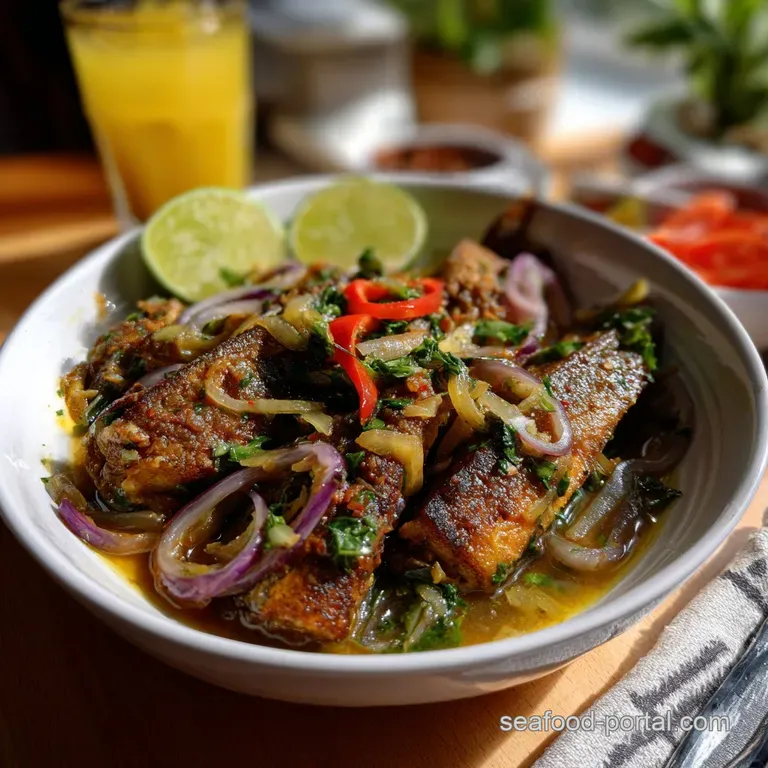
Ready to get cooking? Let’s break this down into manageable steps. This Homemade Jamaican Escovitch Fish Recipe moves fast once the oil is hot, so have all your vegetables prepped and your vinegar measured out before you even turn on the burner.
- Prep the fish. Rinse the 2 lbs of Red Snapper with water and 1 tbsp lime juice, then pat it bone dry. Note: Dry skin is the only way to get a true crunch.
- Season the snapper. Rub the sea salt and black pepper into the skin and the cavity of the fish.
- Dredge lightly. Dust the fish with 0.5 cup all purpose flour, shaking off every bit of excess. Note: You want a veil, not a heavy batter.
- Heat the oil. Pour 0.5 cup vegetable oil into a large skillet over medium high heat until it shimmers and a pinch of flour sizzles instantly.
- Fry the fish. Carefully lay the snapper in the oil. Fry for about 5-7 minutes per side until the skin is a deep, shattering gold.
- Drain and rest. Remove the fish and place it on a wire rack. Note: Paper towels can make the bottom side soggy.
- Sauté the aromatics. In a separate clean pan (or after wiping the fry pan), add a splash of oil and the 12 pimento berries. Cook for 30 seconds until fragrant.
- Build the pickle. Add the julienned carrot, onion rings, chayote, and Scotch bonnets. Sauté for 2 minutes until the onions are just starting to soften.
- Deglaze with vinegar. Pour in 1 cup cane vinegar and 1 tsp sugar. Simmer for 3-5 minutes until the liquid reduces slightly and the veggies are bright.
- Combine and steep. Pour the hot vegetable and vinegar mixture over the fried fish. Let it sit for at least 10 minutes before serving.
Troubleshooting For The Perfect Finish
Even with a solid plan, things can go sideways. The most common issue I hear about is the fish sticking to the pan. This usually happens because the oil wasn't hot enough or you tried to flip it too early. The fish will "release" itself from the pan once the crust has properly formed.
Why Your Fish Is Soggy
If your fish comes out limp instead of crispy, check your oil volume and temperature. If you crowd the pan, the temperature drops, and the fish boils in oil rather than frying. Work in batches if you need to.
Also, ensure you aren't covering the fish with a lid after frying, as the trapped steam will destroy that beautiful crust you just worked so hard to create.
Taming The Intense Heat
Scotch bonnets are no joke. If you want the flavor without the soul scorching heat, leave the peppers whole instead of slicing them. You'll get the fruity aroma of the pepper infused into the vinegar without the direct capsaicin hit.
Alternatively, remove the seeds and white membranes, which is where most of the fire lives.
| Problem | Root Cause | Solution |
|---|---|---|
| Fish skin tears | Flipped too early | Wait for the fish to "release" naturally from the pan. |
| Sauce is too sharp | Too much vinegar | Add another teaspoon of sugar or a splash of water. |
| Veggies are mushy | Overcooked in sauce | Sauté for only 2 mins before adding vinegar. |
Common Mistakes Checklist
- ✓ Skip the lime juice rinse (it helps remove the "fishy" scent and preps the surface).
- ✓ Use a cold pan - always preheat your skillet for 3 full minutes.
- ✓ Over flouring the fish - a thick coating will turn gummy under the sauce.
- ✓ Moving the fish constantly - let it sit undisturbed to develop the crust.
- ✓ Pouring cold sauce over the fish - the pickle should be hot to help flavors meld.
Scaling For Crowds Or Couples
If you're cooking for a big family gathering, scaling up this Quick Jamaican Escovitch Fish Recipe is fairly straightforward, but there are some rules to follow. When doubling the recipe, don't just double the oil in the pan; you still only need enough to shallow fry.
However, you will need to work in batches to keep that oil temperature high and consistent.
For scaling down, it's even easier. If you're just cooking for one or two, you can use smaller snapper fillets. Reduce the pickling liquid slightly, but keep the ratio of vinegar to sugar the same.
The vegetables store well, so even if you make a full batch of the Escovitch sauce, you can keep the leftovers in the fridge for a week to use on other proteins.
- Scaling UP (8 servings): Increase fish to 4 lbs. Use 1.5x the spices and 1.75x the vinegar. Work in two separate skillets if possible.
- Scaling DOWN (2 servings): Use 1 lb of fish. Use half the veg, but keep at least 1 Scotch bonnet for flavor. Use a smaller 8 inch skillet.
Myths About Jamaican Fried Fish
One big misconception is that you have to eat Escovitch fish hot. In Jamaica, this is traditionally a dish that is better the next day! The vinegar acts as a light cure, and as the fish sits in the fridge, the flavors penetrate deep into the meat.
It’s actually one of the few fried dishes that tastes incredible cold or at room temperature.
Another myth is that the flour coating is "unauthentic." While some purists fry the fish "naked" (with just salt and pepper), a very light dusting of flour helps protect the delicate skin and provides more nooks and crannies for the delicious Jamaican Escovitch Fish Sauce Recipe to cling to.
It’s a trick many island grandmothers use to ensure the fish doesn't break apart in the pan.
Keeping Your Leftovers Fresh
Because of the high vinegar content in the sauce, this dish stays fresh longer than most seafood. However, you still want to handle it with care. Store the fish and the vegetables together in an airtight glass container. I prefer glass because the vinegar can sometimes react with plastic or aluminum over time.
- Fridge: Lasts up to 3 days. The flavor actually peaks around day 2.
- Freezer: I don't recommend freezing the finished dish. The texture of the fried skin and the pickled vegetables will become mushy upon thawing.
- Reheating: If you must have it warm, use an air fryer or a toaster oven at 350°F for 5 minutes. Avoid the microwave, or you'll lose all that glorious crunch.
Zero Waste Tip: Don't toss the leftover pickling liquid! It’s essentially a spicy, infused vinaigrette. Use it to marinate chicken, splash it over steamed cabbage, or even use it to pickle some hard boiled eggs for a spicy snack.
What To Serve This With
To balance the intensity of the Best Jamaican Escovitch Fish Recipe, you need something starchy and mild. The classic pairing is Bami (cassava flatbread) or Festival (sweet fried dumplings). The sweetness of the Festival is the perfect foil to the spicy, acidic fish.
If you want something a bit lighter, a side of white rice or rice and peas works beautifully to soak up that extra vinegar sauce. I also love serving this with some fried sweet plantains. The caramelized edges of the plantains dance perfectly with the heat of the Scotch bonnet.
It’s a full spectrum flavor experience that hits every part of your palate!
Recipe FAQs
What are the ingredients in Escovitch fish?
A classic Escovitch fish includes whole fried fish (often snapper), and a tangy, spicy pickle made with vinegar, onions, carrots, Scotch bonnet peppers, and pimento berries. The fish is seasoned simply with salt and pepper, and lightly dredged in flour before frying.
This combination creates a vibrant contrast of textures and flavors.
What is in Jamaican fish seasoning?
Jamaican fish seasoning is typically simple and fresh, allowing the fish's natural flavor to shine. It primarily consists of salt, black pepper, and sometimes a touch of garlic powder or onion powder.
For Escovitch fish, the fish itself is seasoned minimally to highlight the robust pickled vegetables and vinegar sauce.
What vegetables are good in Escovitch fish?
The star vegetables for Escovitch are crunchy and vibrant. Typically, you'll find julienned carrots and thinly sliced onions, along with chayote (cho cho) for added texture. Scotch bonnet peppers are essential for the signature heat, and pimento berries add aromatic depth.
These are all pickled in a hot vinegar mixture.
What is Jamaican fried fish called?
Jamaican fried fish prepared with a vinegar based pickled vegetable topping is called Escovitch fish. The term "Escovitch" itself likely derives from the Spanish "escabeche," referring to a method of pickling food, particularly fish. This dish is a staple in Jamaican cuisine.
Can I use a different fish for Escovitch?
Yes, you can substitute fish, though red snapper is traditional for its firm texture and clean flavor. Thick fillets of cod, haddock, or sea bream work well, and if you enjoyed mastering the crispy skin technique here, you might also find success with a Deep Fried Catfish: The Classic Golden Southern Comfort Food where a good crust is key.
How long does the pickled vegetable mixture last?
The pickled vegetable mixture is quite resilient and lasts well. Stored in an airtight container in the refrigerator, it can last for up to 3 days. The vinegar acts as a preservative, and the flavors actually meld and deepen over time, making leftovers delicious.
Is Escovitch fish meant to be eaten cold?
Yes, Escovitch fish is often enjoyed cold or at room temperature, contrary to many fried dishes. The pickling process allows the flavors to penetrate the fish and vegetables, and many believe it tastes even better after resting for several hours or overnight. It’s a great make-ahead dish.
Jamaican Escovitch Fish
Ingredients:
Instructions:
Nutrition Facts:
| Calories | 438 kcal |
|---|---|
| Protein | 47.2 g |
| Fat | 18.2 g |
| Carbs | 19.5 g |
| Fiber | 2.1 g |
| Sugar | 5.4 g |
| Sodium | 645 mg |
