Asian Salmon Recipe: Honey Soy Glazed
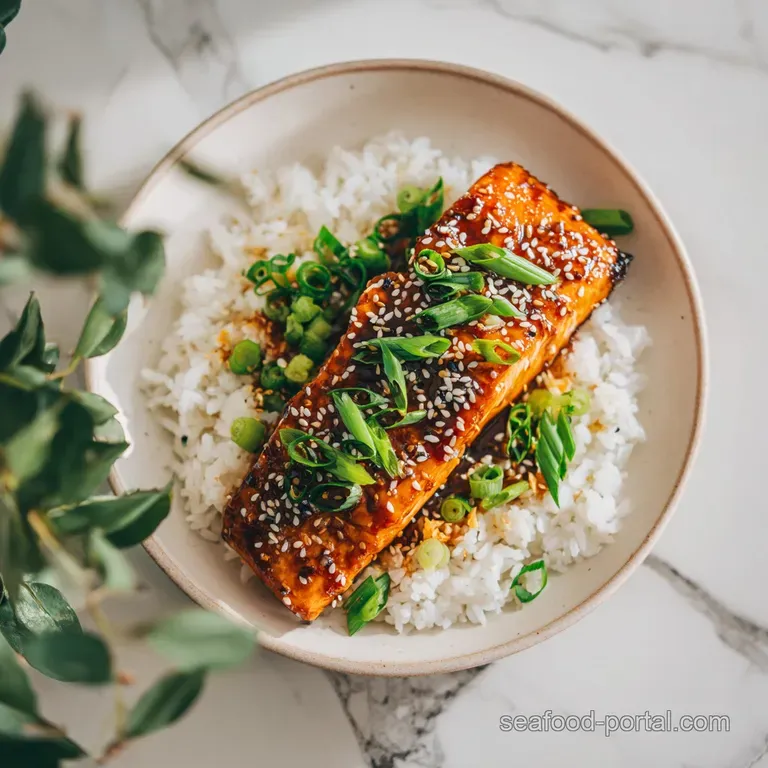
- Time:10 minutes active + 25 minutes prep/marinating = 35 minutes total
- Flavor/Texture Hook: A shatter crisp exterior with a velvety, flake apart center
- Perfect for: A fast weeknight dinner that feels like a weekend treat
- Why This Asian Salmon Recipe Hits Different
- How the Honey and Soy Interact
- Analyzing the Component Roles
- The Pantry List for Bold Flavors
- Tools for a Perfect Sear
- Steps for the Crispiest Salmon
- Fixes for Common Pan Mistakes
- Remixing the Flavor Profile
- Keeping the Leftovers Fresh
- The Best Plates for Salmon
- CRITICAL Sodium Alert
- Recipe FAQs
- 📝 Recipe Card
Why This Asian Salmon Recipe Hits Different
I remember the first time I tried to make a soy glazed salmon at home. I basically turned my kitchen into a smokehouse because I didn't understand how sugar reacts with high heat. I ended up with a piece of fish that was burnt on the outside and raw in the middle, and the sauce tasted like a charcoal briquette.
It was a mess, but it taught me the most important lesson about this dish: timing is everything when you're working with honey and soy.
Now, when I make this, the aroma of fresh ginger hitting the hot oil is the first thing that grabs you. It’s that sharp, zingy scent that tells your brain something bold is coming. Then comes the toasted sesame oil it’s nutty and heavy, grounding the sweetness of the honey.
When you flip that fish and pour in the marinade, the sound changes from a sharp sizzle to a rhythmic, bubbling simmer as the liquid thickens into a glossy, mahogany glaze right before your eyes.
This isn't just another boring baked fish. We're talking about a piece of salmon that has a legitimate crust. You know that satisfying resistance when your fork first touches the surface? That's what we're going for.
It’s a street style approach to a classic protein, focusing on big, punchy flavors that don't hide behind cream or butter. We’re letting the ingredients do the heavy lifting, using heat to transform a few pantry staples into a sauce that you'll honestly want to lick off the plate.
Trust me, once you see how that glaze coats the back of a spoon, you’ll never go back to the bottled stuff.
How the Honey and Soy Interact
Sugar Caramelization: The honey in the marinade undergoes a rapid transformation when it hits the pan, creating a sticky, lacquered surface that traps moisture inside the fish.
Protein Denaturation Control: The rice vinegar acts as a mild acid, slightly tightening the outer fibers of the salmon so the flesh doesn't fall apart during the over high heat sear.
The Oil Barrier: Using a neutral oil with a high smoke point allows us to reach the temperature needed for a crust without the oil breaking down and tasting bitter.
Osmotic Infusion: The salt in the soy sauce draws a tiny amount of moisture out of the surface, which is replaced by the aromatics of ginger and garlic during the 20 minutes rest.
| Method | Cook Time | Texture Result | Best For |
|---|---|---|---|
| Stovetop (This Recipe) | 10 minutes | Crispy skin, lacquered crust | Maximum flavor impact |
| Traditional Oven Bake | 15 minutes | Soft, uniform tenderness | Cooking for large groups |
| Air Fryer Method | 8 minutes | Very dry skin, firm flesh | Ultimate convenience |
Choosing the stovetop method is really about that specific texture contrast. While baking is easier for six people, the pan sear is how you get that vibrant, glossy finish that makes the salmon look like it came out of a professional kitchen.
The high heat of the skillet is the only way to truly "fry" the surface proteins into that savory, salty sweet shell we're after.
Analyzing the Component Roles
| Component | Science Role | Pro Secret |
|---|---|---|
| Soy Sauce | Seasoning and umami source | Use low sodium to control the salt concentration as it reduces |
| Honey | Viscosity and browning agent | Microwave it for 5 seconds if it’s too thick to whisk easily |
| Fresh Ginger | Protease enzymes for tenderness | Grate it frozen to get a fine paste without the stringy fibers |
| Rice Vinegar | pH balance and brightness | Don't swap for white vinegar; it's too aggressive for the fish |
The combination of these elements isn't just for taste; it's a structural necessity for the glaze. The honey provides the body, while the soy sauce provides the electrolytes that help the flavors penetrate the dense fat of the salmon. If you've ever had a blackened salmon, you know how important that surface crust is for the overall experience.
The Pantry List for Bold Flavors
- 2 center cut salmon fillets (6 oz each), skin on: Look for fillets that are similar in thickness so they finish cooking at the same time. Why this? The skin protects the delicate flesh from drying out during the sear.
- Substitute: Steelhead trout (similar fat content and texture).
- 1 tsp neutral oil: Grapeseed or avocado oil works best here. Why this? You need an oil that won't smoke and burn at medium high temperatures.
- Substitute: Refined coconut oil (adds a very slight tropical note).
- 3 tbsp soy sauce: This is the backbone of your savory profile. Why this? Provides the salt needed to brine the fish and the base for the glaze.
- Substitute: Tamari (for a gluten-free version).
- 2 tbsp honey: Use a clear, liquid honey. Why this? It creates the "sticky" factor that helps the sauce cling to the fish.
- Substitute: Maple syrup (adds a woodsy, slightly different sweetness).
- 1 tbsp rice vinegar: Essential for cutting through the richness. Why this? The mild acidity balances the heavy sugars and fats.
- Substitute: Apple cider vinegar (slightly fruitier, but works in a pinch).
- 1 tsp toasted sesame oil: A little goes a very long way. Why this? Adds a deep, roasted aroma that defines the "Asian style" profile.
- Substitute: Toasted sesame seeds (adds crunch but less aroma).
- 1 tsp fresh ginger, finely grated: Must be fresh for the best result. Why this? Adds a sharp, spicy heat that ginger powder simply cannot replicate.
- Substitute: Ginger paste (found in tubes in the produce section).
- 2 cloves garlic, minced: Don't use the pre minced jarred stuff. Why this? Fresh garlic provides a pungent bite that mellows as it simmers in the glaze.
- Substitute: 1/2 tsp garlic powder (only if you're in a total rush).
- 1/2 tsp sriracha: Just enough for a back of-the throat tingle. Why this? Adds a complex chili garlic heat and a bit of color.
- Substitute: Red pepper flakes (crush them between your fingers first).
Tools for a Perfect Sear
You don't need a professional kitchen, but a 12 inch non stick skillet is your best friend here. The honey in the sauce is incredibly sticky; if you use a stainless steel pan and your temperature management isn't spot on, you’ll be scrubbing burnt sugar off the bottom for an hour.
A good non stick surface allows the glaze to slide around and coat the fish rather than bonding to the metal.
You’ll also want a thin fish spatula. Unlike a bulky pancake turner, a fish spatula is flexible and can slide right under the skin without tearing it. And honestly, grab a digital meat thermometer. Salmon moves from "perfectly translucent" to "overcooked and chalky" in about 60 seconds.
Knowing exactly when you hit 145°F (63°C) takes the guesswork out of the equation and ensures that velvety texture every single time.
Steps for the Crispiest Salmon
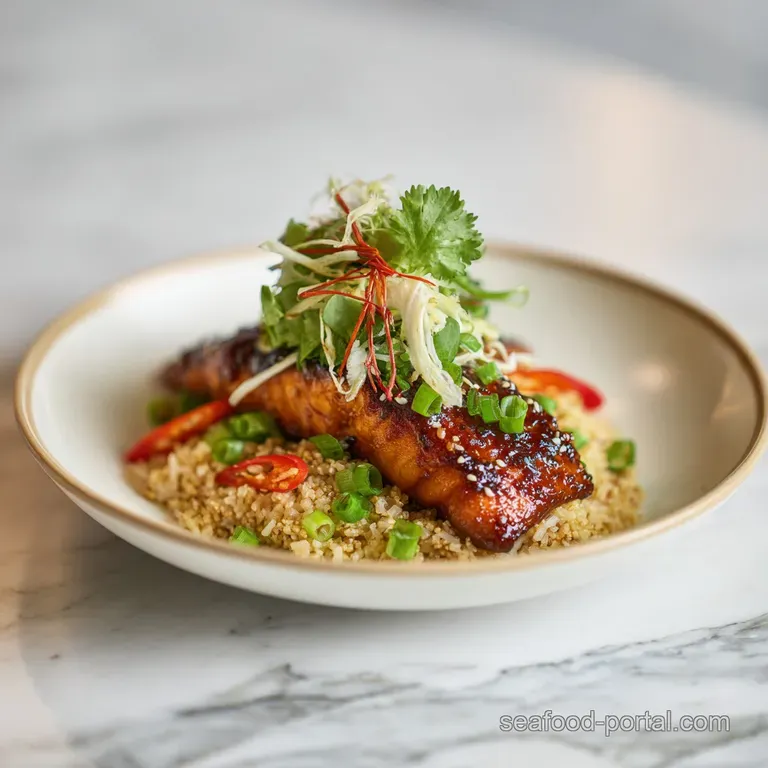
- Whisk the marinade components. Combine the soy sauce, honey, rice vinegar, toasted sesame oil, grated ginger, minced garlic, and sriracha in a small bowl. Note: Keep whisking until you don't see any streaks of honey at the bottom.
- Brine the salmon fillets. Place the fish in a shallow glass dish and pour the marinade over them. Let them sit at room temperature for 15 minutes. Note: This "room temp" rest ensures the fish cooks evenly and doesn't seize up in the hot pan.
- Dry the skin thoroughly. Remove the salmon from the liquid and reserve every drop of that marinade. Pat the skin side of the salmon completely dry with a paper towel. Note: Moisture is the enemy of crispiness; any water left on the skin will steam instead of sear.
- Heat the skillet properly. Add 1 tsp of neutral oil to your skillet over medium high heat. Wait until you see the oil shimmering and dancing across the pan.
- Sear the flesh side first. Carefully place the salmon fillets flesh side down (skin side up). You should hear an immediate, aggressive sizzle.
- Develop the crust. Let the fish cook undisturbed for 3 minutes. Note: Resist the urge to peek! Moving the fish too early will tear the developing crust.
- Flip and glaze. Flip the fillets so the skin is now touching the pan. Pour the reserved marinade into the skillet. The sauce will immediately start to bubble and froth.
- Reduce the sauce. Simmer for another 3 minutes, using a spoon to constantly bathe the top of the salmon in the bubbling liquid.
- Check for doneness. Remove the pan from the heat once the salmon hits an internal temperature of 145°F. The sauce should look thick and syrupy, like liquid gold.
- Rest before serving. Let the salmon sit in the pan for 1 minute off the heat. This allows the glaze to fully set and become extra sticky before you move it to a plate.
Fixes for Common Pan Mistakes
The Sauce Burned Too Fast
If your heat is too high, the honey will move past caramelization and straight into carbonization. You'll know this is happening if the bubbles in the sauce look dark and smell like burnt toast. To fix this, immediately add a splash of water or rice vinegar to the pan to drop the temperature and thin the glaze.
Next time, keep the heat at a true medium high and don't let the sauce boil for more than 3 minutes.
The Fish Is Sticking
This usually happens for one of two reasons: either the pan wasn't hot enough when you added the fish, or you tried to flip it too early. Salmon has a natural "release" point. When the proteins have seared sufficiently, they will naturally detach from the cooking surface.
If you feel resistance when you try to slide your spatula under the fillet, give it another 30 seconds.
| Problem | Root Cause | Solution |
|---|---|---|
| White "goop" on surface | Overcooking / high heat | Remove from heat at 140°F; carryover will finish it |
| Skin is soggy | Excess moisture before cooking | Pat the skin bone dry with paper towels twice |
| Glaze won't thicken | Not enough reduction time | Remove fish and simmer sauce alone for 60 seconds |
Common Mistakes Checklist
- ✓ Never pour the marinade over the salmon while it's in the pan before the first sear is done.
- ✓ Don't skip the room temperature rest; cold fish sticks to hot pans.
- ✓ Avoid crowding the pan; if the fillets are touching, they will steam each other.
- ✓ Use a non stick pan unless you are a master of heat management.
- ✓ Stop cooking the moment you see the fat (white albumin) start to push out of the sides.
Remixing the Flavor Profile
Scaling this recipe is fairly straightforward because the ratios are simple. If you're cooking for four, you can double the ingredients exactly, but you might need to cook the salmon in two batches. If you crowd four fillets into one skillet, the temperature of the pan will drop too low, and you'll end up poaching the fish in its own juices rather than searing it. For a crispy skin salmon, maintaining that high pan heat is the most critical factor.
To Prevent the "White Stuff"
That white substance is called albumin. It’s perfectly safe to eat, but it’s a sign that the muscle fibers have contracted so tightly that they’ve squeezed out the internal protein. To avoid this, cook the salmon gently once the glaze is added and aim for a medium rare to medium finish.
Baked Asian Salmon Variation
If you're not in the mood for stovetop splashing, you can bake this at 400°F (200°C). Place the marinated fillets on a parchment lined sheet pan and bake for 10 minutes.
While they bake, simmer the marinade in a small saucepan on the stove until it thickens, then brush it over the fish during the last 2 minutes of cooking. You won't get the same crust, but it's much more hands off.
Keeping the Leftovers Fresh
Storage: Put any leftover salmon in an airtight container in the fridge for up to 3 days. The glaze will actually thicken and become even stickier as it chills. When you're ready to eat, don't microwave it on high. That will turn the fish into rubber.
Instead, use the "reheat" setting or put it in a cold oven and set it to 300°F (150°C) until it’s just warmed through.
Zero Waste: If you have leftover glaze in the pan, don't wash it away! Throw in some leftover cold rice or a handful of snap peas and toss them in the residual heat. The sugar and soy will coat the veggies or rice beautifully.
If the skin peels off during storage, you can crisp it up in a dry pan for 2 minutes and use it as a "bacon" garnish for a salad the next day.
The Best Plates for Salmon
I almost always serve this over a bed of fluffy jasmine rice or coconut rice. The rice acts like a sponge for any of that extra glaze that drips off the fish. If you want to keep it lighter, an Asian salmon noodle bowl approach with chilled soba noodles and cucumbers is incredibly refreshing.
The bold, street style flavors of this salmon also pair perfectly with charred bok choy or roasted broccoli. The bitterness of the charred greens provides a necessary counterpoint to the sweet honey glaze. For a final touch, hit the plate with a flurry of toasted sesame seeds and some thinly sliced scallions.
The fresh green crunch of the onions brightens everything up and makes the mahogany fish really pop visually. It's a meal that looks like you spent hours on it, but we both know it was just a quick 35 minute hustle.
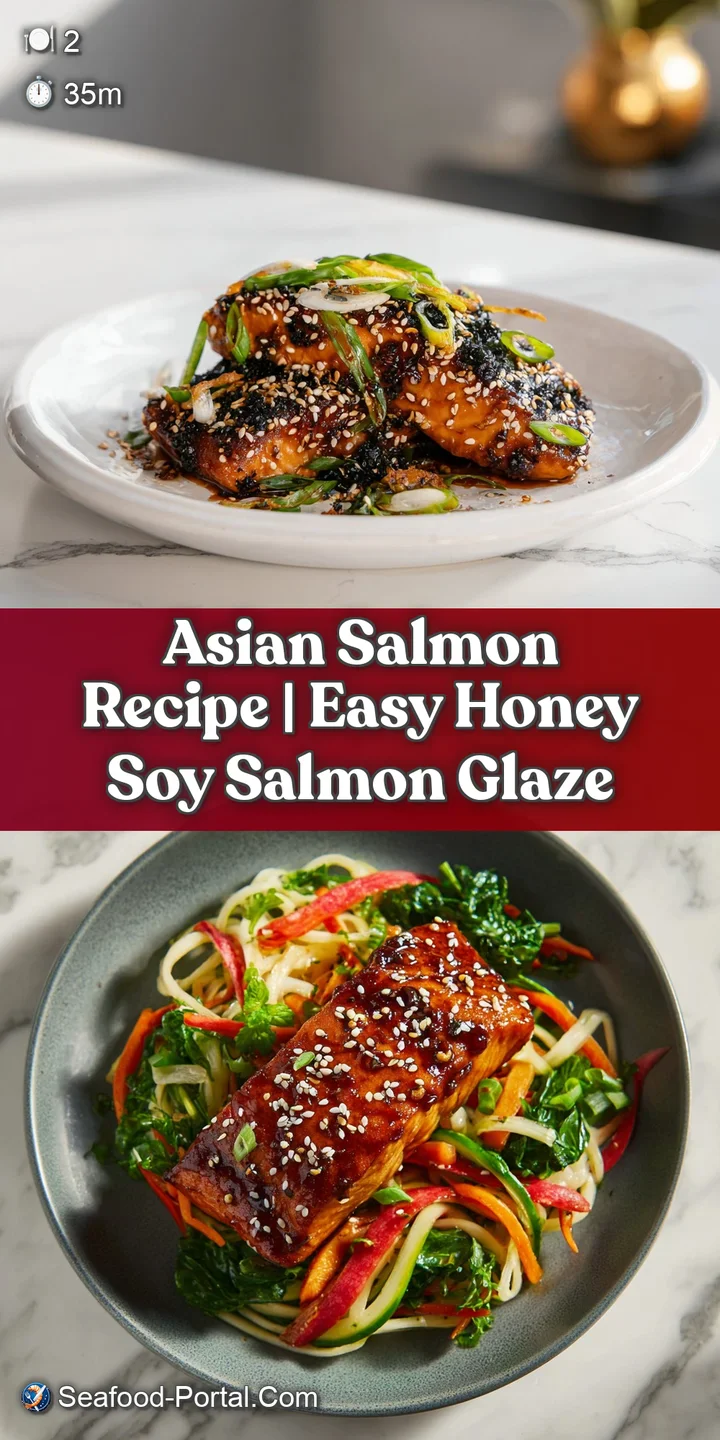
CRITICAL Sodium Alert
1310 mg 1310 mg of sodium per serving (57% 57% of daily value)
The American Heart Association recommends limiting sodium intake to less than 2,300mg per day, with an ideal limit of about 1,500mg for most adults.
Tips to Reduce Sodium in Your Salmon Recipe
-
Low-Sodium Soy Sauce Swap-20%
Replace the 3 tbsp of regular soy sauce with low-sodium soy sauce. This is the biggest sodium contributor in your recipe.
-
Honey & Vinegar Balance-5%
Reduce the honey to 1.5 tbsp and rice vinegar to 0.5 tbsp, then boost the flavor with a touch more ginger and garlic to compensate. This slightly reduces the overall liquid while maintaining sweetness.
-
Flavorful Herbs & Spices
Amplify the taste without adding sodium by using more fresh ginger, garlic, and a pinch of black pepper. Consider adding fresh cilantro or green onions for extra zest.
-
Sriracha Adjustment-2%
If you enjoy the heat, consider using a lower sodium sriracha option or reducing the amount slightly to 0.25 tsp.
Recipe FAQs
How to avoid the salmon sticking to the skillet?
Pat the skin side completely dry with a paper towel before adding it to the pan. Additionally, ensure the salmon rests at room temperature for 15 minutes before cooking so the fillets do not seize when hitting the hot oil.
Can I use a different fish for this recipe?
Yes, firm white fish works well with this glaze. If you enjoy this searing technique, you can apply the same heat management principles to our crispy cod recipe for equally reliable results.
How to tell when the salmon is finished cooking?
Use an instant read thermometer to check that the internal temperature reaches 145°F. You should also stop cooking immediately if you see white albumin pushing out from the sides of the fillet, as this indicates the fish is nearing the end of its cook time.
Is it true I should marinate the salmon overnight?
No, this is a common misconception. Because the marinade contains vinegar and soy sauce, a long soak will break down the fish proteins too much and make the texture mushy; stick to the 15 20 minute room temperature brine.
How to get a deep golden brown crust?
Sear the salmon for 3 4 minutes over medium high heat without moving it at all. Touching or flipping the fish too early prevents the sugars in the honey from caramelizing properly against the skillet surface.
Why is my sauce watery instead of a glaze?
Simmer the reserved marinade in the pan for the full 2 3 minutes after flipping the salmon. This allows the liquid to reduce sufficiently, transforming the soy and honey mixture into a thick, glossy coating.
How to prevent the garlic and ginger from burning?
Add the marinade only after you have finished the initial 3 4 minute sear on the flesh side. By adding the aromatics during the final 2 3 minutes of simmering, you ensure the glaze develops flavor without the garlic and ginger turning bitter from excessive heat.
Honey Soy Asian Salmon
Ingredients:
Instructions:
Nutrition Facts:
| Calories | 368 kcal |
|---|---|
| Protein | 35.2 g |
| Fat | 15.8 g |
| Carbs | 19.4 g |
| Fiber | 0.3 g |
| Sugar | 17.6 g |
| Sodium | 1310 mg |
