Deep Fried Sushi: Crispy Tempura Roll
- Time: Active 40 minutes, Passive 10 minutes, Total 50 minutes
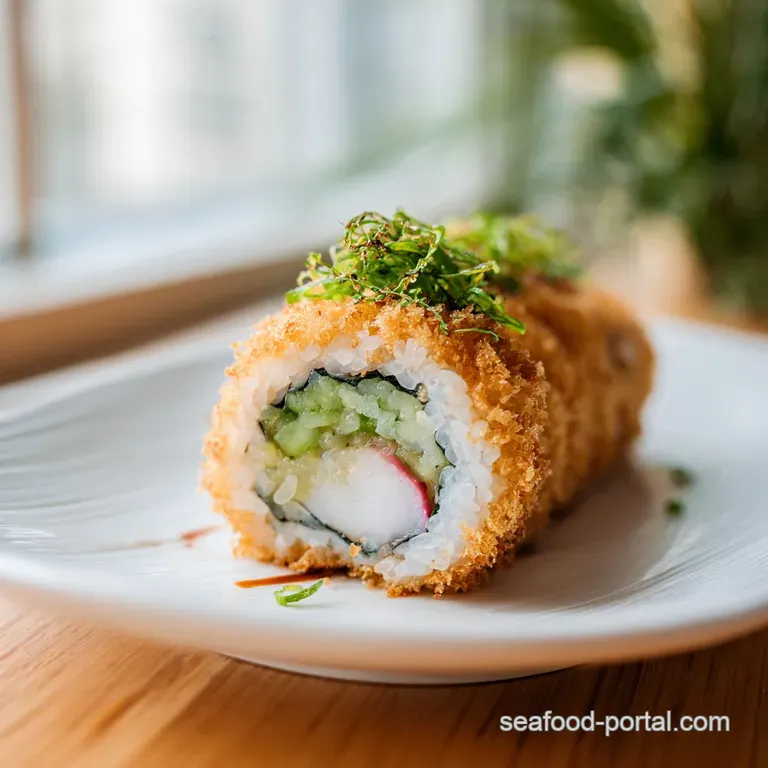
- Flavor/Texture Hook: Shattering golden panko exterior with a buttery, warm avocado and cream cheese core.
- Perfect for: High energy weekend dinner parties or satisfying a serious street food craving.
- Master the Bold Shattering Crunch of Deep Fried Sushi
- The Essential Thermal Principles Behind That Golden Outer Crust
- Precise Metrics for the Ultimate Fried Sushi Roll Outcome
- Building the Layers of Texture with High Quality Ingredients
- The Essential Tools for Achieving Professional Street Style Results
- A Step by Step Guide to Rolling and Frying Success
- Avoiding Common Pitfalls for a Perfect Golden Brown Finish
- Swapping Fillings to Personalize Your Vibrant Sushi Experience
- Myating the Truth: Sushi Myths Debunked
- Maintaining Texture Through Proper Storage and Reheating Methods
- Elevating the Plate with Bold Sauces and Vibrant Garnishes
- Very High in Sodium
- Recipe FAQs
- 📝 Recipe Card
Master the Bold Shattering Crunch of Deep Fried Sushi
Forget everything you’ve been told about sushi being a delicate, cold, and strictly raw affair. There is a common myth that heat ruins the soul of a sushi roll, but one bite of this mahogany crusted Deep Fried Sushi will shatter that assumption faster than the panko itself.
We aren’t aiming for subtle here; we are going for bold, vibrant, and unapologetically street style. The first time I tried to fry a roll, I expected a greasy mess, but what I got was a revelation the rice becomes slightly nutty, the nori tightens up, and the cream cheese turns into a molten, savory custard that coats the smoked salmon.
When you lower that roll into the oil, the kitchen fills with the scent of toasted grain and sea salt. It’s a sensory overload that makes traditional nigiri feel almost quiet by comparison.
This isn't just about cooking the fish; it's about creating a structural masterpiece where the exterior provides a violent crunch that gives way to a silky, vinegary interior. We're leaning into the richness of the avocado and the smokiness of the salmon, then punching it all up with a dusting of Shichimi Togarashi to ensure every single bite has a lingering, spicy hum.
We’ve all seen those sad, soggy rolls at cheap buffets, but we are doing things differently. By focusing on the temperature of your batter and the moisture content of your fillings, we ensure the roll doesn’t turn into a sponge.
This recipe is for those who want that satisfying sizzle and a texture that actually stands up to a heavy dip in soy sauce or spicy mayo. It’s fun, it’s a bit messy, and it’s arguably the most addictive way to consume rice and seaweed.
The Essential Thermal Principles Behind That Golden Outer Crust
The magic of a perfect fry isn't luck; it's all about managing how water leaves the food and how oil stays out. When we talk about Deep Fried Sushi, the biggest hurdle is the rice. Rice is a moisture magnet.
If you just toss a rice roll into oil, the water in the rice will turn to steam, blow the roll apart, and leave you with a greasy clump.
To prevent this, we use a three layer defense system: a flour dust, a tempura style wet batter, and a panko shroud. This creates a pressurized environment where the interior steams just enough to soften the avocado and warm the salmon, while the exterior dehydrates into a rigid, crispy lattice.
- Thermal Shock Dynamics: Using ice cold sparkling water in the batter creates a massive temperature gap when it hits the 190°C oil, leading to immediate carbon dioxide expansion for a light, airy crust.
- Starch Barrier Formation: The initial dusting of all purpose flour absorbs surface moisture from the nori, acting as a "glue" that prevents the wet batter from sliding off during the fry.
- Protein Coagulation: The single egg yolk in the batter provides just enough fat and protein to bind the starch molecules, ensuring the crust is sturdy enough to hold the heavy panko.
- Vapor Pressure Control: Keeping the cream cheese chilled until the very last second ensures it doesn't liquefy and leak out before the crust has had time to set and seal the ends.
Comparison of Preparation Methods
Before we dive into the steps, it is helpful to look at why we choose the stovetop over the oven for this specific street style texture. While the oven is great for many things, it lacks the convective power needed for a true "shatter" effect.
| Method | Time | Texture | Best For |
|---|---|---|---|
| Stovetop Deep Fry | 90 seconds | Shattering, mahogany crust | Authentic street style crunch |
| Oven Bake | 12 minutes | Crunchy but often dry | Lower fat, but loses the "sizzle" |
| Air Fryer | 8 minutes | Crispy but can be patchy | Quick cleanup, moderate texture |
Using a heavy bottomed pot on the stove allows for much tighter control over the oil temperature, which is the single most important factor in preventing greasiness. If you’re looking for a lighter meal to serve alongside this, you might enjoy a bowl of Japanese Shrimp Curry which provides a velvety contrast to the fried texture.
Precise Metrics for the Ultimate Fried Sushi Roll Outcome
Accuracy is your best friend when dealing with hot oil and delicate rice. You cannot eyeball the temperature of the oil or the ratio of the batter if you want consistent results. I’ve seen too many rolls come out looking like pale, limp logs because the oil was only 160°C.
These checkpoints are the "golden rules" I follow every time I pull out my frying thermometer. They ensure the smoked salmon stays tender while the panko reaches that perfect mahogany hue.
- Checkpoint 1: The Oil — 190°C (375°F). This is the "flash fry" zone. Any lower and the oil seeps into the rice; any higher and the panko burns before the nori can crisp.
- Checkpoint 2: The Batter — 4°C or lower. Use actual ice cubes in your sparkling water. The colder the batter, the less oil it absorbs.
- Checkpoint 3: The Rest — 3 minutes on a wire rack. Never rest fried sushi on paper towels, as the trapped steam will turn the bottom of your roll soggy within seconds.
Building the Layers of Texture with high-quality Ingredients
The components of Deep Fried Sushi need to be balanced. Because we are frying the roll, the flavors of the fillings will intensify. The smoked salmon becomes more fragrant, and the avocado loses its grassy edge, becoming almost like butter.
- 2 cups Sushi Rice: Use short grain Japanese rice. Long grain won't have the starch needed to stay together during the frying process.
- 2.5 cups Water: Exact measurement for a firm, non mushy rice base.
- 1/4 cup Rice Vinegar: Adds the essential tang to cut through the richness of the fried crust.
- 2 tbsp Granulated Sugar: Balances the acidity.
- 1 tsp Sea Salt: Enhances the overall umami.
- 4 sheets high-quality Nori: Look for "Gold Grade" nori; it’s thicker and less likely to tear.
- 8 oz Smoked Salmon: Adds a deep, savory note that pairs perfectly with the charred panko.
- 4 oz Cream cheese: Must be chilled and sliced into batons. Why this? Provides a creamy, molten center that contrasts the crispy shell.
- 0.5 Avocado: Slice thin just before rolling to prevent browning.
- 0.5 tsp Shichimi Togarashi: A Japanese 7 spice blend for a subtle, layered heat.
- 1.2 cup All purpose flour: Divided. You'll use some for the dusting and the rest for the wet batter.
- 0.5 cup Cornstarch: Why this? Cornstarch interferes with gluten development, making the crust crispier and lighter.
- 1 cup Sparkling water: Must be ice cold to create those tiny air pockets in the batter.
- 1 Egg yolk: Adds richness and helps the batter adhere to the nori.
- 1 cup Panko breadcrumbs: These provide the signature "jagged" crunch of street style sushi.
- 1 quart Neutral frying oil: Canola or grapeseed work best due to their high smoke points.
Ingredient Deep Dive
Understanding the role of each component helps you troubleshoot on the fly. For instance, if your batter is too thick, your crust will be doughy rather than crispy.
| Ingredient | Science Role | Pro Secret |
|---|---|---|
| Sushi Rice | Structural Matrix | Wash until the water is crystal clear to remove excess surface starch that causes gumminess. |
| Cornstarch | Moisture Barrier | Replacing some flour with cornstarch lowers the protein content, preventing a "bread like" texture. |
| Sparkling Water | Leavening Agent | The CO2 bubbles expand instantly in the oil, creating a delicate, honeycomb like crust. |
| Cream Cheese | Fat Emulsifier | Use full fat blocks; low-fat versions have too much water and will "explode" in the fryer. |
Rice choice is non negotiable here. If you use standard white rice, the roll will crumble as soon as it hits the hot oil. The short grain variety contains the specific ratio of amylose and amylopectin required to create a "sticky" bond that survives the heat.
The Essential Tools for Achieving Professional Street Style Results
You don't need a professional kitchen, but a few specific tools will make your life much easier and your sushi much crispier. I’ve tried doing this with just a pan and a fork, and trust me, you want the right gear.
A heavy bottomed pot, like a Dutch oven or a deep cast iron pot, is essential for temperature stability. When you drop a cold, batter covered roll into oil, the temperature drops instantly. A heavy pot retains heat better, helping the oil recover quickly so the sushi fries rather than soaks.
- Bamboo Rolling Mat (Makisu): Wrap this in plastic wrap to prevent the rice from sticking. It allows you to apply the firm, even pressure needed for a tight roll.
- Deep Fry Thermometer: This is the most important tool. 5 degrees can be the difference between a golden crust and a burnt one.
- Wire Cooling Rack: Essential for airflow. It keeps the bottom of the roll as crispy as the top.
- Spider Strainer or Slotted Spoon: To safely lower and retrieve the rolls from the hot oil.
- Sharp Chef's Knife: A dull knife will squash the beautiful layers you’ve worked so hard to create.
Chef's Tip: Before slicing your fried sushi, dip your knife in a mixture of water and a splash of rice vinegar. This prevents the sticky rice from clinging to the blade and ensures clean, photogenic slices.
A step-by-step Guide to Rolling and Frying Success
- Prep the rice base. Rinse the 2 cups of sushi rice in a fine mesh sieve until the water runs completely clear. Cook with 2.5 cups of water in a rice cooker or covered pot. Once done, fold in the rice vinegar, sugar, and salt while the rice is still warm, then let it cool completely to room temperature. Note: Cooling is vital; warm rice will make the nori rubbery.
- Set up the station. Place a sheet of Nori on your plastic wrapped bamboo mat. With damp hands, spread a thin, even layer of rice over the nori, leaving a 1 inch border at the top edge.
- Layer the fillings. Arrange 2 oz of smoked salmon, a baton of chilled cream cheese, and a few slices of avocado in a horizontal line across the lower third of the rice. Sprinkle with a pinch of Shichimi Togarashi.
- Roll with precision. Using the mat, lift the bottom edge of the nori over the filling. Apply firm, even pressure to create a tight cylinder. Seal the top border with a tiny dab of water. Repeat to make 4 rolls.
- Heat the oil. Pour 1 quart of neutral oil into your pot. Heat over medium high until the thermometer reads exactly 190°C (375°F).
- Create the starch seal. Lightly dust the outside of each roll with 0.2 cups of all purpose flour. Shake off any excess. Note: This ensures the wet batter doesn't slide off the smooth nori.
- Whisk the tempura batter. In a cold bowl, combine 1 cup flour, 0.5 cup cornstarch, 1 cup ice cold sparkling water, and 1 egg yolk. Whisk gently until just combined with visible small lumps. Overmixing creates gluten, which makes the crust chewy instead of shattering.
- Coat and panko. Dip each roll into the cold batter, ensuring total coverage. Immediately roll in the 1 cup of panko breadcrumbs, pressing gently so they adhere to the batter.
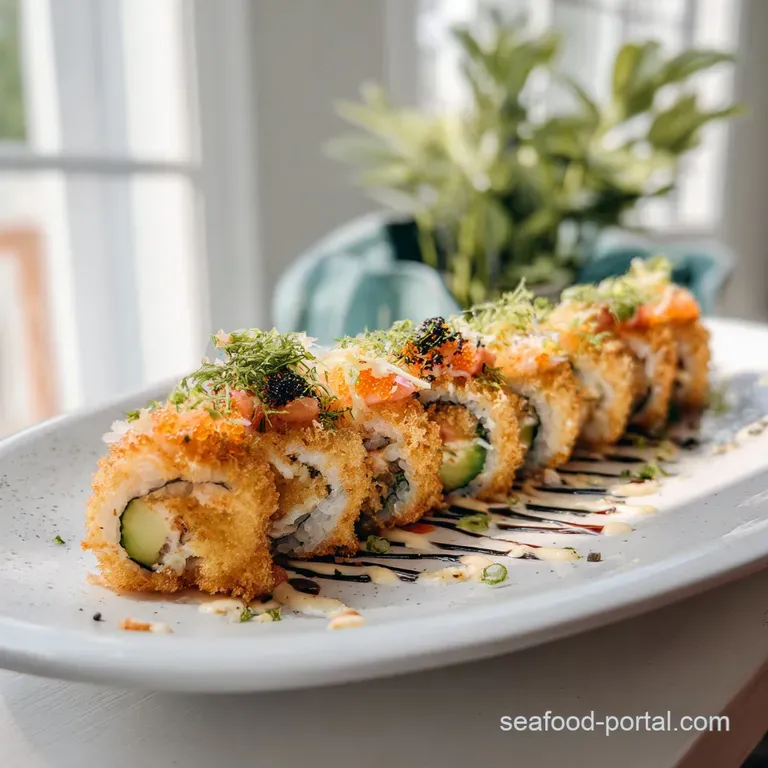
- Flash fry the sushi. Carefully lower two rolls at a time into the oil. Fry for 60-90 seconds until the panko is deep mahogany and the sound of bubbling slows down.
- Drain and slice. Transfer the rolls to a wire rack for 3 minutes. Slice each roll into 6-8 pieces using a damp, sharp knife.
For a complete street food feast, these rolls go incredibly well with Soy Sauce pan-fried Noodles, which add a savory, chewy element to the meal.
Avoiding Common Pitfalls for a Perfect Golden Brown Finish
Even experienced cooks can hit a snag with deep frying. The balance of moisture and heat is delicate. If your rolls are falling apart, it’s usually a structural issue from the rolling phase. If they are greasy, it’s almost always a temperature issue.
Why Your Sushi Roll is Falling Apart
If the roll uncurls in the fryer, it’s likely because the seam wasn't sealed properly or the roll was too loose. The rice acts as the "mortar" for your sushi "bricks." If the rice isn't pressed firmly during the rolling stage, the steam generated during frying will expand the gaps and push the roll open.
| Problem | Root Cause | Solution |
|---|---|---|
| Soggy Crust | Oil temp too low | Ensure oil reaches 190°C before adding the second batch. |
| Exploding Fillings | Roll too loose | Apply more pressure with the bamboo mat to remove air pockets. |
| Batter Sliding Off | Nori too wet | Pat the nori dry and don't skip the initial flour dusting step. |
Common Mistakes Checklist
- ✓ Never use warm rice; it creates internal steam that makes the nori soggy before it ever hits the oil.
- ✓ Don't overcrowd the pot; adding too many rolls at once drops the oil temperature and leads to greasiness.
- ✓ Use a wire rack, not paper towels, to preserve the "shatter" of the bottom crust.
- ✓ Keep the cream cheese batons in the fridge until the exact moment you are ready to roll.
- ✓ Check the oil temperature between every batch; it fluctuates more than you think.
Swapping Fillings to Personalize Your Vibrant Sushi Experience
While the smoked salmon and cream cheese "Philly style" is a classic for frying, this technique works with almost any filling. The key is to avoid ingredients with extremely high water content, like cucumber, which can release steam and make the interior mushy.
If you want a "Firecracker" version, swap the smoked salmon for spicy tuna (minced raw tuna mixed with sriracha and sesame oil). The heat of the fryer will lightly sear the outside of the tuna while leaving the center spicy and soft.
For a vegan friendly crunch, replace the fish and cheese with sweet potato tempura strips and pickled radish (oshinko). The sweetness of the potato becomes caramelized during the second fry.
Scaling the Recipe for Crowds
Scaling Deep Fried Sushi requires a bit of logistical planning. You cannot fry 20 rolls at once, so you have to work in stages.
- Scaling Down (1-2 people): You can easily halve the rice and fillings. For the batter, use one small egg yolk or half a beaten large yolk. Use a smaller pot to save on oil, but keep the depth at least 3 inches.
- Scaling Up (8-12 people): Prepare all the rolls and keep them in the fridge. Do not batter them until you are ready to fry. Scale the spices to 1.5x only to avoid overpowering the dish. Work in batches and keep the finished rolls in a 90°C (200°F) oven on a wire rack to stay warm while you finish the rest.
Chef's Tip: If you are making a large batch, keep your panko in a separate bowl and only replenish it as needed. This prevents the breadcrumbs from getting clumpy from the wet batter drippings.
Myating the Truth: Sushi Myths Debunked
One major misconception is that "sushi" means raw fish. In reality, "sushi" refers to the seasoned vinegar rice. Frying the roll doesn't make it "not sushi"; it just highlights a different profile of the grain.
Another myth is that deep frying "kills" the health benefits of the avocado and salmon. While you are adding calories through the oil and batter, the flash fry method is so fast (under 90 seconds) that it preserves most of the omega-3s and vitamins within the core of the roll.
The interior barely reaches 45°C, which is just enough to soften the fats without breaking them down.
Finally, people often think you need a dedicated deep fryer. A simple, heavy pot is actually superior because it allows for easier cleaning and better temperature monitoring with a manual thermometer. You don't need fancy equipment to get that vibrant, street style finish.
Maintaining Texture Through Proper Storage and Reheating Methods
Let’s be honest: Deep Fried Sushi is at its absolute peak about 4 minutes after it leaves the oil. However, life happens, and sometimes you have leftovers.
Storage: Place leftovers in an airtight container lined with a dry paper towel. Store in the fridge for up to 24 hours. The rice will harden slightly, and the crust will lose its shatter, but the flavors will remain bold.
Reheating: Never use a microwave. It will turn the panko into a damp sponge and make the salmon rubbery. Instead, use an air fryer at 200°C for 3-4 minutes or a toaster oven for 5-7 minutes.
This recrisps the panko and softens the cream cheese center.
Zero Waste Tip: If you have leftover sushi rice, don't throw it out! Press it into small pucks and sear them in a pan with a little sesame oil to make "crispy rice" bases for spicy tuna tartare.
Any leftover panko and batter can be used to fry up some onion rings or small pieces of white fish for a quick snack.
Elevating the Plate with Bold Sauces and Vibrant Garnishes
Presentation is what takes this from a home experiment to a street food masterpiece. Because the roll is mahogany colored and rich, you want garnishes that provide brightness and acidity.
I love to drizzle my Deep Fried Sushi with a "Double Threat" sauce: a thick unagi sauce (eel sauce) for sweetness and a spicy mayo for creaminess and heat. To make the spicy mayo at home, just whisk together Japanese mayonnaise (like Kewpie), sriracha, and a squeeze of lime juice.
For the finishing touches, a heavy sprinkle of toasted sesame seeds and some finely sliced scallions add a necessary freshness. If you really want to go bold, serve it with a side of pickled ginger and a generous mound of wasabi.
The sharp, nasal clearing heat of the wasabi cuts right through the richness of the fried panko and the cream cheese, balancing the entire experience. This isn't just a meal; it's a celebration of texture and high impact flavor that will have your friends asking for the recipe before they've even finished their first piece.

Very High in Sodium
1045 mg 1045 mg (45% 45%)
The American Heart Association recommends limiting sodium intake to less than 2,300mg per day, with an ideal limit of about 1,500mg for most adults.
Tips to Reduce Sodium
-
Omit Added Salt-25%
The 1 tsp Sea Salt in the sushi rice contributes significant sodium. Omitting it entirely can drastically reduce the overall sodium content without a major impact on flavor, as the rice vinegar provides tanginess.
-
Choose Low-Sodium Smoked Salmon-25%
Smoked salmon is often cured with salt. Opt for brands labeled as 'low-sodium' or 'unsalted' to significantly cut down on sodium, as this is a major contributor.
-
Use Lower Sodium Cream Cheese-15%
While full fat is recommended for texture, consider using a cream cheese variety that is lower in sodium. Even a moderate reduction in the cream cheese's sodium content can make a difference.
-
Flavor with Spices
Leverage the Shichimi Togarashi for a flavor boost. You can also experiment with other sodium free spices and herbs like garlic powder, onion powder, or fresh ginger to add complexity.
-
Rinse Panko Breadcrumbs-5%
Some panko breadcrumbs can contain added sodium. While not a primary source, a quick rinse under cold water before use can remove trace amounts.
Recipe FAQs
What is deep fried sushi called?
It is commonly known as Tempura Sushi or a Volcano Roll. When sushi is battered and fried, it gains a distinctive crunch that differentiates it from traditional raw preparations.
Can sushi be deep fried?
Yes, it is a popular method for adding texture to rolls. To achieve the perfect crunch, you must dust the Nori in flour and dip it into a cold sparkling water and cornstarch batter before frying.
Is deep fried sushi heart healthy?
No, this dish is quite calorie dense. With 928 calories per serving due to the frying process, it should be considered an occasional indulgence rather than a staple for heart conscious diets.
What is the best sushi for diabetics?
Fresh, non-fried rolls with high protein and vegetables are preferred. Deep fried options include refined starches like white flour and sugar seasoned rice, which can cause significant blood glucose spikes.
Why did my sushi turn out soggy instead of crispy?
Your oil temperature likely dropped below 375°F. Overcrowding the pot causes the temperature to plummet, leading to oil absorption instead of a crisp fry. If you enjoyed mastering this high heat frying technique, see how we apply similar crust building principles in our crispy fried wontons.
How to keep the Nori from getting mushy?
Use only completely cooled rice. If the rice is even slightly warm, it generates internal steam that degrades the Nori texture before the roll reaches the oil.
How to get the perfect shattering crust?
Drain the rolls on a wire rack immediately after frying. Placing them on paper towels traps steam against the bottom, causing it to lose that signature shatter. Always monitor your oil temperature between every batch to maintain consistent heat.
Homemade Deep Fried Sushi
Ingredients:
Instructions:
Nutrition Facts:
| Calories | 928 kcal |
|---|---|
| Protein | 24 g |
| Fat | 31 g |
| Carbs | 136 g |
| Fiber | 4.5 g |
| Sugar | 7 g |
| Sodium | 1045 mg |
