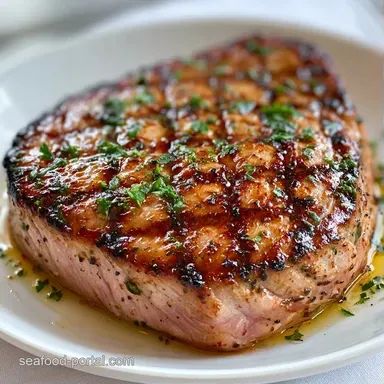
Tuna Steak Grilled with Lemon and Garlic
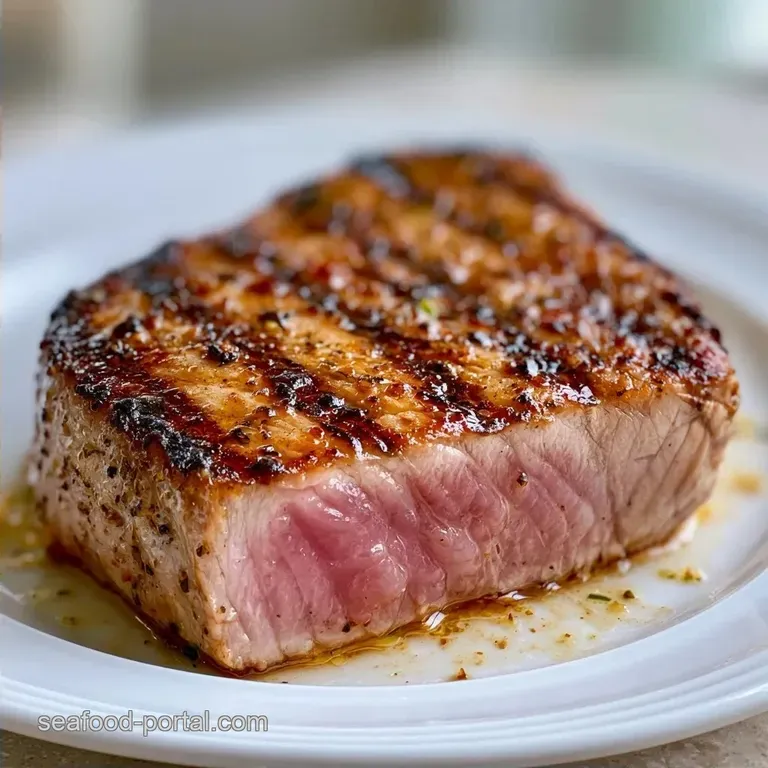
- Time: 20 min active + 11 min cooking/resting
- Flavor/Texture Hook: Smoky charred exterior with a velvety red center
- Perfect for: Summer dinner parties or post workout meals
Picture a balmy August night outdoors. The scent of grilled garlic and lemon wafts through the air as you enjoy a chilled beverage. A grilled tuna steak feast is the ideal choice for these moments. It's light, efficient, and offers an elegant touch without keeping you trapped in the kitchen all evening.
In the past, I often overcooked my tuna out of a fear of undercooking it. I treated it more like a pork chop, which unfortunately left the meat dry and grey. I eventually learned that tuna is better treated like a high-end beef steak: you want a high-heat sear on the exterior while the center remains ruby red.
This recipe centers on a basic Mediterranean marinade. By avoiding thick glazes or heavy sugars that tend to burn, we rely on lemon and olive oil for a light finish. The result is a refreshing meal that leaves you feeling energized rather than weighed down.
Fast Tuna Steak Grilled Guide
The beauty of this dish is how quickly it comes together. Most of your time is spent letting the fish sit in the marinade, which is a hands off process. Once the grill is hot, the actual cooking happens in a flash.
If you've never grilled seafood, don't sweat it. The key is confidence and a fast flip. If you hesitate or keep poking the fish, it will stick to the grates. Trust the heat and let the crust form before you move it.
For those who want a different kind of tuna experience, this is quite different from a tuna sandwich, which relies on creamy binders. Here, the star is the quality of the Ahi fillet and the intensity of the grill.
Why the Heat Matters
Getting a Tuna Steak Grilled just right comes down to two things: surface temperature and internal timing.
- High Heat: A scorching grill browns the surface in minutes. This creates a crust without cooking the center through.
- Acidic Marinade: The lemon juice breaks down tough protein fibers. This makes the fish more tender before it even hits the fire.
For more on how internal temperatures affect meat and fish, Serious Eats provides a detailed guide on searing techniques.
Your Ingredient Checklist
I prefer using Ahi tuna because it has the fat content needed to survive high heat. If you can find sushi grade, that's the way to go.
| Ingredient | Role | If You Don't Have It |
|---|---|---|
| Ahi Tuna Steaks | Main Protein | Yellowfin Tuna |
| Olive Oil | Heat Conduction | Grapeseed Oil |
| Lemon Juice | Acidity | Lime Juice |
| Garlic | Aromatic Base | Garlic Powder |
| Dried Oregano | Earthy Flavor | Dried Thyme |
Right then, let's look at the substitutions. Not everyone has a full Mediterranean pantry, and that's fine.
| Original Ingredient | Substitute | Why It Works |
|---|---|---|
| Fresh Lemon Juice | Rice Vinegar | Similar acidity. Note: Lacks the citrus aroma |
| Dried Oregano | Dried Basil | Similar herbal profile, though slightly sweeter |
| Garlic Cloves | Shallots | Provides a milder, sweeter onion like base |
It's a good idea to keep your tuna cold until the marinade step. This helps prevent the fish from getting too soft while it sits at room temperature.
Gear for the Grill
While you don't need specialized equipment, a few basic tools will streamline the process. If an outdoor grill isn't available, a cast iron grill pan is a good substitute, though it won't quite capture that authentic smoky taste.
Start with a small bowl to whisk your marinade. To ensure the tuna is fully coated in oil, a zip-top bag or a shallow dish is ideal. Most crucially, use an instant-read thermometer; guessing the doneness of a Grilled Tuna Steak often results in fish that is dry and overcooked.
I also recommend using long-handled tongs. Since you'll be working with high heat, these keep your hands safely away from flare-ups. For those using a gas grill, ensure your burners are clean to prevent uneven hot spots.
Getting the Sear Right
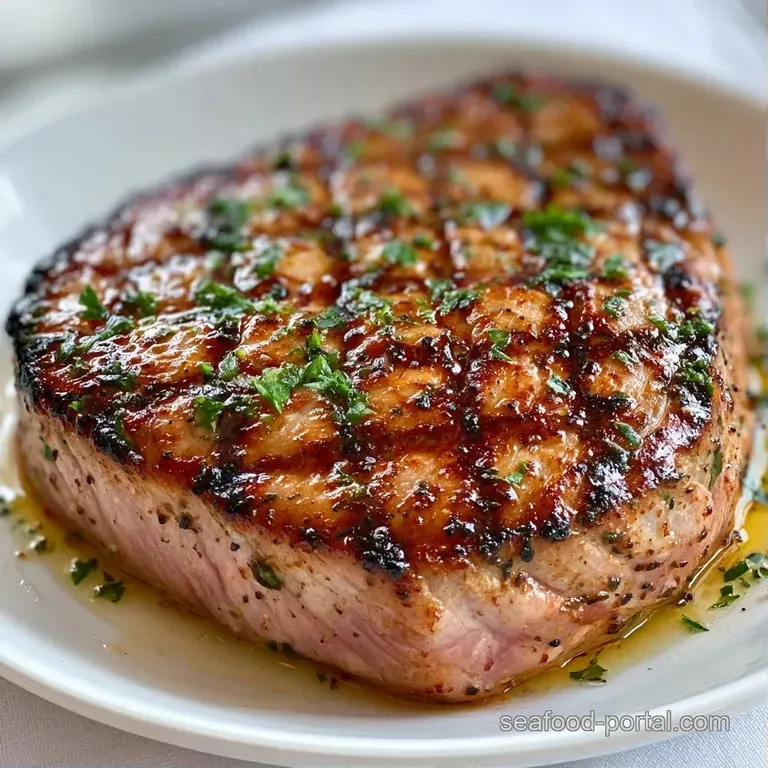
Time to start cooking. Follow these instructions to keep the center perfectly cooked.
- In a small bowl, combine the olive oil, lemon juice, minced garlic, oregano, and pepper.
- Arrange the tuna in a flat container and cover with the marinade. Note: Allow them to marinate for 15-20 minutes at room temperature.
- Set your grill to high heat (approx 450°F / 230°C).
- Rub the grill grates with a paper towel soaked in oil. Note: This keeps the lean fish from sticking.
- Take the tuna out of the marinade and gently pat the edges dry with paper towels.
- Place the fillets on the grill and sear for 2-3 minutes on each side. Cook until you see a deep mahogany colored crust and smell toasted garlic.
- Use a meat thermometer to remove the fish when the internal temperature reaches 115°F (46°C) for rare or 130°F (54°C) for medium rare.
- Move the steaks onto a warmed plate.
- Let the fish rest for 5 minutes. Wait until the juices settle to keep the center tender.
The aroma in step 6 is your guide. Once the garlic browns and the lemon juice starts to caramelize, it's time to flip.
Handling Grilling Issues
Grilling seafood can be tricky. Use these tips to avoid typical mistakes.
Preventing the Stick
Because tuna is lean, it tends to cling to the grates. If the fillet doesn't release easily, give it another 30 seconds. The meat will naturally lift once the sear is fully developed. Ensure your grill is extremely hot before the fish touches the metal.
Stopping the Overcook
There is a very narrow margin between medium-rare and overdone. To prevent your Tuna Steak Grilled from turning grey, remove it from the heat 5 degrees before it reaches your target temperature. Residual heat will finish the process while the meat rests on the plate.
Fixing Flare ups
Extra oil in the marinade can trigger flames, which creates a sooty flavor. This is why drying the edges of the steak with a paper towel is essential. Should a flare-up occur, simply shift the fish to a cooler zone of the grill for a moment.
Adjusting the Portion Size
When preparing this for a larger group, avoid simply multiplying every ingredient. For a Tuna Steak Grilled meal for four, use 1.5x the oregano and spices, but keep the oil and lemon juice proportional to the quantity of fish.
If you are preparing a single portion, a small skillet is a useful alternative if your grill is too large to heat effectively. Cut the searing time by about 20% if your steaks are thinner than 1 inch.
For larger quantities, work in two batches. Overcrowding the grill lowers the surface heat, which results in poached fish rather than a proper sear.
To see how the grill stacks up against other techniques, refer to the comparison below.
| Method | Char Level | Smoke Flavor | Speed |
|---|---|---|---|
| Gas Grill | High | Medium | Very Fast |
| Cast Iron Pan | High | Low | Fast |
| Oven Broiler | Medium | Low | Medium |
Different Flavor Profiles
While the Mediterranean style is a staple, you can easily switch it up. For an Asian-inspired version, replace the lemon and oregano with toasted sesame oil, soy sauce, and a hint of ginger. This produces a salty, umami crust that pairs beautifully with steamed bok choy.
Alternatively, try a seeded crust. After marinating, press the tuna into a mix of white and black sesame seeds. These toast on the grill, adding a nutty crunch to every mouthful.
If you have canned tuna and prefer something other than a steak, a tuna casserole is a wonderful option for a comforting meal.
Decision Shortcut:
- Extra tang? → add 1 tsp lemon zest to the marinade
- More heat? → add 1/4 tsp red pepper flakes
- Nutty flavor? → crust with sesame seeds
Fridge and Freezer Tips
Cold is the best way to enjoy leftover grilled tuna steak. Try slicing it thin and adding it to a salad topped with a balsamic glaze. Keep it in an airtight glass container in the refrigerator for a maximum of 2 days. Steer clear of the microwave for reheating, as it will make the rare middle turn grey and rubbery.
Should you need to warm it up, use a pan on the lowest heat for 60 seconds just to remove the chill.
To reduce waste, make use of the lemon halves. Add any leftover juice to your salad or keep the rinds for zesting in other dishes.
When freezing steaks, do so before they are marinated. Seal each fillet individually with plastic wrap followed by foil to avoid freezer burn. Thaw them in the fridge overnight before preparing.
Best Ways to Eat It
The beauty of Grilled Tuna Steak is its minimalism, so keep your side dishes light. Grilled asparagus or a refreshing cucumber salad are excellent choices. I prefer adding a squeeze of fresh lemon or a spoonful of pesto right before serving.
It is essential to slice the steak against the grain. This breaks up the muscle fibers, ensuring the fish feels more tender.
Since this meal is high in protein, pair it with complex carbs such as wild rice or quinoa. The nutty profile of these grains complements the charred flavor of the fish perfectly.
One tip: avoid drowning the fish in heavy sauces. A final pinch of flaky sea salt is all that's needed to bring out the flavors.
Recipe FAQs
For how long should tuna stay on the grill?
Sear for 2–3 minutes per side.
Tip: avoid overcooking to keep the middle ruby red.
What temperature is best for the grill?
Preheat your grill to high heat at approximately 450°F (230°C).
Tip: lightly oil the grates before adding the fish.
How to season tuna before grilling?
Whisk together olive oil, lemon juice, minced garlic, oregano, and pepper.
Tip: let the fillets marinate for 15–20 minutes at room temperature.
Is it true you must cook tuna until grey throughout?
Not true. Most chefs prefer a rare or medium-rare center for a velvety texture.
Tip: use an instant-read thermometer for accuracy.
Which method is best for cooking tuna?
Grilling over high heat creates the perfect mahogany crust.
Tip: if you enjoy this high-heat searing method, try it with swordfish steaks.
Tuna Steak Grilled in 31 Minutes