Garlic Shrimp Scampi: Silky and Snappy
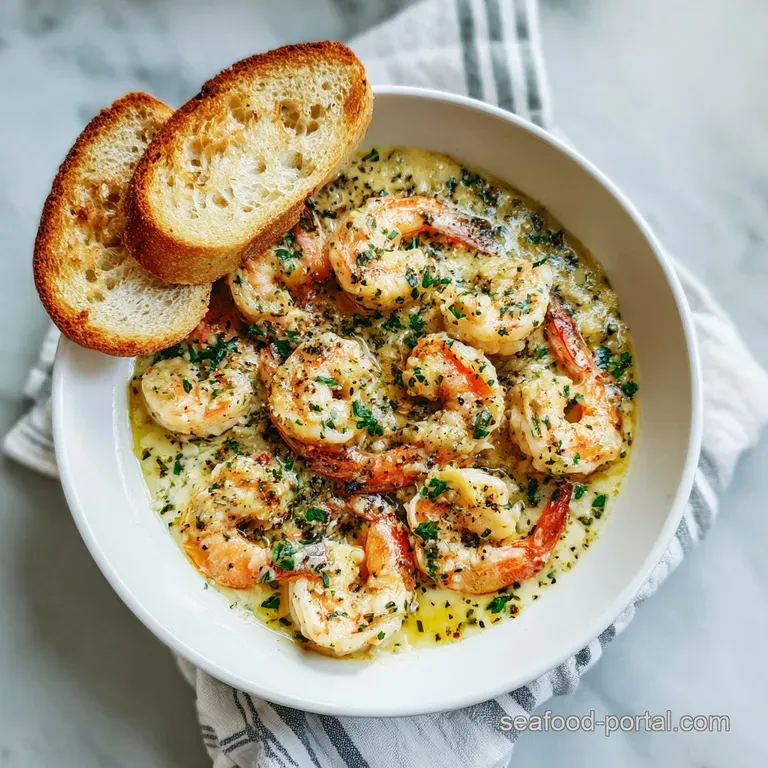
- Time: Active 15 minutes, Passive 10 minutes, Total 25 minutes
- Flavor/Texture Hook: Zesty garlic paired with snappy, buttery shrimp
- Perfect for: High impact weeknight dinners or impressive date nights
- Create the Ultimate Garlic Shrimp Scampi
- Timing and Method Comparison
- Essential Components and Substitutes
- Necessary Kitchen Tools
- Step by Step Cooking Guide
- Common Mistakes and Expert Fixes
- Creative Recipe Variations
- How to Store and Keep Fresh
- Perfect Side Dish Pairings
- Common Kitchen Myths
- Recipe FAQs
- 📝 Recipe Card
Create the Ultimate Garlic Shrimp Scampi
The second that sliced garlic hits the shimmering olive oil, your kitchen transforms. You know that smell, right? It is that sharp, intoxicating aroma that makes neighbors poke their heads over the fence.
I used to think this dish was just about tossing seafood in butter, but I learned the hard way that there is a massive difference between a watery puddle and a glossy, emulsified sauce that coats a noodle like a dream.
I remember a dinner party a few years back where I served what I thought was a decent batch. The shrimp were tiny, curled into tight, rubbery little "O"s, and the sauce had separated into a greasy yellow slick at the bottom of the bowl. It was edible, sure, but it lacked that "pop" you get at a high end bistro.
That night sent me on a mission to understand the physics of the pan.
Now, we do things differently. We are talking about shrimp that actually "snap" when you bite them and a sauce that feels expensive on the tongue without needing a heavy cream crutch. It is about timing, temperature, and one weird little pantry staple that changes everything.
If you are ready to move past mediocre seafood, this is the method that actually works every single time.
Why This Works
- Texture Modification: Baking soda raises the pH level on the surface of the seafood, which physically changes the protein structure to keep them snappy and plump rather than mushy or tough.
- Cold Fat Integration: Using chilled butter cubes at the very end creates a stable emulsion because the milk solids and fats incorporate slowly into the liquid as they melt.
- Aromatic Layering: Sautéing the shallots first provides a sweet, mellow base before the garlic enters the pan, preventing the garlic from burning while the shallots soften.
- Starch Binding: The small amount of pasta water clinging to the linguine acts as a bridge, helping the wine and butter sauce "grab" onto the noodles.
| Method | Time | Texture | Best For |
|---|---|---|---|
| Searing First | 25 minutes | Snappy, browned edges | Deep flavor and classic texture |
| Poaching in Sauce | 20 minutes | Soft, tender, uniform | Delicate palates and quick prep |
| oven-roasted | 15 minutes | Firm and consistent | Serving large groups at once |
When you choose the searing method, you are prioritizing the "fond" those little browned bits at the bottom of the skillet. Those bits are concentrated flavor gold. If you are looking for more ways to master these flavors, you might enjoy learning about a 30 minute scampi linguine that uses a similar over high heat technique for the best results.
Timing and Method Comparison
To get this right, we have to talk about the shrimp itself. I always grab the 16/20 count, which means you get about sixteen to twenty shrimp per pound. They are large enough to sear without overcooking in a blink. If you go smaller, they turn into little rubber pellets before you can even get the wine in the pan.
We want big, meaty bites that can stand up to the bold garlic.
The timing here is non negotiable. We are looking at exactly 15 minutes for the dry brine and 10 minutes of actual stove time. If you go over that, the garlic turns bitter and the shrimp lose their moisture.
It is a fast paced dance, so having your "mise en place" (everything in its place) is the only way to survive the sizzle without panic.
| Timing Element | Classic Method | Fast Method | Outcome Difference |
|---|---|---|---|
| Shrimp Prep | 15 min dry brine | No brine | Classic is much snappier |
| Butter Addition | Chilled, whisked in | Melted at start | Classic is velvety; Fast is greasy |
| Wine Reduction | Reduced by half | Not reduced | Classic is intense; Fast is watery |
If you find yourself in a rush, you can skip the brine, but the texture will suffer. For those nights when you really need a shortcut, a creamy garlic shrimp sauce can be a bit more forgiving if the timing isn't perfect. But for the purist, the reduction and the chilled butter are the keys to that restaurant style gloss.
Essential Components and Substitutes
Every ingredient in Garlic Shrimp Scampi has a job to do. The white wine provides the necessary acidity to cut through the fat of the butter. I usually go for a dry Pinot Grigio or a Sauvignon Blanc. Avoid anything "oaky" like a heavy Chardonnay, as the heat can make those flavors turn funky and unpleasant.
The garlic needs to be sliced, not minced. Minced garlic has more surface area and releases more enzymes, which can become overwhelming and burn too quickly. Thin slices give you sweet, nutty pops of flavor that look beautiful on the plate. And please, use fresh lemon juice.
That bottled stuff has a chemical aftertaste that will ruin the delicate seafood in a heartbeat.
| Component | Science Role | Pro Secret |
|---|---|---|
| Baking Soda | Alkaline pH shift | Makes shrimp "shatter" with a snap |
| Dry White Wine | Acid and deglazing | Scrapes up the "fond" for deep flavor |
| Chilled Butter | Emulsification agent | Must be cold to create a silky sauce |
| Kosher Salt | Denatures proteins | Draws out just enough moisture for searing |
- 1 lb Large Shrimp (16/20 count)
- Peeled and deveined. Why this? They stay juicy during over high heat searing.
- 1/2 tsp Kosher Salt
- For the dry brine. Why this? Essential for seasoning the meat from within.
- 1/4 tsp Baking Soda
- The secret texture weapon. Why this? Prevents the shrimp from becoming mushy.
- 3 tbsp Extra Virgin Olive Oil
- For the initial sear. Why this? Provides a high smoke point with great flavor.
- 6 cloves Garlic
- Thinly sliced. Why this? Slices caramelize without burning as easily as mince.
- 1 large Shallot
- Finely minced. Why this? Adds a complex, onion like sweetness to the base.
- 1/2 tsp Red Pepper Flakes
- For a subtle heat. Why this? Cuts through the richness of the butter.
- 1/2 cup Dry White Wine
- Use something crisp. Why this? Balances the fat and adds aromatic depth.
- 2 tbsp Fresh Lemon Juice
- Added at the end. Why this? Brightens the entire flavor profile.
- 4 tbsp Unsalted Butter
- Chilled and cubed. Why this? Cold fat creates a thicker, creamier emulsion.
- 1/4 cup Fresh Parsley
- Finely chopped. Why this? Adds color and a clean, grassy finish.
- 1/2 lb Linguine pasta
- The classic vessel. Why this? Flat surface area holds onto the sauce perfectly.
| Original Ingredient | Substitute | Why It Works |
|---|---|---|
| White Wine | Chicken Broth + Splash of Vinegar | Provides acidity and depth without alcohol |
| Shallots | Yellow Onion (finely grated) | Similar sweetness, though slightly more pungent |
| Linguine | Zucchini Noodles | Lightens the dish. Note: Adds moisture; reduce sauce more |
I once tried using a sweet Riesling because it was all I had open. Terrible mistake. The sugar caramelized in a way that made the shrimp taste like candy and not in a good way. Stick to the dry stuff.
If you are totally out of wine, a good quality seafood stock with an extra squeeze of lemon does a decent job of mimicking that complexity.
Necessary Kitchen Tools
You don't need a pantry full of gadgets, but a heavy bottomed skillet is mandatory. I prefer a 12 inch stainless steel pan or a well seasoned cast iron. Why? Because we need heat retention.
When you drop a pound of cold shrimp into a thin, flimsy pan, the temperature plummets, and instead of searing, the shrimp start to steam in their own juices. That is how you get grey, sad seafood.
A good whisk is also your best friend here. When it is time to add that cold butter, you need to be moving. You are essentially creating a "beurre monté," which is just a fancy way of saying you are suspending butter fats in water.
If you don't whisk vigorously, the sauce will break, and you'll end up with a pool of oil.
- 12 inch Heavy Skillet: Stainless steel is best for seeing the "fond."
- Stainless Steel Whisk: Essential for the butter emulsion step.
- Large Pasta Pot: For boiling the linguine in plenty of salted water.
- Microplane: Perfect for getting every bit of zest off the lemon.
- Kitchen Tongs: For flipping shrimp individually and tossing the pasta.
step-by-step Cooking Guide
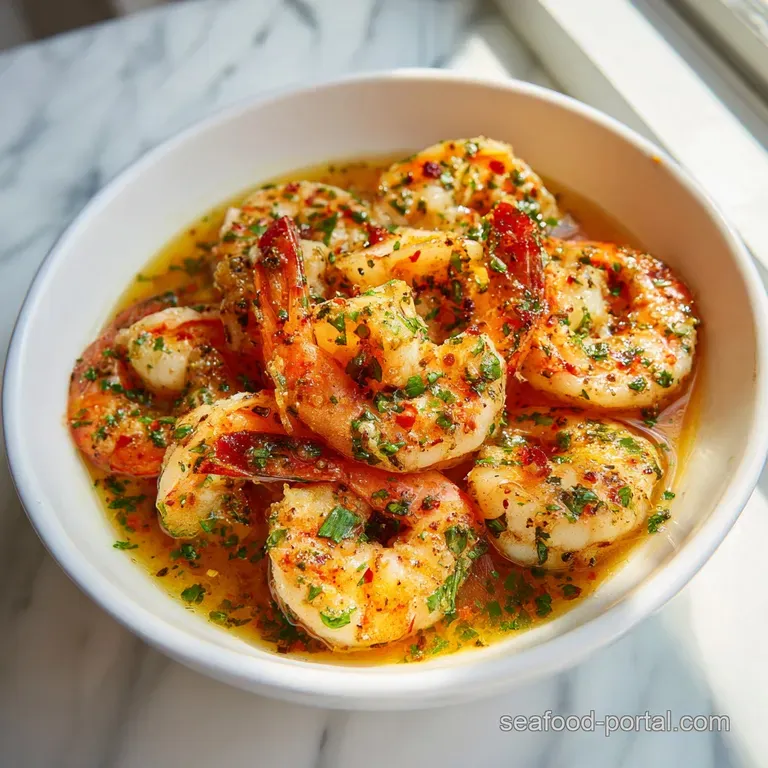
1. The 15 Minute Dry Brine
Toss the 1 lb large shrimp with 1/2 tsp kosher salt and 1/4 tsp baking soda in a medium bowl. Refrigerate for 15 minutes. Note: This brief rest allows the baking soda to alter the protein structure, ensuring a snappy bite.
2. Boiling the Pasta
Boil a large pot of salted water and cook the 1/2 lb linguine according to package directions until al dente. Keep a cup of pasta water before draining.
3. The over High heat Sear
Heat 3 tbsp olive oil in your 12 inch skillet over medium high heat. Add the shrimp in a single layer and sear for 1 minute per side until the edges are pink and the centers are slightly translucent. Remove them to a plate immediately. They will finish cooking later.
4. Sautéing Aromatics
Lower the heat to medium. Add the minced shallot and sauté for 2 minutes until softened and fragrant. Add the 6 cloves of sliced garlic and 1/2 tsp red pepper flakes, stirring for 30 seconds until the garlic smells nutty but is not browned.
5. Pan Deglazing
Pour in 1/2 cup white wine and 2 tbsp lemon juice. Use a wooden spoon to scrape the bottom of the pan until all the browned bits are dissolved. Simmer the liquid until it has reduced by half.
6. The Velvet Finish
Turn the heat to low. Whisk in the 4 tbsp chilled butter cubes one-by-one until the sauce looks creamy and opaque. This creates the stable emulsion we want.
7. The Final Toss
Return the shrimp to the pan. Add the 1/4 cup parsley and the cooked linguine. Toss vigorously to coat until the sauce clings to every strand of pasta.
8. Final Adjustments
If the sauce seems too thick, add a splash of your reserved pasta water. Taste and add a pinch more salt if needed until the flavors pop. Serve immediately while the sauce is at its glossiest.
Common Mistakes and Expert Fixes
One of the biggest heartaches in the kitchen is a "broken" sauce. You see it when the butter separates into a clear yellow oil and a watery liquid. This usually happens because the pan was too hot when the butter went in. If the temperature is too high, the milk solids can't hold the fat in suspension.
It's a bummer, but it's fixable.
Another common pitfall is the garlic. Garlic goes from "perfectly aromatic" to "bitter charcoal" in about six seconds. If you see the edges of your garlic turning dark brown or black, stop. Don't add the wine. Throw it out, wipe the pan, and start the aromatics again.
It's worth the five minute setback to avoid a dish that tastes like burnt rubber.
Why Your Shrimp is Tough
If your shrimp feels like a pencil eraser, it’s likely overcooked. Shrimp only need about 2 minutes of total direct heat contact. They continue to cook even after you take them out of the pan due to residual heat.
Always pull them when they still have a tiny bit of translucency in the very center.
| Problem | Root Cause | Solution | ||||
|---|---|---|---|---|---|---|
| Rubbery Shrimp | Overcooked or no brine | Use the 15 min baking soda brine and sear briefly | ||||
| Broken Sauce | Pan too hot for butter | Remove from heat, add a splash of water, and whisk | ||||
| Bitter Aftertaste | Burnt garlic | Sauté garlic for only 30 seconds and add liquid immediately | Problem | Root Cause | Solution | |
| :--- | :--- | :--- | ||||
| Watery Sauce | Wine not reduced enough | Simmer liquid until it coats the back of a spoon | ||||
| Bland Flavor | Lack of salt or acid | Add an extra squeeze of lemon or a pinch of salt | ||||
| Garlic is Raw | Slices too thick | Slice garlic paper thin so it softens quickly in the oil |
Common Mistakes Checklist
- ✓ Pat the shrimp bone dry before the brine (helps with searing).
- ✓ Never use "cooking wine" (it's loaded with salt and low quality alcohol).
- ✓ Ensure the butter is truly chilled (warm butter melts too fast to emulsify).
- ✓ Don't skip the shallots (they provide the savory backbone garlic alone lacks).
- ✓ Keep the pasta water (it’s your "liquid gold" for adjusting sauce thickness).
- ✓ Work fast once the garlic hits the pan (have your wine measured and ready).
Creative Recipe Variations
While the classic version is iconic, I love playing with the flavor profile depending on the season. In the summer, I’ll fold in half a cup of halved cherry tomatoes right when the wine is reducing. They burst and add a beautiful pink hue and a hit of sweetness to the sauce.
In the winter, a pinch of dried oregano or a spoonful of capers can add a briny, Mediterranean depth that feels much heartier.
If you want to go the "Creamy Shrimp Scampi Pasta" route, you can whisk in 2 tablespoons of heavy cream right before the butter. It won't be traditional, but it creates a luxurious, coating sauce that feels incredibly indulgent. Just be careful not to let it boil too hard once the cream is in, or it might curdle.
Serving Size Calculator
| Servings | Shrimp Amount | Pasta Amount | Wine Amount |
|---|---|---|---|
| 2 People | 0.5 lb | 1/4 lb | 1/4 cup |
| 4 People | 1 lb | 1/2 lb | 1/2 cup |
| 6 People | 1.5 lb | 3/4 lb | 3/4 cup |
| 8 People | 2 lb | 1 lb | 1 cup |
If you are scaling this up for a crowd, work in batches for the shrimp searing. If you crowd the pan with two pounds of shrimp at once, they will just boil in their own moisture, and you’ll lose that beautiful pink sear. Sear one pound, move it to a plate, then do the next.
It takes five extra minutes but makes a world of difference.
How to Store and Keep Fresh
Seafood is always best the moment it leaves the pan. However, life happens. If you have leftovers, store them in an airtight container in the fridge for no more than 2 days. When you reheat it, do not use the microwave! It will turn the shrimp into little rocks.
Instead, put it back in a skillet over low heat with a tiny splash of water or broth. Cover it for 2-3 minutes just until the pasta is warmed through.
For zero waste, save your shrimp shells! I keep a bag in the freezer and toss the shells in there. When I have enough, I boil them with some celery, onion, and peppercorns to make a quick shrimp stock. It’s a flavor bomb for risottos or seafood stews.
Also, if you have leftover parsley stems, don't toss them finely mince them and add them into the sauté step with the shallots for extra flavor.
- Fridge: Store up to 2 days in an airtight container.
- Freezer: I don't recommend freezing the cooked dish, as the sauce will break and the pasta will get mushy.
- Reheating: Low heat on the stovetop with a splash of liquid is the only way to go.
Perfect Side Dish Pairings
Because this dish is so rich with butter and garlic, I like to serve it with something that offers a crisp contrast. A simple arugula salad with a sharp lemon vinaigrette is usually my go to. The peppery bite of the greens cuts right through the buttery linguine.
If I’m feeling extra hungry, a thick slice of toasted sourdough is mandatory for mopping up every last drop of that scampi sauce.
For vegetables, think green and snappy. Roasted asparagus or steamed broccolini with a touch of red pepper flakes works beautifully. You want something that shares the same flavor DNA (garlic, lemon, heat) without competing for the spotlight.
Avoid heavy, starchy sides like potatoes you already have the pasta for that!
Three Signs the Shrimp are Done
- The Shape: They should form a "C" shape. If they've curled into a tight "O," they are overcooked.
- The Color: The exterior should be opaque and pink, but the very "back" of the shrimp (where the vein was) should look slightly pearly.
- The Feel: When pressed with a finger, they should feel firm but have a slight "bounce" back.
Common Kitchen Myths
One of the oldest myths in Italian American cooking is that you should never combine seafood and cheese. While a mountain of cheddar would be a disaster, a very light dusting of high-quality Pecorino Romano or Parmesan can actually add a lovely salty depth to scampi.
The "rule" exists to prevent delicate fish flavors from being masked, but in a bold, garlicky dish like this, a little cheese won't hurt if that's what you like.
Another myth is that you need to wash your shrimp under cold water before cooking. This actually increases the risk of cross contamination in your kitchen. Instead, pat them dry with paper towels. The drier the surface of the shrimp, the better the sear you’ll get.
Moisture is the enemy of the Maillard reaction, so keep those shrimp dry until they hit the oil.
Finally, some people think that "cooking wine" is a substitute for the real thing. It’s not. Cooking wine is often treated with massive amounts of salt and preservatives to make it shelf stable. If you wouldn't drink a glass of it, don't put it in your food.
A cheap but drinkable $10 bottle of Pinot Grigio will always yield a better result than anything found in the vinegar aisle.
Recipe FAQs
What is a garlic shrimp scampi?
It is a classic Italian American dish featuring succulent shrimp sautéed in a bright, emulsified sauce of garlic, lemon juice, white wine, and butter, typically served over linguine.
What are some common mistakes to avoid when making shrimp scampi?
Avoid overheating the butter when creating the emulsion, as this causes the sauce to break into separated oil and liquid. Additionally, never let your garlic turn dark brown, as it quickly becomes bitter and ruins the flavor profile.
What is shrimp scampi sauce made of?
The base consists of dry white wine and fresh lemon juice reduced in the pan to concentrate flavor, then finished by whisking in cold, cubed butter to create a silky, stable sauce. If you enjoyed mastering the emulsification technique here, you can apply this same fat-whisking logic to other delicate pan sauces.
How to cook shrimp for diabetics?
Substitute the linguine with a low-carb alternative or serve the shrimp over steamed vegetables to keep the meal glycemic friendly while maintaining the protein and healthy fats from the butter and olive oil.
Is it true I must wash shrimp after using baking soda?
No, this is a common misconception. You should toss the shrimp with salt and baking soda and refrigerate for 15 minutes to improve texture, then cook them directly without rinsing to maintain the moisture retaining benefits.
How to ensure the shrimp does not become rubbery?
Sear the shrimp for exactly one minute per side until the edges turn pink, then remove them from the heat immediately. Returning the shrimp to the pan only at the final stage of saucing ensures they remain tender rather than overcooked.
How to tell when the garlic is ready to be deglazed?
Look for the garlic to become aromatic after sautéing for 30 seconds with the shallots and red pepper flakes. Once you smell the fragrance, pour in the white wine and lemon juice immediately to stop the garlic from burning.
Garlic Shrimp Scampi 2
Ingredients:
Instructions:
Nutrition Facts:
| Calories | 538 kcal |
|---|---|
| Protein | 31.4 g |
| Fat | 23.1 g |
| Carbs | 43.2 g |
| Fiber | 2.1 g |
| Sugar | 1.8 g |
| Sodium | 645 mg |
