Kung Pao Shrimp: the Proper Job Sichuan Recipe with Ma La Heat
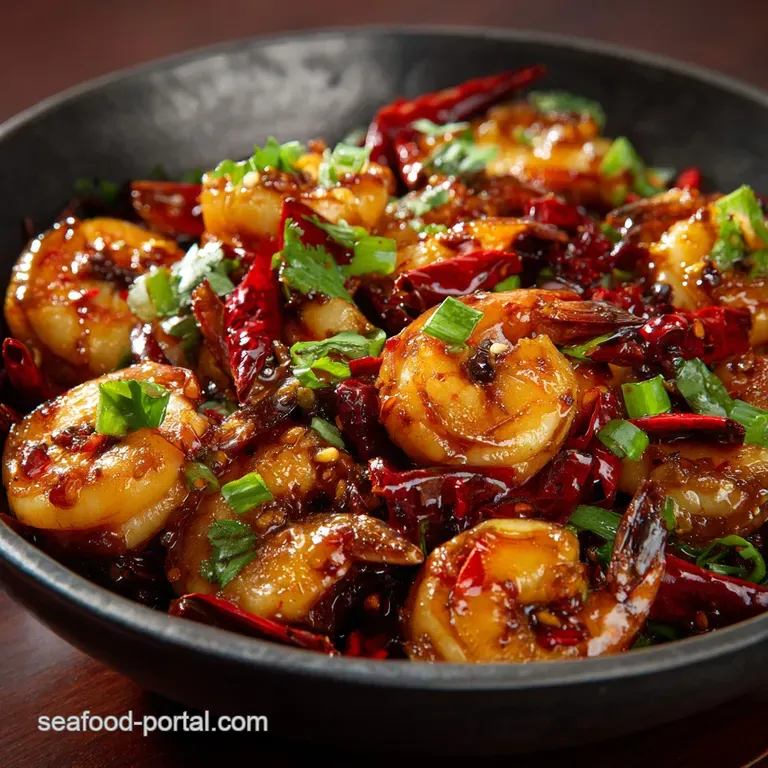
- Understanding Ma La : The Complex Flavor Profile of Authentic Kung Pao Shrimp
- Why This Kung Pao Shrimp Recipe Is A Proper Job: Focusing on Texture and Gloss
- Essential Ingredients for Spot-On Kung Pao Shrimp
- Sourcing Specialty Ingredients & Smart Substitutions
- Phase I: Organisation and Prep (The Setup for Success)
- Phase II: The over High heat Stir Fry Method
- Chef’s Troubleshooting Guide and Pro Tips for Kung Pao Shrimp
- Serving and Storing Your Homemade Kung Pao Dish
- Recipe FAQs
- 📝 Recipe Card
Understanding Ma La : The Complex Flavor Profile of Authentic Kung Pao Shrimp
That moment when the first wisp of toasted chili oil and Sichuan peppercorns hits the air? That’s pure kitchen magic. It smells spicy, nutty, slightly sweet, and totally addictive.
This isn't just a basic stir fry; it’s an experience that lights up your mouth with the complex, wonderful sensation known as ma la .
I know the local takeaway version is often sticky and boring, but this homemade Kung Pao Shrimp recipe is a total lifesaver, genuinely taking less time than ordering delivery. It's incredibly fast, incredibly satisfying, and tastes a million times better because we’re controlling the quality of the seafood.
Once you've prepped everything, the actual cooking is done in under ten minutes.
If you’ve ever wanted to master a truly authentic Chinese dish at home one that balances savoury, sweet, sour, and that unforgettable numbing heat then grab your apron. We are going to make a batch of properly glossy, tender, Kung Pao Shrimp that will knock your socks off.
Why This Kung Pao Shrimp Recipe Is A Proper Job: Focusing on Texture and Gloss
Most people fail at homemade Chinese food because they miss two simple, crucial texture steps. Trust me, I used to make rubbery shrimp and watery sauce every single time I tried. This recipe fixes both issues using traditional techniques that make a world of difference.
You are aiming for a dish where the shrimp is tender and plump, and the sauce is perfectly glossy and coats everything evenly.
Defining the Ma La : Numbing Heat and Aromatic Depth
When we talk about authentic Sichuan cuisine, we must talk about ma la . Ma means "numbing" and la means "spicy hot." This feeling isn't the one-note burn of a jalapeño; it's a buzzing, lip-tingling sensation provided by the Sichuan peppercorns that prepares your mouth for the intense heat of the dried chiles.
It creates an incredible depth of flavour that defines great Authentic Kung Pao Shrimp .
The History of Kung Pao: From Szechuan Classic to Global Favorite
Legend says this classic was named after Ding Baozhen, a Qing dynasty official known as Gongbao (Palace Guardian). While the original dish traditionally used chicken, the method, the flavour profile, and the crucial ingredients peanuts, chillies, and peppercorns remain the same.
We are simply swapping the protein for juicy, fast cooking shrimp.
Achieving the Perfect Shrimp Texture Through Velveting
The key to keeping your shrimp tender and juicy, even under the insane heat of a wok, is called "velveting." The simple marinade of egg white, cornstarch, and rice wine protects the protein from seizing up. This is non-negotiable.
It creates a protective layer that allows the shrimp to cook through perfectly without becoming tough, giving you the best texture possible.
The Essential Cornstarch Slurry: Ensuring a Glossy Sauce Finish
You absolutely must mix the sauce ingredients, including the cornstarch, before you even turn on the burner. When the sauce is whisked ahead of time and dumped into the hot wok, the cornstarch immediately thickens into a stunning, glossy glaze.
If you throw the cornstarch in separately at the end, I promise you’ll end up with lumps or a disappointingly thin sauce.
Essential Ingredients for Spot-On Kung Pao Shrimp
Making this requires high heat and fast decisions, so having all these ingredients measured out and ready to go (your mise en place ) is the most important step. Don't skimp on quality, especially when it comes to the special spices!
Sourcing Specialty Ingredients & Smart Substitutions
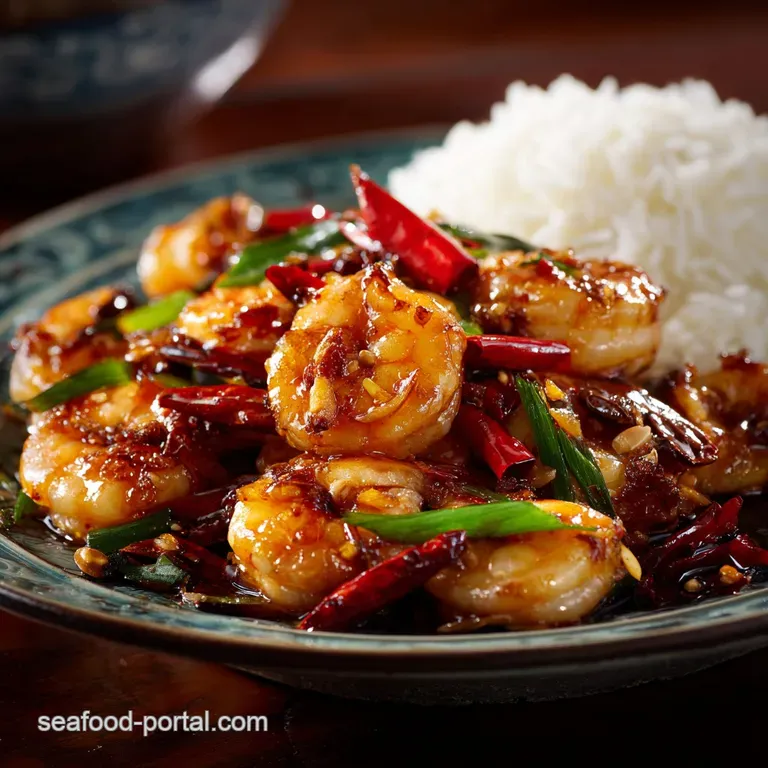
The Key Aroma Agents: Dried Chiles and Sichuan Peppercorns
We need dried chiles not just for heat, but for their incredible fragrant, smoky oil. You need to toast them first to release their full potential. The Sichuan peppercorns are what bring the ma (numbing) component to this dish; they smell citrusy and piney before they hit the heat.
Selecting the Best Shrimp for Stir Frying (Size and Prep)
Go for large or extra large shrimp (21/25 count per pound). They handle the high heat much better than small ones. Always make sure your shrimp is completely patted dry after peeling and deveining; excess moisture prevents proper searing and leads to steaming.
The Signature Crunch: Preparing the Peanuts
Roasted, unsalted peanuts are traditional and provide the necessary crunch and nuttiness against the glossy sauce. If you buy raw peanuts, pan-fry them quickly in a dry pan until lightly coloured before you start the recipe, or they will taste raw.
Chef’s Note: If you are looking for other Quick Shrimp Recipes for Dinner that lean into spicy crunch, you absolutely have to try my Ruths Chris Copycat Spicy Shrimp: Creamy, Buttery Steakhouse Appetizer . It's a completely different vibe, but equally addictive!
Substituting Shaoxing Wine or Light Soy Sauce
We need Shaoxing rice wine for its depth and fragrance; it’s the secret ingredient in so many great stir fries.
| Ingredient | Role | Viable Substitute |
|---|---|---|
| Shaoxing Rice Wine | Aromatic, Marinade Base | Dry sherry or Japanese cooking sake (avoid cheap white wine) |
| Chinkiang Black Vinegar | Tartness, Colour Depth | Equal parts balsamic vinegar and rice vinegar |
| Light Soy Sauce | Salt, Umami | Tamari or Coconut Aminos (use slightly less, then taste) |
| Sichuan Peppercorns | Ma La Numbing | Skip them if you can't find them, but the dish won't be authentic. Do not substitute with black pepper. |
Handling Heat Levels: Adjusting the Dried Chiles
If you love the flavour of the chiles but not the extreme heat, simply remove all the seeds after snipping them. The seeds hold most of the fire! Alternatively, you can reduce the chili count to just 5 or 6, focusing instead on the fragrant peppercorns.
Phase I: Organisation and Prep (The Setup for Success)
This is the boring part, but it determines the final result. Chop everything first! We are aiming for a beautiful, fast, and satisfying Easy Kung Pao Shrimp dinner.
Step 1: Marinating the Shrimp for Velvety Tenderness
Get the shrimp marinade mixed up first and set it aside. The cornstarch, salt, and egg white are crucial for that velvet coating. I always make this mistake: forgetting to dry the shrimp properly. If they’re wet, the marinade slides right off, and they won't sear.
Step 2: Building the Complex Savoury Sweet Kung Pao Sauce Base
Whisk all the sauce ingredients (soy, vinegar, sugar, stock, cornstarch, and sesame oil) together in a bowl. Give it a proper whisk until the cornstarch is completely dissolved and the mixture is uniform. Do not forget to whisk it again right before you pour it into the wok.
Step 3: Pan-Frying the Peanuts to Golden Perfection
If your peanuts aren't already roasted, lightly toast them now in a dry pan until they smell deliciously nutty. Once done, set them aside immediately; they only go back into the wok right at the very end.
Phase II: The over High heat Stir Fry Method
Now for the fun part: fire and speed. This is where your heavy bottomed pan or wok earns its keep.
Step 4: Aromatic Foundation: Blooming the Chiles and Peppercorns
Get that peanut oil smoking hot over high heat. Add the dried chiles and the Sichuan peppercorns. Stir fry rapidly for 30 60 seconds, or until they start to smell incredibly fragrant like citrus and smoke.
Pull them out of the oil immediately using a slotted spoon; if they turn dark brown, they are bitter and will ruin the whole dish. Leave the infused oil in the wok.
Step 5: Rapidly Searing the Marinated Shrimp
Crank the heat back up and add the rest of the oil. Add the marinated shrimp and let them sear for 60 to 90 seconds per side without moving them too much. You want that lovely pink colour and a slight opacity. Once cooked, quickly remove the shrimp from the wok and set them aside with the reserved spices.
Step 6: Bringing It Together: The Final Sauce Thicken and Toss
Reduce the heat slightly (medium high) and add the ginger, garlic, and the white part of the spring onions. Sauté for about 30 seconds until super aromatic. Now, whisk your prepared sauce one last time and pour it into the pan. Stir continuously!
The sauce will thicken instantly into a glossy glaze that cornstarch is lightning fast. Return the cooked shrimp, the toasted chiles, the peppercorns, and the peanuts to the wok. Toss gently for 10 seconds to coat everything evenly in that magnificent sauce.
Serve immediately, topped with the fresh green spring onion slices.
Chef’s Troubleshooting Guide and Pro Tips for Kung Pao Shrimp
Mistake Alert: Why Is My Sauce Runny or Sticky?
If your sauce is runny, the cornstarch likely settled in the bowl and didn't make it into the wok. You need to whisk that slurry right up until the second you pour it in. If it's too sticky, you either used too much cornstarch, or you overcooked the sauce, letting too much liquid evaporate.
Remember, the thickening process is almost immediate.
The Wok vs. Skillet Debate: Achieving High Heat at Home
A proper carbon steel wok over a powerful gas burner is always superior, as it allows for extremely high, radiant heat and rapid cooling. If you’re stuck with an electric hob like I often am, use the heaviest, biggest stainless steel or cast iron skillet you own.
It holds the heat well, which is crucial for searing the shrimp instead of steaming it.
Adjusting the Numbing Sensation ( Ma La ) for Your Preference
If you try the finished dish and want more numbness next time, lightly crush the Sichuan peppercorns before toasting them to release more oil. If you want less, only toast them briefly and remove them quickly. This is totally adaptable! For those seeking dishes with intense spice but different flavour profiles, my Korean Shrimp: Fiery Gochujang Glaze Ready in 30 Minutes is another great fast cook option!
Serving and Storing Your Homemade Kung Pao Dish
The Best Rice and Sides to Pair with Kung Pao Shrimp
You absolutely must serve this over plain, fluffy Jasmine rice to soak up all that glossy sauce. A simple side of blanched or lightly sautéed Gai Lan with a touch of garlic is the perfect, clean contrast to the rich, spicy flavours. If you are having people over, a light soup like my Shrimp Chowder: The Best Creamy Smoked Corn Chowder Recipe makes a nice appetizer contrast before the main event.
Refrigeration and Reheating: Keeping the Shrimp Tender
Kung Pao Shrimp is best eaten immediately, straight out of the wok. If you must store leftovers, place them in an airtight container in the fridge for up to 3 days. To reheat, the microwave is generally a rubbery disaster for shrimp.
Instead, reheat small portions in a dry, hot skillet (or a very lightly oiled one) for about 2 minutes, stirring constantly until just warmed through.
Can You Prepare Kung Pao Shrimp Ahead of Time?
Yes, but only in phases. You can easily do Phase I (prep the sauce, chop the veggies, velvet the shrimp) up to four hours ahead. However, do not cook the dish completely and try to reheat it later.
The shrimp and the peanuts will lose all their crucial textural integrity if they sit in the sauce too long. Trust me, the 8 minutes of actual cooking is worth the fresh flavour!
Recipe FAQs
Why are Sichuan peppercorns essential for authentic Kung Pao Shrimp?
Sichuan peppercorns are crucial for the dish's signature ma la flavor a unique citrusy aroma followed by a tingling, numbing sensation on the lips. They provide deep aromatic complexity and are responsible for the authentic flavor profile, differentiating this recipe from generic savory stir fries.
Do not substitute them with black peppercorns, as the effect will be entirely lost.
My sauce turned out watery, not glossy. What went wrong?
The sauce is often watery if the wok or pan wasn't sufficiently hot, causing the ingredients to steam and release liquid rather than sear rapidly. Ensure your cornstarch slurry is properly mixed and added at the very end of the cooking process.
High heat and rapid reduction are necessary to activate the starch and achieve that desired glossy, clinging glaze.
How do I prevent the shrimp from becoming tough or rubbery?
Shrimp cooks very quickly; typically, 2 3 minutes in the high heat of a stir fry is all that is needed before it turns pink and opaque. Crucially, ensure you coat the shrimp in a small amount of cornstarch and egg white before cooking, as this technique (known as velveting) protects the protein structure and helps them retain moisture, keeping them plump and tender.
I have a nut allergy; what can I substitute for the peanuts?
The peanuts provide necessary crunch and richness, so a substitute should mimic that texture. Crispy fried shallots, toasted sesame seeds, or water chestnuts cut into small pieces can provide a satisfying textural contrast without the allergen risk.
Alternatively, you can simply omit them, though the final dish will lack the traditional earthy element.
Can I use a different protein, like chicken or tofu, instead of shrimp?
Yes, the Kung Pao sauce works beautifully with other proteins, most famously chicken (Kung Pao Chicken). If substituting with chicken, cut it into 1 inch cubes and increase the cooking time by 2 4 minutes until it is cooked through and lightly browned.
For tofu, ensure it is pressed, cubed, and pan-fried until crispy before being tossed in the sauce.
How can I adjust the heat level if I prefer a milder dish?
The primary source of heat comes from the dried red chilies. To reduce the spice, use fewer chilies overall in the recipe, or take the extra step of removing all the seeds before adding them to the wok.
The Sichuan peppercorns provide the unique numbing sensation, but their heat level is generally less intense than that of the dried chilies.
Can I store and reheat leftover Kung Pao Shrimp?
You can store leftovers in an airtight container in the refrigerator for up to 3 days, but stir fries are generally best enjoyed immediately. The shrimp tends to firm up upon reheating, and the glossy texture of the sauce can be lost.
To reheat, use a very hot skillet or wok for 1-2 minutes rather than a microwave to minimize moisture loss.
Fiery Kung Pao Shrimp Recipe
Ingredients:
Instructions:
Nutrition Facts:
| Calories | 338 kcal |
|---|---|
| Protein | 28.9 g |
| Fat | 9.6 g |
| Carbs | 34.2 g |
