Southern Fried Fish: Crispy and Flaky
- Time: Active 15 minutes, Passive 10 minutes, Total 25 minutes
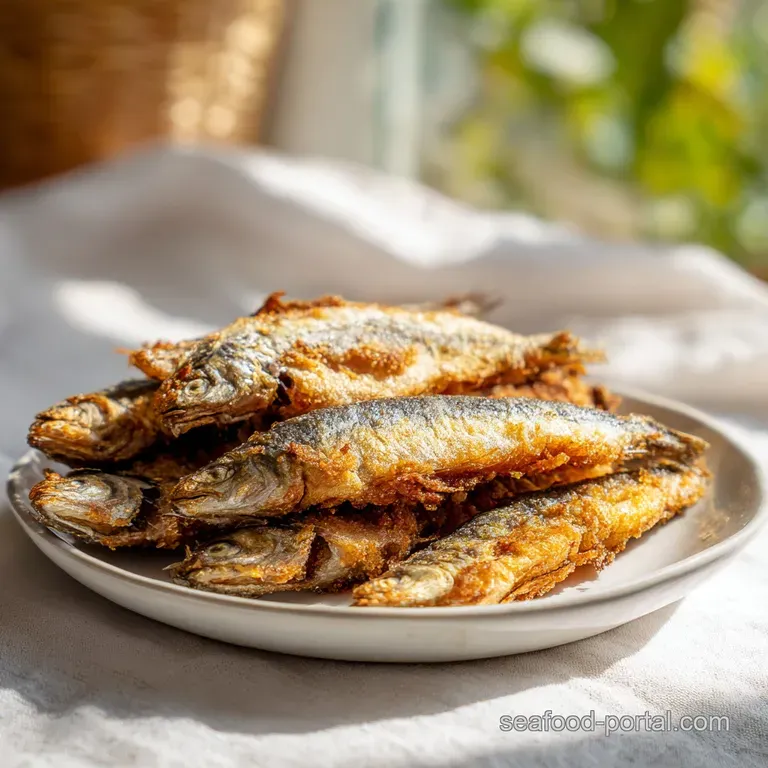
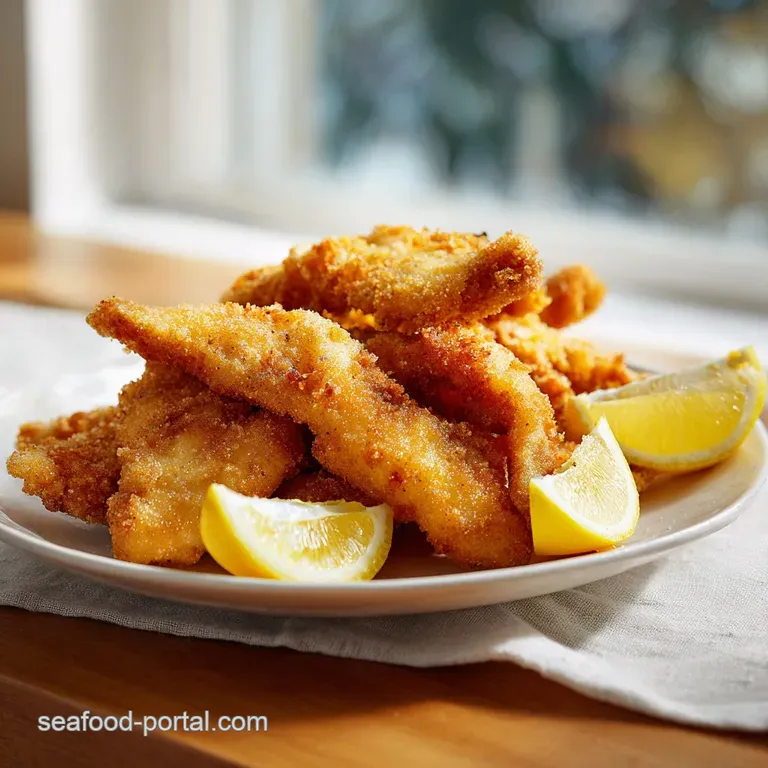
- Flavor/Texture Hook: Mahogany gold coating with a cornmeal shatter and buttery, flaky interior.
- Perfect for: Weekend family gatherings or a quick, high protein weeknight soul food fix.
- Master This Authentic Fried Fish Recipe
- Why This Coating Stays Crispy
- Essential Prep and Cooking Specs
- Choosing Your Fish and Spices
- Tools for the Perfect Fry
- Step by Step Golden Frying
- Fix Sogginess or Sliding Crust
- Easy Substitutions and Flavor Variations
- Keeping Leftovers Fresh and Crunchy
- Serving Suggestions and Side Dishes
- Common Myths About Frying
- Very High in Sodium
- Recipe FAQs
- 📝 Recipe Card
Master This Authentic Fried Fish Recipe
The kitchen smells like salt air and hot iron, a scent that immediately takes me back to my grandmother's porch. There’s a specific sound you look for when you're making a fried fish recipe, a rhythmic, steady bubbling that tells you the oil is exactly where it needs to be.
I remember the first time I tried to fry catfish on my own; I was so worried about the oil being too hot that I ended up with a soggy, pale mess. That's when I learned that heat is your friend, as long as you treat it with respect.
We aren't just making dinner here, we're building layers of texture. This isn't the heavy, doughy batter you find at some fast food joints. This is a light, seasoned dredging that lets the natural flavor of the fish come through while providing that satisfying crunch we all crave.
It's about the contrast between the hot, crispy outside and the cool, creamy tartar sauce you'll likely serve alongside it.
Right then, let's talk about the vibe. This dish is meant for big platters and shared stories. Whether you're using cod from the market or catfish from a morning trip to the lake, the technique remains the same. We want a crust that doesn't slide off the moment your fork hits it.
We want seasoning that wakes up your palate without masking the delicate sweetness of the white fish. It’s simple, honest cooking that feels like a hug from the inside.
Why This Coating Stays Crispy
Getting that professional crunch at home isn't magic, it's just a bit of kitchen logic that most people overlook. Most soggy fish happens because moisture gets trapped between the fish and the breading, turning the crust into a steam room.
- Triple Dredge Barrier: Flour creates a dry surface, eggs act as the glue, and cornmeal provides the final structural "shatter."
- Baking Powder Lift: This creates tiny carbon dioxide bubbles in the crust, making it light and airy rather than a solid, dense brick.
- The Mustard Grip: Yellow mustard contains vinegar and emulsifiers that help the egg wash cling to the fish, preventing the dreaded "crust slip."
- Flash Evaporation: over High heat frying at 350°F (175°C) turns surface moisture into steam instantly, leaving behind only the crispy starch.
| Method | Time | Texture | Best For |
|---|---|---|---|
| Stovetop | 6-8 mins | Extremely crispy/shattering | Authentic flavor and texture |
| Oven (425°F) | 15-20 mins | Firm and crunchy | Lower fat and hands off cooking |
| Air Fryer | 12 mins | Very dry and crisp | Quick cleanup and small batches |
When you choose the stovetop method, you get that classic "fried" aroma that just can't be replicated in an oven. The oil surrounds the fish, sealing the edges and ensuring every nook and cranny of the cornmeal becomes a golden, crunchy peak.
Essential Prep and Cooking Specs
Before we get the oil heating, we need to understand our components. We aren't just tossing things in a bowl; each ingredient has a specific job to do to ensure the final result is light and flavorful.
| Component | Science Role | Pro Secret |
|---|---|---|
| Cornmeal | Structural integrity | Use yellow cornmeal for better color and a heartier "crunch" profile. |
| Baking Powder | Aeration and browning | It reacts with the egg wash to create a micro textured surface that stays crisp longer. |
| Yellow Mustard | Acid and Emulsification | The vinegar helps tenderize the fish surface while ensuring the egg wash never slides off. |
The cornmeal is the backbone here. While flour provides a soft crunch, cornmeal adds a gritty, rustic texture that defines a classic southern fried fish recipe. If you've ever had fish where the breading fell off in one big piece, it's usually because the binder wasn't strong enough.
That's why the mustard and egg combination is non negotiable in my kitchen.
Choosing Your Fish and Spices
You'll need 1.5 lbs of white fish fillets. I usually reach for Cod or Catfish because they hold up well to the heat. If you're feeling fancy, Flounder is delicate and sweet, but Tilapia works perfectly well if you're on a budget. Just make sure whatever you choose is fresh and smells like the ocean, not like "fish."
- 1.5 lbs White Fish Fillets: The star of the show. Cod is flaky, Catfish is meaty.
- 1 cup All purpose Flour: Your first line of defense against moisture.
- 0.5 cup Yellow Cornmeal: The source of that signature grit.
- 1 tsp Baking Powder: The secret to a non greasy, airy crust.
- 1 tbsp Old Bay or Creole seasoning: I prefer Old Bay for that classic coastal hum.
- 2 large Eggs & 0.25 cup Whole Milk: The base of our liquid "glue."
- 2 tbsp Yellow Mustard: Don't skip this; it adds a subtle tang you can't quite place.
- 2 cups Neutral Oil: Vegetable or canola oil works best because of the high smoke point.
| Original Ingredient | Substitute | Why It Works |
|---|---|---|
| Old Bay Seasoning | Lemon Pepper + Paprika | Gives a bright, zesty heat instead of the herbal celery salt notes. |
| Whole Milk | Buttermilk | Adds extra tang and helps tenderize the fish even further. |
| Cornmeal | Crushed Crackers | A softer, more buttery crunch. Note: Less "grit" than the original. |
For those who love a bit of history in their kitchen, you might want to try crispy southern fried catfish fillets which focus purely on that buttermilk soak. But for this specific version, the mustard egg wash is our secret weapon for a crust that stays attached.
Tools for the Perfect Fry
You don't need a professional deep fryer to make this happen. In fact, I prefer using a heavy duty cast iron skillet. The thermal mass of cast iron means when you drop that cold fish into the hot oil, the temperature doesn't plummet.
If you use a thin aluminum pan, the oil temp will drop, and your fish will start absorbing oil instead of searing, which leads to a greasy mess.
A digital thermometer is your best friend here. Aiming for 350°F (175°C) is the sweet spot. If you don't have one, the wooden spoon trick is a lifesaver. Dip the handle of a wooden spoon into the oil; if it bubbles steadily around the wood, you're ready to go.
You'll also want a wire cooling rack set over a baking sheet. Never drain fried fish on paper towels it traps steam underneath and turns your beautiful crust soggy within minutes.
step-by-step Golden Frying
- Pat the 1.5 lbs of fish fillets with paper towels until bone dry. Note: Any surface moisture will turn into steam and push the breading away from the fish.
- Season both sides of the dry fillets evenly with 1 tsp Kosher salt and 1/2 tsp black pepper.
- Set up three shallow bowls. Bowl 1: 1 cup plain flour. Bowl 2: 2 eggs whisked with 2 tbsp mustard and 0.25 cup milk. Bowl 3: 0.5 cup cornmeal, 1 tsp baking powder, 1 tbsp Old Bay, 1 tsp garlic powder, and 0.5 tsp cayenne.
- Dredge each fillet in the bowl of flour, shaking off every bit of excess until only a fine dust remains.
- Dip the floured fish into the egg and mustard mixture until it's completely submerged and coated.
- Press the fish firmly into the seasoned cornmeal blend. You want to see the cornmeal coating every inch.
- Heat 2 cups of oil in your skillet to 350°F (175°C). You'll know it's ready when a pinch of flour sizzles instantly.
- Carefully lay the fish into the oil, frying in batches for 3-4 minutes per side. Wait until the edges are mahogany colored before flipping.
- Use a slotted spatula to lift the fish out once it flakes easily with a fork and smells deeply toasted.
- Transfer immediately to a wire cooling rack to let the air circulate and keep the bottom shatter crisp.
Fix Sogginess or Sliding Crust
One of the most frustrating things is watching your beautiful breading fall off in the pan. This usually happens because the fish was too wet before the flour hit it, or the oil wasn't hot enough to set the protein in the egg wash immediately.
If your oil is too cold, the breading just sits there and drinks up the fat like a sponge.
Why Your Breading is Sliding Off
This is usually a "moisture barrier" failure. If the fish is damp, the flour turns into a slick paste instead of a dry coating. As the fish cooks and releases juices, that paste becomes a lubricant, and the whole crust slides right off. Always, always pat the fish until the paper towel comes away completely dry.
Why The Fish is Greasy
Greasy fish is a temperature problem. If you overcrowd the pan, the oil temperature drops significantly. Instead of the oil instantly searing the outside, it slowly seeps into the breading.
If you're struggling with this, try using a smaller batch or waiting a full two minutes between batches to let the oil come back up to 350°F (175°C).
| Problem | Root Cause | Solution |
|---|---|---|
| Soggy bottom | Draining on paper towels | Use a wire rack to allow steam to escape from underneath. |
| Breading falls off | Fish was too wet | Pat bone dry with paper towels before dredging in flour. |
| Burned outside/Raw inside | Oil was too hot | Keep oil at 350°F. If it smokes, it's too hot; turn it down. |
Common Mistakes Checklist
- ✓ Never crowd the pan; leave at least an inch of space between fillets so they fry, not steam.
- ✓ Don't skip the baking powder it's the difference between a "shell" and a "crunch."
- ✓ Avoid flipping the fish more than once; every flip risks breaking that delicate crust.
- ✓ Ensure the oil covers at least half the thickness of the fish for an even golden color.
Easy Substitutions and Flavor Variations
If you're not a fan of the cornmeal grit, you can swap it out for panko breadcrumbs. This gives you a "Japanese style" crunch that is very light and airy. If you want to go the more traditional route, you might look into pan seared cod fish recipes for a less heavy option that focuses on butter and lemon.
The "Pub Style" Twist
If you want that thick, beer battered feel, you'd replace the dredging station with a wet batter of flour, cornstarch, and cold lager. However, for this specific fried fish recipe, we are focusing on the dry dredge method because it's more reliable for beginners and stays crispy much longer on the dinner table.
Lemon Herb Variation
Add the zest of two lemons and a tablespoon of dried parsley to your cornmeal mixture. This brightens up the heavy fry and makes it feel a bit more like a Mediterranean dish. It pairs beautifully with a simple side of roasted asparagus or a light cucumber salad.
| Group Size | Fish Amount | Oil Needed | Pan Suggestion |
|---|---|---|---|
| 2 People | 0.75 lbs | 1 cup | 8 inch Skillet |
| 4 People | 1.5 lbs | 2 cups | 12 inch Skillet |
| 8 People | 3.0 lbs | 4 cups | Large Dutch Oven |
When scaling up for a crowd, remember that spices shouldn't always be doubled exactly. For the cayenne and Old Bay, start with 1.5x the amount for a double batch and taste the cornmeal before adding more.
Liquids like milk and eggs follow a more direct 2x rule, but you might find you need slightly less oil if you're using a deep pot rather than a wide skillet.
Keeping Leftovers Fresh and Crunchy
Fried fish is notoriously tricky to store, but it can be done. If you have leftovers, let them cool completely on the wire rack before putting them in the fridge. If you put hot fish in a sealed container, the residual heat will create steam, and you'll wake up to a soggy mess the next morning.
Storage: Store in an airtight container in the fridge for up to 3 days. I don't recommend freezing already fried fish, as the texture of the white fish becomes grainy once thawed and reheated.
Zero Waste Tip: If you have leftover cornmeal breading that hasn't touched raw fish, keep it in a jar for your next fry! If you have extra fried fish that's lost its crunch, flake it into a bowl with some mayo, lime juice, and cilantro to make incredible cold fish tacos or a "fish salad" sandwich the next day.
Reheating: Whatever you do, stay away from the microwave. The microwave targets water molecules, which will turn your crust into mush. Instead, pop the fish into a 400°F (200°C) air fryer for 3-4 minutes, or a toaster oven for 5-7 minutes.
This will re crisp the oil in the crust and bring back that "just fried" shatter.
Serving Suggestions and Side Dishes
A great fried fish recipe needs acidity to cut through the richness of the oil. I always serve mine with plenty of fresh lemon wedges and a heap of homemade tartar sauce. If you want to be truly traditional, a side of creamy coleslaw and some hushpuppies are the way to go.
The coolness of the slaw against the hot fish is a match made in heaven.
The "Acid Balance" Rule
Think about your plate in terms of "Heavy" and "Bright." The fish is the heavy, savory component. You need something bright to balance it out. This could be a vinegar based potato salad, pickled red onions, or even just a splash of malt vinegar directly onto the fish.
It wakes up the flavors and keeps your palate from getting "fatigue" from the fried coating.
Classic Southern Spread
For a full on feast, I love serving this with collard greens and cornbread. The earthy bitterness of the greens works perfectly with the spicy Old Bay in the fish crust. And don't forget the hot sauce!
A few dashes of a vinegar forward hot sauce (like Crystal or Tabasco) can turn a good piece of fish into a legendary meal.
Common Myths About Frying
Myth 1: Deep frying is always greasier than pan frying. Actually, if the oil is at the correct temperature (350°F), the food shouldn't absorb much oil at all. Greasiness is a function of temperature and surface area, not the volume of oil.
In fact, deep frying can sometimes be less greasy because the consistent heat surrounds the food perfectly, creating an instant steam barrier.
Myth 2: You must use expensive oil for the best flavor. Save your extra virgin olive oil for salads. For frying, you want a neutral oil with a high smoke point like vegetable, canola, or peanut oil.
These oils won't break down at 350°F and won't impart a heavy "oily" flavor to your delicate fish fillets.
Myth 3: Soaking fish in milk removes the "fishy" smell. While milk can help neutralize some odors thanks to a protein called casein, the best way to avoid "fishy" smells is to buy fresh fish and pat it dry. Most of that smell comes from surface moisture that has begun to oxidize.
Dry fish is fresh smelling fish!
Now, go get that skillet heating. You've got all the tricks to make a crust that shatters and fish that melts. Just remember: keep that oil hot, keep that fish dry, and don't forget the lemons!
Frequently Asked Questions
What is the best oil for a fried fish recipe? The best oils are neutral ones with high smoke points, such as vegetable, canola, or peanut oil. These can handle the 350°F (175°C) heat without smoking or developing off flavors.
Avoid butter or extra virgin olive oil, as they will burn long before the fish is cooked.
Can I make this recipe gluten-free? Yes! Replace the all purpose flour with a 1 to-1 gluten-free flour blend and ensure your cornmeal is certified gluten-free. The cornmeal already provides most of the crunch, so the transition is very successful.
How do I know when the fish is done? The fish is done when the internal temperature reaches 145°F (63°C) or when the meat is opaque and flakes easily with a fork.
Visually, look for a mahogany gold crust and a steady decrease in the intensity of the bubbling in the oil.
Why does my breading fall off in the pan? This usually happens for two reasons: the fish was too wet before you started, or you flipped the fish too early. Make sure to pat the fillets bone dry and let the first side cook for at least 3 minutes to "set" the crust before attempting to flip it.
Can I use frozen fish fillets? Absolutely. Just make sure they are completely thawed in the refrigerator overnight. Once thawed, treat them exactly like fresh fish by patting them bone dry with paper towels to remove any excess moisture from the freezing process.
Very High in Sodium
1045 mg 1045 mg of sodium per serving (45% 45% of daily value)
The American Heart Association recommends limiting sodium intake to about 2,300mg per day, ideally to no more than 1,500mg for most adults.
Tips to Reduce Sodium
-
Reduce Added Salt-25%
Eliminate the 1 tsp Kosher salt from the recipe. You can also significantly reduce it and rely more on other seasonings for flavor.
-
Choose Low-Sodium Seasonings-20%
Opt for a low-sodium or no-salt added Old Bay or Creole seasoning (1 tbsp) or create your own blend. Many pre-made blends are high in sodium.
-
Modify the Egg Wash-15%
Reduce or omit the 2 tbsp yellow mustard from the egg wash mixture. Mustard can be surprisingly high in sodium.
-
Boost Natural Flavors
Focus on fresh herbs, garlic, and pepper to enhance the taste of the fish without adding sodium. This can make other reductions more impactful.
-
Consider Milk Alternative-5%
While not a major sodium contributor here, if using a pre-made milk alternative, ensure it's unsweetened and low-sodium to avoid any hidden sodium.
Recipe FAQs
What is the secret to frying fish?
Bone dry surface moisture is essential. Pat the fillets thoroughly with paper towels before seasoning; any lingering water creates steam that blasts the crust off the fish while it fries.
What is the best batter to use to fry fish?
A cornmeal and baking powder blend provides the best crunch. The cornmeal adds a gritty texture that browns deeply, while the baking powder lightens the coating, mimicking the airy crust seen in our tasty fish cakes.
Do you dip fish in flour or egg first?
Flour must always come first. A light dusting of plain flour creates a dry base that allows the egg mixture to adhere properly, ensuring the breading doesn't slide off during the fry.
How to cook fish for fatty liver?
Avoid deep frying altogether. Opt for methods like poaching, steaming, or light grilling to keep lipid intake low, as frying in 2 cups of oil adds excessive calories and saturated fat.
How to check if the oil is hot enough for frying?
Insert a wooden spoon handle into the oil to observe the bubbles. If tiny, consistent bubbles form around the wood immediately, your oil has reached the target temperature of 350°F (175°C).
Why is my fish crust soggy after frying?
Steam buildup causes sogginess when placed on a flat plate. Always transfer your fried fish to a wire cooling rack so air can circulate underneath, preventing the trapped heat from turning the bottom of the crust into mush.
How to ensure the fish is cooked through without burning the crust?
Maintain the 350°F (175°C) oil temperature throughout the process. If the oil is too cold, the fish absorbs grease; if too hot, the crust burns before the internal meat reaches the flake easily stage.
Crispy Southern Fried Fish
Ingredients:
Instructions:
Nutrition Facts:
| Calories | 512 kcal |
|---|---|
| Protein | 37g |
| Fat | 21g |
| Carbs | 41g |
| Fiber | 2.2g |
| Sugar | 1.1g |
| Sodium | 1045mg |
