Crispy Southern Fish and Grits
- Time: Active 10 minutes, Passive 20 minutes, Total 30 minutes
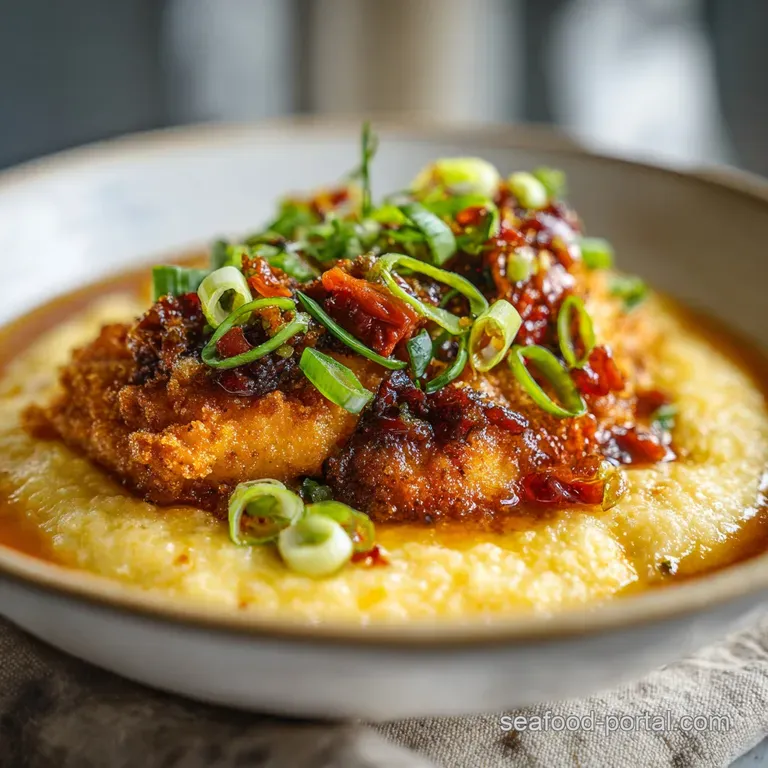
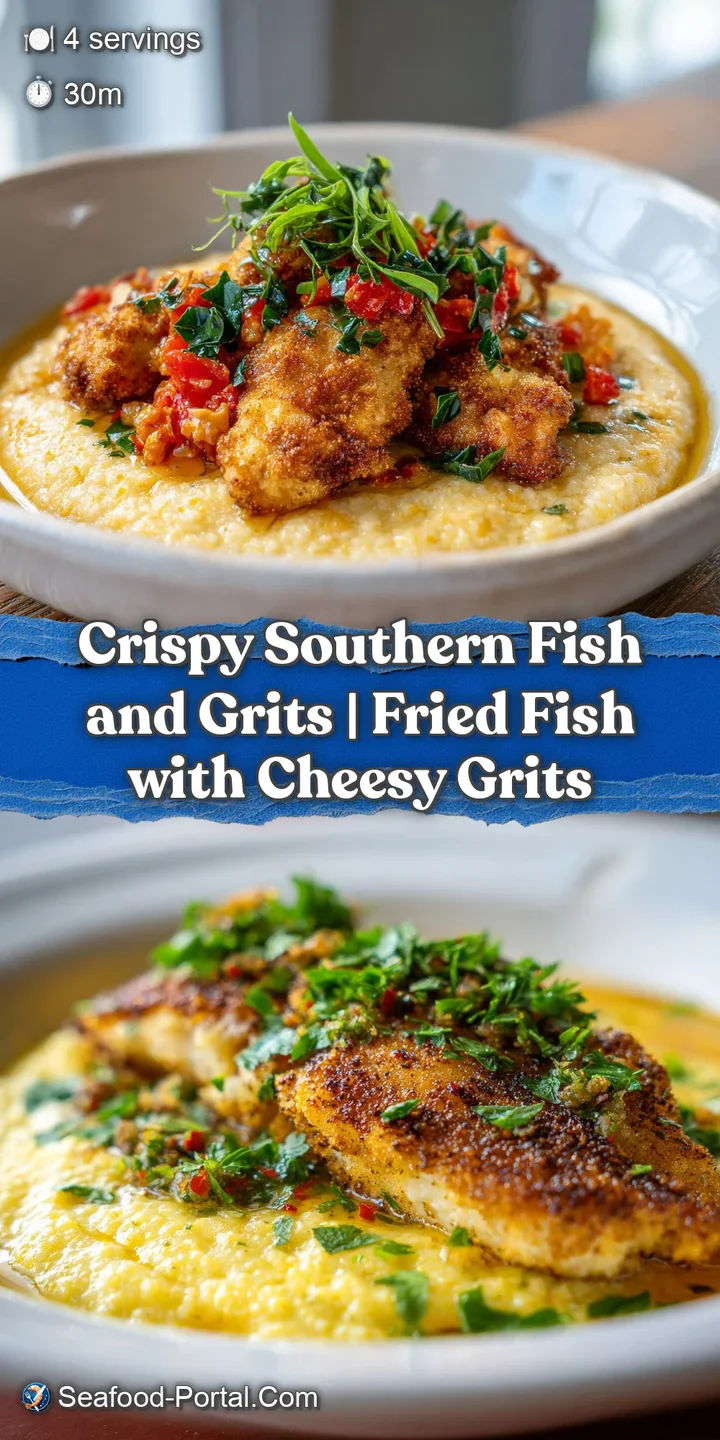
- Flavor/Texture Hook: Shatter crisp Cajun catfish over velvety, sharp cheddar grains
- Perfect for: Weekend brunch or a comforting 30 minute weeknight dinner
- Mastering the Classic Southern Fish and Grits
- Why This Method Works Best
- Essential Component Analysis
- Vital Recipe Statistics
- Necessary Kitchen Gear
- Essential Ingredients and Substitutes
- Executing the Method
- Common Troubleshooting Tips
- Adjusting the Batch Size
- Traditional Cooking Myths
- Proper Storage Guidelines
- Perfect Pairing Suggestions
- High in Sodium
- Recipe FAQs
- 📝 Recipe Card
Mastering the Classic Southern Fish and Grits
You know that specific sound when a piece of perfectly fried fish hits a plate? It’s not a thud, it’s more of a crisp, hollow "clink" that tells you the crust is light and dry, not greasy. That’s the goal today. I remember the first time I tried making this for a group of friends.
I hurried the grits, didn't dry the fish, and ended up with something more like cornmeal porridge and soggy nuggets. It was a mess, but it taught me that this dish is all about the contrast between the "shatter" of the crust and the silkiness of the grains.
We're going for a fast win here. You can have this entire spread on the table in 30 minutes flat if you multitask. While the grits are doing their thing on the back burner, we’re focusing on that golden catfish. The secret is all in the buttermilk soak and the cast iron sear.
It’s the kind of meal that makes the whole house smell like a coastal diner in the best possible way, with hints of smoked paprika and toasted cornmeal drifting through the air.
This version is my absolute favorite because it doesn't rely on heavy cream to get that "cheesy" feel. Instead, we use the natural starches in stone ground grits combined with a little butter and sharp cheddar.
It’s balanced, it’s punchy thanks to the Cajun spice, and honestly, it’s one of those meals that feels much more expensive than the ingredients actually cost. Trust me, once you hear that first crunch, you'll never go back to the instant stuff.
Why This Method Works Best
Starch Hydration: Simmering stone ground grits in a mix of milk and stock allows the grains to swell slowly, releasing starches that create a natural creaminess without needing excessive fat.
Moisture Barrier: Patting the fish bone dry before the buttermilk dip ensures the breading sticks to the protein rather than sliding off in the hot oil.
Acid Tenderization: The buttermilk acts as a mild brine, keeping the catfish fillets tender while providing a "glue" for the cornmeal and flour mixture to cling to.
Thermal Mass: Using a cast iron skillet maintains a steady temperature, preventing the oil from cooling down when the fish is added, which is what usually leads to greasiness.
| Method | Total Time | Texture | Best For |
|---|---|---|---|
| Traditional Stovetop | 30 minutes | Ultimate crunch, velvety grits | Maximum flavor and classic feel |
| Air Fryer Fish | 25 minutes | Leaner, slightly drier crust | Quick weeknight health conscious meals |
| Oven Baked | 35 minutes | Softer texture, easy cleanup | Large groups where you need hands off time |
The stovetop method remains king for a reason. The direct heat of the oil creates a specific Maillard reaction on the cornmeal that an air fryer just can't replicate perfectly. If you are looking for more tips on achieving that specific golden crust, my guide on a Classic Cornmeal Catfish Fry goes into even more detail on the physics of the fry.
Essential Component Analysis
| Ingredient | Science Role | Pro Secret |
|---|---|---|
| Stone ground Grits | Provides structural starch and "toothsome" bite | Whisk constantly for the first 2 minutes to prevent starches from clumping |
| Buttermilk | Lowers pH to tenderize fish and creates a sticky surface | Use full fat buttermilk for a thicker coating that holds more seasoning |
| Cornmeal & Flour | Cornmeal provides crunch; flour fills gaps for a sealed crust | Use a 2:1 ratio to ensure the coating doesn't feel "gritty" or sandy |
| Vegetable Oil | High smoke point allows for searing without burning | Keep oil at exactly 175°C to prevent the breading from absorbing excess fat |
Understanding these components helps you adjust on the fly. For instance, if you run out of chicken stock, using a vegetable base or even a bouillon cube works because the primary goal is adding salt and depth to the liquid that the grits will eventually absorb.
Vital Recipe Statistics
Before you start, make sure you've got your timing down. We’re working with a 10 minutes prep window and 20 minutes of active cooking. The total 30 minutes ensures nothing sits around getting cold.
This recipe yields 4 servings, each packed with 49 g of protein, making it a surprisingly hearty start to the day or a solid dinner.
The temperature is your most important metric here. You want the oil at 175°C. If it’s lower, the fish will act like a sponge for the oil. If it’s higher, the outside will burn before the catfish reaches that safe internal temp of 145°F.
I always keep a digital thermometer handy. It takes the guesswork out of the "sizzle" and ensures you don't end up with raw fish centers.
Necessary Kitchen Gear
You don't need a professional kitchen, but a few specific tools make this "Fish and Grits" experience much smoother. First, a heavy bottomed saucepan is non negotiable for the grits. Thin pots have "hot spots" that will scorch the bottom of your grains, leaving a burnt flavor throughout the whole batch.
If you have a Dutch oven, that works beautifully too.
For the fish, a cast iron skillet is the gold standard. It holds heat better than stainless steel or non stick, which is vital when you're frying multiple fillets. You'll also want a wire cooling rack. Never put fried fish directly onto a paper towel on a plate.
The steam trapped underneath will turn your "shatter crisp" crust into a soggy mess in about 60 seconds. The rack allows air to circulate, keeping the bottom as crispy as the top.
Essential Ingredients and Substitutes
- 1.5 lbs catfish fillets: Thinly sliced. Why this? Catfish has a mild flavor and firm texture that holds up to frying.
- 1 cup yellow cornmeal: Provides the signature Southern crunch.
- 0.5 cup all purpose flour: Helps bind the cornmeal together.
- 2 tbsp Cajun seasoning: Adds spice and salt.
- 1 tsp smoked paprika: For a deep, wood fired aroma.
- 0.5 cup buttermilk: The "glue" for our breading.
- 1 cup stone ground grits: Not instant! Why this? Stone ground retains the germ and more texture than processed versions.
- 2 cups whole milk: For creamy fat content.
- 2 cups chicken stock: Adds savory depth to the grains.
- 4 tbsp unsalted butter: To finish the grits with a velvety sheen.
- 1 cup sharp cheddar cheese: Shredded fresh for better melting.
- 0.5 tsp garlic powder: Enhances the savory notes of the cheese.
| Original Ingredient | Substitute | Why It Works |
|---|---|---|
| Catfish Fillets | Cod or Tilapia | Similar firm white flesh. Note: Cod is flakier, so handle carefully when flipping. |
| Buttermilk | Milk + 1 tsp Lemon Juice | The acid curdles the milk, mimicking buttermilk's thickness and tang. |
| Stone ground Grits | Polenta | Similar corn base. Note: Result will be slightly more "yellow" and nutty. |
| Vegetable Oil | Grapeseed or Canola | High smoke points (above 200°C) which are safe for frying. |
If you decide to go with a different fish, check out my Fried Cod Fillets for specific timing adjustments, as thicker fillets like cod may need an extra minute in the pan.
Executing the Method
- Place the milk and chicken stock in a medium heavy bottomed saucepan and bring to a gentle simmer over medium heat.
- Slowly whisk in the grits in a steady stream to prevent clumping. Note: Adding them too fast creates "dry pockets" that stay crunchy.
- Reduce heat to low, cover the pot, and simmer for 15-20 minutes, whisking every few minutes to release the starches.
- Pat the catfish fillets completely dry with paper towels while the grits are simmering. Note: Moisture is the enemy of a crispy crust.
- Dip each fillet into the buttermilk, then dredge in the mixture of cornmeal, flour, Cajun seasoning, and paprika.
- Press the breading firmly into the fish with your palms to ensure a solid coating.
- Heat 0.5 cup vegetable oil in a large cast iron skillet to 175°C.
- Fry the fillets for 3-4 minutes per side until deep golden brown and the internal temperature reaches 145°F.
- Transfer the fish to a wire cooling rack to let the excess oil drip off.
- Remove the tender grits from the heat and stir in the butter, shredded cheddar, and garlic powder until completely melted and emulsified.
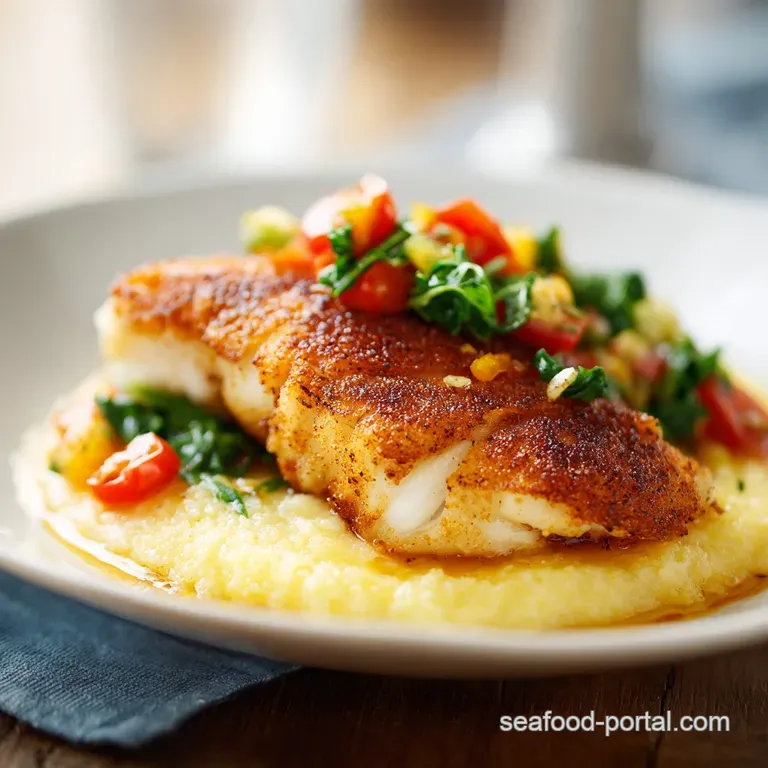
- Serve the hot, crispy fish immediately on top of the creamy cheddar grits.
Common Troubleshooting Tips
Why Your Grits Are Lumpy
This usually happens because the grits were added to the boiling liquid too quickly. When the dry grains hit the hot water, the outer starches gelatinize instantly, forming a waterproof skin around a dry center.
To fix this, you can try using an immersion blender for 10 seconds, but the best prevention is a very slow, steady whisking motion during the first 2 minutes of cooking.
Why Your Breading Falls Off
If the crust slides off the fish like a loose jacket, it's likely because the fish was still damp when it went into the buttermilk. That layer of water prevents the buttermilk from actually bonding to the protein. Another culprit is flipping the fish too early.
Let that bottom crust "set" and harden for at least 3 minutes before you even think about touching it with a spatula.
| Problem | Root Cause | Solution |
|---|---|---|
| Grits are gritty | Under hydrated grains | Add 0.25 cup warm stock and cook for 5 more minutes, covered. |
| Fish is greasy | Oil temp was too low | Ensure oil reaches 175°C before adding the second batch of fish. |
| Grits are too salty | Reduced stock too much | Stir in a splash of plain milk or a tablespoon of unsalted butter. |
Common Mistakes Checklist
- ✓ Never use "Instant" grits; they lack the soul and texture needed for this dish.
- ✓ Always shred your own cheese; pre shredded bags are coated in potato starch that prevents a smooth melt.
- ✓ Don't overcrowd the frying pan; fry in two batches if necessary to keep the oil temperature stable.
- ✓ Season the cornmeal, not just the fish; this ensures flavor in every single bite of the crust.
- ✓ Let the grits sit covered for 2 minutes after stirring in the cheese for the best "set" texture.
Adjusting the Batch Size
Scaling Down (1-2 People): If you’re just cooking for yourself, you can easily halve this. Use 0.5 cup grits and 2 cups total liquid. Since the surface area of the pot remains the same, the liquid might evaporate faster, so keep the lid tight and check at the 12 minute mark.
For the fish, you still need enough oil to coat the bottom of the pan, so don't cut the oil by more than 25%.
Scaling Up (8+ People): When doubling the recipe, do not double the salt in the Cajun seasoning immediately. Spices can become overwhelming when scaled linearly. Use 1.5x the seasoning first, then taste. You will definitely need to fry the fish in at least three batches.
Keep the first batches warm in a 95°C (200°F) oven on a wire rack while you finish the rest. For the grits, use a larger pot to allow for better steam circulation.
Traditional Cooking Myths
One of the biggest myths is that you must "soak" grits overnight. While it can shorten the cook time for very coarse hominy, for standard stone ground grits, it’s not necessary for a velvety result. The 20 minute simmer provides plenty of time for hydration.
Another common misconception is that adding oil to the grit water prevents clumping. It actually does the opposite by coating the grains and preventing them from absorbing the liquid evenly.
There is also a belief that you should only use water for "authentic" grits. In reality, coastal Southern cooks have used milk, cream, and stocks for generations to add richness. Using water alone often results in a bland base that requires excessive salt later on.
Using chicken stock provides a "built in" savory backbone that elevates the corn flavor.
Proper Storage Guidelines
Fridge Storage: Store the fish and grits in separate airtight containers. The grits will firm up significantly as they cool, turning into a solid block. They will stay fresh in the fridge for up to 3 days.
The fish is best within 24 hours to maintain some semblance of its original texture.
Freezing: I don't recommend freezing the grits, as the dairy and cornmeal tend to separate and become grainy upon thawing. However, you can freeze the fried fish! Wrap the cooled fillets in foil and place them in a freezer bag for up to 2 months.
To reheat, bake them at 200°C (400°F) for 10 minutes until they "shatter" again.
Zero Waste Tips: If you have leftover grits, don't throw them out! Spread the cold grits into a greased square pan and chill until firm. Cut them into squares, dredge in a little flour, and pan fry them in butter the next morning for "grit cakes." Any leftover cornmeal breading can be used to coat green tomatoes or okra for a quick side dish later in the week.
Perfect Pairing Suggestions
To cut through the richness of the cheddar and the fried fish, I always suggest something acidic. A quick vinegar based coleslaw or a side of pickled okra works wonders. The sharpness of the vinegar resets your palate between bites of the buttery grains.
If you’re looking for a vegetable side, a heap of garlicky sautéed collard greens or kale is the classic choice. The bitterness of the greens balances the sweetness of the cornmeal. For a drink, a cold hibiscus tea or a simple lemon infused water provides the brightness needed to round out this heavy, comforting meal. If you want to lean into the Cajun theme, a dash of hot sauce (like Crystal or Tabasco) over the fish just before serving is mandatory in my kitchen! For a lighter fish alternative that still pairs well with these grains, you might try an Easy Poached Cod for a different flavor profile.
High in Sodium
920 mg 920 mg (40% 40% of daily value)
The American Heart Association recommends limiting sodium intake to no more than 2,300mg per day, with an ideal limit of about 1,500mg for most adults.
Tips to Reduce Sodium
-
Choose Low-Sodium Chicken Stock-30%
Replace the standard chicken stock with low-sodium or no-salt added chicken stock. This is a major source of hidden sodium.
-
Opt for Low-Sodium Cajun Seasoning-20%
Many Cajun seasoning blends are very high in sodium. Look for a low-sodium version or make your own to control the salt content.
-
Use Reduced Sodium Sharp Cheddar Cheese-15%
Switch to reduced sodium sharp cheddar cheese. While cheese contributes flavor, it also adds significant sodium.
-
Reduce Added Salt-10%
If your Cajun seasoning doesn't have much salt, consider omitting the garlic powder or reducing it, as it can sometimes contain added salt. Taste before adding more.
-
Boost Natural Flavors
Enhance flavor by using fresh herbs like parsley, chives, or dill, along with fresh garlic and onion, to reduce reliance on salt and seasoned blends.
Recipe FAQs
What are fish and grits?
It is a classic Southern comfort dish pairing crispy, cornmeal crusted catfish with creamy, cheddar infused grits. The contrast between the crunchy, seasoned fried fish and the velvety, savory porridge makes it a hearty staple.
Do fish and grits go together?
Yes, they are a perfect match. The richness of the buttery, cheesy grits balances the bold, savory spice profile of the Cajun breaded catfish perfectly.
What is the best fish to eat with grits?
Catfish is the traditional choice due to its mild flavor and ability to hold a crunchy crust. If you want to experiment with other textures, you could use the same dredging technique on firm tilapia fillets for a slightly different bite.
Are fish and grits common?
Yes, they are a deeply rooted tradition in Southern coastal cuisine. You will frequently find them served as a substantial breakfast or dinner throughout the region.
How to keep the grit texture smooth and creamy?
Slowly whisk the grits into the simmering liquid and stir occasionally during the 15 20 minute cook time. Using stone ground grits rather than instant varieties ensures a superior, authentic mouthfeel that doesn't turn gummy.
Is it true I should buy pre-shredded cheese to save time?
No, this is a common misconception. You must shred your own sharp cheddar because store-bought bags are coated in potato starch, which prevents the cheese from melting into a smooth, emulsified sauce.
How to get a perfectly golden, crispy fish crust?
Heat the oil in your cast iron skillet to exactly 350°F (175°C) before frying. Ensure you pat the catfish completely dry before dipping in buttermilk to help the cornmeal, flour, and seasoning mixture adhere firmly to the fish.
Crispy Southern Fish And Grits
Ingredients:
Instructions:
Nutrition Facts:
| Calories | 872 kcal |
|---|---|
| Protein | 49 g |
| Fat | 42 g |
| Carbs | 74 g |
| Fiber | 4 g |
| Sugar | 7 g |
| Sodium | 920 mg |
