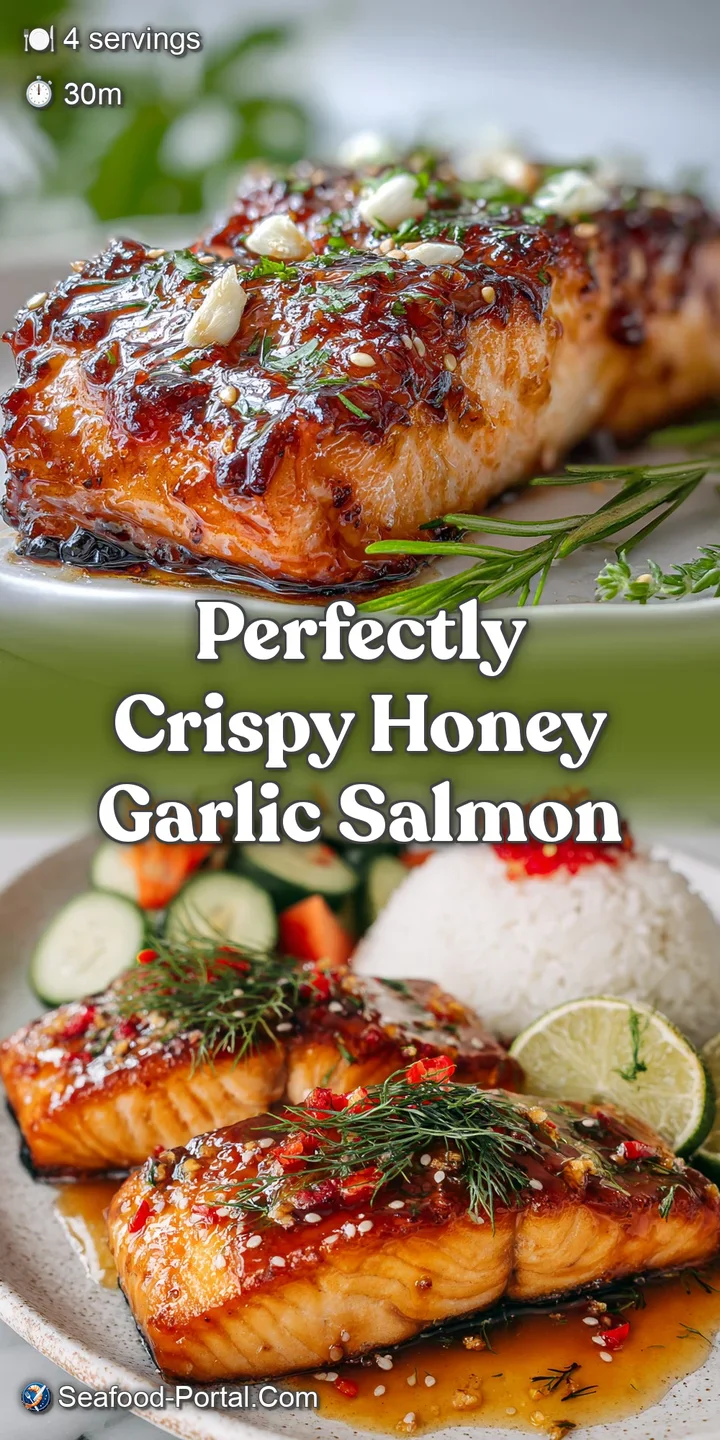
Perfectly Crispy Honey Garlic Salmon
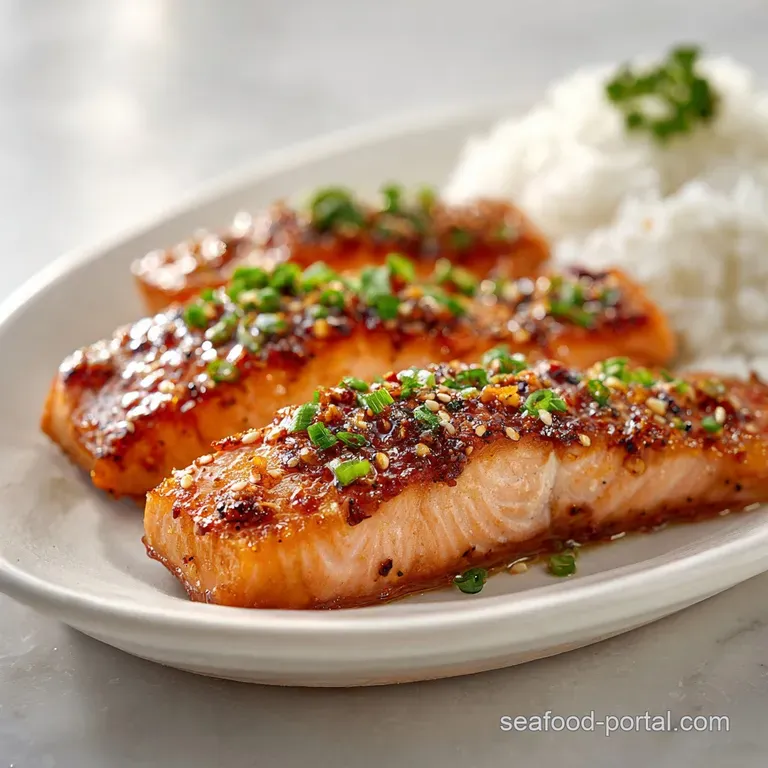
- Time: Active 10 minutes, Passive 0 minutes, Total 20 minutes
- Flavor/Texture Hook: Shatter crisp exterior with a velvety, flake apart center
- Perfect for: Busy weeknight dinners or impressive date nights
- Master Perfectly Crispy Honey Garlic Salmon
- Essential Cooking Times and Recipe Specs
- Selecting Fresh Ingredients for Better Flavor
- Best Tools for High Heat Searing
- Mastering the Pan Searing Technique Steps
- Solving Common Cooking Searing Issues Fast
- Flavor Swaps and Ingredient Substitutions
- Storing and Reheating Your Salmon Properly
- Serving Suggestions for the Best Experience
- Recipe FAQs
- 📝 Recipe Card
The first time I tried making salmon with a honey glaze, it was a disaster. I dumped everything in the pan at once, and instead of a crust, I got soggy skin and garlic that tasted like burnt tire. The kitchen smelled like smoke, and I was stuck scrubbing a scorched pan for an hour.
It was one of those "maybe I should just order pizza" moments that every home cook knows too well.
But I'm stubborn, so I kept at it until I found the trick. It's all about the order of operations. You want that sizzle the second the fish hits the metal, and you want the aroma of toasted garlic to hit your nose only after the skin is already golden.
This recipe will give you perfectly crispy honey garlic salmon in just 30 minutes, and honestly, it's better than what you'd get at most high end bistros. We're talking about a glaze that clings to the fork and a crust that actually makes a sound when you cut into it.
Master Perfectly Crispy Honey Garlic Salmon
Getting that restaurant quality finish isn't about luck; it's about managing moisture. If your salmon is even slightly damp when it hits the oil, it steams instead of sears. We're going to use a tiny bit of flour to create a dry barrier that transforms into a crisp lattice under high heat.
The Science of the Shatter Crisp: A light dusting of all purpose flour absorbs residual surface proteins and moisture, creating a starch rich surface that undergoes rapid dehydration in hot oil. This prevents the honey's sugar from burning before the fish is cooked through.
| Thickness | Internal Temp | Rest Time | Visual Cue |
|---|---|---|---|
| 1 inch | 145°F (63°C) | 3 minutes | Opaque center with distinct flakes |
| 1.5 inches | 145°F (63°C) | 4 minutes | Center barely translucent, edges firm |
| 0.5 inches | 140°F (60°C) | 2 minutes | Quick browning, light pink interior |
Once you understand how thickness affects the sear, you'll never overcook a fillet again. The goal is to pull the salmon just before it hits that 145°F mark, as carryover heat will do the rest of the work while the fish rests on your plate.
Essential Cooking Times and Recipe Specs
The beauty of salmon in 30 minutes is that most of the work happens in the first ten. You aren't hovering over a stove for hours; you're just executing a few high impact moves.
This dish is high in protein and healthy fats, making it a powerhouse for a Tuesday night when you've hit the gym but still want something that tastes like a treat.
| Component | Science Role | Pro Secret |
|---|---|---|
| Raw Honey | Glaze Base | Adds viscosity and promotes deep Maillard browning |
| All purpose Flour | Texture Agent | Creates a protective "crust" that protects the delicate fat |
| Fresh Lemon Juice | Acid Balance | Breaks down heavy fats and brightens the deep soy notes |
The honey garlic salmon in 30 minutes relies on the honey to do two jobs: sweeten the dish and act as a thickener. As the water evaporates from the lemon juice and soy sauce, the honey sugars begin to polymerize, turning from a thin liquid into a velvety syrup that coats the back of a spoon.
Selecting Fresh Ingredients for Better Flavor
You don't need a huge grocery list for this. I usually keep these staples in my pantry because they work across so many dishes. For the best result, use wild caught salmon if you can find it the fat content is different, and the flavor is more "ocean" than "oil."
- 4 (6 oz) Salmon fillets: high-quality protein. Why this? Individual fillets sear more evenly than a whole side of fish.
- 1 tbsp Neutral oil: Avocado or grapeseed. Why this? These have high smoke points, so the oil won't break down and taste bitter.
- 1/3 cup Raw honey: The sweetener. Why this? Raw honey has more complex floral notes that stand up to the garlic.
- 2 tbsp Low sodium soy sauce: For salt and umami. (Substitute: Tamari for gluten-free)
- 1 tbsp Fresh lemon juice: To cut the sugar. (Substitute: Rice vinegar)
- 3 cloves Garlic: Mined fine. (Substitute: 1 tsp garlic powder in a pinch)
- 1/2 tsp Red pepper flakes: For a tiny kick. (Substitute: Black pepper)
- 1 tbsp All purpose flour: For the crust. (Substitute: Cornstarch)
| Original Ingredient | Substitute | Why It Works |
|---|---|---|
| All purpose Flour | Cornstarch | Creates an even crispier, "glass like" gluten-free crust. |
| Raw Honey | Maple Syrup | Thinner consistency but adds a beautiful woody sweetness. |
| Soy Sauce | Coconut Aminos | Lower salt profile with a slightly sweeter, nuttier finish. |
Using the right oil is non negotiable here. Stay away from extra virgin olive oil for the initial sear; it will smoke and burn before your salmon gets that golden brown color you're looking for. Save the fancy oils for a finishing drizzle if you really want them.
Best Tools for High Heat Searing
You don't need a professional kitchen, but a good pan is your best friend here. I swear by my cast iron skillet for this. It holds heat like nothing else, which means when you put cold fish in, the pan temperature doesn't drop through the floor.
Chef's Tip: Freeze your garlic for 5 minutes before mincing. It makes the cloves firmer and much easier to chop into those tiny, uniform bits that melt into the glaze without burning.
If you don't have cast iron, a heavy bottomed stainless steel pan works perfectly. Just avoid thin non stick pans if you're going for maximum crunch. They often can't handle the heat needed to get that flour dusted skin to truly shatter. This technique is actually quite similar to the one I use in my Crispy Skin Salmon recipe, where heat management is everything.
Mastering the Pan Searing Technique Steps
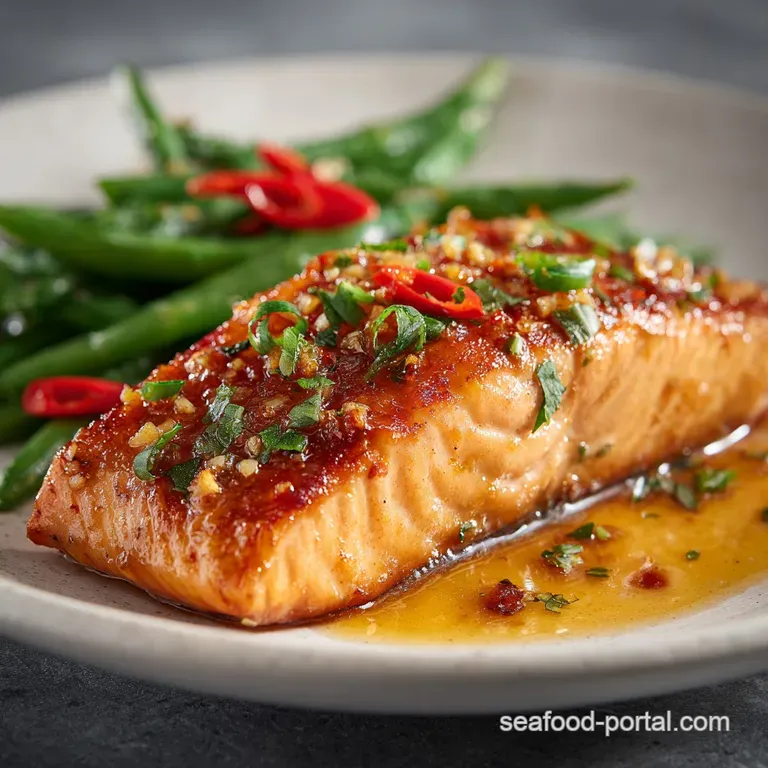
- Prep the fish. Pat the 4 salmon fillets bone dry with paper towels. Note: Moisture is the enemy of a good sear.
- Season well. Sprinkle with 1/2 tsp kosher salt and 1/4 tsp pepper on both sides.
- Dust lightly. Dredge the skinless side in 1 tbsp all purpose flour, shaking off any excess. It should look like a fine mist of flour, not a thick paste.
- Heat the oil. Add 1 tbsp neutral oil to the pan over medium high heat until it shimmers and wisps of smoke appear.
- Start the sear. Place salmon in the pan, flour side down. Press firmly for 5 seconds to ensure even contact.
- Flip it. Cook for 3-4 minutes until the edges are golden and a crust has formed, then flip.
- Whisk the sauce. In a small bowl, combine 1/3 cup honey, 2 tbsp soy sauce, 1 tbsp lemon juice, minced garlic, and 1/2 tsp red pepper flakes.
- Glaze the pan. Pour the mixture into the pan around the fish. The sauce will bubble and hiss immediately.
- The finishing baste. Spoon the bubbling sauce over the fillets for 2-3 minutes until the glaze is thick and syrupy.
- Rest and serve. Remove from heat and let the fish sit for 2 minutes until the glaze sets into a sticky coating.
The aroma at step 8 is the best part. You'll smell the garlic "blooming" in the honey and soy, changing from sharp and raw to mellow and toasted. It’s a sensory signal that your dinner is almost ready. If you love this flavor profile, you might also enjoy the aromatics in this Pan Seared Salmon recipe which uses a similar basting method.
Solving Common Cooking Searing Issues Fast
Even with the best intentions, things happen. Maybe your stove runs hotter than mine, or your fillets were a bit thicker. Most issues with this salmon in 30 minutes are easily fixable if you catch them early.
Why Your Salmon Is Sticking
This usually happens because you're trying to flip it too early. Protein "grabs" the pan at first and then naturally releases once the crust has formed. If you feel resistance, give it another 30 seconds.
Why Your Garlic Tastes Bitter
Garlic burns in seconds. If you notice the garlic turning dark brown or black before the sauce thickens, add a splash of water or extra lemon juice immediately to drop the pan temperature and stop the cooking.
| Problem | Root Cause | Solution |
|---|---|---|
| Soggy Crust | Surface moisture or low heat | Pat fish dryer; ensure oil is shimmering before adding fish. |
| Burnt Glaze | Sugar in honey overheated | Lower heat immediately and add a tablespoon of water to thin. |
| Raw Middle | Fillet was too thick | Cover the pan for 60 seconds during the glazing step. |
Building a habit of prep will save you every time. I’ve learned that having the sauce pre whisked is the difference between a relaxing dinner and a frantic scramble.
- ✓ Pat the salmon dry on all sides (even the sides!)
- ✓ Wait for the oil to shimmer before the fish touches the pan
- ✓ Don't move the fish for the first 3 minutes of searing
- ✓ Mince garlic very fine so it integrates without chunkiness
- ✓ Use a spoon to continuously baste the top of the fish with the hot glaze
Flavor Swaps and Ingredient Substitutions
If you want to scale this recipe up for a dinner party, it's very forgiving. Just remember that you'll need to work in batches. If you crowd the pan with 8 fillets at once, the temperature will drop, the fish will release juice, and you'll end up poaching the salmon in its own liquid rather than searing it.
Scaling for a Crowd:Up (2x): Use two pans or work in batches. Only increase spices like red pepper flakes to 1.5x to avoid overwhelming the dish. Reduce the liquid by about 10% as it won't evaporate as quickly in a crowded pan.
Down (1/2): Use a smaller 8 inch skillet. Keep the cook times the same, but watch the glaze carefully as it will reduce twice as fast in a smaller volume.
| Method | Time | Texture | Best For |
|---|---|---|---|
| Stovetop | 10 mins | Maximum crispiness | Quick weeknight meals |
| Air Fryer | 12 mins | Evenly cooked, less mess | Hands off cooking |
| Oven Broil | 8 mins | Charred top, softer skin | Large batches (6+ fillets) |
If you decide to try the air fryer, you can skip the flour and just brush the glaze on during the last 3 minutes of cooking. You won't get the same "shatter" crust, but it's an incredibly easy way to get dinner on the table.
Storing and Reheating Your Salmon Properly
Leftover honey garlic salmon is actually a secret weapon for lunches the next day. The glaze acts almost like a preservative, keeping the fish from drying out as much as a plain grilled fillet would.
- Fridge: Keep in an airtight container for up to 3 days.
- Freezer: I don't recommend freezing cooked salmon as the texture becomes grainy, but you can freeze the raw fillets in the honey garlic marinade for up to 2 months.
- Reheating: Avoid the microwave! It turns salmon into rubber. Instead, put it in a cold pan with a splash of water, cover it, and turn the heat to medium. The steam will gently warm the fish while the glaze re liquefies.
- Zero Waste Tip: If you have leftover glaze in the pan, don't toss it. Toss some steamed broccoli or snap peas into the warm pan to soak up every bit of that garlic honey goodness.
Serving Suggestions for the Best Experience
Don't let people tell you that "searing seals in the juices." That is a total kitchen myth. Searing is about flavor (Maillard reaction) and texture. The juices stay inside because you didn't overcook the internal temperature, not because you "sealed" the outside.
Another myth is that you need to let the salmon come to room temperature before cooking. Actually, starting with cold salmon from the fridge can help you get a better sear on the outside without overcooking the inside a trick I use constantly for medium rare results.
To serve, I love placing these fillets over a bed of jasmine rice or quinoa. The extra glaze seeps into the grains, making every bite a mix of sweet, salty, and savory. A side of charred bok choy or a simple cucumber salad with rice vinegar provides the crunch and acidity needed to balance out the richness of the honey.
Right then, you're ready to go. Grab your skillet, get that oil shimmering, and enjoy the best garlic salmon you've ever made. Trust me, once you hear that first crackle of the crust, you'll never go back to basic baked fish again.
Recipe FAQs
Is honey garlic good on salmon?
Yes, it creates a fantastic sweet and savory glaze. The natural sugars in the honey caramelize beautifully under high heat, forming a sticky, umami rich crust that complements the richness of the salmon fat.
How do you get salmon to be crispy?
Pat the fillet completely dry and use a high smoke point oil over medium high heat. For the best results, lightly dust the non-skin side with flour to absorb surface moisture and promote superior searing.
Do you put honey on salmon before or after cooking?
Apply the honey glaze during the last few minutes of cooking. Applying it too early causes the sugar to burn before the fish is cooked through; it should be added once the fish is mostly seared so it can reduce into a sticky syrup.
What is the best method to cook salmon perfectly?
Use a high heat, dual stage pan sear followed by basting. This method ensures maximum crispness on the outside while allowing you to monitor the internal temperature for a tender, flaky center. If you prefer baking, try our Effortless Baked Salmon recipe for a hands off approach.
Can I skip the flour coating on the salmon?
No, the flour is key for shatter crisp texture. It acts as a barrier, absorbing surface moisture and ensuring the honey mixture adheres without immediately steaming the skin. If you're avoiding gluten, cornstarch provides a similar, sometimes even crispier, result.
My garlic burned before my sauce thickened, what went wrong?
False. The garlic was likely minced too coarsely or the heat was too high. Mince the garlic very finely so it integrates into the sauce quickly, and if it starts darkening too fast, splash a teaspoon of water or lemon juice into the pan to temporarily cool things down.
What temperature should I pull the salmon off the heat?
Pull the salmon at 140°F (60°C) for a medium doneness. Carryover cooking will raise the temperature another 3 to 5 degrees while it rests, bringing it to a safe and perfectly flaky 145°F. Mastering this heat control is vital for any seared protein; see how we use sensory cues for temperature management in My Favorite Coho recipe.
Crispy Honey Garlic Salmon
Ingredients:
Instructions:
Nutrition Facts:
| Calories | 484 kcal |
|---|---|
| Protein | 34.6 g |
| Fat | 25.5 g |
| Carbs | 25.7 g |
| Fiber | 0.3 g |
| Sugar | 23.8 g |
| Sodium | 438 mg |
