The Ultimate Handchopped Salmon Burgers with Bright Lemondill Aioli
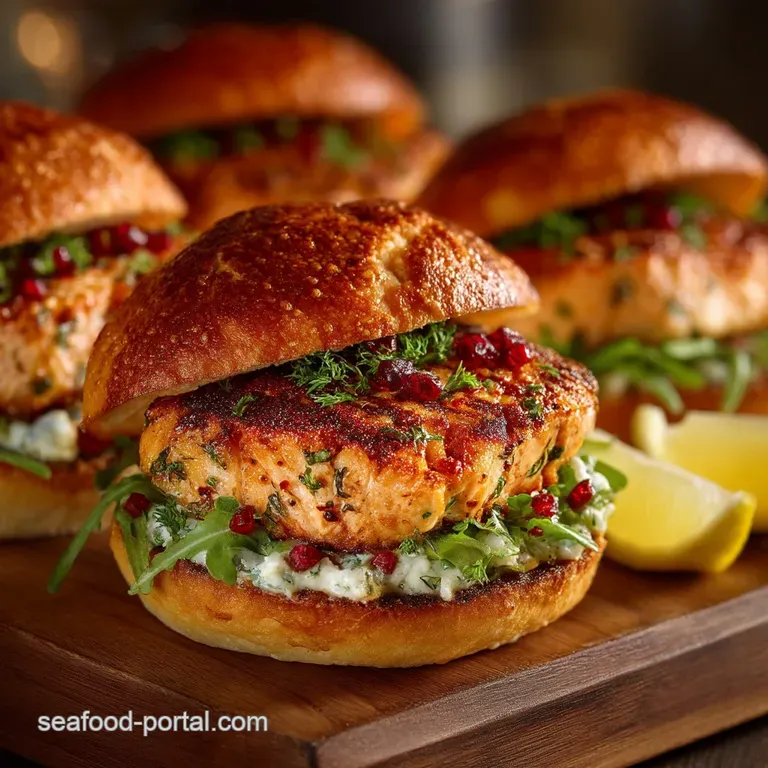
- Moving Beyond the Mushy: The Secret to Perfect Salmon Burgers
- Why Hand-Chopping Is Non-Negotiable for Texture
- Assembling Your Arsenal: Ingredients for the Patty and the Aioli
- Step-by-Step Methodology: Forming the Flawless Patties
- Achieving the Golden Crust: Pan-Searing Techniques
- Serving Suggestions: Perfect Pairings for Crispy Salmon Burgers
- Troubleshooting Common Issues (Soggy Patties, Cracking, Dryness)
- Prep & Storage: Making These Fish Burgers Ahead of Time
- Recipe FAQs
- 📝 Recipe Card
Moving Beyond the Mushy: The Secret to Perfect Salmon Burgers
For far too long, the concept of the Salmon Burgers has been tainted by sad, frozen, store-bought versions that crumble upon contact and possess the texture of sawdust.
But I promise you, when you start with high-quality ingredients and employ the right technique specifically, controlling the texture of the fish itself this dish transforms into one of the most delightful Healthy Salmon Dinner options available.
The secret to achieving that moist, flavourful interior encased in a golden, crispy crust lies not just in the ingredients, but in the preparation method we employ before the pan even heats up.
We are ditching the food processor entirely for the bulk of the fish and embracing a partial hand chop, ensuring we create substantial patties that hold their shape while delivering maximum bite appeal.
Why Hand Chopping Is Non-Negotiable for Texture
When making a classic beef burger, grinding the meat is standard practice. But salmon, being a much more delicate fish, requires a nuanced approach. Over processing salmon turns its proteins into a sticky, dense paste, resulting in those tough, rubbery burgers we aim to avoid.
By hand chopping the majority of the fish, we maintain integrity and moisture, leading to spectacular Salmon Burger Recipes that are worlds apart from the norm.
Comparing Fillet Quality: Wild vs. Farmed for Patties
The quality of your base ingredient is foundational, especially when aiming for superb salmon burgers with fresh salmon . While wild salmon (like Sockeye) offers a bolder flavour profile, it tends to be significantly leaner.
For patties, we actually prefer fatty fish like King or Atlantic salmon (about 1.3 lbs / 600g). The higher fat content in the fillet provides natural binding and moisture, guaranteeing a juicier final product. Always ensure the fish is skinless and properly trimmed before preparation.
The Role of Binder: Keeping the Burger Together Without Drying It Out
To ensure the patties hold their form during cooking, a carefully balanced binder is required. We rely on Panko breadcrumbs (Japanese style) because their irregular shape provides superior structure and lightness compared to traditional fine breadcrumbs.
Alongside the Panko (½ cup / 60g), we introduce a touch of moisture and flavour with 1 tablespoon each of rich, full fat mayonnaise and sharp Dijon mustard, which act as emulsifiers, lubricating the mix and preventing dryness without overwhelming the delicate fish flavour.
The Essential Brightness: Why Lemon and Dill are the Perfect Pairing
Salmon is a rich, naturally oily fish, requiring bright, acidic counterparts to balance its intensity. Fresh dill (¼ cup / 15g) is the quintessential partner, offering a delicate herbaceousness. We amplify this with the zest of one large lemon.
The zest provides concentrated citrus oils without introducing excess liquid, which could compromise the patty structure. This combination keeps the burger light and refreshing, perfect for Summer Seafood Recipes .
Mastering the Partial Chop: The Mince vs. Chunk Balance
This is the key technique: we use both coarsely chopped chunks and a binding paste derived from the same fillet. Begin by cutting the 600g fillet into small cubes. Next, separate the cubes using a 2:1 ratio.
The smaller portion (200g) is placed in a food processor and pulsed just 3 to 4 times until a sticky, smooth fish paste forms. This paste acts as the high protein glue. The remaining 400g is then hand chopped into a coarse mince, ensuring that some defined chunks remain.
Combining the structural mince with the binding paste delivers a texture that is simultaneously firm and tender.
Assembling Your Arsenal: Ingredients for the Patty and the Aioli
Creating the perfect patty involves meticulous attention to the subtle aromatics and seasonings, ensuring they enhance the salmon rather than mask it.
Choosing the Right Cut of Salmon and Proper Trimming
As noted, King or Atlantic salmon are ideal due to their higher fat content. Before cubing the fish, ensure the fillet is patted completely dry with paper towels. Excess moisture is the enemy of a sturdy patty. Once dried, cube the fish uniformly to facilitate even chopping and processing.
Using Garlic and Shallots for Maximum Flavour Depth
Instead of strong raw onion, which can be overpowering, we opt for a small, finely minced shallot (about 2 Tbsp) in the burger mixture itself. Shallots offer a refined, subtle sweetness that integrates seamlessly into the fish.
Garlic, however, takes center stage in our accompanying condiment, where its sharper flavour is best appreciated.
Crafting the Zesty Lemon Dill Aioli (The Condiment MVP)
No exceptional fish burger is complete without an equally exceptional sauce. Our Zesty Lemon Dill Aioli elevates the burger from good to gourmet. This simple sauce requires 120g (½ cup) of quality mayonnaise as the base, brightened with 1 tablespoon of fresh lemon juice, 1 tablespoon of chopped fresh dill, and the necessary pungent punch from one finely minced clove of garlic.
A pinch of salt and pepper, plus an optional half teaspoon of hot sauce (like Tabasco or Sriracha), finishes this vibrant condiment.
Quick Prep Checklist: Essential Kitchen Tools Required
While this recipe minimizes reliance on gadgets, a few essential tools will streamline the process: a sharp chef’s knife for the precise chopping, a sturdy cutting board, a large mixing bowl for gentle incorporation, and a reliable heavy bottomed pan, such as cast iron, to achieve the optimal sear.
A parchment lined baking sheet is also critical for the chilling stage.
step-by-step Methodology: Forming the Flawless Patties
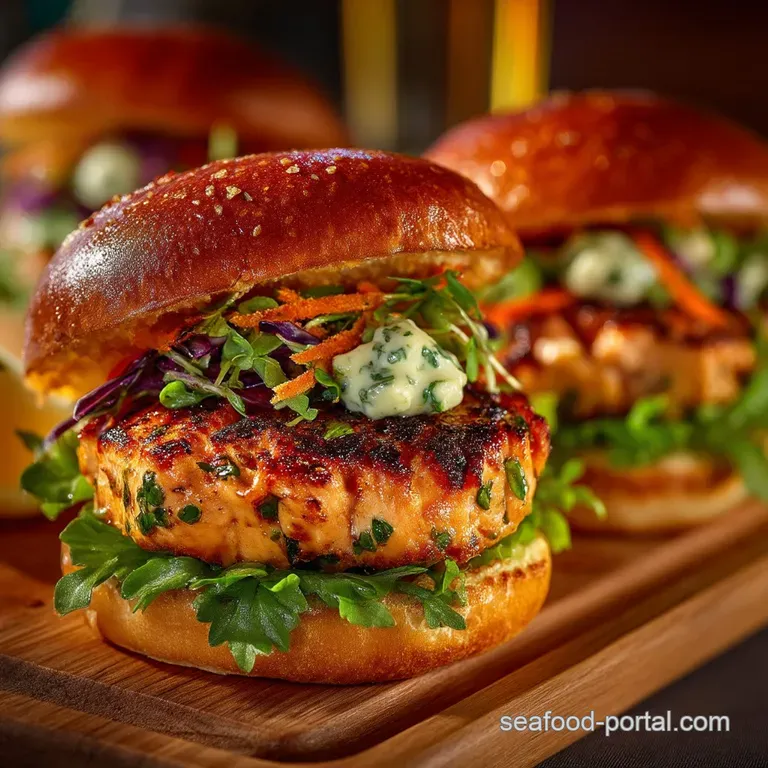
Once the fish is prepped the chunky mince and the binding paste ready we begin combining the flavor agents. In your mixing bowl, whisk together the minced shallot, fresh dill, lemon zest, Dijon, mayonnaise, salt (1 tsp), and pepper (½ tsp).
Next, introduce the hand chopped salmon, the processed salmon paste, and the Panko breadcrumbs. This step is about gentle incorporation. Use your hands or a rubber spatula and fold the ingredients together until they are just combined.
Overmixing develops the proteins excessively, leading to a chewy, less appealing final texture.
Related Recipes Worth Trying
- The Perfect Flaky Grilled Salmon Recipe LemonDill Fillets — Achieve perfectly flaky grilled salmon every single time using our double oil technique for crispy skin This easy grilled salmon recipe features a zesty...
- The Ultimate Honey Soy Salmon Marinade Easy Glaze for Baking Grilling — A guaranteed belter of a midweek dinner This easy Salmon Marinade creates a sticky honey soy glaze inspired by Japanese flavours Perfect for baking grilling...
- The Ultimate Easy Smoked Salmon Dip with Cream Cheese and Dill — This luxurious Easy Salmon Dip is the perfect starter Whipped salmon dip with cream cheese fresh dill and lemon Velvety smooth and ready in 15 minutes flat
Achieving the Golden Crust: Pan-Searing Techniques
The final stage is ensuring a beautifully crisp, golden brown crust without overcooking the delicate interior. This is the difference between a good burger and a truly great one.
Combining Wet and Dry: Mixing for Ideal Texture
The texture of the combined mixture should be moist but tacky, not wet or sloppy. If the mix feels too loose after incorporating the Panko and paste, resist the temptation to add more breadcrumbs. Instead, ensure the patties are well chilled, as cold fat is your best structural ally.
Chilling Time: Why Refrigeration Is Key Before Cooking
This step is non-negotiable for stable patties. After dividing the mixture into four equal portions and forming them into uniform, 1 inch thick patties using slightly dampened hands, transfer them to a parchment lined sheet. They must chill in the refrigerator for a minimum of 30 minutes.
This allows the Panko to fully hydrate and the fats in the salmon and mayonnaise to firm up, guaranteeing they won’t crack or fall apart when they hit the heat.
Tips for Uniform Patty Size and Thickness
Aim for four patties that are slightly wider than your chosen bun, as they will shrink minimally during cooking. Consistency in size and thickness (about one inch) ensures that all burgers cook evenly and reach the ideal internal temperature simultaneously.
Use a gentle hand when shaping to avoid compressing the fish too much.
Butter vs. Oil: Which Fat Delivers the Crispiest Edges?
While butter adds flavour, its low smoke point makes it unsuitable for the high heat required to develop a deep golden crust quickly. Use a neutral cooking oil, such as grapeseed or canola, heated over medium high heat until shimmering. Use 2 tablespoons of oil enough to coat the bottom of the pan generously.
The high heat ensures the patty sears immediately, sealing the exterior and preventing sticking.
Know Your Heat: Ideal Internal Temperature for Fish Burgers
Place the chilled burgers carefully into the hot pan, ensuring they are not crowded. Press down lightly to guarantee full contact with the heat. Cook undisturbed for 4 to 5 minutes until a deep golden crust forms. Gently flip and cook for another 3 to 4 minutes.
The burgers are fully cooked when they are firm to the touch and register an internal temperature of 145° F ( 63° C). This guarantees a safe and delightfully moist interior.
How to Adapt the Recipe for Baking or Grilling
If you prefer to make Grilled Salmon Burgers or are seeking a hands off approach, these patties adapt beautifully. For salmon burgers in oven , preheat to 400° F ( 200° C).
Place the chilled patties on a baking sheet and cook for 15- 18 minutes, flipping halfway through. For those seeking Quick Salmon Recipes using appliances, making salmon burgers in air fryer is a fantastic option: cook at 375° F ( 190° C) for 10- 12 minutes, flipping once.
In all cases, the high initial temperature is necessary to activate the crust.
Serving Suggestions: Perfect Pairings for Crispy Salmon Burgers
Once the burgers are off the heat, the final assembly is key to maximizing the dining experience.
Choosing the Perfect Bun or Wrap
A lightly toasted bun provides necessary texture and structural integrity. Brioche offers a slight sweetness that complements the fish beautifully, while a seeded bun provides a satisfying chew.
If you are avoiding refined carbohydrates, these patties work wonderfully nestled in large butter lettuce cups, making for an even lighter and brighter meal.
Side Dishes That Complement the Freshness
Because the salmon patty and aioli are rich and flavourful, the best side dishes offer crunch and acidity. Forget heavy fries; instead, opt for a simple Quick Vinegar Slaw made with cabbage and carrots dressed with cider vinegar, or a sophisticated Watermelon and Feta Salad.
These refreshing additions highlight the brightness of the lemon and dill, cementing this dish's place among the best Summer Seafood Recipes .
Troubleshooting Common Issues (Soggy Patties, Cracking, Dryness)
Even experienced cooks encounter issues with delicate fish burgers. Understanding the cause helps achieve flawless results every time.
Preventing Cracks: Why Your Patty is Falling Apart
The most common reason for a patty cracking or falling apart is insufficient binding or skipping the crucial chilling step. If the initial mixture was too wet (perhaps the salmon wasn’t dried thoroughly), cracks will form.
Always adhere strictly to the 30-minute chilling period; this allows the proteins and binders to set, creating resilience against the pan's heat. Handle the chilled patties gently when transferring them.
Fixing Over Seasoning and Salinity Mistakes
If you accidentally over salt the mixture, you can usually rectify it by mixing in a small amount of neutral binding agent. A tablespoon of unflavored cream cheese, ricotta, or a tiny additional sprinkle of panko can help distribute and absorb the excess salinity without significantly altering the texture.
Prep & Storage: Making These Fish Burgers Ahead of Time
These burgers are an excellent candidate for meal prep, making that Healthy Salmon Dinner effortless even on the busiest weeknights.
Freezing Protocol for Raw or Cooked Patties
Both raw and cooked patties freeze well. For raw patties, place the chilled, formed burgers on a baking sheet lined with parchment paper and freeze until solid. Once frozen, transfer them to a freezer safe zip-top bag, ensuring they are separated by small squares of parchment to prevent sticking.
They can be stored for up to three months. Cooked patties should be cooled completely, wrapped tightly, and frozen following the same method. When cooking from frozen, add 3- 5 minutes to the cooking time per side.
Nutritional Breakdown and Health Benefits of Salmon
Salmon is renowned as a nutritional powerhouse. Each patty provides approximately 35 38 grams of high-quality protein and is exceptionally rich in Omega-3 fatty acids, which are crucial for heart and brain health.
With only around 350-380 calories per patty (excluding the bun and aioli), this recipe delivers a satisfying, nutrient dense meal that supports a balanced diet.

Recipe FAQs
Why are my homemade Salmon Burgers falling apart like a crumbling biscuit when I try to flip them?
Ah, the classic sticky wicket! This usually happens for two reasons: insufficient chilling or over mixing. That 30-minute rest in the fridge is absolutely vital it allows the panko to soak up moisture and the proteins to firm up, making the patty stable enough to handle the heat.
Also, remember to mix the ingredients gently; treating the salmon too roughly releases too much moisture and makes the structure fragile.
I’m pressed for time can I use tinned salmon or fully process the fresh salmon in a food mixer?
While convenience is tempting, for the best flavour and texture, stick to fresh. Tinned salmon is often too mushy and can yield a dry burger. As for the processing, please resist! The hand chopping technique is key to achieving that superior chunky texture.
If you completely blitz the fish, you’ll end up with a smooth, stodgy patty rather than one with that satisfying, meaty bite.
I’ve made a huge batch; what’s the best way to store or freeze these amazing patties?
These are brilliant for prepping ahead! For raw patties, place them on the baking sheet, flash freeze them uncovered until solid, and then transfer them to an airtight freezer bag, separated by parchment paper.
They’ll keep for about three months, ready to be cooked straight from frozen (just add a couple of minutes to the cooking time). Cooked burgers can be cooled completely and refrigerated for up to three days perfect for a quick lunch!
I’m on a gluten-free diet. What’s the best substitution for the Panko breadcrumbs in this recipe?
No problem at all! You can easily swap out the standard Panko for certified gluten-free breadcrumbs, which perform almost identically. Alternatively, use a small amount of finely ground almond flour or two tablespoons of ground oats.
The goal is absorption, so regardless of the swap, ensure the mixture feels firm before that essential chilling period.
It’s a lovely sunny day; can I grill or barbecue these rather than pan-fry them?
While the barbecue imparts incredible flavour, these delicate Salmon Burgers are prone to sticking and falling through the grate due to their lack of heavy fat binding. If you absolutely must grill, we recommend two methods: either cooking them gently on a well oiled cedar plank, or using a perforated grilling basket to keep them secure and intact.
Direct grilling is a bit of a fiddly business and best avoided!
Crispy Handchopped Salmon Burgers
Ingredients:
Instructions:
Nutrition Facts:
| Calories | 903 kcal |
|---|---|
| Protein | 22.9 g |
| Fat | 22.8 g |
| Carbs | 74.4 g |
| Fiber | 13.3 g |
| Sodium | 11741 mg |
