Flounder Fish Recipe: Panko Crusted
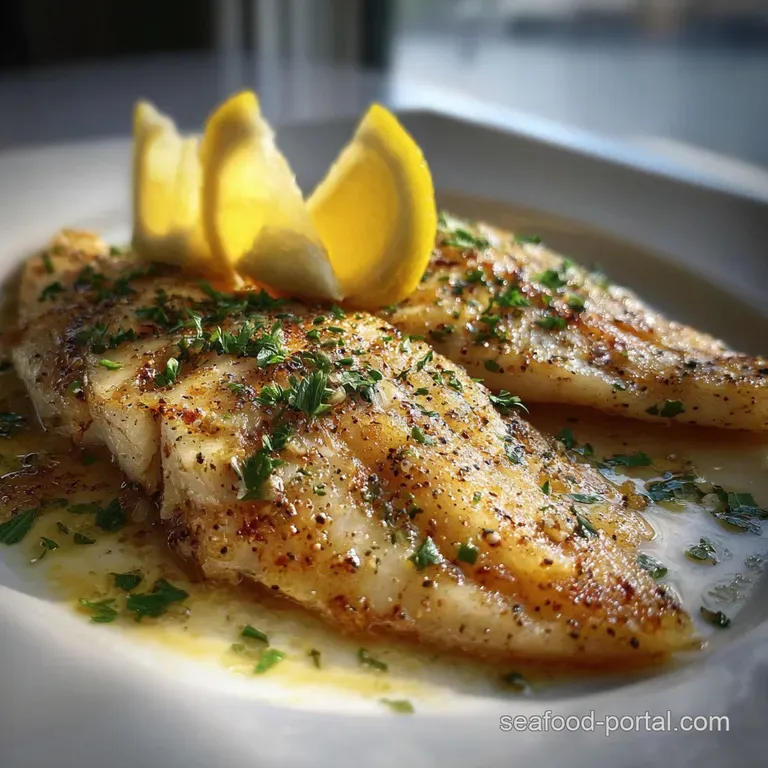
- Time: Active 5 minutes, Passive 10 minutes, Total 15 minutes
- Flavor/Texture Hook: A shatteringly crisp golden crust hiding succulent, velvety flakes.
- Perfect for: High speed weeknight dinners when you want a gourmet feel without the heavy lifting.
- Mastering This Simple Flounder Fish Recipe
- The Science of the Perfect Crunch
- Essential Timing and Yield Data
- Deep Dive into Quality Ingredients
- Ingredients and Substitutes
- Best Tools for the Job
- Step by Step Cooking Guide
- Fixing Common Cooking Mistakes
- Tasty Variations and Smart Swaps
- Storage and Zero Waste Tips
- Perfect Side Dish Pairings
- Debunking Kitchen Myths
- Flounder Recipe FAQs
- 📝 Recipe Card
Mastering This Simple Flounder Fish Recipe
There is a specific, quiet sizzle that happens when a cold fillet of flounder meets a preheated pan of shimmering olive oil. I remember the first time I really nailed this. I was sitting in a tiny coastal kitchen with windows propped open by old salt stained books, and the aroma of garlic hitting melted butter wafted through the house.
It was transformative because, for years, I’d treated white fish as something fragile and boring. I realized then that flounder isn't a blank canvas, it's a sponge for texture and aromatics.
We are going for a specific result here. You want the kind of crust that makes a distinct sound when your fork breaks through it, revealing the opalescent, tender meat inside. Most people overcook flounder because it’s so thin, but we’re going to use a flash cooking technique that keeps it moist.
It’s about building those flavor layers, starting with the sea salt and ending with that punchy lemon zest.
You don't need a culinary degree to make this work, just a bit of respect for the heat and the timing. Flounder is forgiving if you don't crowd the pan and keep your eyes on the edges of the fish.
By the time we’re done, you’ll have a plate that looks like it came out of a professional kitchen, but it only took you fifteen minutes from start to finish. Trust me, once you hear that first crunch, there’s no going back to plain steamed fish.
The Science of the Perfect Crunch
The Maillard Reaction: By mixing panko with melted butter before application, we ensure every breadcrumb is coated in fat, which facilitates even browning and a deeper savory flavor profile.
Protein Denaturation Control: Flounder contains very little collagen, meaning it goes from tender to tough in seconds, so we use a over high heat, short duration cook to set the proteins without squeezing out the cellular moisture.
Hygroscopic Salt Magic: Applying sea salt five minutes before cooking draws a tiny amount of moisture to the surface, which then mixes with the flour or breadcrumbs to create a structural "glue" that prevents the crust from sliding off.
| Fillet Thickness | Internal Temp | Rest Time | Visual Cue |
|---|---|---|---|
| 1.5 cm | 63°C | 2 minutes | Flesh turns opaque white |
| 2 cm | 63°C | 3 minutes | Flakes easily with fork |
| 3 cm | 63°C | 3 minutes | Center loses its translucency |
Understanding the thickness of your fish is the biggest variable in the kitchen. Since flounder fillets vary in size, always judge by the thickest part of the meat rather than the tail end. If your fillets are uneven, you can gently fold the thin tail under itself to create a uniform thickness for even cooking.
Essential Timing and Yield Data
When you're working with fresh seafood, precision is your best friend. This recipe is designed for 4 servings, utilizing 680g (1.5 lbs) of fresh flounder. If you're using a Silky Smooth Fish Stock recipe for a side sauce, you'll want to have that simmering before you even touch the fish, as the cooking process here moves incredibly fast.
| Feature | Fresh Fillets | Frozen (Thawed) | Flavor Impact |
|---|---|---|---|
| Texture | Firm and bouncy | Slightly softer | Fresh is significantly flakier |
| Moisture | Natural juices stay in | More "drip loss" | Fresh yields a juicier bite |
| Aroma | Clean, briny scent | Slightly more "fishy" | Fresh has a sweet, mild finish |
Using high-quality, fresh ingredients is the backbone of this dish. If you must use frozen, ensure they are patted completely dry with paper towels to remove the excess moisture that frozen fish often carries, otherwise, you'll end up steaming the fish rather than searing it.
Deep Dive into Quality Ingredients
| Ingredient | Science Role | Pro Secret |
|---|---|---|
| Unsalted Butter | Fat medium for browning | Use European style butter for higher fat content and less water splatter. |
| Lemon Zest | Non acidic flavor boost | Zest only the yellow part; the white pith underneath is intensely bitter. |
| Panko Breadcrumbs | Textural contrast | These large, airy crumbs absorb less oil than traditional crumbs, staying crispier. |
| Smoked Paprika | Color and depth | Provides a subtle "charred" flavor without needing an actual grill or smoker. |
The olive oil serves as our high smoke point base, while the butter provides the flavor. If we used only butter, the milk solids would burn before the fish was cooked through. This combination gives us the best of both worlds: high heat and rich, nutty notes.
Ingredients and Substitutes
- 1.5 lbs (680g) fresh flounder fillets: The star of the show. Why this? Lean, mild flavor that perfectly carries the garlic and lemon notes.
- 1 tbsp extra virgin olive oil: For the initial sear. Substitute: Avocado oil for an even higher smoke point.
- 0.5 tsp sea salt: To season and draw out moisture. Substitute: Kosher salt.
- 0.25 tsp cracked black pepper: For a subtle bite. Substitute: White pepper for a cleaner look.
- 3 tbsp (42g) unsalted butter, melted: The flavor carrier for the crust. Substitute: Ghee for a nuttier, lactose free option.
- 2 cloves garlic, minced: Essential aromatic depth. Substitute: 0.5 tsp garlic powder if you're in a rush.
- 0.5 cup (30g) panko breadcrumbs: For that signature shatter. Substitute: Crushed crackers for a saltier, denser crunch.
- 1 tbsp fresh parsley, minced: Adds a grassy, fresh finish. Substitute: Fresh chives.
- 1 tsp lemon zest: Brightens the heavy fats. Substitute: Lime zest for a tropical twist.
- 0.5 tsp smoked paprika: For color and a hint of woodsmoke. Why this? It bridges the gap between the delicate fish and the rich butter.
Best Tools for the Job
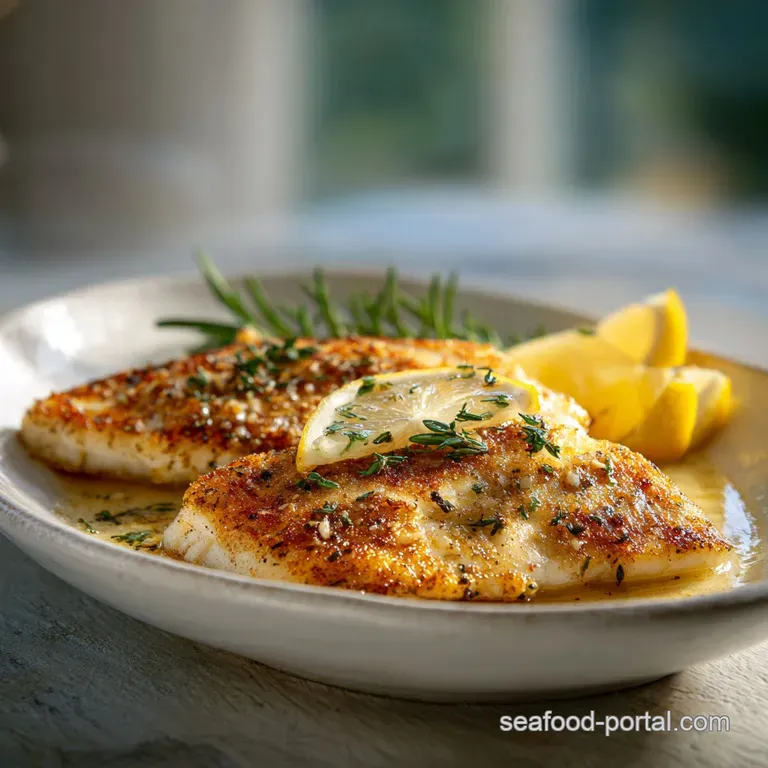
You don't need a cabinet full of gadgets, but a large non stick skillet or a well seasoned cast iron pan is non negotiable. The goal is even heat distribution so that the tail doesn't burn while the center is still raw. A fish spatula (the long, thin, flexible kind) is also a life saver here.
It allows you to slide under the delicate fillets without snapping them in half.
Chef's Tip: Place your butter in a small glass bowl and grate it while cold if you don't want to melt it fully. This creates tiny pockets of fat in your panko mix that explode with flavor during the bake.
Finally,, make sure you have a microplane for the lemon zest. You want tiny, aromatic wisps of zest, not large chunks of peel. The finer the zest, the better it integrates into the breadcrumb mixture, ensuring every single bite has that hit of citrus.
step-by-step Cooking Guide
- Dry the fish. Pat the 1.5 lbs of flounder fillets with paper towels until they are bone dry. Note: Surface moisture is the enemy of a crispy crust.
- Season the base. Sprinkle 0.5 tsp sea salt and 0.25 tsp black pepper evenly over both sides of the fillets.
- Mix the coating. In a small bowl, combine 3 tbsp melted butter, 2 minced garlic cloves, 0.5 cup panko, 1 tbsp parsley, 1 tsp lemon zest, and 0.5 tsp smoked paprika.
- Prep the pan. Heat 1 tbsp olive oil in a large skillet over medium high heat until it shimmers and just begins to wisps of smoke.
- Sear the first side. Place fillets in the pan, skin side down (if applicable), and cook for 2 minutes until the edges start to turn opaque.
- Apply the crust. Carefully flip the fish using a flexible spatula. Immediately spoon the panko mixture over the top of each fillet, pressing down gently with the back of the spoon.
- Flash cook. Continue cooking for 3 to 4 minutes. If your pan is oven safe, you can pop it under the broiler for 60 seconds until the panko is golden brown and crackling.
- Check for doneness. The fish is ready when it flakes easily with a fork and the internal temperature hits 63°C (145°F).
- Rest briefly. Remove from heat and let the fish sit for 2 minutes. Note: This allows the juices to redistribute so they don't run out when you cut into it.
- Garnish and serve. Add an extra squeeze of fresh lemon juice right before hitting the table for a final pop of acidity.
Fixing Common Cooking Mistakes
One of the biggest hurdles with this flounder fish recipe is the moisture. Flounder is a watery fish by nature. If you find your crust is sliding off like a wet blanket, it’s usually because the fish wasn't dried enough or the pan wasn't hot enough to set the protein immediately. Another issue is overcrowding.
If the fillets are touching, they will steam each other, and you'll lose that "shatter" factor we're looking for.
Preventing Fillet Fragmentation
Flounder is incredibly lean, which means there isn't much fat to hold the muscle fibers together. If your fish is falling apart, you might be flipping it too early or too often. Let the first side develop a slight structural "crust" from the heat before you even think about moving it. If you're worried about the fish sticking, check out my Almondine Fish recipe for tips on managing delicate white fish in a pan.
| Problem | Root Cause | Solution |
|---|---|---|
| Soggy breadcrumbs | Too much moisture on fish surface | Pat fillets dry with multiple paper towels before seasoning. |
| Fish sticking to pan | Pan wasn't hot enough or oil was cold | Wait for oil to shimmer before adding the fish. |
| Tough, rubbery meat | Overcooked | Remove from heat at 60°C; carryover heat will finish the job. |
Common Mistakes Checklist
- ✓ Never wash your fish under the tap; it introduces unnecessary moisture and bacteria.
- ✓ Ensure the panko is thoroughly mixed with the butter to prevent dry, burnt crumbs.
- ✓ Don't use a lid; trapping steam will instantly ruin the crispy coating.
- ✓ Use a wide skillet so the fillets have at least an inch of space between them.
- ✓ Always zest the lemon before you juice it; it’s nearly impossible to zest a squeezed lemon half.
Tasty Variations and Smart Swaps
If you want to take this in a different direction, the "flavor layers" approach makes it easy to pivot. For a Mediterranean vibe, swap the smoked paprika for dried oregano and add some chopped kalamata olives to the panko mix. If you’re feeling like something more robust, you could even try the How to Grill recipe method, though you'll need a grill basket to keep the flounder from falling through the grates.
Exploring Air Fryer Flounder
The air fryer is actually a brilliant tool for this specific dish. Because it uses high velocity hot air, it can crisp up the panko more evenly than a traditional oven. Simply prepare the fish with the panko topping as usual, then air fry at 200°C (400°F) for about 6 to 8 minutes.
You won't get the same pan seared flavor on the bottom, but the top will be incredibly crunchy.
Healthy Low Carb Alternative
For those watching their carb intake, panko can be a bit of a dealbreaker. You can easily swap the breadcrumbs for crushed pork rinds or almond flour. Almond flour provides a lovely nutty flavor and a decent crunch, though it won't be as "airy" as panko.
If you go this route, keep a close eye on the pan, as almond flour contains natural oils that can burn faster than breadcrumbs.
- For Fish Tacos: Use the same seasoning but skip the panko. Pan sear the fish and flake it into warm tortillas with a lime creme slaw.
- For Spicy Lovers: Add a pinch of cayenne pepper or red pepper flakes to the garlic butter mixture.
- For a Herb Crust: Mix in fresh thyme or tarragon along with the parsley for a more sophisticated, earthy profile.
Storage and Zero Waste Tips
Fresh fish is always best eaten immediately, but life happens. If you have leftovers, store them in an airtight container in the fridge for up to 2 days. To reheat, avoid the microwave at all costs! It will turn your beautiful fish into a rubbery mess.
Instead, use a toaster oven or a dry skillet over medium heat to help revive the crunch of the panko.
Freezing cooked flounder isn't recommended because the texture of the fish changes significantly upon thawing, becoming mushy. However, you can freeze the raw fillets for up to 3 months. When it comes to zero waste, don't throw away those parsley stems or lemon halves.
Throw the stems into your next stock pot, and use the spent lemon halves to clean your wooden cutting board the acidity helps neutralize any lingering fish scents. If you have leftover panko mixture, toss it with some pasta and olive oil for a quick "poor man's parmesan" meal the next day.
Perfect Side Dish Pairings
Because this dish is rich with butter and garlic, you want sides that offer a bit of "snap" and acidity to cut through the fat. A simple arugula salad with a sharp vinaigrette is a classic choice.
If you want something heartier, roasted fingerling potatoes seasoned with rosemary complement the smoked paprika in the fish crust beautifully.
I personally love serving this over a bed of sautéed spinach or asparagus. The greens soak up any of the extra lemon garlic butter that escapes the fish, making the entire plate feel cohesive. If you're looking for more inspiration on how to build a seafood centric menu, you might enjoy browsing other Fish Recipes that focus on quick, over high heat techniques.
Debunking Kitchen Myths
A common misconception is that you should always leave the skin on for a crispy result. While skin can be delicious, flounder skin is often very thin and can become slimy if not handled perfectly.
In this recipe, we focus on the panko crust for texture, so skinless fillets are actually preferred for a more uniform "shatter" in every bite.
Another myth is that you must rinse fish before cooking to "clean" it. This actually spreads bacteria around your sink and adds moisture to the flesh that prevents proper searing. A simple pat down with a paper towel is all the cleaning a fresh fillet needs.
Finally,, don't believe that "fresh is always better than frozen." high-quality "flash frozen" fish is often fresher than the "fresh" fish that has been sitting in a display case for three days. Trust your nose and the source more than the label.
Flounder Recipe FAQs
What is the best way to eat flounder?
Pan-searing with a crisp topping. Flounder's mild flavor and thinness make it perfect for flash cooking methods that build texture, like using a panko crust.
What is a good seasoning for flounder?
Lemon, garlic, and butter are ideal. This combination cuts through the delicacy of the fish without overpowering it, ensuring a rich but bright flavor profile.
What spices enhance flounder's flavor?
Smoked paprika and fresh parsley work excellently. The paprika adds depth and color, while parsley provides a necessary fresh, herbal lift against the richness of the butter.
What goes well with flounder?
Acidic and green sides pair best to balance the fat. A simple arugula salad dressed with lemon vinaigrette or sautéed asparagus will complement the richness perfectly.
Is it true you must use skin-on fillets for a crispy result?
No, skinless fillets are often better for this style. Focusing on a panko crust ensures crispness, and skinless flounder ensures a more uniform texture across the entire fillet without dealing with potentially slimy skin.
How do I prevent the crispy panko crust from falling off?
Ensure the pan is shimmering hot before placing the fish down. A high initial heat immediately sets the exterior proteins, which helps the crust adhere tightly; this same technique for initial sear success is vital when you How to Grill recipe.
How to cook flounder fillets so they remain moist and not rubbery?
Cook quickly over medium high heat until 63°C internal. Because flounder is very lean, it dries out instantly past that temperature; use a flexible spatula to handle it gently, similar to when you are learning PanSeared Tilapia with recipe.
Crispy Flounder Fish Recipe
Ingredients:
Instructions:
Nutrition Facts:
| Calories | 292 kcal |
|---|---|
| Protein | 32.7 g |
| Fat | 14.1 g |
| Carbs | 6.3 g |
| Fiber | 0.4 g |
| Sugar | 0.5 g |
| Sodium | 436 mg |
