Velvety Clam Chowder Soup Recipe
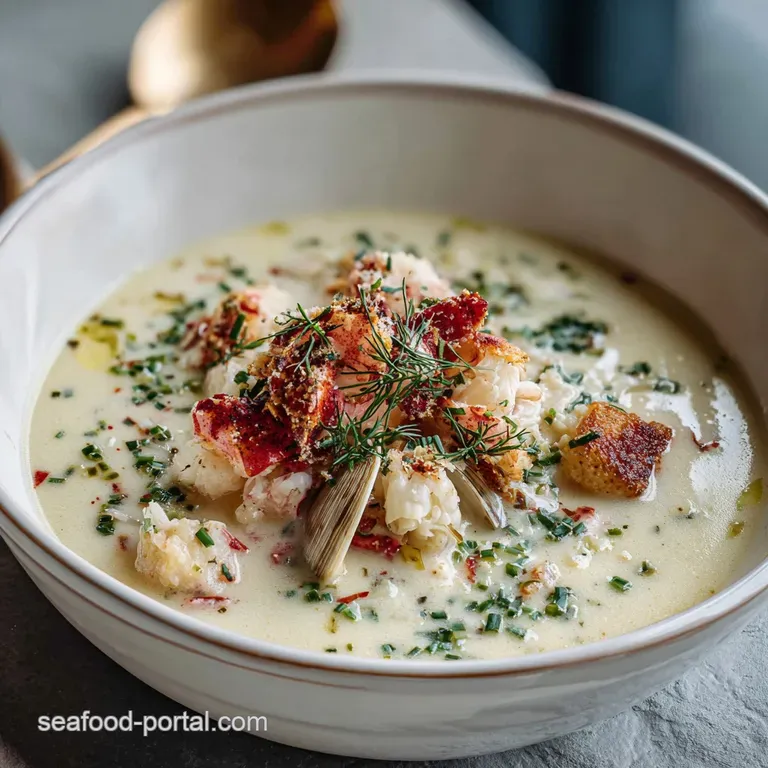
- Time: Active 15 minutes, Passive 30 minutes, Total 45 minutes
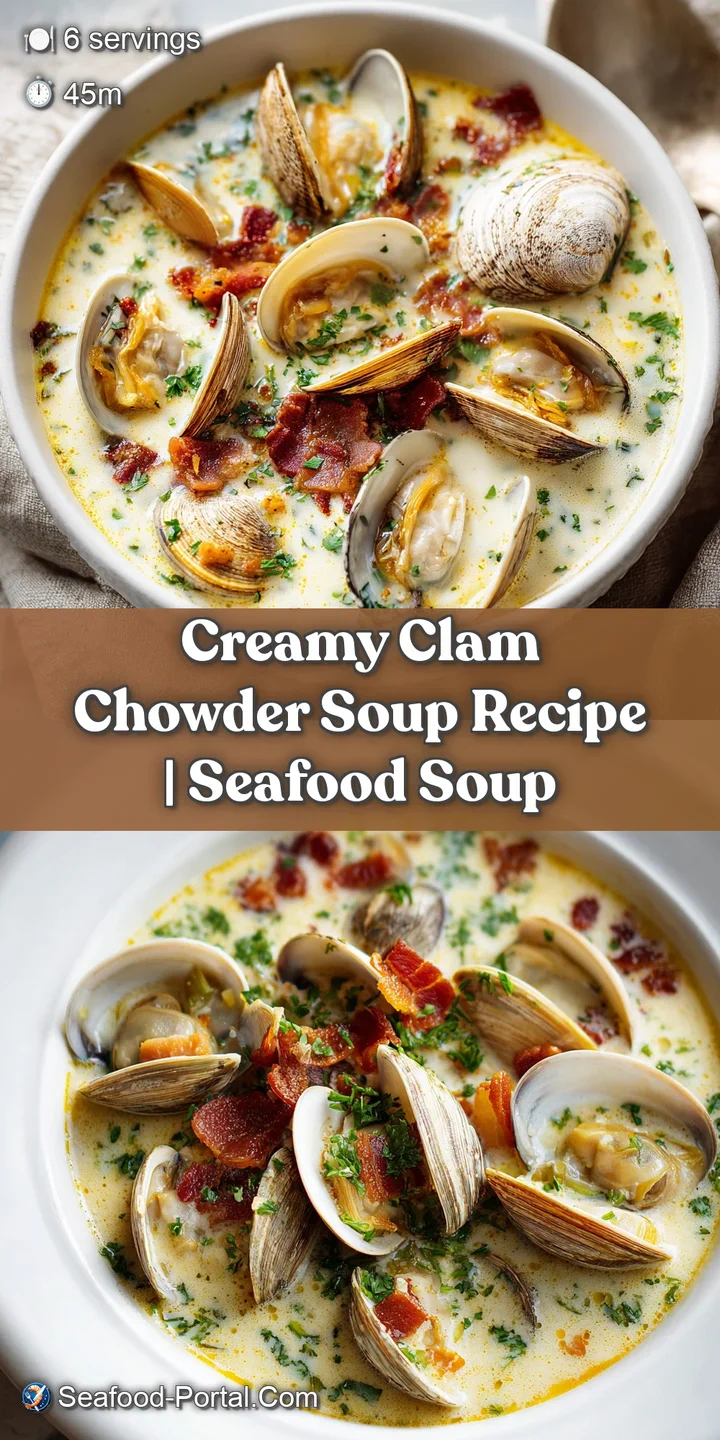
- Flavor/Texture Hook: Velvety cream base with smoky bacon notes and tender, briny clams.
- Perfect for: A cozy weeknight dinner or a crowd-pleasing weekend lunch.
- Master This Classic Clam Chowder Soup Recipe
- A Velvety Bowl of Coastal Comfort
- The Science of the Perfect Thick Base
- Understanding the Core Ingredients and Ratios
- Essential Tools for a Smooth Soup
- Step by Step to a Briny Success
- Solving Common Texture and Flavor Issues
- Adjustments for Different Lifestyles and Diets
- Keeping Your Chowder Fresh for Later
- Best Ways to Serve This Dish
- High in Sodium
- Recipe FAQs
- 📝 Recipe Card
Master This Classic Clam Chowder Soup Recipe
The first time I tried making a chowder, I didn't realize that the order of operations actually matters. I threw everything into a pot, boiled it like crazy, and ended up with rubbery clams and a thin, watery liquid that looked nothing like the thick, comforting bowl I’d had at the wharf.
It was a total flop, but it taught me the most important lesson in seafood: patience and temperature control are your best friends.
When you start rendering that bacon in the heavy bottomed pot, the sizzle isn't just noise; it’s the sound of the foundation being built. The aroma of smoky fat melting down, followed by the sharp, sweet smell of onions hitting the grease, is enough to make anyone in the house wander into the kitchen.
We're going for a balance of textures here the slight crunch of celery, the soft bite of a potato, and the tender chew of the clams.
Trust me, once you nail the base, you'll never go back to the canned stuff. It’s thick enough to coat the back of a spoon but light enough that you’ll want a second bowl. We’re aiming for a velvety finish that highlights the seafood without burying it.
This is the only clam chowder soup recipe you'll ever need to keep in your back pocket for a rainy day.
A Velvety Bowl of Coastal Comfort
This dish is all about the interplay between the sea and the land. You’ve got the salty, briny notes from the bottled clam juice and the canned clams themselves, which provide a deep oceanic flavor without the fuss of scrubbing shells.
Then, you bring in the earthiness of Russet potatoes and the richness of heavy cream. It’s a study in contrasts that just works.
Whether you grew up eating the Classic New England recipe or you usually prefer the tomato based Classic Manhattan Clam recipe, there is something undeniable about this specific white, creamy version. It feels substantial, like a real meal that sticks to your ribs. It’s also surprisingly fast once you have your ingredients prepped.
The Science of the Perfect Thick Base
Understanding how your soup thickens is the difference between a "soup" and a true "chowder." We use a dual thickening approach that ensures a stable, rich mouthfeel that won't break or feel greasy.
- Starch Gelatinization: The flour in the roux and the starches released by the Russet potatoes swell and trap water molecules, creating a thick, stable structure.
- Fat Emulsification: Heavy cream contains proteins that help bind the butter and bacon fat into the liquid, preventing an oil slick from forming on the surface.
- The Amylose Effect: Russet potatoes are high in amylose, which breaks down slightly during the simmer to naturally thicken the surrounding broth.
| Method | Total Time | Texture | Best For |
|---|---|---|---|
| Stovetop | 45 minutes | Velvety and thick | Quick weeknight dinners |
| Crockpot | 4 hours 15 mins | Very soft potatoes | Set it and forget it days |
| Pressure Cooker | 30 minutes | Infused flavors | Ultimate time saving |
Choosing the right method depends on your schedule, but the stovetop version remains my personal favorite because you have total control over the roux. If you are looking for something even more kid friendly and hearty, you might even like this & Cheeseburger Chowder Soup recipe for a different twist on the chowder concept.
| Ingredient | Science Role | Pro Secret |
|---|---|---|
| Russet Potatoes | Thickening Agent | Don't rinse them; the surface starch helps thicken the soup. |
| Heavy Cream | Emulsifier | Add at the very end to prevent the proteins from curdling. |
| Clam Juice | Flavor Base | Provides the essential briny depth that water or broth lacks. |
Understanding the Core Ingredients and Ratios
To make a truly homemade clam chowder soup recipe, you need to be picky about your components. Every element has a job to do.
- 4 strips Thick cut bacon, diced (approx. 150g): Provides the smoky fat base. Why this? Thick cut stays chewy crisp even after simmering in the liquid.
- Substitute: Salt pork or pancetta for a different salty profile.
- 2 tbsp Unsalted butter (28g): Adds silkiness to the roux. Why this? Lets you control the salt level perfectly.
- Substitute: Salted butter (just reduce the extra salt later).
- 1 large Yellow onion, finely diced (approx. 200g): The aromatic foundation.
- Substitute: White onion or shallots for a milder bite.
- 2 stalks Celery, diced (approx. 100g): Adds a necessary herbal crunch.
- Substitute: Fennel bulb for a slight anise forward twist.
- 3 cloves Garlic, minced: For depth of flavor.
- Substitute: 1 tsp garlic powder in a pinch.
- 1/3 cup All purpose flour (45g): The primary thickener for our roux.
- Substitute: Cornstarch (use half the amount) mixed into cold water.
- 2 cups Bottled clam juice (475ml): This is non negotiable for real flavor.
- Substitute: Seafood stock or fish fumet.
- 1 cup Chicken or vegetable broth (240ml): Lightens the brine.
- Substitute: Extra clam juice for a more intense sea flavor.
- 1 tsp Dried thyme & 1 Bay leaf: The classic herb duo.
- 1/2 tsp Ground black pepper: For a subtle back of-the throat heat.
- 3 cans (6.5 oz each) Minced clams, drained: The star of the show. Why this? Canned clams are consistent and incredibly convenient for home cooks.
- Substitute: Fresh steamed clams (about 2 lbs in shells).
- 1.5 lbs Russet potatoes, peeled and cubed (approx. 680g): High starch potatoes are key.
- Substitute: Yukon Gold for a creamier, waxier texture.
- 1.5 cups Heavy cream (350ml): For that signature best clam chowder recipe finish.
- Substitute: Half and half (will be slightly thinner).
Essential Tools for a Smooth Soup
You don't need a professional kitchen, but a few specific items make this easy clam chowder soup recipe much more manageable.
- Dutch Oven or Heavy Pot: A 5 quart Lodge cast iron or similar heavy bottomed pot is best. It distributes heat evenly so the milk solids in the cream don't scorch on the bottom.
- Sharp Chef's Knife: You have a lot of dicing to do with the potatoes, onions, and celery. A sharp blade makes this go twice as fast.
- Wooden Spoon: Perfect for scraping up the "fond" (those little brown bits) after the bacon and veggies sauté.
- Measuring Cups and Spoons: Precision matters when building a roux; too much flour and you've got paste; too little and it's a watery mess.
step-by-step to a Briny Success
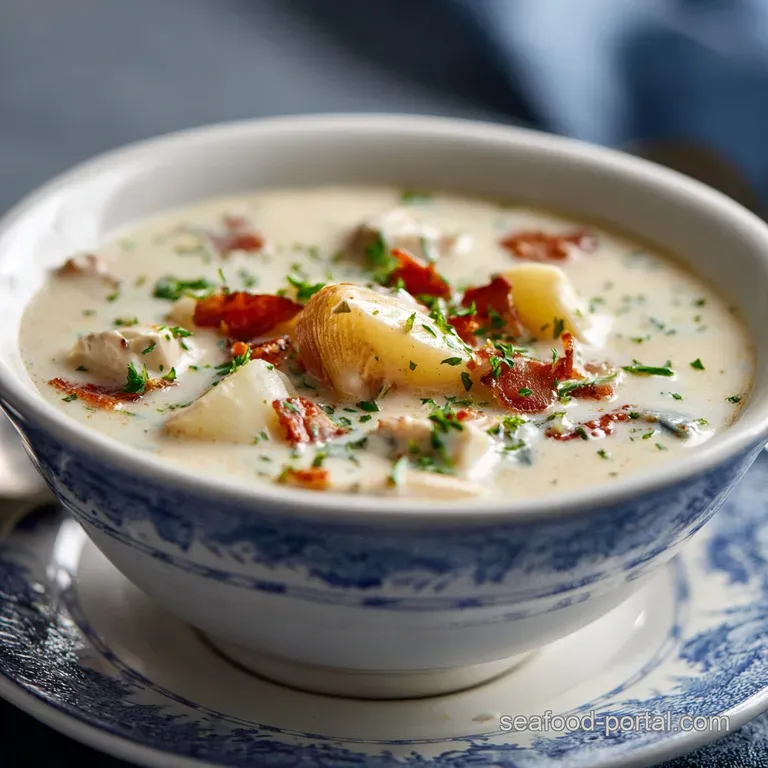
1. Render the Smoky Base
Place the diced bacon in your heavy pot over medium heat. Cook it until it’s crispy and has released all its golden fat. Note: Don't rush this; low and slow renders more fat for the roux. Remove the bacon with a slotted spoon and set it aside on a paper towel, but keep that liquid gold fat in the pot.
2. Sauté the Aromatics
Add the butter to the bacon fat. Once it's melted and bubbling, toss in the onion and celery. Sauté for about 5-6 minutes until the onions are translucent and soft. Stir in the minced garlic for the last 60 seconds so it doesn't burn.
3. Build the Roux and Simmer
Sprinkle the flour over the vegetables. Stir constantly for 2 minutes to cook out the raw flour taste. Slowly whisk in the clam juice and broth. Add the thyme, bay leaf, pepper, and cubed potatoes. Simmer for 15-20 minutes until the potatoes are fork tender.
4. The Creamy Finish
Lower the heat to medium low. Stir in the drained clams and the heavy cream. Let it heat through for 5 minutes until the soup is steaming but not boiling. Remove the bay leaf. Taste it before adding salt; the bacon and clam juice are already quite salty.
Stir the crispy bacon back in just before serving to keep it from getting soggy.
Chef's Tip: If you want a truly professional finish, take a potato masher and gently press down on about 1/4 of the potatoes in the pot. This releases even more starch and creates a naturally thick, rustic texture without adding more flour.
Solving Common Texture and Flavor Issues
Correcting Rubbery Clam Texture
If your clams feel like chewing on rubber bands, they were likely boiled. Clams are already cooked in the canning process. They only need to be warmed through at the very end.
Fixing a Thin or Watery Base
Sometimes potatoes don't release enough starch, or the roux didn't quite set. This usually happens if the flour didn't cook long enough with the fat.
| Problem | Root Cause | Solution |
|---|---|---|
| Thin consistency | Too much liquid/weak roux | Simmer longer or add a cornstarch slurry. |
| Curdled appearance | Boiling after adding cream | Whisk vigorously and don't let it boil again. |
| Too salty | Salty bacon and juice | Add an extra peeled potato to absorb salt. |
Preventing Common Chowder Mistakes
- ✓ Pat the bacon dry before dicing to get a better crisp.
- ✓ Dice potatoes into uniform 1/2 inch cubes so they cook at the same rate.
- ✓ Use heavy cream, not skim milk; the fat content prevents the soup from "breaking."
- ✓ Always stir the bottom of the pot frequently to prevent the flour from scorching.
- ✓ Add the clams at the very last second to preserve their tender texture.
Adjustments for Different Lifestyles and Diets
gluten-free Variation
To make this a gluten-free clam chowder recipe with canned clams, simply swap the all purpose flour for a 1:1 gluten-free flour blend. Alternatively, you can omit the flour entirely and use two extra potatoes, mashing half of them into the broth to provide the necessary thickness.
Crock Pot Clam Chowder Recipe
For a slow cooker version, add everything except the cream and clams into the basin. Cook on low for 4 hours. Thirty minutes before serving, stir in the cream and clams. This allows the flavors to meld deeply without overcooking the delicate seafood.
dairy-free Swap
If you need to avoid dairy, use a high fat coconut milk (the canned kind) instead of heavy cream. It adds a very slight tropical note, but the savory clams and bacon usually mask it well. Use olive oil instead of butter for the sauté.
Keeping Your Chowder Fresh for Later
Storage: This soup actually tastes better the next day as the flavors develop. Store it in an airtight container in the fridge for up to 3-4 days. When reheating, do it slowly over low heat on the stove. Do not microwave it on high, or the cream might separate and the clams will turn tough.
Freezing: I generally don't recommend freezing cream based soups because the texture of the potatoes can become grainy and the cream often separates when thawed. If you must freeze it, do so before adding the cream and clams, then add those fresh when you reheat the base.
Zero Waste Tip: Don't throw away the liquid from the canned clams! If the simple clam chowder ingredients feel a bit dry while simmering, use that extra brine to loosen the soup instead of water. It’s pure flavor.
Best Ways to Serve This Dish
The classic way to serve this soup recipe is in a sourdough bread bowl. There is something magical about the way the tangy bread soaks up the creamy broth. If you don't have bread bowls, a big side of oyster crackers is the traditional New England choice.
For a bit of brightness, I always top mine with fresh chives or parsley. The green pop cuts through the richness of the cream and bacon fat beautifully. Honestly, don't even bother with a side salad this is a meal in itself. Just grab a spoon and dive in.
- 1. The Bacon
- 5-7 minutes of rendering until deep gold.
- 2. The Potato
- Exactly 1/2 inch cubes for a 15 minute simmer.
- 3. The Cream
- Internal temp should hit 165°F (74°C) but never reach a rolling boil.
The "If You Want X, Do Y" Shortcut: If you want a smokier flavor, use applewood smoked bacon and add a pinch of smoked paprika. If you want a thicker soup, mash a handful of the cooked potatoes against the side of the pot.
If you want a lighter version, replace half the heavy cream with whole milk.
Debunking Kitchen Myths: Searing the bacon until it's "burnt" does not add better flavor; it just makes the soup taste bitter. You want a mahogany brown, not black. Also, you don't need fresh clams to make a "real" chowder.
Most high end restaurants actually use a mix of fresh and canned because canned clams provide a consistent texture and salt level that is hard to beat in a home kitchen.
High in Sodium
845 mg mg of sodium per serving (37% % of daily value)
The American Heart Association recommends limiting sodium intake to about 2,300mg per day for overall cardiovascular health.
Tips to Reduce Sodium in Your Clam Chowder
-
Low-Sodium Broth-30%
Replace regular chicken or vegetable broth with a low-sodium or no-salt added version. This simple swap can significantly reduce the overall sodium content.
-
Reduce Bacon-20%
Bacon is a major sodium contributor. Try using half the amount of bacon or substituting it with a lower sodium alternative like turkey bacon.
-
Rinse Canned Clams-15%
Thoroughly rinse the drained minced or chopped clams with water before adding them to the chowder. This helps to wash away excess sodium from the canning process.
-
Omit Added Salt-15%
The recipe calls for 'salt to taste'. Eliminate this entirely, as the bacon, broth, and clams already contribute a considerable amount of sodium.
-
Dilute Clam Juice-10%
Dilute the bottled clam juice with an equal part of water to lower the overall sodium concentration. Alternatively, use homemade clam stock, if possible.
-
Enhance with Herbs
Boost the flavor profile by using a variety of fresh herbs and spices like parsley, chives, or a pinch of red pepper flakes to compensate for the reduced sodium.
Recipe FAQs
What ingredients are in a clam chowder?
Bacon, potatoes, onion, celery, clam juice, and heavy cream are essential. These form the classic New England base, providing smoky fat, starch for thickening, aromatics, and the signature velvety finish.
What are common mistakes when making chowder?
Boiling the soup after adding the cream or overcooking the clams are the biggest errors. Boiling the cream causes it to curdle, and overcooking the clams turns them rubbery; add clams and cream only at the end to just warm through.
What three ingredients must a chowder have to be considered a chowder?
Potatoes, a fat base (like bacon or butter), and a thickener are required. The potatoes release starch, the fat carries flavor, and the thickener (usually flour/roux) creates the characteristic density that separates a chowder from a regular soup.
What's the secret to good chowder?
The secret is using high starch Russet potatoes and properly cooking your roux. If you master the starch release from the potatoes, you create a stable, naturally thick body; if you master the roux, you prevent separation. If you enjoyed mastering the fat base technique here, apply that same principle to rendering your bacon perfectly.
How to thicken a clam chowder that is too thin?
Mash a portion of the cooked potatoes directly against the side of the pot. This releases starch instantly into the liquid, providing body without altering the flavor profile. For extra security, add a small cornstarch slurry (cornstarch mixed with cold water) right before the final simmer.
Is it true I must use fresh clams for the best texture?
No, this is a common misconception. Canned minced clams provide a consistently tender texture and deep, reliable briny flavor perfect for creamy chowders. Fresh clams are fantastic, but their texture varies widely when cooked, unlike the stability canned ones offer.
What should I serve with clam chowder?
Serve it in a sourdough bread bowl or with oyster crackers for tradition. For a balanced meal, you could try a lighter counterpoint, though this soup is a complete meal by itself. If you want something richer, try making our Crab Imperial Recipe next week for another creamy, baked delight.
Creamy Clam Chowder Soup
Ingredients:
Instructions:
Nutrition Facts:
| Calories | 533 kcal |
|---|---|
| Protein | 15.4 g |
| Fat | 38.2 g |
| Carbs | 34.1 g |
| Fiber | 3.2 g |
| Sugar | 4.6 g |
| Sodium | 845 mg |
