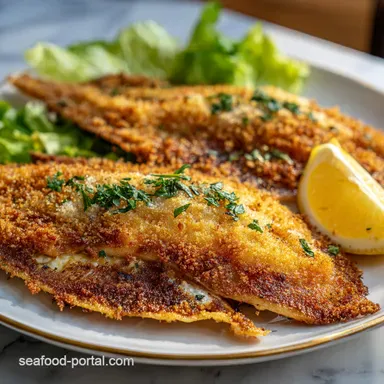
Crab Stuffed Flounder: Rich and Savory
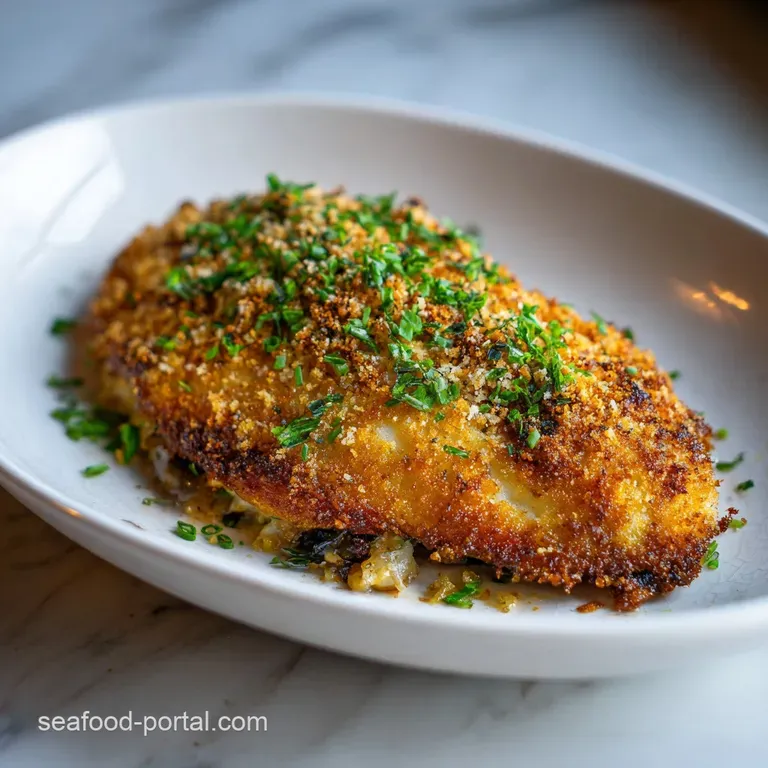
- Time:15 minutes active + 20 minutes cooking = Total 35 minutes
- Flavor/Texture Hook: Buttery, flaky fish with a rich, savory crab center
- Perfect for: Impressive date nights or a fancy Sunday dinner
- The Secret to This Stuffed Flounder Recipe
- What Makes This Dish Tick
- Comparing Your Ingredient Choices
- Deep Dive Into Ingredients
- Gathering Your Essentials
- Getting Your Gear Ready
- Step By Step Cooking
- Handling Common Kitchen Glitches
- Troubleshooting Common Issues
- Ways To Switch Things Up
- Adjusting the Yield
- Truths About Stuffed Fish
- Keeping Your Leftovers Fresh
- Serving Your Masterpiece
- High in Sodium
- Recipe FAQs
- 📝 Recipe Card
The Secret to This Stuffed Flounder Recipe
The smell of Old Bay hitting a hot pan is a core memory for me. It's that salty, celery seed aroma that immediately makes you feel like you're on a pier in Maryland. I remember the first time I tried to make this. I was overconfident, skipped drying the fish, and used a filling that was way too wet. The result?
A complete disaster. The rolls burst open in the skillet, and I ended up with something that looked more like a crab scramble than an elegant meal. It was a mess, but it taught me exactly what doesn't work.
After a few more tries, I realized the secret is all in the moisture control and the "seal." Once you get the rolling technique down, it's actually quite simple. This isn't a dish that requires a professional kitchen, just a bit of patience and a few specific tricks.
You want that exterior to sizzle and brown while the inside stays moist and succulent.
If you've ever been intimidated by stuffing fish, trust me on this: it's much easier than it looks. This stuffed flounder recipe is designed to be accessible for anyone, even if you've never rolled a fillet in your life.
We're going to focus on building layers of flavor, from the seasoned fish to the rich crab filling and finally that zesty lemon butter sauce.
What Makes This Dish Tick
I've spent way too much time wondering why some stuffed fish tastes like rubber and others melt in your mouth. It usually comes down to a few basic principles of how seafood behaves under heat.
The Binder Balance: The mix of egg and mayonnaise creates a stable emulsion that holds the crab lumps together. Without this, the filling would just crumble the second it hits the pan.
The Two Stage Heat: Searing first creates a crust that locks in the shape, while the oven finish ensures the center is cooked through without overdoing the edges. According to the guides at Serious Eats, controlling the internal temperature of delicate white fish is the only way to avoid a rubbery texture.
Acidic Brightness: Flounder is a very mild fish, and crab is rich. The lemon juice and capers in the sauce cut through that heaviness, providing a sharp contrast that wakes up your taste buds. For those who love this style of seafood, my Stuffed Flounder Florentine uses a similar logic but adds spinach for more earthiness.
Surface Tension: Patting the fish dry is the most important step. If the fillets are damp, they'll steam instead of sear, and you'll lose that golden brown color.
Comparing Your Ingredient Choices
Depending on what you have in the fridge or your budget, you might want to tweak a few things. Here is how different choices impact the final result.
| Option | Quality | Impact on Result | Savings |
|---|---|---|---|
| Lump Crab | Premium | Huge chunks, buttery taste | None |
| Crab Mix | Budget | Smaller bits, softer texture | High |
| Panko | Premium | Lighter, crunchier binder | Low |
| Plain Crumbs | Budget | Denser, more "bready" feel | Low |
| Fresh Lemon | Premium | Bright, zesty, aromatic | None |
| Bottled Juice | Budget | One dimensional, slightly bitter | Low |
It's worth noting that while the budget options work, the "Premium" route is where this dish really shines. The texture of lump crab is what makes this feel like a restaurant meal.
Deep Dive Into Ingredients
I like to think of ingredients as tools. Each one has a specific job to do in this stuffed flounder recipe. If you change the tool, you change the outcome.
| Ingredient | Science Role | Pro Secret |
|---|---|---|
| Beaten Egg | Protein Binder | Keeps the crab lumps from separating |
| Panko | Texture Stabilizer | Absorbs excess moisture from the mayo |
| Lemon Zest | Aromatic Oil | Adds "high notes" that juice alone can't provide |
| Paprika | Color Agent | Provides the deep gold hue during the sear |
The interplay between the Panko and the mayonnaise is particularly interesting. The mayo provides the fat and creaminess, while the Panko ensures the filling isn't a paste. You want "lumps," not "mush."
Gathering Your Essentials
For the filling, you'll need: - 1 lb lump crab meat, drained and picked for shells Why this? Provides the signature chunky texture - 1/2 cup Panko breadcrumbs Why this? Lighter than traditional breadcrumbs - 1/4 cup mayonnaise Why
This? Adds moisture and richness - 1 large egg, beaten Why this? Sets the filling during baking - 2 tbsp unsalted butter, melted Why this? Enhances the crab's natural flavor - 1 tbsp Old Bay seasoning Why this? The
Classic seafood flavor profile - 1 tbsp fresh parsley, minced Why this? Freshness to balance the salt - 1 tsp lemon zest Why this? Concentrated citrus aroma
For the fish and sauce: - 6 flounder fillets (approx. 5-6 oz each) Why this? Mild flavor, easy to roll - 2 tbsp olive oil Why this? High smoke point for searing - 1 tsp kosher salt Why this? Pure salt for precise seasoning - 1/2 tsp cracked black pepper Why this? Adds a subtle woody heat - 1/2 tsp paprika Why this? For a beautiful golden crust - 4 tbsp unsalted butter Why this? Base for the velvety sauce - 2 tbsp fresh lemon juice Why this? Necessary acidity - 1 clove garlic, minced Why this? Savory depth - 1 tbsp capers, drained Why this? Briny pops of flavor
Ingredient Swap Guide
| Original Ingredient | Substitute | Why It Works |
|---|---|---|
| Lump Crab | Shrimp (minced) | Similar seafood sweetness. Note: Texture is springier |
| Panko | Almond Flour | Low carb option. Note: Denser filling, nuttier taste |
| Mayonnaise | Greek Yogurt | Same creaminess. Note: Adds a tangier, lighter finish |
| Flounder | Sole or Tilapia | Similar mild flavor. Note: Sole is more delicate |
Choosing the right substitute can change the vibe of the meal. For instance, using shrimp makes this a more robust seafood experience, while almond flour makes it friendly for keto diets.
Getting Your Gear Ready
You don't need a mountain of equipment, but a few specific tools make this much smoother.
- Large Non Stick Skillet: This is non negotiable. Flounder is delicate, and you don't want it sticking and tearing when you flip it.
- Rubber Spatula: Essential for folding the crab. If you stir too aggressively with a spoon, you'll break the lumps.
- Parchment Lined Baking Sheet: Prevents the fish from sticking to the pan and makes cleanup a breeze.
- Paper Towels: For drying the fillets. This is the secret to the sear.
Step by step Cooking
Right then, let's crack on with the actual process. Follow these steps closely, and you'll have a stunning meal in no time.
Crafting the Filling
- In a medium bowl, gently fold together the lump crab meat, Panko, mayonnaise, beaten egg, melted butter, Old Bay, parsley, and lemon zest using a rubber spatula. Note: Be gentle so you keep those crab lumps intact.
The Roll and Seal
- Pat the flounder fillets completely dry with paper towels. Note: Any moisture will prevent the fish from browning.
- Season both sides of each fillet with salt, pepper, and paprika. until evenly coated.
- Place a generous scoop (about 2-3 tbsp) of the crab mixture in the center of each fillet.
- Carefully roll the fish around the stuffing, tucking the edges under to create a secure seal. Note: Imagine you're rolling a tiny sleeping bag for the crab.
The Two Stage Finish
- Heat olive oil in a large non stick skillet over medium high heat.
- Sear the rolls for 2 minutes per side until the exterior is golden brown and sizzling.
- Transfer the seared rolls to a parchment lined baking sheet.
- Mix the melted butter, lemon juice, garlic, and capers. Pour this mixture over the top of the rolls.
- Bake at 375°F (190°C) for 10-12 minutes until the fish is opaque and flakes easily with a fork.
Chef's Tip: If you're worried about the rolls opening, you can use a toothpick to pin them shut, but if you tuck the seam underneath, the weight of the fish usually keeps them closed.
Handling Common Kitchen Glitches
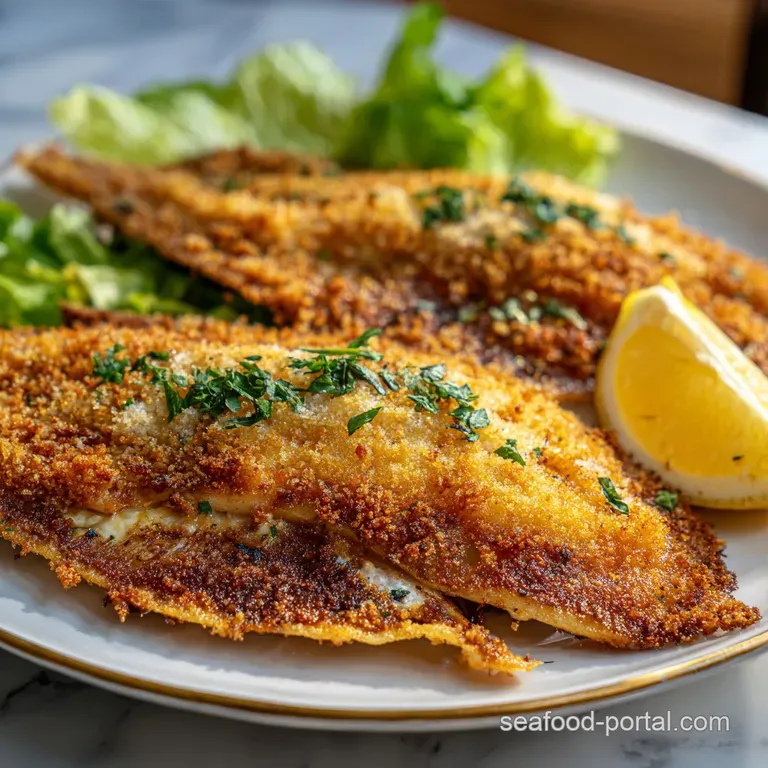
Even the best of us have moments where things go sideways. When it comes to this stuffed flounder recipe, there are a few classic mistakes.
Troubleshooting Common Issues
| Issue | Solution |
|---|---|
| Why Your Filling Leaks | If you see crab meat escaping the fish in the pan, it's usually because the filling was too wet or the roll wasn't tucked tightly. Make sure you drain your crab meat thoroughly before mixing. |
| Why the Fish Tears | Tearing usually happens during the flip. If you try to move the fish too early, the proteins haven't set yet. Wait for that golden crust to form, and the fish will release from the pan naturally. |
| Why the Sauce Separates | If your lemon butter sauce looks oily, it's likely because the heat was too high. The butter should be melted, not boiling, when you add the lemon juice. |
Common Mistakes Checklist
- ✓ Check the Crab: Did you pick out all the shells? Tiny shell fragments are the only thing that can ruin this dish.
- ✓ Dry the Fish: Did you use paper towels? Damp fish = no sear.
- ✓ The Fold: Did you fold the filling gently? No one likes "crab paste."
- ✓ The Temp: Is your oven actually at 375°F? Preheating is key for the timing.
- ✓ The Tuck: Is the seam face down on the pan? This prevents unravelling.
Ways To Switch Things Up
One of the best things about this stuffed flounder recipe is how versatile it is. You can easily swap the filling based on what's in your pantry.
Stuffed Flounder Recipe with Shrimp
If you can't find lump crab, minced shrimp works beautifully. Just sauté the shrimp briefly before adding them to the binder so they don't release too much water into the filling.
Stuffed Flounder Recipe with Spinach
For a "Florentine" twist, sauté some spinach with garlic, squeeze out every drop of water, and fold it into the crab mixture. It adds a lovely color and a bit of earthiness.
Low Carb Keto Swap
Skip the Panko and use almond flour or crushed pork rinds. You'll lose a bit of the lightness, but the flavor remains rich. This is a great way to keep the dish low carb.
Dairy-free Alternative
Substitute the butter with a high-quality vegan butter or olive oil. Use a dairy-free mayo (like avocado oil mayo) in the filling. The result is surprisingly similar.
If you're in the mood for something a bit smokier, you might prefer my guide on how to make grilled flounder, which focuses on over high heat charring.
Adjusting the Yield
Whether you're cooking for one or a crowd, you can scale this stuffed flounder recipe.
Scaling Down (1-2 servings): Use a smaller skillet to keep the oil from spreading too thin. Reduce the baking time by about 2 minutes since there's less mass in the oven.
If the recipe calls for one egg and you only need half, beat the egg in a small cup first and then measure out half.
Scaling Up (12+ servings): Don't crowd the pan. If you put too many rolls in one skillet, the temperature drops, and the fish will steam instead of sear. Work in batches. Also, only increase the salt and Old Bay to 1.5x the original amount; seafood seasonings can become overwhelming if scaled linearly.
Oven Adjustments: If you're baking 12 rolls on one large sheet, lower the temperature to 350°F and add 3-5 minutes to the cook time. This ensures the rolls in the middle cook at the same rate as the ones on the edge.
Truths About Stuffed Fish
There are a few old wives' tales in the seafood world that we need to clear up.
Myth 1: Searing "seals in" the juices. This is a classic misconception. Searing doesn't create a waterproof barrier; it's actually about the flavor. The browning (which we call the Maillard reaction) adds a complex, savory taste that you just can't get from baking alone.
Myth 2: Frozen flounder is inferior to fresh. Not necessarily. Most "fresh" fish at the counter was frozen at sea anyway. As long as it was flash frozen and thawed slowly in the fridge, the texture and flavor are almost identical to fresh caught fish.
Keeping Your Leftovers Fresh
While this dish is best eaten immediately, you can save it if you have leftovers.
Fridge Storage: Store the rolls in an airtight container for up to 2 days. The Panko in the filling will absorb some of the moisture, so the texture will change slightly.
Freezing: I don't recommend freezing the finished rolls. The fish tends to become mushy upon thawing. However, you can freeze the crab filling on its own for up to 2 months.
Reheating: Avoid the microwave at all costs; it will turn the fish into rubber. Instead, put the rolls in a 300°F oven for 10 minutes or heat them in a pan with a tiny bit of butter over medium low heat.
Zero Waste Tips: Don't throw away those lemon halves! Squeeze every last drop into your sauce, then toss the rinds into a jar of olive oil for a few weeks to make a citrus infused oil. Also, if you have leftover Panko, use it as a crunchy topping for a vegetable gratin.
Serving Your Masterpiece
The presentation of this stuffed flounder recipe is half the fun. Since the rolls are golden and the sauce is glossy, you don't need much.
I love serving these on a wide platter, drizzled with the remaining lemon butter sauce from the pan. Pair it with a light side like steamed asparagus or a crisp arugula salad with a balsamic vinaigrette. The bitterness of the greens balances the richness of the crab perfectly.
If you're feeling extra fancy, add a sprinkle of fresh chives or a few extra capers on top just before serving. The contrast of the green herbs against the golden fish looks stunning. This is the kind of meal that makes people think you've spent hours in the kitchen, but as we know, it's all about the technique.
Enjoy your meal, and don't be afraid to get your hands a little messy while rolling that fish! Trust the process, keep the fillets dry, and you're golden.
High in Sodium
1005 mg 1005 mg of sodium per serving (44% 44% of daily value)
The American Heart Association recommends a daily sodium limit of no more than 2,300 mg, with an ideal limit of 1,500 mg for most adults to reduce cardiovascular risk.
Tips to Reduce Sodium
-
Swap Old Bay Seasoning-30%
Replace standard Old Bay with a low-sodium version or create a homemade blend using paprika, cayenne, and a pinch of celery seed.
-
Eliminate Added Salt-25%
Remove the 1 tsp of kosher salt entirely; the crab meat and other seasonings already contain enough sodium to flavor the fish.
-
Rinse the Capers-20%
Rinse the drained capers under cold water for 30 seconds to wash away excess brine before adding them to the pan.
-
Low-Sodium Binder-15%
Substitute standard mayonnaise with a low-sodium mayonnaise or plain Greek yogurt for a creamier, lower salt profile.
-
Enhance Fresh Aromatics
Increase the fresh parsley, lemon zest, and garlic to boost the flavor profile without relying on salt.
Recipe FAQs
What temperature do you bake stuffed flounder at?
Bake at 375°F (190°C). Cook for 10-12 minutes until the fish is opaque and flakes easily with a fork.
How is the best way to cook flounder?
Sear the fillets in olive oil first, then finish in the oven. This dual method creates a golden brown crust while ensuring the crab stuffing is heated through without overcooking the fish.
What goes with stuffed flounder?
Light sides like steamed asparagus or wild rice. These options balance the richness of the crab and butter. For more seafood variety, try our cornmeal catfish for a crunchier alternative.
What is the best sauce for flounder?
A lemon butter sauce with garlic and capers. The bright acidity and saltiness of the capers cut through the richness of the crab stuffing.
Why is my crab stuffing leaking out of the fish?
The filling is likely too wet or the roll isn't secure. Drain your crab meat thoroughly before mixing and ensure you tuck the edges of the fillet firmly under the roll.
How to prevent the fish fillets from tearing when flipping?
Wait for a golden crust to form before moving the fish. The proteins need time to set; once the crust develops, the fillet will release from the pan naturally.
Is it true that flounder must be frozen before rolling to keep its shape?
No, this is a common misconception. Fresh fillets work perfectly as long as they are patted completely dry and rolled tightly around the stuffing.
Crab Stuffed Flounder Recipe