Comforting Thai Fish Soup: Velvety Coconut Lime Broth
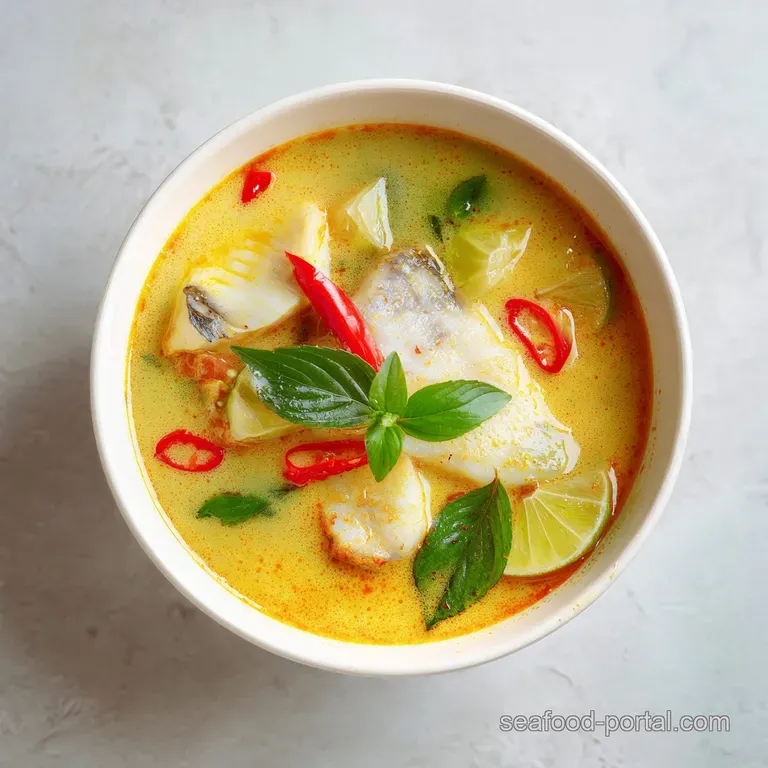
- Time: Active 15 minutes, Passive 15 minutes, Total 30 minutes
- Flavor/Texture Hook: Zesty, silky, and boldly aromatic
- Perfect for: A fast weeknight glow up or impressive dinner party
- A Comforting Thai Fish Soup Recipe That Works
- Why This Soup Stays Silky Smooth
- Component Analysis of Bold Flavors
- The Alchemy of Premium Ingredients
- Essential Kitchen Tools for Success
- Step-by-Step Street Style Technique
- Troubleshooting Your Fragrant Broth
- Smart Dietary and Flavor Swaps
- Scaling for a Crowd
- Debunking Thai Soup Myths
- Storing and Reheating Your Leftovers
- Perfect Side Dishes for Serving
- Very High in Sodium
- Recipe FAQs
- 📝 Recipe Card
A Comforting Thai Fish Soup Recipe That Works
There is nothing quite as heartbreaking as sitting down to a bowl of soup only to find the fish has turned into rubbery nuggets and the coconut milk has separated into a greasy, curdled mess.
We've all been there, staring at a broth that looks more like a science experiment than the vibrant, street style comfort we were craving. Most home versions fall flat because they boil the life out of the delicate seafood or fail to properly "bloom" the aromatics.
I used to think a vigorous boil was the way to extract flavor, but all I ended up with was tough snapper and a muddy tasting broth.
This recipe is the targeted fix for those common kitchen frustrations. We are going to treat the ingredients with the respect they deserve by using a sub simmer poaching method that keeps the protein tender.
By carefully building layers of flavor starting with a bold coconut oil sauté, we ensure the lemongrass and galangal actually release their essential oils rather than just floating there like decorative wood chips.
The result is a bowl that hits every corner of your palate: the sharp zing of lime, the creeping heat of bird's eye chilies, and the velvety richness of full fat coconut milk.
Imagine the aroma of torn Makrut lime leaves hitting a hot pot, that citrusy perfume filling your kitchen and making your mouth water before the stock even touches the pan. This isn't just a meal, it's a sensory experience that brings the bold energy of a Bangkok night market right to your table.
We’re going to achieve that perfect balance of salty, sour, sweet, and spicy without spending hours at the stove. Right then, let’s get into why this specific method produces such a superior result.
Why This Soup Stays Silky Smooth
The secret to this dish lies in the temperature control and the order of operations. Many people toss everything into a pot and hope for the best, but that leads to a flat flavor profile.
By starting with a over high heat bloom of the aromatics in coconut oil, we are effectively using fat as a carrier for the volatile flavor compounds in the lemongrass and chilies. This creates a depth of flavor that water based simmering alone simply cannot replicate.
Aromatic Extraction: Sautéing aromatics in oil first releases fat soluble compounds that water cannot reach, creating a bolder base.
Protein Integrity: Poaching fish at exactly 175°F/80°C prevents the muscle fibers from tightening and squeezing out moisture, keeping the texture velvety.
Emulsion Stability: Keeping the broth at a low simmer after adding coconut milk prevents the proteins from denaturing and the fat from separating.
Flavor Layering: Adding lime juice after the heat is turned off preserves the bright, volatile citric acids that would otherwise dull during boiling.
| Method | Time | Texture | Best For |
|---|---|---|---|
| Traditional Stovetop | 30 minutes | Velvety and fresh | Maximum flavor control |
| Slow Cooker Base | 4 hours | Deeply infused | Meal prep (add fish at end) |
| Pressure Cooker | 10 minutes | Very intense | Extracting maximum aromatic oil |
The stovetop method remains king for this particular soup because it allows you to monitor the fish. Overcooking fish by even sixty seconds can be the difference between a flaky masterpiece and something resembling a pencil eraser.
When you use the stovetop, you can see the exact moment the fish turns opaque and the edges begin to soften. This level of precision is what transforms a simple meal into something truly memorable.
If you are looking for a deeper seafood flavor to start with, I highly recommend using a properly made fish stock as your base. It adds a level of gelatinous body that store-bought versions often lack.
Component Analysis of Bold Flavors
Understanding your ingredients is the first step toward kitchen confidence. We aren't just using these items because a list told us to, we're using them because they each play a specific functional role in the chemistry of the broth.
For instance, galangal might look like ginger, but it behaves very differently in a hot liquid.
| Ingredient | Science Role | Pro Secret |
|---|---|---|
| Galangal | Provides pine like, citrusy heat | Slicing it thinly increases surface area for better infusion |
| Coconut Milk | Acts as a pH buffer and fat source | Always use full fat to prevent curdling under acidic conditions |
| Fish Sauce | The primary source of glutamates | Use a premium brand (like Red Boat) for a cleaner salt profile |
| Makrut Lime Leaves | Adds high note citronella aromatics | Tearing the leaves breaks the oil glands for instant fragrance |
Each of these components works in harmony to create the "Thai flavor profile." The fish sauce provides the savory backbone, while the palm sugar rounds off the sharp edges of the lime. If you skip the palm sugar, the soup can feel one dimensional and overly acidic.
It's about creating a "flavor map" where no single ingredient overpowers the others, but they all shout at the same volume.
The Alchemy of Premium Ingredients
Before you start, make sure your mise en place is ready. This recipe moves fast once the heat is on, and you don't want to be scrambling to halve chilies while your lemongrass is browning too quickly in the pot.
- 1 tbsp coconut oil: Why this? Matches the flavor profile and has a high smoke point for blooming.
- 2 stalks fresh lemongrass: Why this? Provides the essential citrus woody backbone of the entire dish.
- 1 inch fresh galangal or ginger: Why this? Galangal adds a sharp, earthy punch that ginger can't quite replicate.
- 5 Makrut lime leaves: Why this? Essential for that specific "Thai soup" aroma; don't skip these!
- 3 Thai bird’s eye chilies: Why this? These provide a clean, sharp heat without changing the broth color.
- 4 cups fish stock: Why this? The liquid foundation; use high-quality for the best depth.
- 1 lb firm white fish fillets (Cod or Snapper): Why this? These hold their shape perfectly during the gentle poaching phase.
- 14 oz full fat coconut milk: Why this? Creates the luxurious, velvety mouthfeel and balances the heat.
- 1 cup button mushrooms: Why this? Adds an earthy, spongy texture that soaks up the broth.
- 2 tbsp premium fish sauce: Why this? The primary seasoning agent; it's much more complex than salt.
- 1 tsp palm sugar: Why this? Softens the acidity of the lime and the fire of the chilies.
- 3 tbsp freshly squeezed lime juice: Why this? Adds the final bright "pop" that wakes up all other flavors.
- 0.5 cup fresh cilantro and green onions: Why this? Provides a fresh, herbal finish and visual contrast.
| Original Ingredient | Substitute | Why It Works |
|---|---|---|
| Galangal | Fresh Ginger | Similar heat but lacks the pine/citrus notes. |
| Fish Fillets | Peeled Shrimp | Same cooking time and great for a seafood mix. |
| Palm Sugar | Brown Sugar | Adds a similar molasses like sweetness and depth. |
| Makrut Lime Leaves | Lime Zest | Provides the citrus aroma but lacks the herbal complexity. |
One mistake I once made was trying to use "light" coconut milk to save calories. Honestly, don't even bother. The light version is essentially watered down fat and it will split the moment the lime juice hits it. If you're going to make this, go full fat or go home.
The fat is what carries the flavor of the chilies and lemongrass across your tongue.
Essential Kitchen Tools for Success
You don't need a high end kitchen to pull this off, but a couple of specific items will make your life much easier. A heavy bottomed pot, like a Dutch oven or a thick stainless steel stockpot, is crucial for maintaining an even heat. Thin pots have "hot spots" that can scorch the coconut milk or cook the fish unevenly.
I also recommend a good kitchen spider or a slotted spoon for gently lowering the fish chunks into the liquid. You want to avoid splashing, as that can break the delicate surface tension of the broth. And of course, a sharp chef's knife is non negotiable for bruising that lemongrass.
You aren't just cutting it; you're whacking it with the back of the blade to shatter those internal cells and release the aromatics.
step-by-step Street Style Technique
Let's get cooking. Follow these steps closely, especially the poaching temperature, to ensure the fish stays tender.
- Bloom the aromatics. Heat 1 tbsp coconut oil in a large pot over medium heat. Add the 2 stalks of bruised lemongrass, 1 inch of sliced galangal, and 3 halved Thai chilies. Note: This step is about scent, not color; don't let them brown too much.
- Release the oils. Sauté for 2 minutes until the air smells intensely of citrus and spice.
- Simmer the base. Pour in 4 cups of fish stock and add the 5 torn Makrut lime leaves.
- Infuse the broth. Bring to a gentle simmer for 5-8 minutes. Note: Tearing the leaves is vital for releasing their oils.
- Add cream and texture. Stir in 1 cup of sliced mushrooms and 14 oz of full fat coconut milk.
- Stabilize the heat. Keep the heat low until small bubbles just begin to fringe the edge of the pot.
- Poach the fish. Gently drop in 1 lb of fish chunks. Maintain a sub simmer (around 175°F/80°C) for 3-5 minutes.
- Test for doneness. Cook until the fish is opaque and flakes with the lightest touch.
- Season the pot. Turn off the heat entirely. Stir in 2 tbsp fish sauce, 1 tsp palm sugar, and 3 tbsp lime juice.
- Garnish and plate. Ladle into bowls and top with 0.5 cup of cilantro and green onions.
Chef's Tip: If you want an even silkier texture, strain out the lemongrass and galangal pieces before adding the fish. It makes the eating experience much more pleasant since you won't be fishing out woody bits!
For another vibrant meal that uses similar citrus notes, you might want to try my Pan Seared Tilapia with Avocado Sauce. It's a great way to use up any extra lime or cilantro you have on hand.
Troubleshooting Your Fragrant Broth
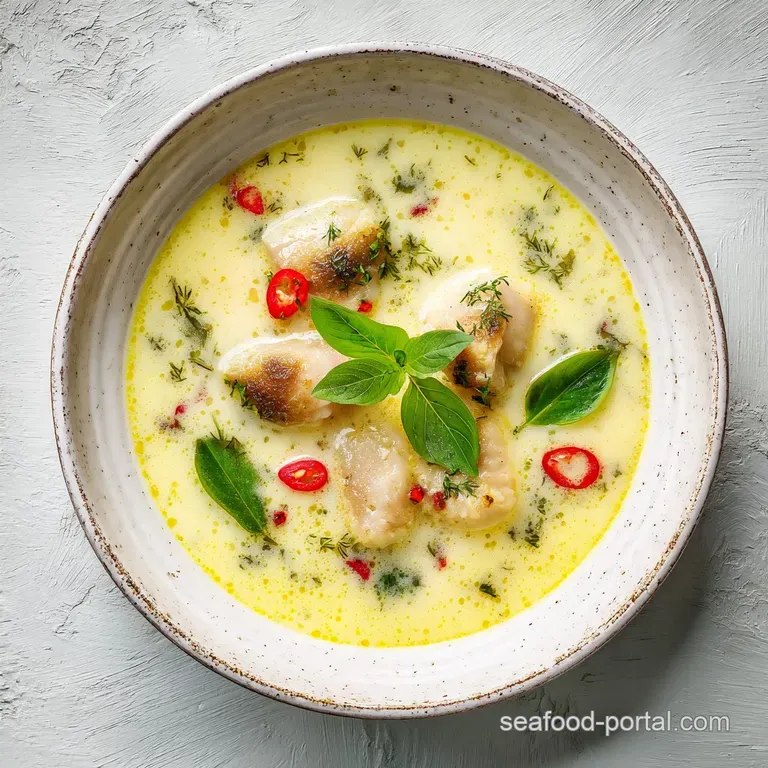
Even with the best intentions, things can go sideways. The most common issue is a broth that tastes "flat." This usually means you need more fish sauce (salt) or more lime juice (acid). Thai cooking is all about the "tasting and adjusting" phase at the very end.
Why Your Broth Curdled
If your soup looks grainy, the coconut milk has likely denatured because the heat was too high or the lime juice was added while the pot was still boiling. Always turn off the burner before adding the acid. The residual heat is plenty to incorporate the flavors without breaking the emulsion.
Why Your Fish Is Tough
This is the "rubbery nugget" syndrome. It happens when the fish is boiled rather than poached. If your broth is at a rolling boil, the protein fibers in the snapper or cod contract violently, squeezing out all the moisture. Keep it low and slow.
| Problem | Root Cause | Solution |
|---|---|---|
| Greasy surface | Coconut milk separated | Add a splash of cold stock and whisk gently. |
| Too Spicy | Too many chili seeds | Add an extra teaspoon of palm sugar to mask the heat. |
| Bland Taste | Not enough salt/umami | Increase fish sauce by 1/2 tablespoon increments. |
Common Mistakes Checklist
- ✓ Bruise the lemongrass thoroughly to release the oils (don't just slice it).
- ✓ Tear the lime leaves by hand to maximize the aromatic surface area.
- ✓ Use full fat coconut milk; the light version will always result in a watery broth.
- ✓ Turn off the heat before adding lime juice to prevent a bitter, cooked citrus taste.
- ✓ Let the fish poach at a sub simmer; do not let the liquid boil once the fish is in.
Smart Dietary and Flavor Swaps
This recipe is naturally gluten-free (just check your fish sauce label!), but there are plenty of ways to tweak it for different needs. If you want to make it heartier, you can serve it over a mound of jasmine rice or rice noodles. The starch will soak up that incredible broth like a sponge.
Decision Shortcut If you want a cleaner, lighter broth, skip the coconut milk and double the lime and chili for a "Tom Yum" style soup. If you want it extra creamy, use only 3 cups of stock and 2 cans of coconut milk for a rich, "Tom Kha" vibe.
If you want a vegetarian version, swap the fish for extra firm tofu and use a vegan "no fish" sauce made from fermented soybeans or mushrooms.
For those looking for a different kind of comfort, my proper chicken and rice soup is a fantastic alternative that uses a similar "build the base" philosophy but with a more Western flavor profile.
Scaling for a Crowd
If you're doubling this for a party, don't just double everything blindly. Spices and salt can become overwhelming when scaled up linearly.
- Scaling Up (2x): Double the fish and mushrooms, but only use 1.5x the fish sauce and chilies initially. You can always add more at the end, but you can't take it out once it's in there.
- Scaling Down (1/2): This recipe halves beautifully. Use a smaller pot to ensure the fish is completely submerged in the poaching liquid. If the liquid level is too low, the fish will steam rather than poach, leading to uneven cooking.
When scaling up, you might find that the aromatics take a bit longer to bloom. Give them an extra minute in the oil. The larger volume of stock will also take longer to reach a simmer, so plan for an extra 10 minutes of passive time.
Debunking Thai Soup Myths
Many people believe that galangal and ginger are interchangeable. They are not. Ginger is pungent and spicy, while galangal is citrusy, pine like, and much harder. While ginger works in a pinch, it changes the fundamental character of the soup.
If you use ginger, you’re making a delicious ginger soup, but you aren’t making an authentic Thai style broth.
Another myth is that "The longer it cooks, the better it gets." With this specific soup, that is false. The bright notes of the lime and the delicate texture of the fish are best served immediately. If you simmer this for an hour, the lime leaves will start to turn bitter and the fish will disintegrate into mush.
Precision beats duration every time in this kitchen.
Storing and Reheating Your Leftovers
This soup stays delicious in the fridge for up to 2 days, but there is a catch: the fish will continue to firm up as it sits in the acidic broth. If you know you’ll have leftovers, I recommend undercooking the fish slightly or storing the broth and fish separately.
- Fridge: Store in an airtight glass container for 48 hours. The coconut fat may solidify on top; this is normal and will melt back into the broth when heated.
- Freezer: I don't recommend freezing this soup. The coconut milk often undergoes a permanent texture change when thawed, becoming grainy and unappealing. The fish also loses its structural integrity.
- Zero Waste: Don't throw away those lemongrass stalks or galangal pieces! Even after they've been used in the soup, you can rinse them and toss them into a freezer bag. They still have enough flavor left to season a future batch of plain rice or a simple seafood stock.
When reheating, do it gently on the stovetop over low heat. Avoid the microwave if possible, as it tends to create hot spots that will "zap" the fish into a rubbery state before the broth is even warm.
Perfect Side Dishes for Serving
To really make this a meal, serve it with a side of steamed jasmine rice. The floral aroma of the rice complements the lemongrass perfectly. If you want to get fancy, a simple Thai cucumber salad with a sweet and sour dressing provides a cool, crisp contrast to the warm, creamy soup.
If you enjoy the combination of seafood and creamy elements, you might also like my creamy dill sauce for salmon. It uses a similar logic of balancing fat and acid to highlight the natural flavor of the fish.
Whatever you do, don't forget the extra lime wedges on the side. Everyone has a different "sour threshold," and giving your guests the ability to customize their bowl is the hallmark of a great host.
This a comforting Thai fish soup recipe is all about bold, vibrant energy so don't be afraid to make it your own. Enjoy the sizzle, the aroma, and that first velvety sip. It's street style magic right in your own kitchen.
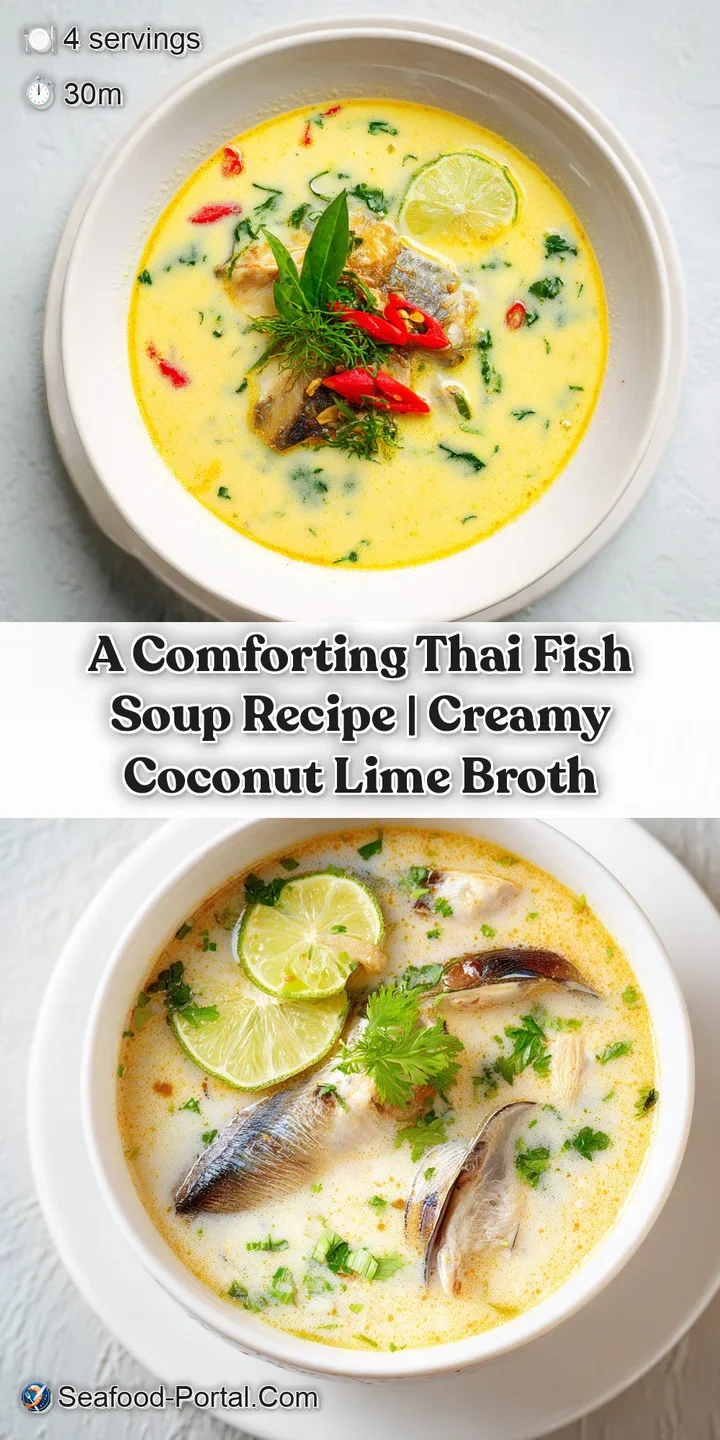
Very High in Sodium
980 mg 980 mg of sodium (43% 43% of daily value)
The American Heart Association recommends limiting sodium intake to no more than 2,300mg per day, with an ideal limit of under 1,500mg for most adults.
Tips to Reduce Sodium
-
Choose Low-Sodium Fish Stock-30%
Swap regular fish stock for a low-sodium version. This is the largest contributor to sodium in this recipe.
-
Reduce Fish Sauce-15%
Lower the amount of fish sauce from 2 tablespoons to 1 tablespoon. Fish sauce is very high in sodium.
-
Boost Natural Flavors
Increase the amounts of aromatics like lemongrass, galangal/ginger, and Makrut lime leaves. Also, add more fresh chilies and lime juice to enhance taste without salt.
-
Use Unsalted Coconut Milk-5%
Ensure you are using unsalted full fat coconut milk. While not a primary source, some brands can contain added sodium.
-
Fresh is Best for Mushrooms
Use fresh button mushrooms as called for. Avoid canned mushrooms, which are often packed in brine.
Recipe FAQs
How to avoid curdling the coconut milk in this soup?
Maintain a low heat after adding the coconut milk. Never allow the soup to reach a vigorous boil, as high heat causes the fats in the milk to separate from the liquid base.
Is it necessary to remove the lemongrass and galangal before serving?
Yes, remove these before eating. These ingredients are included solely to infuse their essential oils into the broth and are far too fibrous and tough to consume.
How to ensure the fish stays tender and doesn't fall apart?
Poach the fish gently at a sub-simmer of approximately 175°F. Keeping the liquid below a boil ensures the delicate fillets stay opaque and flakey rather than becoming overcooked and rubbery. If you enjoyed mastering this precise poaching method, you can apply similar heat control techniques to our silky salmon recipe.
What if my broth tastes flat or lacks depth?
Adjust the balance of fish sauce and lime juice. Thai soups rely on the "tasting and adjusting" phase at the very end to sharpen the salty and acidic profile against the richness of the coconut milk.
How to store leftovers effectively?
Keep the soup in an airtight glass container for up to 48 hours in the refrigerator. Expect the coconut fat to solidify on the surface, which will naturally melt back into the broth when you gently reheat it.
Is it true that I should freeze this soup for later?
No, this is a common misconception. Freezing causes the coconut milk to undergo a permanent texture change, resulting in a grainy, separated consistency that ruins the silky mouthfeel of the soup.
How to prepare the aromatics properly?
Bruise the lemongrass stalks and slice the galangal thinly before sautéing. These actions break down the fibers to release the maximum amount of flavor during the initial two-minute blooming phase in the coconut oil.
Comforting Thai Fish Soup
Ingredients:
Instructions:
Nutrition Facts:
| Calories | 348 kcal |
|---|---|
| Protein | 28.4 g |
| Fat | 22.6 g |
| Carbs | 7.5 g |
| Fiber | 1.2 g |
| Sugar | 3.8 g |
| Sodium | 980 mg |
