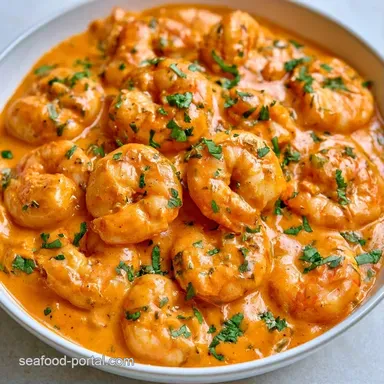
Coconut Sambal Seafood Curry with Coconut Milk
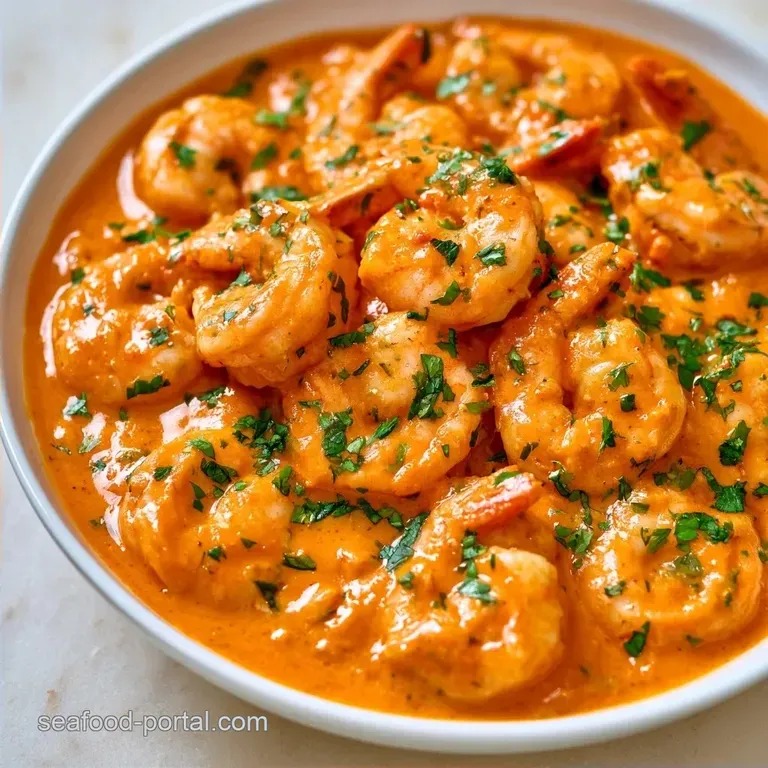
- Time: 10 min prep + 20 min cook
- Flavor/Texture Hook: Bold, spicy, and rich
- Perfect for: Fast weeknight dinner
- Coconut Sambal Seafood Curry
- How to Actually Nail This
- Gathering Your Essentials
- Recipe Specs
- Equipment Needed
- Ingredient Deep Dive
- The Cooking Process
- Avoiding Kitchen Disasters
- Adjusting the Batch Size
- Debunking Curry Myths
- Keeping It Fresh
- Pairing Ideas
- Creative Twists and Swaps
- Recipe FAQs
- 📝 Recipe Card
Coconut Sambal Seafood Curry
Ever wonder why the aromas of Southeast Asian street food are so much more intense than what you find in shopping malls? The trick is patience. By frying the paste until the oil separates from the solids, you create a concentrated base that provides a much deeper impact.
I used to just boil all the ingredients together, but the result often felt "raw" and one-dimensional. Treating the sambal like a concentrated explosion of flavor changed everything, turning a simple meal into something that tastes like it came from a coastal market.
This Coconut Sambal Seafood Curry relies on carefully built layers. We start with a pungent, spicy paste, transition into a rich coconut simmer, and finish by quickly poaching the seafood to keep it tender. It's vibrant, bold, and doesn't shy away from the heat.
How to Actually Nail This
- The Oil Split: Frying the sambal paste until the coconut oil separates is the most important part. This removes the raw edge of the garlic and shallots and toasts the shrimp paste.
- Thermal Buffering: The fat in the coconut milk wraps around the capsaicin from the bird's eye chilies. This prevents the spice from hitting you as a sharp spike and instead delivers a warm, glowing heat.
- Gentle Poaching: Seafood cooks in minutes. By adding the fish and shrimp at the very end, we prevent them from turning into rubber erasers.
| Method | Time | Texture | Best For |
|---|---|---|---|
| Stovetop | 30 mins | Tender seafood, glossy sauce | Quick weeknight meals |
| Oven Poached | 45 mins | Uniformly cooked, softer fish | Larger batches / guests |
Gathering Your Essentials
Now, let's get started. I prefer using a food processor for the paste to maintain a slightly coarse texture, which Serious Eats' testing suggests adds more character than a completely smooth puree.
Recipe Specs
I've kept this straightforward. No need for fancy equipment, just a skillet and a processor.
Equipment Needed
You'll need a food processor or a mortar and pestle for the paste. A large skillet or a wide pot works best for the curry because it allows the moisture to evaporate faster during the sauté phase.
Ingredient Deep Dive
| Ingredient | Purpose | Alternative |
|---|---|---|
| Shrimp Paste | Pungent, salty depth | Fish sauce (additional 1 tbsp) |
| Bird's Eye Chilies | Sharp, direct heat | Red pepper flakes (milder) |
| Coconut Milk | Creaminess and fat | Heavy cream (less tropical) |
| Curry Leaves | Nutty, citrus aroma | Bay leaf (approximate) |
The Complete List
For the Sambal Paste 4 oz shallots, peeled and chopped 4 cloves garlic, smashed 1 tbsp fresh ginger, minced 2 tsp shrimp paste Why this? Provides that signature fermented depth 15g Thai bird's eye chilies, stemmed 1 tbsp lime juice
For the Curry Base 2 tbsp coconut oil 1 cup full fat coconut milk Why this? High fat content stops the sauce from breaking 1/2 cup seafood stock 1 tbsp brown sugar 1 tsp salt 12 fresh curry leaves 1 tbsp fish sauce
The Seafood Mix 1/2 lb firm white fish fillets, cut into 1 inch cubes Why this? Keeps its structure while poaching 1/2 lb large shrimp, peeled and deveined 1 cup cherry tomatoes, halved 2 green onions, thinly sliced 1/4 cup fresh cilantro, chopped
Easy Alternatives
Need to pivot on an ingredient? Try coconut cream for a denser sauce, or use scallops instead of white fish for a more luxurious touch. If you prefer a milder flavor profile, check out my Japanese shrimp curry for something more savory.
The Cooking Process
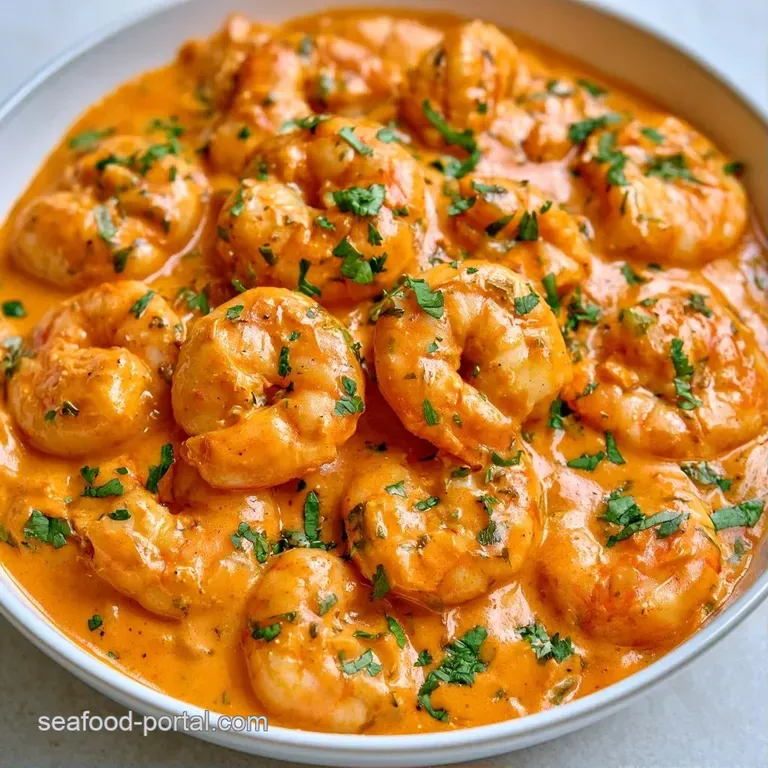
Let's get started. Keep your heat at a medium level throughout. If the coconut oil begins to smoke, briefly move the pan away from the heat.
Phase 1: Preparing the Flavor Paste
Combine the shallots, garlic, ginger, shrimp paste, and chilies in a food processor. Pulse until a coarse paste is achieved, then stir in the lime juice. Note: Avoid over-processing into a liquid; a few chunks are perfectly fine.
Phase 2: Searing the Aromatics
Warm the coconut oil over medium heat using a large skillet. Fry the curry leaves for 30 seconds until they sizzle and smell nutty. Stir in the sambal paste. Sauté for 3-5 minutes, stirring continuously, until the moisture evaporates and the oil separates from the paste.
Phase 3: Simmering the Sauce
Mix in the coconut milk, seafood stock, brown sugar, salt, and fish sauce. Bring the liquid to a gentle simmer. Let it bubble for about 5 minutes until the sauce thickens slightly and turns a deep orange red.
Phase 4: Poaching the Seafood
Carefully add the fish chunks and shrimp to the simmering sauce. Poach for 3-4 minutes until the shrimp turn pink and the fish flakes easily. Be gentle with your stirring so you don't break the fish.
Phase 5: Finishing Touches
Stir in the halved cherry tomatoes, then remove the pan from the heat immediately. The residual heat will soften the tomatoes without making them mushy. Garnish with sliced green onions and chopped cilantro.
Avoiding Kitchen Disasters
Pairing coconut milk with seafood can be challenging, as the sauce may break or the proteins can easily become tough.
Preventing Curdled Sauce
If the sauce appears grainy, it likely boiled too vigorously. Coconut milk tends to separate during a rolling boil, so aim for a gentle simmer. If this happens, a quick whisk or a small amount of warm water can often restore the texture.
Avoiding Rubbery Seafood
Overcooking shrimp is a frequent mistake; they only need a few minutes. According to USDA guidelines, seafood should hit 145°F (63°C). Visually, they are cooked through when they form a "C" shape; if they tighten into an "O", they have overcooked.
Managing Excessive Heat
Avoid using water to temper a spicy sambal, as it dilutes the overall flavor. Instead, stir in an additional teaspoon of brown sugar or a splash more coconut milk, as the fat and sugar neutralize the capsaicin.
| Problem | Fix |
|---|---|
| Sauce is too thin | Simmer for 5 more mins before adding seafood |
| Paste sticks to pan | Add 1 tbsp oil or a splash of stock |
| Seafood is tough | Reduce poaching time by 1-2 minutes |
Adjusting the Batch Size
While this recipe serves 4, it is easy to adjust the yield.
Scaling Down (Half Batch) Switch to a smaller pan so the sauce doesn't reduce too fast. Cut the simmering time by roughly 20%. Because it's hard to divide a single egg or small portions of paste, simply estimate the amount of garlic and ginger.
Scaling Up (Double Batch) Avoid doubling the fish sauce and salt right away. Begin with 1.5 times the original quantity and adjust the seasoning to taste at the finish. If your pan is small, fry the sambal paste in stages to avoid overcrowding, which would cause it to steam rather than brown.
| Premium Ingredient | Budget Alternative | Impact | Savings |
|---|---|---|---|
| Fresh Mahi Mahi | Tilapia or Cod | Slightly less firm | Moderate |
| Fresh Ginger | Ginger Paste | Slightly less zingy | Low |
| Bird's Eye Chilies | Dried Chili Flakes | Less complex heat | Low |
Debunking Curry Myths
Many assume that browning the proteins beforehand "locks in the moisture." This is a misconception; while searing develops depth through browning, it doesn't form a seal. In this Coconut Sambal Seafood Curry, poaching the fish directly in the liquid ensures a moister result.
Some suggest a 24-hour marinade for the fish. While that can enhance taste, the sambal base in this dish is potent enough that the seafood absorbs the flavor immediately during the poaching process.
Keeping It Fresh
Because this recipe uses coconut milk and seafood, handle storage with care.
Fridge Storage Keep the curry in a tightly closed container for no more than 2 days. While the taste often improves overnight, the seafood may become slightly tougher once reheated.
Freezing I suggest avoiding freezing the final dish. The coconut milk typically separates and develops a grainy texture, and the seafood doesn't hold up well. That said, you can freeze the initial sambal paste in ice cube trays to jumpstart your next preparation.
Zero Waste Tips Save your shrimp shells instead of throwing them away. Simmer them with onion and celery to create a simple seafood stock. This is far superior to store-bought versions and adds a rich layer of flavor to the base of your Coconut Sambal Seafood Curry.
Pairing Ideas
This dish is rich and spicy, so you need something to cut through the fat. Jasmine rice is the classic choice, but cauliflower rice works for a low carb version.
A side of smashed cucumber salad with rice vinegar and sesame oil provides a cool, crisp contrast to the heat. If you want another coconut based meal, my poached mahi mahi is a lighter alternative.
Creative Twists and Swaps
You can easily pivot this recipe based on what's in your freezer.
The Veggie Forward Route Swap the seafood for chunks of cauliflower, tofu, and baby corn. Just be sure to sauté the vegetables first to get some color before adding the coconut milk.
Low Carb Alternative Remove the brown sugar and use a drop of stevia or just omit it. The natural sweetness of the coconut milk is often enough if you're skipping the sugar.
The Tropical Variation Add a handful of pineapple chunks along with the cherry tomatoes. The sweetness of the pineapple plays incredibly well with the salty shrimp paste.
Decision Shortcut More tang? → fold in 1 tsp lime zest at the end Thicker sauce? → reduce coconut milk by 1/4 cup Less spice? → remove seeds from the chilies before pulsing
Right then, that's the Coconut Sambal Seafood Curry. It's bold, fast, and tastes like a trip to the coast. Trust me, once you start frying your paste until the oil splits, you'll never go back to the "boil everything" method. For more nutrition facts on the ingredients, check USDA FoodData Central.
Recipe FAQs
Would this be a great shrimp recipe for a date night?
It is perfect because it cooks in just 30 minutes total.
Tip: prep your garnishes before starting the sauce to keep the seafood hot.
How to prevent the shrimp from becoming rubbery?
Poach the seafood for only a few minutes until just cooked through.
Tip: add the fish chunks first since they typically take slightly longer than shrimp.
Does the flavor profile align with Indian curries?
This recipe follows Southeast Asian traditions using sambal and shrimp paste.
Tip: the fish sauce provides the salty depth typical of this region.
Can coconut milk be replaced with other fats?
Using heavy cream can work, similar to the base of creamy lemon garlic sauce, though you lose the authentic tropical taste.
Tip: stick to full-fat coconut milk for the best thickness.
Is it true that you can skip frying the sambal paste?
That's a myth. Sautéing the paste for 3-5 minutes is essential to remove the raw taste of garlic and shallots.
Tip: wait until you see the coconut oil separate from the paste.
What makes this version the best?
Frying the aromatics until the oil separates creates a concentrated, street-style depth.
Tip: don't rush the sauté process or the flavor will stay flat.
Which fish types are most suitable?
Firm white fish fillets hold their shape best during the poaching process.
Tip: cut the fish into uniform 1-inch chunks for even cooking.
Do bird's eye chilies always make the dish too spicy?
This one's false: the fat in the coconut milk buffers the heat for a glowing warmth.
Tip: adjust the number of chilies in the food processor to control the heat.
Coconut Sambal Seafood Curry in 30 Min