Shrimp Etouffee: the Best Classic Cajun Recipe (Velvety Smooth)
- The Ultimate Guide to Authentic Shrimp Etouffee
- Mastering the Texture: Why a Medium Roux is Crucial
- Ingredients for Classic New Orleans Shrimp Etouffee
- How to Make Shrimp Etouffee: Step-by-Step Directions
- Chef’s Secrets: Troubleshooting and Perfecting Your Dish
- Storing and Reheating Shrimp Etouffee Safely
- Traditional Serving Suggestions for Shrimp Etouffee
- Recipe FAQs
- 📝 Recipe Card
The Ultimate Guide to Authentic Shrimp Etouffee
Oh my gosh, stop everything. Have you ever been hit by the aroma of butter, toasted flour, and melting onions? That smell is the foundation of every amazing Louisiana dish, and it is totally mesmerizing. It’s deep, earthy, and promises the kind of comfort that only real, slow cooked Southern food can deliver.
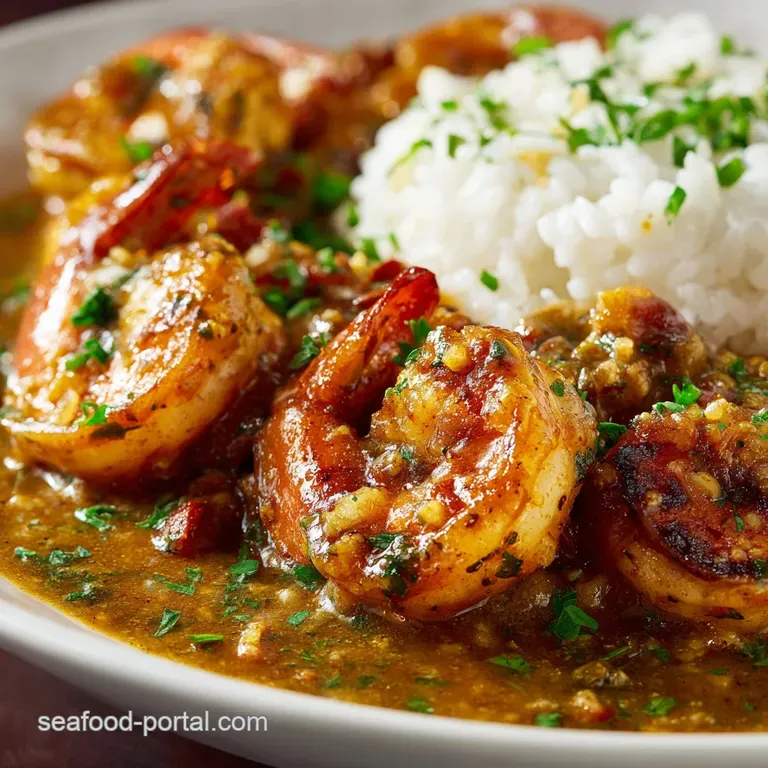
When you get this right, the sauce has this perfect, velvety texture, smothering plump, sweet shrimp.
I know the word “roux” sends some cooks running, but trust me, this Classic Shrimp Etouffee recipe is way easier than you think. It relies on simple, affordable ingredients and comes together in about an hour. It’s fast enough for a Tuesday, yet impressive enough for a dinner party.
This is a brilliant way to use up a pound of frozen shrimp and create something spectacular.
We aren't aiming for a mediocre, watery stew here. We're building serious flavour depth, managing that roux like pros, and learning how to get that perfect, creamy texture every single time. Ready to ditch the takeout and conquer the most delicious New Orleans Shrimp Etouffee you'll ever make?
Let’s crack on.
Mastering the Texture: Why a Medium Roux is Crucial
The roux is non-negotiable in Etouffee; it’s the thickener, the flavour backbone, and the colour of your dish all rolled into one. I always aim for a medium blonde or "peanut butter" colored roux for my Classic Shrimp Etouffee .
This level gives you a fantastic nutty flavour while still retaining powerful thickening ability.
Go too dark and your sauce will be thin and greasy, tasting slightly scorched. Go too light, and your Etouffee will have a raw, chalky flour taste, which nobody wants. Achieving that perfect peanut butter hue takes patience and constant stirring, but it is absolutely worth the effort.
What is Etouffee? Decoding the Louisiana Classic
Etouffee literally means "to smother" in French, which perfectly describes what this dish is all about. You are smothering fresh Gulf shrimp in a rich, thick, and highly seasoned gravy. It's often confused with Gumbo or Jambalaya, but it’s distinct.
Gumbo is typically soupier, often contains okra or filé, and relies on a darker, nuttier roux. Etouffee is pure, velvety gravy, focusing specifically on the shrimp and the rich, luxurious smothering sauce. This is what makes it one of the best shrimp recipes out there.
Difficulty & Prep Time: Setting Expectations
I classify this Easy Shrimp Etouffee recipe as medium difficulty. The main reason for the medium rating is the roux requirement; everything else is truly simple chopping and stirring.
If you can stir consistently for 10- 15 minutes without getting distracted, you can nail this dish. Plan for about 20 minutes of active prep time (chopping the trinity) and about 40 minutes of actual cook time.
You’ll be eating deliciousness in about an hour!
Essential Tools for Crafting the Perfect Etouffee Pot
You don't need fancy equipment, but one item is absolutely essential: a heavy bottomed pot or Dutch oven. I learned this the hard way when I tried to make my first roux in a flimsy stainless steel pot. The heat distribution was uneven, and the flour burned in spots while remaining raw in others.
A good Dutch oven distributes heat evenly, preventing scorching and giving you complete control over your roux. A heat resistant silicone spatula or wooden spoon is also key for scraping every bit off the bottom of the pot.
The Role of the Holy Trinity in Building Depth
The Holy Trinity onion, celery, and bell pepper is the absolute aromatic core of Cajun and Creole cooking. You cannot skip or skimp on this mixture; it forms the foundational flavour of the dish.
The moisture content in the vegetables also serves a crucial purpose: immediately adding them to the hot roux stops the cooking process dead. This prevents your roux from burning and gives you a buffer zone before adding the stock.
Achieving the Signature Creamy, Velvety Mouthfeel
The secret to that incredibly smooth, velvety texture is temperature control. You must introduce cold liquid to the hot roux base.
I made the mistake once of adding simmering stock to my hot roux, and it immediately seized up into a clumpy, grainy mess. The shock of the cold stock hitting the hot fat forces the starch granules to separate smoothly, resulting in a flawless, lump free sauce. Trust me on this.
Balancing Heat and Smoke: Seasoning the Etouffee Base
A great Cajun Shrimp Etouffee should be warm and flavorful, not aggressively hot. We achieve this balance using a quality Cajun or Creole seasoning blend, combined with dried thyme and a touch of smoked paprika.
I add a small dash of hot sauce right at the very end to brighten the flavour profile. This provides a nice acid and heat lift without making your friends immediately reach for a gallon of milk.
Ingredients for Classic New Orleans Shrimp Etouffee
We're focusing on simplicity here, letting the high-quality ingredients shine through that rich sauce.
The Four Pillars: Roux, Trinity, Stock, and Shrimp
The ingredient list is surprisingly short, emphasizing the quality of each element. You need good unsalted butter, freshly chopped trinity vegetables, flavorful seafood stock, and, of course, stellar shrimp.
This dish proves that simple cooking done right beats complicated faffing about any day of the week.
Detailed Notes on Selecting the Best Gulf Shrimp
For Etouffee, I prefer large shrimp, ideally 16/20 count. They are substantial enough to stand up to the thick sauce and don't get lost when you ladle the dish over rice. Frozen shrimp is perfectly fine, especially if you can find good quality wild caught Gulf shrimp.
Always peel and devein them, and please, pat them dry before adding them to the pot. This is similar to the prep I do for my amazing Ruths Chris Copycat Spicy Shrimp: Creamy, Buttery Steakhouse Appetizer , where dry shrimp means better flavour absorption.
Stock Choices: Using Seafood Stock for Maximum Flavor
If you want truly phenomenal Etouffee, you must use seafood or shrimp stock. It injects a deep, saline, shrimpy flavor that permeates the entire dish.
If you don't have seafood stock, the best substitute is high-quality, low-sodium chicken stock. Whatever you do, avoid vegetable stock; it simply won't have the required depth of flavor. In fact, using homemade stock is the key to elevating my Shrimp Chowder: The Best Creamy Smoked Corn Chowder Recipe , and the same principle applies here.
Alternative Spices and Herb Substitutions
What if you're missing a key ingredient? No stress! We can usually work around it.
| If you don't have... | You can use... | Note |
|---|---|---|
| Seafood Stock | Chicken Stock | Ensures the sauce still has savory depth. |
| Green Bell Pepper | Red Bell Pepper | Flavour is milder and sweeter, but still provides texture. |
| Dried Thyme | Dried Oregano | Use slightly less oregano, as it’s more potent. |
| Unsalted Butter | Vegetable Oil | Use 1:1 ratio. Warning: The flavor won't be as rich. |
How to Make Shrimp Etouffee: step-by-step Directions
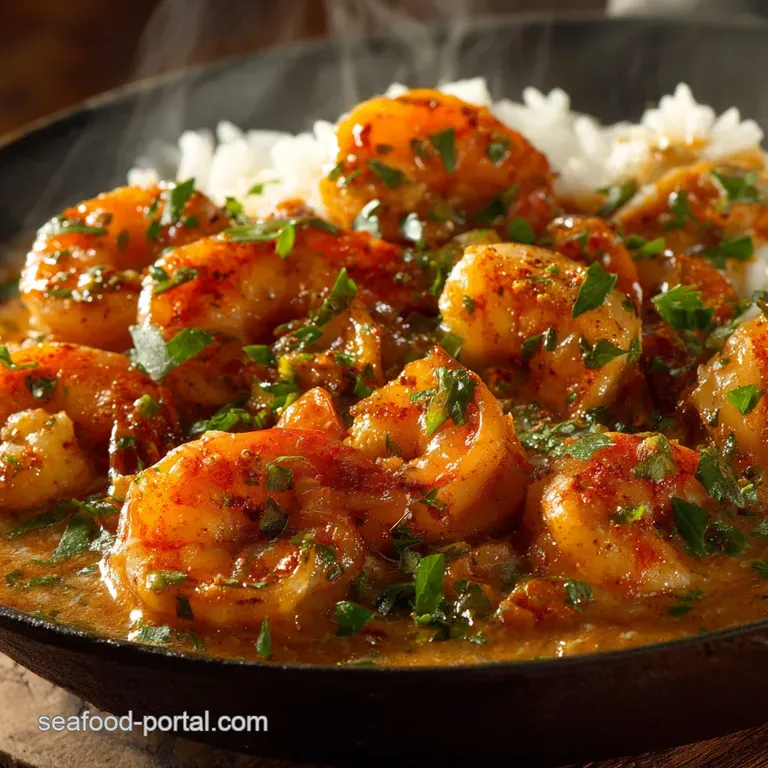
This process is broken down into four easy stages. Follow the timing closely, especially with the roux!
Stage 1: The Art of the Medium Blonde Roux
- Melt the ½ cup of butter in your heavy bottomed pot over medium heat. Once foamy, whisk in the ½ cup of flour until you have a smooth paste.
- Reduce the heat to medium low. You must stir this constantly I mean constantly —scraping the bottom corners of the pot.
- Cook for 10 to 15 minutes until the roux smells nutty and reaches the color of creamy peanut butter. Do not stop stirring, and never let it burn!
Stage 2: Sweating the Holy Trinity and Building the Base
- Immediately add the diced onion, celery, and green bell pepper (the Holy Trinity) to the hot roux. Stir well.
- Sauté the vegetables for 5– 7 minutes until they are soft and translucent. The sound should change from sizzling to a softer, gentler sound as the vegetables release moisture.
- Stir in the minced garlic, Cajun seasoning, thyme, and smoked paprika. Cook for just 1 minute until the spices are super fragrant.
Stage 3: Simmering the Sauce and Achieving Thickness
- Stir in the tomato paste and Worcestershire sauce; cook for 60 seconds to cook out the raw flavor.
- Slowly whisk in the cold seafood stock, one cup at a time. Whisk vigorously until the sauce is completely smooth and lump free.
- Bring the mixture to a gentle simmer. Reduce the heat to low, cover partially, and let it bubble away for 15 minutes, allowing all those incredible flavors to meld together.
Stage 4: Adding the Shrimp (The Final 5 Minutes)
- While the sauce simmers, lightly pat your shrimp dry and toss them with a pinch of salt and pepper.
- Gently stir the seasoned shrimp into the simmering Etouffée base.
- Cook for just 3– 5 minutes, stirring occasionally, until the shrimp are pink, curled, and opaque. Overcooked shrimp are chewy and sad!
- Remove the pot from the heat. Stir in the hot sauce. Taste the sauce and adjust salt, pepper, or additional Cajun seasoning as needed.
Chef’s Secrets: Troubleshooting and Perfecting Your Dish
I have ruined so many batches of Etouffee that I’ve learned exactly where things go sideways. Here are my biggest takeaways!
Common Mistake: Avoiding a Lumpy or Grainy Roux
This is the big one. If your sauce is lumpy, you added warm stock to a hot roux, or you rushed the roux and didn't cook out the flour.
Chef's Note: If you truly end up with a few lumps, don't panic! You can press the sauce through a fine mesh sieve or, if you're feeling brave, briefly use an immersion blender very carefully to smooth it out before adding the shrimp.
The Best Way to Defrost and Prep Shrimp
Never defrost shrimp in the microwave; it makes them tough. I throw mine in a bowl of cold water while I prep the vegetables. They thaw in about 15 minutes. Once thawed, peel them, devein them, and, crucially, lay them out on a few paper towels. Pat them completely dry.
Dry shrimp sear better and absorb seasoning faster.
Adjusting Consistency: Too Thick vs. Too Thin
If your Etouffee is too thick (it should coat the back of a spoon thickly, but still pour), add a quarter cup of stock or water at a time until it reaches that beautiful velvety consistency.
If it's too thin, remove the shrimp, and simmer the sauce uncovered for 10- 15 minutes until it reduces to your liking. The roux is a powerful thickener, so this usually isn't an issue.
Storing and Reheating Shrimp Etouffee Safely
This recipe is fantastic for leftovers, which is a major bonus!
Refrigerator Storage Guidelines
Once cooled, transfer the Etouffee to an airtight container. It keeps beautifully in the fridge for 3 to 4 days. If you find the sauce has thickened significantly upon chilling, simply add a splash of stock or water when reheating.
Can You Freeze Etouffee? (Best Practices)
But does it freeze well? You bet! While the texture of the Holy Trinity can become slightly mushier after freezing and thawing, the overall flavor of the Cajun Shrimp Etouffee remains stellar. Freeze the Etouffee in portioned, airtight containers for up to three months.
To Reheat: Thaw overnight in the refrigerator. Reheat gently on the stovetop over low heat, stirring occasionally. Avoid boiling, as this can make the shrimp tough.
Traditional Serving Suggestions for Shrimp Etouffee
The Essential Pairing: Fluffy White Rice
You absolutely must serve Shrimp Etouffee over hot, fluffy white rice. That’s the rule! Long grain white rice is traditional because it provides the perfect neutral bed to soak up every drop of that rich, velvety gravy.
I usually cook the rice just before the roux is finished so it’s piping hot and ready to go. You can also serve it with a crisp side salad dressed with a simple vinaigrette, or maybe some crusty French bread for mopping up. Want a truly spicy meal? Pair this with my super fast Korean Shrimp: Fiery Gochujang Glaze Ready in 30 Minutes appetizer!

Recipe FAQs
My Etouffee is too thin and runny. How do I thicken it without making a new roux?
If your Etouffee is too thin, it often means the liquid hasn't reduced enough or your initial roux was too light for the volume of stock. To fix this quickly, create a slurry by mixing 1 tablespoon of cornstarch with 2 tablespoons of cold water.
Whisk this mixture slowly into the simmering sauce until the desired velvety thickness is achieved.
How dark should my roux be for authentic Shrimp Etouffee?
For Etouffee, you are aiming for a medium blonde color, often described as the color of peanut butter or light copper, which usually takes 10 to 15 minutes of whisking. Avoid a dark, chocolate colored roux, as that is reserved for Gumbo and would overpower the delicate flavor of the shrimp and the rich stock base.
The medium blonde roux offers depth and serves as an excellent thickener.
Can I use other types of seafood instead of shrimp in this recipe?
Yes, absolutely. Crawfish Etouffee is the most classic alternative and uses the exact same base preparation. You can also successfully substitute with chunks of firm white fish, pre-cooked crab meat, or even diced chicken breast.
If substituting the protein, ensure you adjust the cooking time so the meat remains tender and succulent.
My shrimp turned rubbery after simmering. How can I prevent this?
Shrimp becomes tough and rubbery when it is subjected to heat for too long. To maintain perfect texture, only add the shrimp during the last 5 to 7 minutes of simmering the Etouffee. They are done the moment they curl slightly and turn fully pink and opaque, meaning they should cook rapidly just before serving.
How do I adjust the heat level to make the Etouffee milder or spicier?
The heat primarily comes from the amount of cayenne pepper used and any added hot sauce. For a milder dish, reduce the cayenne by half or omit it entirely and rely solely on black pepper for spice.
For a hotter Etouffee, gradually add small pinches of cayenne during the simmering process, always tasting as you go, or serve with a robust Louisiana hot sauce on the side.
Is it acceptable to omit one of the ingredients in the 'Holy Trinity' (onion, celery, bell pepper)?
While technically possible, omitting any component of the 'Holy Trinity' is strongly discouraged as these vegetables form the aromatic and flavor foundation of the dish. If you absolutely must, you can substitute a mild ingredient like extra onion for the bell pepper, but the complex, signature taste of the Etouffee will be noticeably less vibrant.
Can I freeze leftover Shrimp Etouffee, and how should I reheat it?
Yes, Etouffee freezes quite well in an airtight container for up to three months, although the sauce texture may be slightly looser upon thawing. Thaw the frozen Etouffee overnight in the refrigerator and reheat gently on the stovetop over low heat.
You may need to stir in a small splash of water or stock if the sauce has become too thick after freezing.
Classic New Orleans Shrimp Etouffee Recipe
Ingredients:
Instructions:
Nutrition Facts:
| Calories | 520 calories |
|---|---|
| Fat | 20 grams |
| Fiber | 4 grams |
