The Perfect Oyster Pairing Classic Shallot and Peppercorn Mignonette
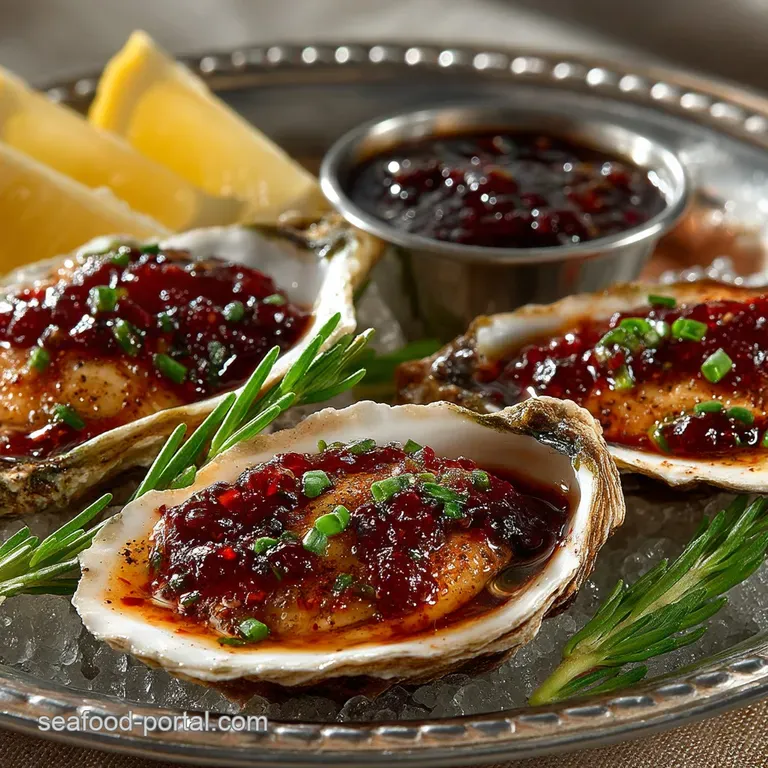
- The Essential Mignonette Sauce: Why Simplicity Triumphs
- Decoding the French Roots of the Ultimate Oyster Topping
- Sourcing Supreme Quality: What Goes Into This Classic Topping
- Preparing and Combining the Raw Ingredients
- The Crucial Chilling Period for Flavor Integration
- Mastering Your Mignonette: Troubleshooting and Pro Tips
- Recipe FAQs
- 📝 Recipe Card
The Essential Mignonette Sauce: Why Simplicity Triumphs
There are few culinary pairings as iconic as the oyster and its perfect raw condiment: the Mignonette sauce. Often misunderstood as a complex dressing, this preparation is, in fact, the epitome of streamlined perfection.
This isn't a sauce you cook; it’s a brilliant, bracing slap of flavour a necessary counterpoint to the sublime saltiness of a freshly shucked oyster. Achieving this ideal balance requires zero cooking time and only about 10 minutes of active prep, making it an incredibly easy recipe to master.
The core challenge lies purely in technique and patience, delivering a clean, sharp finish that elevates every bite.
Decoding the French Roots of the Ultimate Oyster Topping
The Mignonette sauce is an undeniable testament to the elegance of classic French cuisine. It has long served as the required accompaniment for raw seafood, specifically designed not to mask the delicate nuances of the oyster but to highlight its oceanic brine and minerality.
When seeking the best accompaniment for Oysters On The Half Shell With Mignonette, tradition dictates this specific blend of acid and aromatics.
The Critical Function of Acid in Oyster Pairing
The sharpness of vinegar is the single most important component in this Mignonette sauce recipe. Acid performs a dual function: it cuts through the sometimes creamy richness of the oyster meat and acts as a superb palate cleanser, preparing you for the next bite.
In this preparation, we achieve complexity by using a balanced blend of vinegars specifically, 1/4 cup of robust Red Wine Vinegar paired with 1/4 cup of bright, lighter Champagne or White Wine Vinegar, which prevents the final mixture from becoming one-dimensionally sharp.
Quick Preparation Time, Maximum Flavor Impact
While the simplicity of the ingredients might suggest you can serve this immediately, the secret to a great Mignonette is time. The active preparation time chopping the shallots and mixing takes a mere 10 minutes.
However, it is the mandatory chilling time, a minimum of 30 minutes, which allows the raw components to harmonize. The total time required is only about 40 minutes, ensuring maximum flavor impact without extensive kitchen labor.
What Exactly is a Mignonette?
At its heart, a Mignonette is a raw condiment composed of three essential elements: finely minced shallots, a sharp vinegar base, and freshly cracked black peppercorns. It avoids fats and oils entirely, focusing instead on delivering high impact acidity and pungent aromatics, making it the universally accepted Oyster Mignonette Recipe.
It yields approximately 3/4 cup (180 ml) of sauce, which is typically sufficient to generously serve 2 3 dozen medium oysters.
A Culinary Etymology: How the Sauce Got Its Name
The name mignonette is derived from the French term for "cute" or "delicate," but historically, it referred specifically to the mix of spices or seasonings used for pickling or peppering. Crucially, the name relates directly to the size of the ingredients.
The inclusion of coarsely cracked black peppercorns small, round, and beautifully textured is what originally gave the sauce its name, emphasizing the necessity of finely prepared elements.
Sourcing Supreme Quality: What Goes Into This Classic Topping
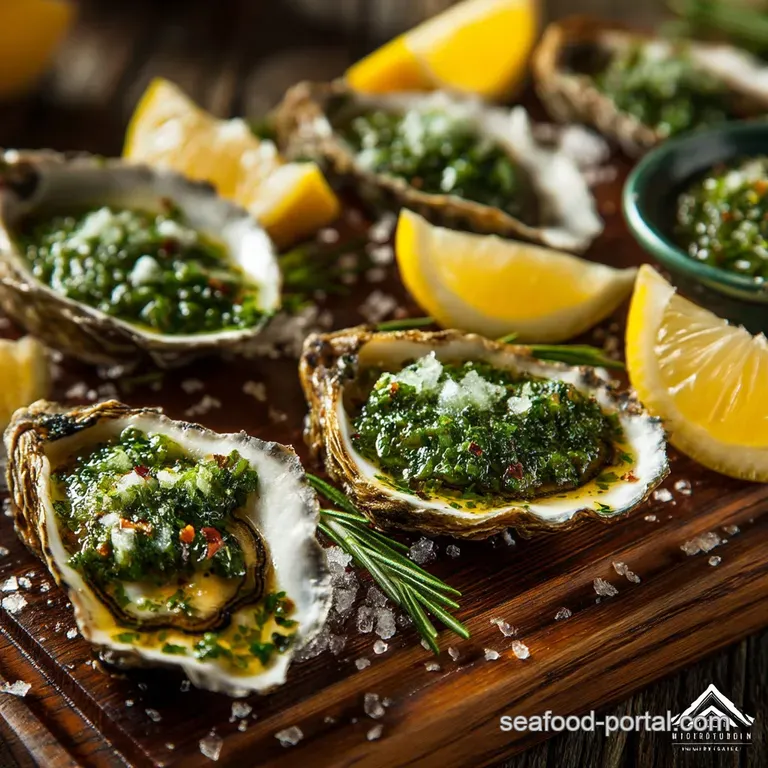
Since we are making a raw preparation, the quality of every ingredient counts. This Mignonette sauce for oysters requires a careful selection of just a few components to ensure the resulting flavor is bracing and clean, not harsh or unbalanced.
Shallots vs. Onions: Why Precision Chopping Matters
We rely on shallots (about 60 grams, or one large) because they possess a distinctively milder and sweeter flavour than common white or red onions, preventing the sauce from becoming overwhelmingly aggressive. The technique of chopping is vital: the shallots must be minced as finely and evenly as possible.
If the pieces are too large, they won't adequately soften in the acid, leading to a painfully pungent bite. Aim for pieces no larger than a grain of rice.
Selecting the Optimal Vinegar Base (Red Wine vs. Champagne)
As the vinegar forms 50% of the volume, we never compromise on its quality. For the deepest flavour profile, use a blend of 1/4 cup of good quality Red Wine Vinegar and 1/4 cup of high end Champagne or White Wine Vinegar.
The former provides subtle depth and a hint of colour, while the latter delivers the required sharp, refreshing brightness. Avoid using cheap distilled vinegar, which is far too sharp for this delicate pairing.
Essential Kitchen Tools for Effortless Mincing
To successfully execute this elegant Oyster Minionette Sauce Recipe, you need basic, yet quality, equipment. A sharp chef’s knife is non-negotiable for achieving that crucial fine mince.
You will also need a small, non-reactive bowl (glass or ceramic) for mixing and storage, as the high acidity of the vinegar can react with metal. Finally, a mortar and pestle or a high-quality pepper mill is necessary for cracking the peppercorns coarsely.
Prep Checklist: Measuring and Mise en Place
Before combining the ingredients, ensure you have measured out all components precisely. This includes the 60 grams of finely minced shallots, the 1/4 cup measures of both vinegars, and 1 tablespoon (15 ml) of whole black peppercorns, ready to be cracked.
Having everything prepped guarantees a quick and successful assembly.
Related Recipes Worth Trying
- The Best 30Minute Lemon Garlic Shrimp Pasta with White Wine Sauce — Skip the takeaway This creamy Lemon Garlic Shrimp Pasta recipe is ready in 30 minutes Learn the secret to a perfect white wine sauce emulsion that coats...
- Posh Baked Colossal Shrimp with Lemon Garlic Butter Sauce Effortless Luxury — Stop the faff This easy Baked Colossal Shrimp with Lemon Garlic Butter Sauce recipe is a guaranteed showstopper Plump colossal shrimp drenched in zesty...
- Best 30Minute Italian Shrimp Scampi Recipe with LemonGarlic Sauce — Make the Best Italian Shrimp Scampi in 30 minutes This simple recipe yields a velvety bright Italian Shrimp Scampi Sauce guaranteed to cling beautifully to...
Preparing and Combining the Raw Ingredients
Once the shallots are meticulously minced, place them into your non-reactive mixing bowl. Next, the black peppercorns must be coarsely cracked you want flakes and varying textures to release their volatile oils, not a fine powder which would make the sauce dusty.
Add the coarsely cracked pepper, the Red Wine Vinegar, and the Champagne/White Wine Vinegar to the bowl. Stir the contents vigorously to ensure the shallots are fully submerged. At this stage, you can taste the mixture and, if the acid is overwhelmingly sharp, balance it with a tiny pinch of fine sea salt (optional, as the oysters are salty) or less than 1/4 teaspoon of sugar.
This simple combining process is the core of How To Make Oyster Mignonette.
The Crucial Chilling Period for Flavor Integration
After mixing, cover the bowl tightly and move the Mignonette sauce to the refrigerator for chilling. This is a critical step that must not be skipped. A minimum of 30 minutes is required, though chilling for 1– 2 hours provides the absolute best results.
This rest period is where the raw, individual flavours morph into the harmonious, complex condiment we desire.
Technique for Achieving the Perfect Shallot Mince (Finely Diced)
The success of your Mignonette sauce hinges on the quality of the mince. The pieces must be almost paste like or, at the very least, exceptionally fine. If the shallots are too chunky, the acid cannot sufficiently penetrate and soften them, resulting in an overly pungent, harsh texture that detracts from the smooth oyster.
Infusing the Mignonette Sauce: step-by-step Mixing
The mixing step ensures that the sharp vinegar immediately starts its work. By stirring vigorously, the high concentration of acid begins the process of softening the shallot cells and drawing out the essential aromatic oils from the freshly cracked peppercorns.
Why Resting Time Elevates the Final Flavor Profile
Resting allows the acidic component to mellow the pungency of the raw shallots, transforming them from sharp, crunchy irritants into smooth, slightly pickled flavor bursts. Simultaneously, the oils from the pepper fully infuse the vinegar base, guaranteeing that every spoonful offers both brightness and spice, achieving the mellow complexity necessary for pairing Oysters With Mignonette.
Final Service: Presentation and Pairing
Just before serving, give the chilled Mignonette sauce a final, quick stir. It must be served ice-cold alongside freshly shucked oysters arranged on a bed of crushed ice. Provide guests with a small teaspoon so they can carefully spoon a modest amount directly onto the oyster meat.
This vibrant condiment pairs flawlessly with ice-cold, dry Champagne or a crisp Sauvignon Blanc.
Mastering Your Mignonette: Troubleshooting and Pro Tips
Achieving the perfect Mignonette sauce is largely about respecting the ingredients and the process. The number one mistake home cooks make is skipping the chilling time; if you do, the sauce will taste aggressive, like undiluted vinegar.
Adjusting the Heat: Grinding Pepper for Maximum Aroma
The quality of the pepper is non-negotiable for any excellent Mignonette sauce for oysters. You must use whole peppercorns and crack them just before mixing. Pre-ground pepper has already lost its crucial volatile oils, resulting in a dusty, dull heat instead of the bright, sharp spice required.
Use a coarse setting on your mill or a mortar and pestle to achieve rough flakes.
Smart Storage: Keeping Your Mignonette Fresh and Bracing
Since this is a vinegar based, raw sauce, it stores remarkably well. Keep the Mignonette sauce refrigerated in an airtight, non-reactive container. It remains bracingly fresh for up to three days.
Note that the shallots will continue to soften the longer they sit, which slightly changes the texture but often deepens the flavor.
Non-Oyster Applications: Serving This Sauce with Other Seafood
While the Mignonette sauce recipe is fundamentally linked to oysters, its clean, sharp profile makes it a highly versatile addition to any cold seafood platter. Try serving it alongside cold cooked prawns, crab claws, or even using a dash to brighten a simple white fish ceviche.
It’s an ideal component for a large plateau de fruits de mer .
Injecting Heat: Using Chilies for a Spicier Blend
For those who enjoy a coastal kick, the traditional Mignonette base handles added heat beautifully. Try finely mincing one small Thai bird chili (seeds removed for slightly less heat) or 1/2 teaspoon of jalapeño and stirring it in with the shallots before the chilling period.
This spicy variation offers an exciting twist to the classic flavour profile.
Herbaceous Twists: Integrating Dill or Chive
If you desire an herbaceous layer in your Oyster Mignonette Recipe, fresh herbs can be added just before serving. A tablespoon of finely chopped chives is particularly recommended for a subtle, earthy onion lift, or flat leaf parsley and tarragon can also provide a sophisticated, fresh note.
Calculating Nutritional Information (Per Tablespoon Serving)
This classic condiment is naturally light and refreshing. Based on a standard serving size of one tablespoon (and assuming 6 servings total), the Mignonette sauce is incredibly low-calorie, clocking in at approximately 15 kcal.
It contains virtually zero fat and protein, with about 3 grams of carbohydrates, and less than 5 mg of sodium, provided no additional sea salt is included in the mixture.
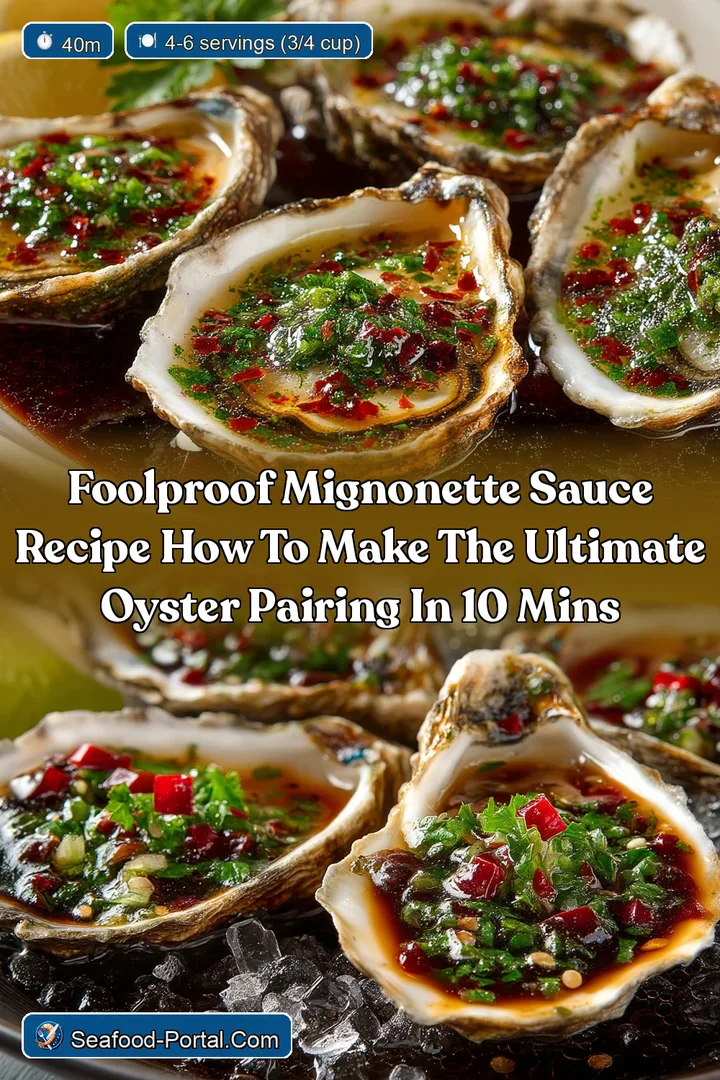
Recipe FAQs
I’m hosting a dinner party. Can I make this Mignonette sauce the day before, or is it best served freshly made?
Absolutely! In fact, making Mignonette sauce ahead of time is highly recommended, like getting the roast potatoes par-boiled the day before. Letting it sit in the fridge for 4 24 hours allows the sharp acid to thoroughly mellow the shallots and the pepper oils to infuse properly.
Just give it a good stir before serving, ensuring everything is thoroughly chilled it should be bracingly cold when it meets the oysters.
My shallots taste really aggressive and harsh, even after chilling. Have I gone wrong somewhere?
Don't panic! The key culprit here is usually the mince. If your shallot pieces are too chunky (think large dice instead of fine confetti), the vinegar won't be able to "pickle" them enough, leaving them overly pungent and harsh to bite into.
Ensure you’ve cracked the pepper coarsely, not finely ground it, and let the mixture sit for longer sometimes a full 2 hours in the fridge is necessary to truly tame the flavour.
I’ve run out of red wine vinegar. Is it OK to substitute with standard malt vinegar, or can I add herbs?
Hold your horses! Malt vinegar is usually far too robust and malty for the delicate flavour of oysters that's best left for the fish and chip shop. Stick to high-quality alternatives like Champagne vinegar, decent White Wine vinegar, or even fresh lime juice for a vibrant, bright lift.
Fresh herbs like chives or tarragon are a brilliant optional extra; stir them in just before serving to maintain their colour and crisp flavour.
What if I don't eat oysters? Are there any other good uses for classic Mignonette sauce?
While the Mignonette is famously the oyster’s best friend, it works brilliantly as a sharp, acidic dressing for other cold seafood. Try drizzling a little over peeled, chilled prawns, or mixing it into a delicate crab salad for an instant zing.
Because it’s essentially a high-quality vinaigrette, it also pairs beautifully with thinly sliced cured meats like prosciutto, offering a great acidic foil.
Why do people prefer this simple Mignonette sauce over something punchier, like horseradish cocktail sauce, when eating oysters?
That's a fair point! Mignonette sauce is designed to enhance the oyster, not dominate it. It brings a clean, sharp, acidic cut that balances the saltiness and richness without masking the oyster's unique terroir.
Cocktail sauce, with its fiery horseradish and bold ketchup base, is a bit of a bully; it tends to overpower the subtle, delicate nuances of a finely sourced oyster, making everything taste the same.
Classic Mignonette Sauce For Oysters
Ingredients:
Instructions:
Nutrition Facts:
| Calories | 225 kcal |
|---|---|
| Protein | 2.6 g |
| Fat | 6.0 g |
| Carbs | 20.3 g |
| Fiber | 1.8 g |
| Sodium | 70 mg |
