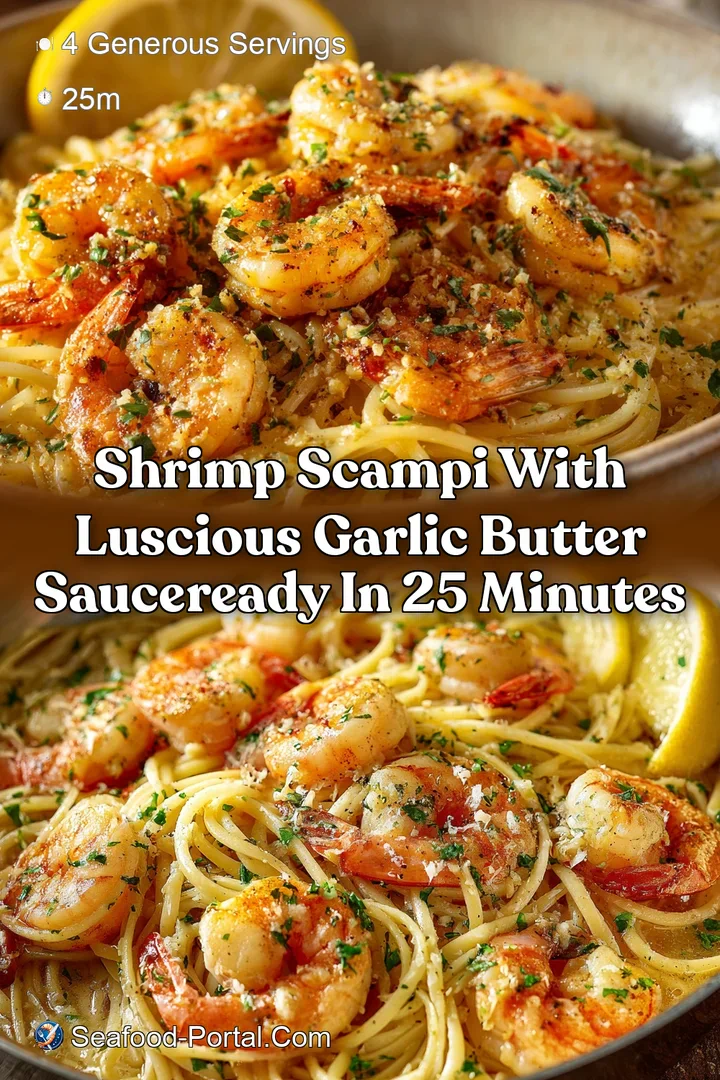
Shrimp Scampi: Restaurant-Quality Pasta in Just 25 Minutes

- The Ultimate 25 Minute Shrimp Scampi: A Weeknight Masterpiece
- The Science of Scampi: Why This Recipe Works
- Essential Ingredients for Classic Shrimp Scampi
- Ingredient Swaps and Expert Alternatives
- How to Cook The Chef’s Classic Shrimp Scampi: Step-by-Step
- Chef’s Troubleshooting: Tips and Common Shrimp Scampi Mistakes
- Storing Leftover Scampi Safely
- What to Serve with Shrimp Scampi
- Recipe FAQs: The Chef's Classic Shrimp Scampi
- 📝 Recipe Card
The Ultimate 25 Minute Shrimp Scampi: A Weeknight Masterpiece
When that garlic hits the hot oil, releases its perfume, and mingles with the sharp zest of lemon and the sweet steam of butter, you instantly know this is going to be a good night. The aroma alone is a culinary hug, promising a dish that tastes complex and luxurious.
This isn’t the oily, heavy scampi you find in sad chain restaurants; this is bright, fresh, and totally addictive.
Honestly, Shrimp Scampi is my go-to panic button dinner because it’s ridiculously fast, genuinely cheap, and always impressive. You can pull this meal off faster than ordering takeout, making it the ultimate weeknight lifesaver when you realize you have zero dinner plans.
It feels fancy, but your actual hands-on cooking time is maybe ten minutes, tops.
I’ve made every mistake possible with this recipe burnt garlic, separated sauce, rubbery shrimp. Now I know the secrets, and I’m ready to share the streamlined method that guarantees a silky, flavor packed sauce that clings perfectly to your linguine. Let's crack on, shall we?
The Science of Scampi: Why This Recipe Works
What Makes This Shrimp Scampi Recipe Different?
We are going for texture and balance here, not just volume. Many recipes just pile on butter and call it a day, resulting in a greasy mess that pools on the plate. My method uses specific temperature control and an emulsification technique that makes the sauce feel rich and velvety without being heavy.
Garlicky Goodness in Under Half an Hour
Speed is crucial to preserving the integrity of the seafood and the freshness of the lemon. By cooking the pasta simultaneously and searing the shrimp before making the sauce, we lock in flavor and ensure the shrimp aren't simmering for 15 minutes, turning them into sad, rubbery chew toys.
The shrimp only need a minute or two of finish time in the simmering sauce.
The Secret to the Perfect Sauce Emulsion
This is where the magic happens. We build the sauce by incorporating cold butter into the warm wine and lemon juice base, but crucially, this happens off high heat.
You are basically creating a pan sauce variation of monte au beurre , where the tiny fat globules are suspended in the liquid, thickening it into a glossy, stable sauce. It coats the pasta flawlessly.
Chef's Note: The cold butter technique is non-negotiable for a professional, glossy finish. Adding warm or melted butter to a warm liquid will just make an oily separation.
Maximizing Flavor with Zest and Acid
Never forget the zest! Lemon juice gives you acidity, which is great for cutting through the richness, but the zest delivers the actual concentrated lemon flavor and aroma. Adding the zest near the end preserves those delicate oils.
Why Butter and Olive Oil Must Co-Exist
Olive oil is great for building the initial aromatic base because it has a high smoke point and a fantastic flavor foundation. But butter adds that necessary richness and smoothness required for the classic scampi mouthfeel. Starting with oil and finishing heavily with butter provides the best of both worlds.
The Importance of Deglazing with White Wine
Deglazing is essentially using a liquid to scrape up the browned bits, or fond , that stick to the bottom of the pan after searing the shrimp. That brown residue is pure, concentrated flavor (it's called the Maillard reaction, nerd alert!).
When you introduce the dry white wine, it captures that flavor, and as it reduces, the flavor intensifies.
Essential Ingredients for Classic Shrimp Scampi
- Shrimp: 1.5 lbs, large (16/20 count), peeled and deveined.
- Pasta: 1 lb Linguine or Spaghetti.
- Fat: 6 Tbsp Unsalted Butter, 1/4 cup Extra Virgin Olive Oil.
- Aromatics: 6 cloves Fresh Garlic (minced), 1 medium Shallot (minced).
- Liquid: 1/2 cup Dry White Wine (Pinot Grigio or Sauvignon Blanc), 1 cup Reserved Pasta Water.
- Acidity/Kick: 3 Tbsp Fresh Lemon Juice, 1 tsp Lemon Zest, 1/2 tsp Red Pepper Flakes.
- Finish: 1/4 cup Fresh Parsley, Salt, and Black Pepper.
Ingredient Swaps and Expert Alternatives
Choosing the Right Shrimp (Size and Preparation)
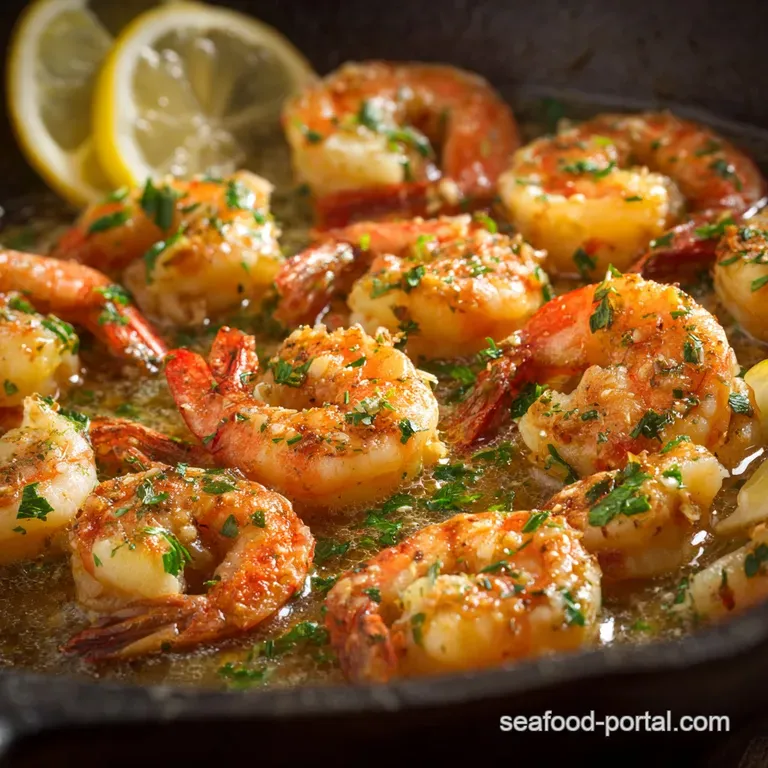
Use large shrimp (16/20 or 21/25 per pound), please! Smaller ones cook way too fast and are impossible to keep from turning rubbery. Always pat the shrimp bone dry before seasoning; wet shrimp equals steamed shrimp, and we want a beautiful, quick sear.
Selecting the Best Dry White Wine
You need a crisp, dry wine like a Pinot Grigio, Sauvignon Blanc, or unoaked Chardonnay. The rule is simple: if you wouldn't drink it, don't cook with it. Avoid "cooking wines" at all costs because they contain salt and preservatives that ruin the delicate flavor of the sauce.
The Freshness Factor: Garlic, Parsley, and Lemon
This dish lives and dies by fresh ingredients. Do not use pre-minced jarred garlic; it tastes bitter and metallic after cooking. Similarly, fresh parsley provides a bright, clean, herbaceous counterpoint that dried herbs simply cannot achieve.
Wine Alternatives: Cooking with Broth vs. Water
If you absolutely must skip the wine, use low-sodium chicken or vegetable stock. To replace the necessary acidity, add a dash of white wine vinegar or increase the lemon juice to 4 tablespoons. The reduction step is still necessary to intensify the stock's flavor.
| Ingredient | Viable Substitution | Why It Works |
|---|---|---|
| Dry White Wine | Low-Sodium Chicken Stock + 1 tsp White Wine Vinegar | Mimics the liquid volume and adds necessary acidity. |
| Shallots | 1/4 small Yellow Onion, finely minced | Provides the sweet, oniony depth that a pure garlic base lacks. |
| Linguine | Spaghetti, Angel Hair, or Fettuccine | All handle the sauce well, though linguine is traditional. |
| Unsalted Butter | Salted Butter (adjust final salt carefully!) | Fat is fat, but you lose control over seasoning. |
Using Frozen vs. Fresh Shrimp
Frozen shrimp are perfectly fine, often better than "fresh" shrimp at the counter (which were probably frozen and thawed anyway). Just be sure to thaw them fully overnight in the fridge, or quickly under cool running water, and pat them completely dry before use.
Can I Skip the Red Pepper Flakes?
Yes, if you hate spice, omit them entirely. However, even a small amount of red pepper flakes adds a beautiful, subtle warmth that balances the acidity of the lemon without making the dish spicy. Trust me, they enhance the flavor profile dramatically.
How to Cook The Chef’s Classic Shrimp Scampi: step-by-step
Step 1: Preparing the Aromatics and Base Oil
Start your pasta water right away and cook the linguine until it is just shy of al dente . Before draining, scoop out 1 cup of starchy pasta water and set it aside this is your magic sauce thickener.
Meanwhile, in your large skillet, heat 1 Tbsp of olive oil and 2 Tbsp of butter over medium high heat.
Step 2: Searing the Shrimp Perfectly (The One-Minute Rule)
Add the dry, seasoned shrimp to the hot skillet, ensuring they are in a single layer. Sear them for only 60 90 seconds per side until they just start to turn pink. They should still be slightly translucent in the center. Remove the shrimp immediately to a clean plate.
If you overcrowd the pan, you will steam the shrimp, so work in batches if necessary.
Step 3: Building the Emulsified Lemon Garlic Sauce
Reduce the heat to medium low. Add the remaining olive oil, shallots, and red pepper flakes to the pan. Cook gently for about two minutes until the shallots soften. Now, stir in the minced garlic and cook for only 30 45 seconds until it smells nutty and delicious. Crucially, do not let it turn brown!
Deglaze the pan by pouring in the white wine. Increase the heat to medium and scrape up all those browned bits on the bottom. Let the wine simmer and reduce by half, about two minutes.
Step 4: Finishing and Tossing for Maximum Coating
Remove the pan from the heat entirely. Whisk in the lemon zest and lemon juice. Then, add the remaining 4 Tbsp of cold butter, one tablespoon at a time, whisking constantly until the butter is fully melted and incorporated into a beautiful, glossy emulsion.
Add the pasta and the slightly undercooked shrimp back into the skillet. Toss everything together vigorously to coat the pasta in the sauce. If the sauce looks too thick, pour in some of that reserved pasta water until it reaches that perfect, clinging consistency.
Cook for one final minute until the shrimp are fully opaque, stir in the fresh parsley, adjust the seasoning, and serve immediately.
Chef’s Troubleshooting: Tips and Common Shrimp Scampi Mistakes
Preventing Overcooked, Rubbery Shrimp
This is the number one failure point. The fix is simple: treat the shrimp like a steak. Sear it briefly and remove it before it's done. The residual heat and the final minute of simmering in the hot sauce will finish the cooking process perfectly.
Never boil or simmer the shrimp in the sauce for more than two minutes.
How to Fix a Broken or Oily Sauce
If your sauce breaks (separates into an oil slick and watery liquid), it means the heat was too high when you added the butter, or you added too much fat too fast. The quick fix? Whisk in a tablespoon of the reserved cold pasta water (it’s starchy!) off the heat. Whisk aggressively for thirty seconds; the starch helps bind the emulsion back together. If you prefer a richer, creamier scampi, you might enjoy my recipe for Cheesecake Factory Shrimp Scampi: Rich, Creamy Linguine Copycat , which uses heavy cream.
Mastering the Art of Garlic Sautéing (No Burning!)
Burned garlic is bitter, and it will ruin the entire dish. I once burnt a whole head's worth of garlic and had to start over. It was a tragedy! The secret is adding the garlic after the shallots have softened and cooking it over medium low heat for less than one minute. You want fragrant, not browned.
Storing Leftover Scampi Safely
Refrigeration Guidelines for Cooked Seafood
Leftover shrimp scampi should be stored in an airtight container and refrigerated immediately. It is generally safe for up to 2 days. Because scampi is built on fresh, quickly cooked seafood, I strongly advise against freezing the finished dish; the pasta texture and the sauce emulsion will degrade upon thawing.
Best Method for Reheating Shrimp
DO NOT microwave it. Microwaving reheated shrimp is a direct path to rubbery misery. The best way to reheat scampi is to warm it gently in a skillet over low heat, adding a splash of fresh chicken broth or white wine to loosen the sauce.
Cook just until the sauce is warmed through and the shrimp are steaming (about 3- 4 minutes).
What to Serve with Shrimp Scampi
Scampi is rich and zesty, so you need sides that are simple, fresh, and maybe a little crunchy.
- Crusty Bread: Essential for mopping up that divine garlic sauce. Get a fresh baguette.
- Simple Green Salad: A peppery arugula salad with a light vinaigrette cuts through the richness beautifully.
- Roasted Asparagus or Zucchini: A simple vegetable side roasted with salt, pepper, and olive oil offers a nice contrast.
Ideal Pasta Pairings (Linguine vs. Angel Hair)
Linguine is my top choice because its flat surface area is perfect for catching and holding the emulsified scampi sauce. However, Angel Hair or thin spaghetti is great if you like a lighter mouthfeel, or try Fettuccine if you want something heartier. If you’re looking for a slightly different kind of seafood pasta, check out my recipe for Cajun Shrimp Pasta: The Best Creamy One-Pan Dinner in 35 Mins , which is a totally different flavor profile!
Recipe FAQs: The Chef's Classic Shrimp Scampi
How can I prevent my sauce from breaking or becoming oily?
A broken sauce usually indicates the ingredients were heated too high or too quickly. To achieve a perfectly emulsified, luscious sauce, ensure you incorporate cold butter chunks slowly off the direct heat while tossing vigorously.
The key binding agent is the starch from the reserved pasta water, which helps the fats and liquids merge into a creamy consistency.
My shrimp came out rubbery. What did I do wrong?
Rubberiness is the definitive sign of overcooked protein. Shrimp cooks incredibly quickly, usually needing only 2 3 minutes total per side until they turn opaque pink and curl into a loose 'C' shape.
Remove the shrimp from the heat immediately when they hit this stage, as residual heat will continue the cooking process, guaranteeing a tender result.
Can I skip the dry white wine, and if so, what should I use instead?
Yes, you can substitute the wine, though it will alter the depth of the flavor profile. Replace the wine volume with low-sodium chicken broth to deglaze the pan and then add an extra half teaspoon of fresh lemon juice to maintain the necessary brightness and acidity.
What is the best type of shrimp to use for Scampi?
For the best texture and visual appeal, always use raw, peeled, and deveined large shrimp (sizes 21/25 or larger). If using frozen shrimp, thaw them completely and pat them thoroughly dry before cooking to ensure a proper sear and prevent excess moisture from watering down the finished sauce.
How should I store and reheat leftover Shrimp Scampi?
Store leftovers in an airtight container in the refrigerator for up to 3 days, separating the pasta from the sauce/shrimp if possible. The best method for reheating is gently in a skillet over medium low heat; add a tablespoon of chicken stock or water to the pan to revitalize the sauce and prevent the shrimp from drying out.
I want a low-carb alternative to pasta. What pairs well with Scampi sauce?
Shrimp Scampi pairs beautifully with several low-carb options, including zucchini noodles (zoodles), spaghetti squash, or simply sautéed asparagus spears. If utilizing zoodles, only toss them in the hot sauce for the last 30 seconds, as excessive heat will cause them to weep water and dilute the sauce base.
How can I make the Scampi sauce taste even brighter and zestier?
To maximize the zesty flavor, use both the lemon zest and the fresh juice, adding the zest earlier when melting the butter to release its essential oils. Adding a generous pinch of finely chopped red pepper flakes also provides a subtle, necessary heat that elevates the brightness and contrasts beautifully with the garlic and butter.
Classic 25 Minute Shrimp Scampi Recipe
Ingredients:
Instructions:
Nutrition Facts:
| Calories | 139 kcal |
|---|---|
| Protein | 4.0 g |
| Fat | 10.0 g |
| Carbs | 11.0 g |
