Spicy Braised Chinese Duck Necks Recipe
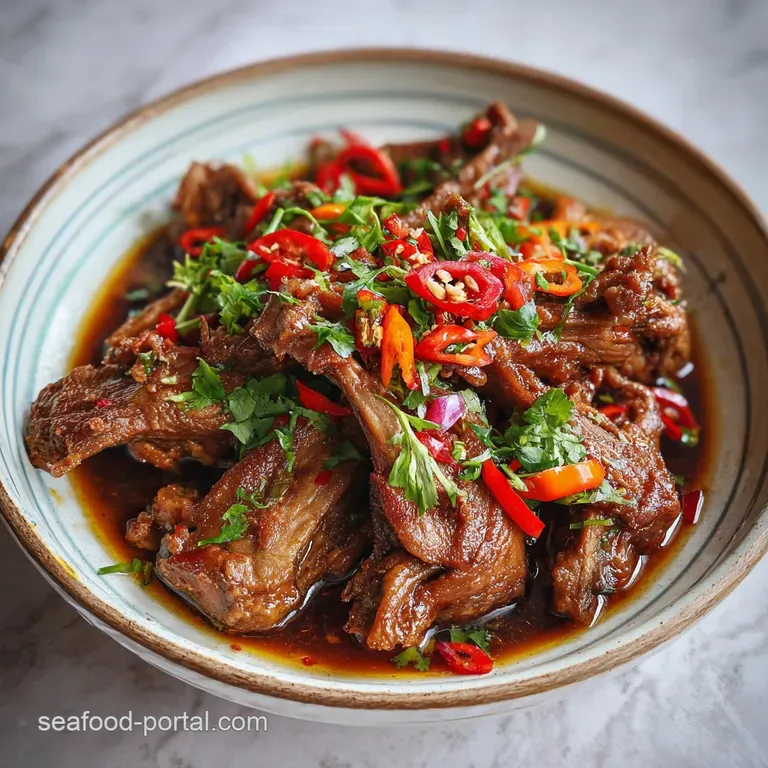
- Time: Active 15 minutes, Passive 45 minutes, Total 1 hour
- Flavor/Texture Hook: Spicy, numbing, and glossy tender
- Perfect for: Late night snacking, game day, or an adventurous appetizer
- Authentic Bold Chinese Duck Necks Recipe
- Science of the Sichuan Tingling Sensation
- Timing Your Spicy Duck Snack
- Bold Aromatics for Braised Duck
- Essential Gear for Braising Necks
- Step-by-Step Bold Braising Guide
- Fixing Your Braised Duck Flaws
- Customizing Your Sichuan Spice Level
- Myth: Blanching Is Optional
- Keeping Your Duck Necks Fresh
- Serving Your Street Style Duck
- Recipe FAQs
- 📝 Recipe Card
Honestly, you haven't lived until your kitchen smells like a Wuhan night market. The second those Sichuan peppercorns hit the hot liquid and that star anise starts to bloom, you’ll know exactly what I’m talking about.
We’re making a bold Chinese duck necks recipe today, and trust me, it’s nothing like the bland stuff you find in some plastic packed imports.
I used to be intimidated by Chinese offal recipes, thinking they required some secret ancestral knowledge. But after a few experiments, some scorched chilies, and a lot of taste testing, I realized it's all about the balance of heat, salt, and that incredible numbing sensation.
This isn't just a snack; it's a sensory experience that leaves your lips buzzing and your soul satisfied.
We’re going to nail that dark, glossy finish and the perfect chew. No rubbery skin here, just tender meat that pulls away from the bone with just the right amount of resistance. If you've been looking for an easy Chinese duck recipe that actually packs a punch, you've found it.
Let’s get into the grit of how to make these duck necks recipe staples.
Authentic Bold Chinese Duck Necks Recipe
The Chinese duck necks recipe relies on a process called braising, which is basically a low and slow bath in a flavor packed liquid. This duck necks recipe isn't just about cooking the meat; it's about infusing every fiber with the complex notes of ginger, cinnamon, and cloves.
When we talk about Chinese duck necks, we’re talking about a dish that prioritizes the "Mala" flavor profile numbing and spicy.
The Science of Why it Works
Protein Denaturation: Low, consistent heat gently breaks down the tough connective tissue in the neck without drying out the small amount of lean meat. Capasicin Solubility: The oils in the duck skin help dissolve the heat from the dried chilies, spreading the spice evenly across your palate instead of just burning your tongue.
- Collagen Breakdown: Duck necks are packed with collagen, which turns into silky gelatin after about 45 minutes of simmering.
- Osmotic Balance: The high salt content in the Lee Kum Kee light soy sauce draws the aromatics deep into the bone marrow.
- Sugar Caramlization: Rock sugar provides a glossy sheen and a mellow sweetness that offsets the intense Sichuan peppercorns.
- Maillard Reaction: Blanching the necks first removes impurities while preparing the surface for better flavor absorption.
Science of the Sichuan Tingling Sensation
| Ingredient | Science Role | Pro Secret |
|---|---|---|
| Sichuan Peppercorns | Contains hydroxy alpha sanshool for numbing | Toast them in a dry Lodge cast iron skillet first to release essential oils. |
| Rock Sugar | Increases viscosity and adds a glass like shine | Don't swap for granulated sugar; rock sugar creates a cleaner, less cloying sweetness. |
| Shaoxing Rice Wine | Denatures proteins and neutralizes "gamey" odors | Always add it to the blanching water to strip away unwanted surface fats. |
| Dark Soy Sauce | Provides Maillard driven color and deep molasses notes | It’s more for the deep mahogany look than the actual saltiness. |
Timing Your Spicy Duck Snack
For this Chinese duck necks recipe, precision is your best friend. I’ve timed this down to the minute because overcooking leads to mushy skin, and undercooking leaves you with a rubbery mess. We’re aiming for that 45 minute sweet spot where the meat is tender but still has a "bounce."
| Feature | Classic Braise | Quick Pressure Cooker |
|---|---|---|
| Cook Time | 45 minutes | 18 minutes |
| Texture | Velvety and layered | Soft but less structural integrity |
| Flavor | Intense and concentrated | Mildly infused |
Bold Aromatics for Braised Duck
You’ll need 2 lbs duck necks, skin on, cut into 3 inch segments for this Chinese duck necks recipe. I prefer getting mine from a local Asian butcher where they’re fresh, not frozen. The skin on part is non negotiable that’s where all the flavor lives. If you like the technique here, you might also enjoy the crunch in my Southern Fried Catfish recipe, which also plays with salt and fat balance.
- 50g fresh ginger, smashed: Why this? Provides a sharp, earthy base that cuts through the rich duck fat. (Substitute: 1 tbsp ginger paste, but it won't be as aromatic)
- 4 stalks scallion, tied in a knot: Why this? Infuses a sweet, oniony aroma without making the sauce messy. (Substitute: Half a white onion)
- 5 cloves garlic, crushed: Why this? Adds a foundational savory note that bridges the spices. (Substitute: 1 tsp garlic powder, but fresh is king)
- 2 tbsp Shaoxing rice wine: Why this? Essential for removing the "raw" smell of the poultry. (Substitute: Dry sherry)
- 20 pieces dried Sichuan Erjingtiao chilies: Why this? These give the classic red color and a manageable, fruity heat. (Substitute: Thai bird's eye chilies if you want it deadly hot)
- 2 tbsp Sichuan peppercorns: Why this? The source of the "Ma" or numbing sensation. (Substitute: None, this is essential for the profile)
- 3 pieces star anise: Why this? Gives a faint licorice note that is signature to Chinese cooking duck necks. (Substitute: 1/2 tsp fennel seeds)
- 1 stick cinnamon: Why this? Adds warmth and a subtle woody sweetness. (Substitute: 1/2 tsp ground cinnamon in a pinch)
- 3 pieces bay leaves: Why this? Helps brighten the heavy braising liquid. (Substitute: Dried oregano)
- 1 tsp whole cloves: Why this? Intense spice that lingers in the back of the throat. (Substitute: Allspice berries)
- 1 piece black cardamom (Cao Guo), cracked: Why this? Offers a smoky depth you can't get elsewhere. (Substitute: Green cardamom)
- 0.5 cup Lee Kum Kee light soy sauce: Why this? The primary salt source and umami builder. (Substitute: Tamari for gluten-free)
- 2 tbsp Amoy dark soy sauce: Why this? Purely for that gorgeous, dark mahogany color. (Substitute: Extra light soy and a pinch more sugar)
- 30g rock sugar: Why this? Balances the spice and gives the necks a glossy finish. (Substitute: 2 tbsp honey)
- 4 cups water: Why this? The medium for all the magic to happen. (Substitute: Low sodium chicken stock)
Essential Gear for Braising Necks
You don't need a high tech lab, but a heavy bottomed pot like a Lodge Dutch Oven is a game changer for maintaining a steady simmer. I’ve tried using thin stainless steel pots, and the sugar tends to scorch at the bottom, which ruins the whole batch of Chinese duck necks.
Chef's Tip: Use a "spice ball" or a piece of cheesecloth for the smaller spices like cloves and peppercorns if you don't want to pick them out of your teeth later.
step-by-step Bold Braising Guide
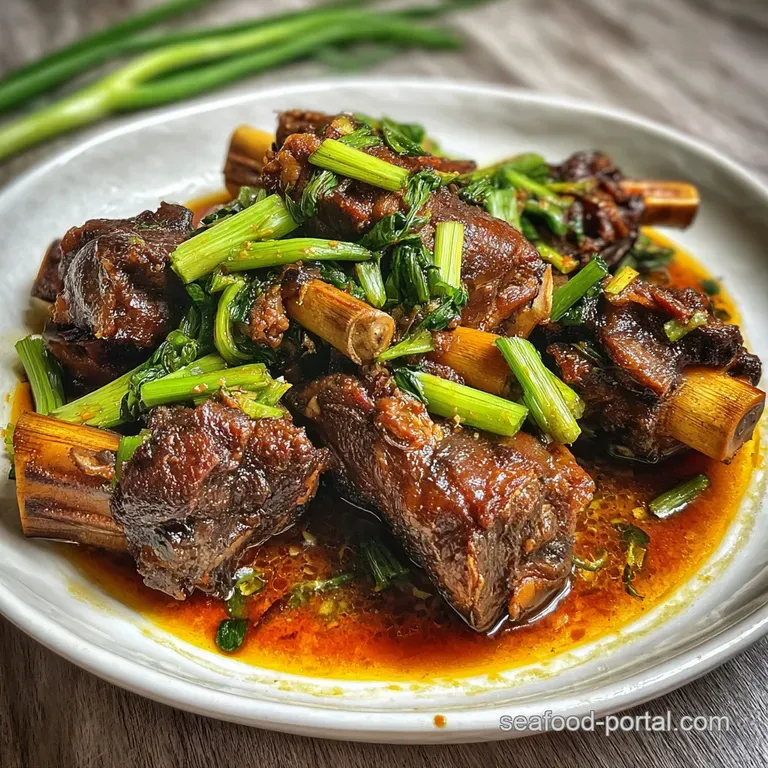
- Blanch the duck. Place the 2 lbs duck necks in a pot of cold water with a few slices of ginger and half the Shaoxing wine. Note: Starting with cold water helps draw out the blood and impurities more effectively than boiling water.
- Boil and skim. Bring to a boil for 5 minutes until a grey foam rises to the surface.
- Clean the necks. Drain and rinse the necks under cold running water. Note: This stops the cooking and removes any stuck on scum.
- Toast the aromatics. In your Lodge Dutch Oven, sizzle the remaining ginger, garlic, and scallions in a splash of oil until the garlic is golden and fragrant.
- Build the base. Add the dried chilies, Sichuan peppercorns, star anise, cinnamon, bay leaves, cloves, and cracked black cardamom.
- Deglaze the pot. Pour in the 0.5 cup light soy sauce and 2 tbsp dark soy sauce. Note: Let the soy sauce sizzle for 30 seconds to wake up the fermented flavors.
- Add liquid. Pour in the 4 cups water and add the 30g rock sugar.
- Simmer the necks. Add the cleaned duck necks back into the pot and bring to a boil, then immediately turn down to a low simmer.
- Cook thoroughly. Cover and simmer for 45 minutes until the meat is tender but still clings to the bone.
- Cool in liquid. Turn off the heat and let the necks sit in the braising liquid for at least 1 hour. Note: This is where the real flavor penetration happens as the meat cools and "drinks" the broth.
Fixing Your Braised Duck Flaws
Even the best of us hit a snag sometimes. One mistake I once made was forgetting to crack the black cardamom the flavor just stayed trapped inside! If you run into issues with your Chinese duck necks recipe, don't panic. For a more familiar comfort meal while you troubleshoot, look at my Chicken and Rice Soup recipe.
Tough Texture Recovery Steps
If your duck necks recipe results in a rubbery texture, it’s usually because the simmer was too aggressive. High heat tightens the muscle fibers. The fix? Drop the temp and give it another 15 minutes.
Salty Liquid Correction Method
Sometimes the soy sauce reduces more than expected. If it tastes like a salt lick, don't toss it. Add half a cup of water and 10g more rock sugar to balance it out.
Spice Level Intensity Fixes
If you can’t feel the numbing "Ma" sensation, your peppercorns might be old. To fix it, fry some fresh Sichuan peppercorns in a little oil and drizzle that "tingle oil" over the finished Sichuan duck necks.
| Problem | Cause | Fix | Pro Tip |
|---|---|---|---|
| Dull Color | No dark soy | Add 1 tsp molasses | Use dark soy for the "lacquered" look. |
| Greasy Sauce | Didn't blanch | Skim the fat off the top | Always start with cold water for blanching. |
| Bitter Aftertaste | Scorched spices | Strain and restart liquid | Fry spices on low heat ONLY. |
Customizing Your Sichuan Spice Level
This spicy duck necks recipe is easy to scale up if you’re hosting a crowd. Just remember my rule: if you double the meat, you don't necessarily double the salt. Go to 1.5x on the soy sauce first, then taste.
- Scaling Down: If you're just making a small batch for yourself, use a smaller pot to ensure the necks are fully submerged in the liquid.
- Scaling Up: Work in batches for the blanching step to avoid dropping the water temperature too much.
- The Heat Seekers: If you want this extra spicy, chop the dried chilies in half to release the seeds directly into the braising liquid.
Numbing Power Variations
If you're new to Chinese cooking duck necks, maybe start with 1 tbsp of peppercorns. But if you're a pro, hit it with the full 2 tbsp. For a different kind of "spicy" (the crispy kind), you might like the coating on my Fish and Chips recipe.
Soy Free Substitution Options
| Original Ingredient | Substitute | Why It Works |
|---|---|---|
| Light Soy Sauce | Coconut Aminos | Similar salty profile but slightly sweeter. Note: Lacks the deep fermented punch. |
| Dark Soy Sauce | Blackstrap Molasses + Salt | Provides the color and thick viscosity. Note: Use sparingly to avoid over sweetening. |
Myth: Blanching Is Optional
I hear this all the time: "Why bother blanching if I'm going to boil them anyway?" Look, duck is a "funky" bird. If you skip the blanching step, all those impurities and excess blood stay in your pot, making the final sauce cloudy and a bit metallic.
Blanching with ginger and wine is the secret to a clean tasting Easy Chinese duck recipe.
Another one is that you need a 20 spice blend to make this authentic. You really don't. The "Big Three" (star anise, cinnamon, Sichuan pepper) do 90% of the heavy lifting. Don't let a long ingredient list scare you off from this Chinese duck recipe.
Keeping Your Duck Necks Fresh
The best part about these Sichuan duck necks? They actually taste better the next day. The flavors continue to meld as they sit.
- Fridge: Store in an airtight container for up to 5 days. Keep some of the braising liquid in the container to keep them moist.
- Freezer: You can freeze these for up to 3 months. To reheat, thaw in the fridge and then steam them for 10 minutes to restore the velvety texture.
- Zero Waste: Do NOT throw away that braising liquid! Strain it and freeze it. In China, this is called "Master Stock." You can use it to braise eggs, tofu, or even chicken wings next time. It only gets better with age.
Serving Your Street Style Duck
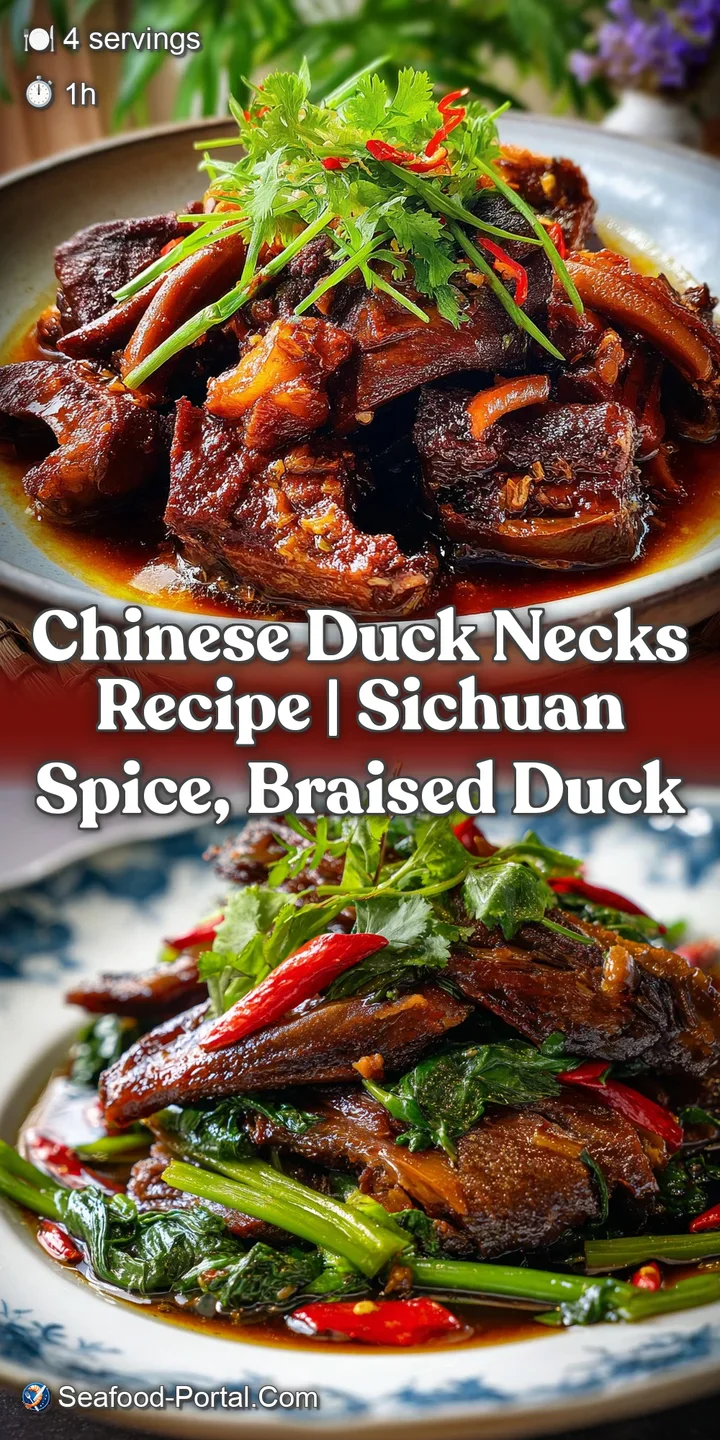
Presentation for Chinese duck necks should be casual. I usually pile them high on a platter and garnish with fresh cilantro and a sprinkle of toasted sesame seeds. They are meant to be eaten with your hands it's part of the fun!
Provide plenty of napkins and maybe some plastic gloves if you're feeling fancy (or want to protect your manicure from the chili oil). Pair this with a cold, crisp lager or a sweet herbal tea to cut through the numbing heat. If you're looking for a side that's just as bold, this Classic Cornmeal Fish Fry makes a surprisingly good crunchy companion for a multi texture feast.
Eating these is an art form. You nibble the meat from around the bone, savoring the spice, and then move to the next. It’s the ultimate slow food snack. Trust me, once you master this Chinese duck necks recipe, you'll never look at a "discarded" cut of meat the same way again. Happy braising!
Recipe FAQs
Can I use frozen duck necks instead of fresh ones for this recipe?
Yes, you can, but plan extra time. Thawed frozen necks require a longer initial rinse and potentially more time during the blanching step to ensure all ice crystals and residual moisture are gone.
What is the purpose of the initial blanching step?
It is essential for cleaning the meat and clarifying the final sauce. Blanching in cold water with ginger and wine draws out impurities and blood, preventing a cloudy or metallic flavor in your braise.
My duck necks taste bland; how do I fix the flavor penetration?
You must cool the necks down inside the braising liquid. The flavor infusion happens most effectively as the meat cools and contracts, pulling the seasoned broth deep into the tissues, much like the slow absorption in a good stock.
What can I use if I don't have Shaoxing Rice Wine?
Dry sherry is the best immediate substitute. Both wines serve to neutralize any gamey odor during the cooking process, a principle similar to how acid balances richness when making a delicate sauce like in our Crab Cake Remoulade.
How do I achieve the signature glossy, dark finish?
Use dark soy sauce and rock sugar. The dark soy provides the mahogany color, while the rock sugar caramelizes slightly and increases the viscosity of the liquid, giving that beautiful lacquered appearance.
Is the numbing sensation from the Sichuan peppercorns safe?
Yes, the numbing effect is entirely natural and safe. It comes from a compound called hydroxy alpha sanshool; to maximize this, always toast your peppercorns lightly before adding them to the braise.
Can I use this master braising liquid to cook something else?
Absolutely, this liquid is gold and should be saved. Strain the finished braising liquid and freeze it; you can use it as a flavor base for your next dish, similar to how technique mastery transfers across recipes, like the flavor balancing in the sauce for Easy Stir Fried Eggplant with Shrimp and
Tangy Kimchi Sauce.
Chinese Duck Necks Recipe
Ingredients:
Instructions:
Nutrition Facts:
| Calories | 692 kcal |
|---|---|
| Protein | 44.6 g |
| Fat | 48.2 g |
| Carbs | 12.4 g |
| Fiber | 1.8 g |
| Sugar | 8.2 g |
| Sodium | 1840 mg |
