Baked Fish Recipe with Lemon and Herbs
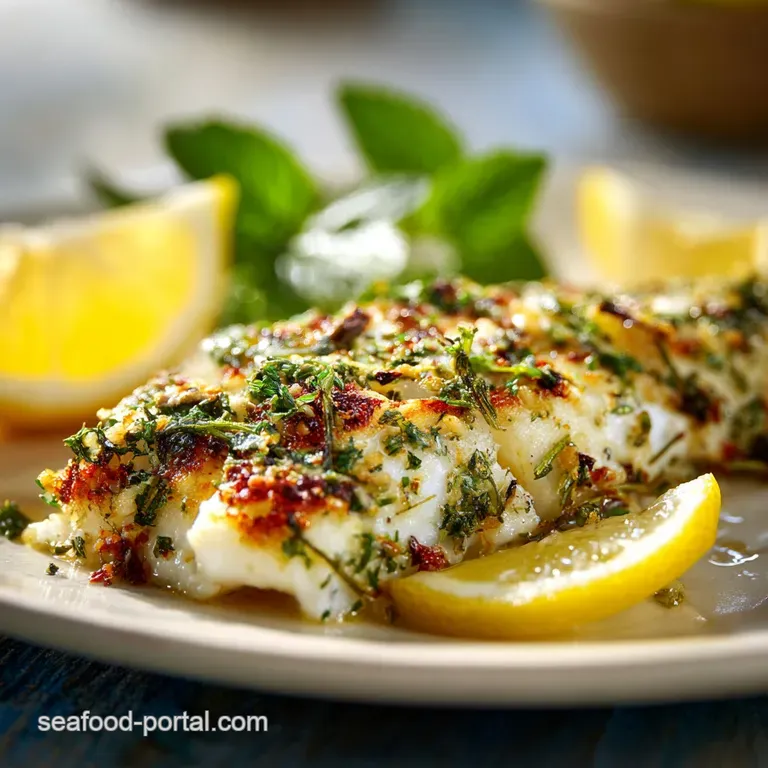
- Time: Active 10 minutes, Passive 12 minutes, Total 22 minutes
- Flavor/Texture Hook: Silky, flaky white fish with a zesty, aromatic herb finish
- Perfect for: Busy weeknights when you need a light, healthy meal fast
- Simple Baked Fish Recipe with Lemon and Herbs
- The Physics of the Flake
- Measuring Specs and Serving Sizes
- Selecting Your Fresh Ingredients
- Kitchen Gear for Better Fish
- The Step-By-Step Baking Method
- Fixing Common Cooking Mistakes
- Adjusting Your Batch Size
- Common Seafood Misconceptions
- Storage and Zero Waste Strategy
- Smart Side Dish Pairings
- Recipe FAQs
- 📝 Recipe Card
Simple Baked Fish Recipe with Lemon and Herbs
Imagine the scent of fresh dill and sharp lemon hitting a hot pan, filling your kitchen with that coastal, Mediterranean vibe. I still remember the first time I tried making fish for my in laws; I was so nervous that I overcooked it into something resembling a pencil eraser.
It was a total disaster, and we ended up ordering pizza while my "gourmet" cod sat untouched.
That failure sent me on a mission to figure out exactly how to keep fish moist without needing a culinary degree. I realized that most of us are just terrified of the oven, but once you understand how to buffer the heat with a little fat and acid, it becomes the easiest protein in your rotation.
This baked fish recipe with lemon and herbs is a simple, flavorful weeknight dinner winner.
We aren't doing anything fancy here, just using solid techniques that work every single time. You'll get that buttery texture that melts on your tongue, paired with the punchy brightness of fresh herbs that cuts right through the richness.
It’s light, it’s fast, and it finally ends the streak of "fish jerky" in your house.
The Physics of the Flake
Protein Denaturation: Heat causes the coiled proteins in the fish to unwind and bond together, squeezing out moisture if pushed too far. By using an oil based herb rub, we create a thermal barrier that slows this process, ensuring the interior stays velvety rather than tough.
| Method | Time | Texture | Best For |
|---|---|---|---|
| Standard Bake | 12 minutes | Silky and tender | Weeknight dinners |
| Parchment Wrap | 15 minutes | Steamed and soft | Maximum moisture |
| Broiler Finish | 8 minutes | Charred and firm | Smoky flavor lovers |
When you’re looking for more quick ideas to expand your rotation, these Fish Recipes are a great place to start for building your kitchen confidence. Learning How to Make recipe versions like this helps you master the art of the weeknight dinner without the stress of complicated techniques.
| Ingredient | Science Role | Pro Secret |
|---|---|---|
| Lemon Juice | Denatures proteins | Apply just before baking to prevent "cooking" the fish raw |
| Extra Virgin Olive Oil | Heat conductor | Use high-quality oil to carry herb flavors into the flesh |
| Kosher Salt | Moisture retention | Draws out just enough surface protein to create a light crust |
| Fresh Dill | Aromatic infusion | Bruise the leaves slightly before chopping to release essential oils |
Measuring Specs and Serving Sizes
This recipe is designed for four people, but it scales beautifully if you're hosting a larger group or just meal prepping for the week. The key is maintaining the ratio of acid to fat so the fish doesn't become "pickled" before it even hits the oven heat.
- Flavor Map:
- Bright: Fresh lemon zest and juice
- Earthy: Dried oregano and fresh parsley
- Savory: Microplaned garlic and cracked pepper
- Rich: high-quality extra virgin olive oil
Selecting Your Fresh Ingredients
Finding the right fish is half the battle, and honestly, don't stress if the shop is out of cod. Any firm white fish will work as long as it's thick enough to stand up to the 400°F (200°C) heat without disintegrating.
- 4 firm white fish fillets (6 oz each): I love Cod or Halibut. Why this? They hold their shape and flake beautifully when cooked.
- Substitute: Tilapia or Haddock (Note: Thinner fillets will cook about 3 minutes faster).
- 1 tsp Kosher salt: Essential for seasoning. Why this? Coarser grains allow for better control and more even distribution.
- Substitute: Sea salt (use slightly less as it's saltier by volume).
- ½ tsp Freshly cracked black pepper: Adds a bite. Why this? Pre ground pepper loses its aromatic oils quickly.
- Substitute: White pepper for a milder, more floral heat.
- 3 tbsp Extra virgin olive oil: Our fat source. Why this? It creates a silky mouthfeel and prevents the fish from sticking.
- Substitute: Avocado oil for a higher smoke point and neutral flavor.
- 1 large Lemon: Zested and juiced. Why this? The zest provides oils while the juice provides the necessary acid punch.
- Substitute: Lime juice for a more tropical, sharp flavor profile.
- 2 cloves Garlic: Microplaned or minced. Why this? Microplaning creates a paste that melts into the oil perfectly.
- Substitute: ½ tsp garlic powder if you're in a massive rush.
- 2 tbsp Fresh Italian parsley: Finely chopped. Why this? It adds a clean, grassy finish that balances the garlic.
- Substitute: Fresh cilantro for a more vibrant, citrusy herb note.
- 1 tbsp Fresh dill: Finely chopped. Why this? Dill and white fish are a classic pairing for a reason.
- Substitute: Fresh fennel fronds for a subtle anise flavor.
- ½ tsp Dried oregano or thyme: For depth. Why this? Dried herbs provide a concentrated earthy backbone to the fresh ones.
- Substitute: Dried marjoram for a sweeter, floral herb profile.
| Original Ingredient | Substitute | Why It Works |
|---|---|---|
| Cod Fillets | Frozen White Fish | Economical and often flash frozen at peak freshness. Note: Thaw completely first. |
| Fresh Dill | Dried Dill (1 tsp) | Concentrated flavor. Note: Lacks the bright green color of fresh. |
| Extra Virgin Olive Oil | Melted Butter | Adds a rich, dairy heavy sweetness. Note: Lower smoke point, watch for browning. |
Kitchen Gear for Better Fish
You don't need a professional kitchen, but a few specific tools make this much easier. A heavy duty rimmed baking sheet is non negotiable because it prevents the juices from running off and burning on the bottom of your oven.
Chef Tip: Use a microplane for both the lemon and the garlic. It creates a much finer texture than chopping, which means you won't get a huge chunk of raw garlic in one bite while the rest of the fish is bland.
- Rimmed Baking Sheet: Like a Nordic Ware half sheet, it distributes heat evenly.
- Parchment Paper: This is your insurance policy against the fish sticking to the pan.
- Small Glass Bowl: For whisking the herb oil together.
- Digital Meat Thermometer: This is the only way to be 100% sure the fish is done without cutting into it and losing those precious juices.
The step-by-step Baking Method
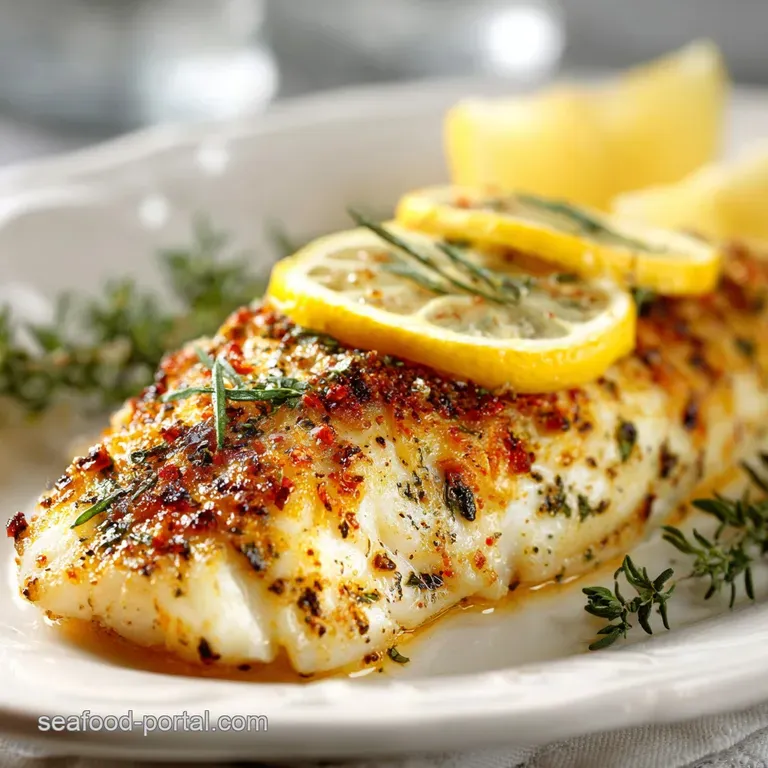
- Prep the oven. Preheat your oven to 400°F (200°C). Note: A hot oven is crucial for a fast cook that doesn't dry out the center.
- Dry the fish. Pat the 4 fish fillets completely dry with paper towels. Note: Moisture on the surface leads to steaming rather than roasting.
- Season the base. Sprinkle both sides of the fish with the 1 tsp Kosher salt and ½ tsp black pepper.
- Make the herb oil. In a small bowl, whisk together 3 tbsp olive oil, lemon zest, lemon juice, 2 cloves minced garlic, 2 tbsp parsley, 1 tbsp dill, and ½ tsp dried oregano.
- Prepare the pan. Line your baking sheet with parchment paper.
- Coat the fish. Place the fillets on the pan and spoon the herb mixture generously over each piece.
- Bake the fillets. Place the pan in the center of the oven and bake for 10 to 12 minutes until the fish flakes easily with a fork.
- Check the temp. Use a thermometer to ensure the internal temperature has reached 145°F (63°C).
- Rest the protein. Let the fish sit on the pan for 2 minutes before serving. Note: This allows the juices to redistribute so they don't run out when you bite in.
- Serve immediately. Plate the fish and pour any remaining herb oil from the pan right over the top.
Fixing Common Cooking Mistakes
If things go sideways, don't panic. Seafood can be finicky because it cooks so fast, but most issues are easily solved if you know what to look for.
Preventing Mushy Texture
If your fish feels soft or "wet" rather than flaky, it usually means it was crowded on the pan or it wasn't dried properly before cooking. When fish pieces touch each other, they release steam, which traps moisture between the fillets and prevents that beautiful roasted texture.
Always leave at least an inch of space between each piece of cod.
Avoiding The Garlic Burn
Garlic can turn bitter if it's exposed to high heat for too long without enough oil. If you find your garlic bits are turning dark brown or black, you might need to whisk your marinade more thoroughly to ensure every bit of garlic is fully coated in the olive oil. The oil acts as a heat buffer.
| Problem | Root Cause | Solution |
|---|---|---|
| Dry/Tough Fish | Overcooked past 145°F | Pull the fish at 140°F; carryover heat will finish it. |
| Fish Sticks to Pan | No parchment or too little oil | Use parchment paper and ensure the bottom of the fish is oiled. |
| Bland Flavor | Not enough salt | Season the fish directly before adding the herb oil. |
Common Mistakes Checklist
- ✓ Pat fish bone dry before seasoning (this is the most important step for texture).
- ✓ Ensure the oven is fully preheated before the fish goes in.
- ✓ Don't skip the lemon zest; it holds more flavor than the juice alone.
- ✓ Check the thickest part of the fillet for doneness, not the thin edges.
- ✓ Let the fish rest for those two minutes to keep it juicy.
Adjusting Your Batch Size
Downsizing for Two If you're just cooking for yourself or a partner, you can easily halve the recipe. Use a smaller quarter sheet pan to keep the herb oil from spreading too thin and burning.
You don't need to change the cooking time, as the thickness of the fish dictates the speed, not the number of fillets.
Scaling Up for a Crowd When doubling this for a dinner party, use two separate baking sheets rather than trying to cram eight fillets onto one. If you overcrowd the pan, the temperature of the oven will drop too significantly, and you'll end up steaming the fish.
Rotate the pans halfway through the 12 minute cook time to ensure even browning.
| Serving Goal | Fish Amount | Oil Amount | Pan Strategy |
|---|---|---|---|
| 2 People | 12 oz | 1.5 tbsp | Single small tray |
| 6 People | 36 oz | 4.5 tbsp | Single extra large tray |
| 8 People | 48 oz | 6 tbsp | Two standard trays |
Common Seafood Misconceptions
One major myth is that "fresh is always better." In reality, most fish sold at the counter was previously frozen anyway. "Flash frozen" fish is often processed within hours of being caught, locking in the cellular structure and flavor better than a "fresh" fillet that has been sitting in a display case for three days.
Another mistake is thinking you have to flip the fish. Flipping white fish in the oven is a recipe for a broken, messy dinner. The heat from the baking sheet and the circulating air will cook it perfectly from both sides without you ever needing to touch it with a spatula until it's time to plate.
Storage and Zero Waste Strategy
Storage Guidelines You can keep leftover baked fish in an airtight container in the fridge for up to 2 days. To reheat, avoid the microwave at all costs it will turn the fish into rubber.
Instead, place it in a 300°F (150°C) oven with a splash of water and cover it with foil for about 5 to 8 minutes until warmed through.
Zero Waste Tips Never throw away those lemon halves after juicing. Toss them onto the baking sheet along with the fish; the heat caramelizes the sugars in the lemon, making the juice even sweeter and more intense when you squeeze the roasted fruit over the finished dish.
If you have extra herbs, mix them into some softened butter and freeze it in an ice cube tray for a quick flavor bomb to use on steaks or veggies later.
Smart Side Dish Pairings
Because this fish is so light and bright, you want sides that offer a bit of contrast. A nutty wild rice pilaf or some crispy smashed potatoes work wonders to soak up that extra herb oil.
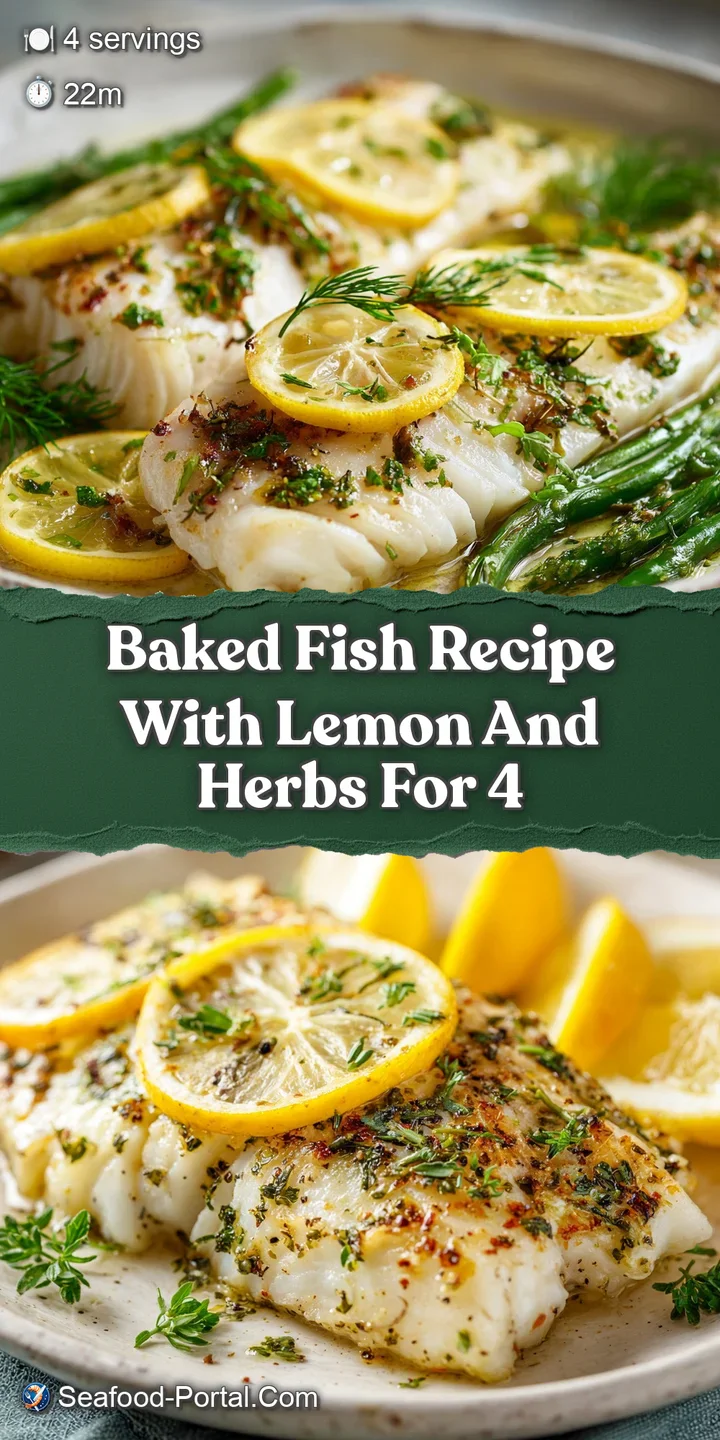
If you want to keep the whole meal on the lighter side, a simple shaved fennel salad with a light vinaigrette echoes the dill in the fish beautifully. Roasted asparagus or charred broccolini also cook at the same temperature, so you can often slide them onto the same baking sheet if you have a large enough pan.
Just remember to start the veggies about 5 minutes before the fish so everything finishes at the exact same time.
Recipe FAQs
What is the absolute best internal temperature to pull the fish to ensure it stays moist?
Pull the fish at 140°F (60°C). The carryover heat from the residual warmth of the pan and oven will bring it up to the safe 145°F target without drying out the center.
Is it true that I must let the fish rest before serving to maximize juiciness?
Yes, a short rest is critical. Let the fish sit on the pan for 2 minutes after removing it from the oven; this allows the internal moisture to redistribute evenly throughout the fillet.
How to prevent the garlic in the herb oil from burning before the fish is done?
Ensure the minced garlic is fully submerged in olive oil. The oil acts as a buffer against the direct heat; if you find it browning too quickly, microplane the garlic instead of mincing for finer dispersion.
Can I use frozen fish fillets directly from the freezer for this recipe?
No, you must thaw them completely first. Baking frozen fish causes the exterior to overcook while the center remains cold, leading to an uneven, mushy texture.
How to adjust the recipe if I prefer a softer, steamed texture over a baked texture?
Wrap the fillets tightly in parchment paper before baking. This technique essentially steams the fish in its own juices and the marinade, resulting in a very soft, delicate flake, similar to the results you see when learning mastering texture control.
What substitution works best if I need a dairy-free alternative to using butter for richness?
Use high-quality extra virgin olive oil, as listed. For an even richer mouthfeel without dairy, you could try high-quality avocado oil, which is used extensively in our [Mediterranean Fish Fillets recipe] for its smooth texture.
What is the fastest way to reheat leftovers without drying out the fish?
Reheat slowly at a low oven temperature. Place the fish in a small, covered dish at 300°F (150°C) with a tiny splash of water or broth for 5 to 8 minutes.
Baked Fish Lemon Herb Recipe
Ingredients:
Instructions:
Nutrition Facts:
| Calories | 238 calories |
|---|---|
| Protein | 31.2g |
| Fat | 11.6g |
| Carbs | 1.8g |
| Fiber | 0.4g |
| Sugar | 0.2g |
| Sodium | 645mg |
