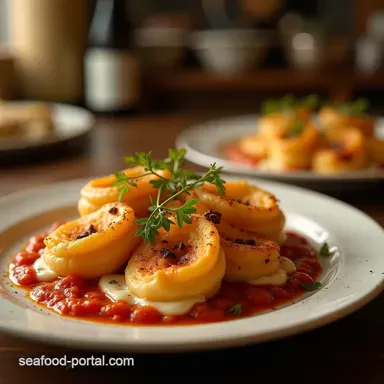
The Ultimate Shell Shock Authentic Neapolitan Sfogliatelle
- Unveiling the Secrets to Neapolitan Pastry Perfection
- Why This Sfogliatelle Journey Demands Your Full Attention
- Assembling Your Arsenal: Essential Components for Layered Glory
- The Curd and The Dough: Specifics for the Filling and Shell
- The Multi-Stage Masterclass: Crafting the Iconic Dough Layers
- Filling, Shaping, and Achieving the True Shell Form
- Baking for the Ultimate Golden Crunch
- Troubleshooting Common Lamination Failures
- Preserving the Crisp: Storage Insights for Freshness
- Recipe FAQs
- 📝 Recipe Card
Unveiling the Secrets to Neapolitan Pastry Perfection
Welcome, fellow pastry enthusiasts, to the pinnacle of Neapolitan baking! Today, we embark on a dedicated quest to conquer one of Italy’s most visually stunning and texturally rewarding desserts: the sfogliatelle .
Often referred to by its evocative shape, the Lobster Tail Pastry , these treats are the very definition of dedication baked into a crisp shell. Achieving the signature, thousand layer crunch requires respect for technique, but the result a creamy, fragrant Sfogliatelle filling encased in shatteringly crisp layers is unparalleled.
This comprehensive Classic Italian Pastry Recipe will guide you through creating authentic Italian Sfogliatelle , distinguishing the process from simpler laminated doughs.
Why This Sfogliatelle Journey Demands Your Full Attention
Making Sfogliatelle is not a quick afternoon bake; it’s an event. The difficulty rating here is high, primarily due to the lamination phase, which tests patience more than technical cooking skill.
We are aiming for a sfoglia , or thin leaf, structure that separates beautifully upon biting. Expect a total time commitment of over three hours, factoring in necessary chilling, but know that this intensive process is what separates good pastries from the truly transcendent ones.
We will yield about 16 to 20 exquisite pastries, enough to share the wealth of your newfound Neapolitan mastery.
The Historical Whisper: Tracing Sfogliatelle's Roots to Campania
The origins of this magnificent treat date back centuries, rooted in the Campania region of Southern Italy. Legend suggests that the very first iteration was born in the Santa Rosa convent near Naples in the 17th century.
Monks, seeking to use leftover semolina dough and ricotta, crafted the original pastry, which was later refined by Neapolitan bakers into the crisp, shell like form we celebrate today. To truly honour this heritage, mastering the Traditional Italian Pastry Dough is paramount.
Riccia vs. Frolla: Deciding Your Signature Shell Style
When discussing Italian Pastries Traditional , you must choose your path: Riccia or Frolla . The Riccia (meaning curly or ridged) is the version we are focusing on today.
It utilizes the intensive lamination process, resulting in the signature, delicate, crispy spikes. Conversely, the Frolla variation uses a shortcrust pastry base, offering a softer, less flaky texture that is simpler to achieve but lacks the iconic crunch.
For the ultimate experience, we commit to the Riccia style.
The Baker’s Pledge: Conquering the Lamination Challenge
Lamination is the heart of this Sfogliatelle recipe . It involves carefully layering a stiff dough with a specific fat mixture a blend of butter and lard or shortening and rolling it out repeatedly.
Unlike croissants, where the butter remains in distinct layers, the sfogliatelle lamination involves rolling the dough with the fat incorporated into the very structure before the final, tight spiral roll.
This creates hundreds of nearly invisible layers that puff and crisp dramatically in the oven.
Assembling Your Arsenal: Essential Components for Layered Glory
Before we dive into the mechanics, gathering high-quality components is essential for the success of your Sfogliatelle pastry . We need two distinct mixtures: the firm dough that will form the structure and the creamy filling that provides the flavour contrast.
The Curd and The Dough: Specifics for the Filling and Shell
The contrast between the tangy, sweet filling and the crunchy shell is what makes this pastry sing. Our Sfogliatelle filling relies heavily on well drained ricotta and aromatic citrus.
Sourcing Superior Semolina and High Fat Butter
For the dough, we utilize a combination of high protein bread flour for structure and fine grind semolina flour, which contributes to that characteristic slightly coarse, sturdy texture that holds up during extreme rolling.
For the lamination paste, European style butter (higher fat content) is preferred, mixed with cold lard ( strutto ) or high-quality vegetable shortening. The combination of fats ensures pliability during rolling and supreme crispness upon baking.
The Delicate Balance: Achieving the Ideal Ricotta Filling Consistency
The Ricotta Filling must be thick. If your ricotta is watery, it will leach moisture into your delicate dough layers, resulting in a soggy shell rather than a crisp one. Therefore, planning ahead is crucial: drain your whole milk ricotta overnight if possible.
We bind the creamy ricotta with a single egg yolk, sugar, a touch of semolina (to help absorb any residual moisture), vibrant lemon zest, and finely chopped candied orange peel for authentic Neapolitan flavour.
Essential Equipment Beyond the Basics: Rollers and Refrigeration
While a stand mixer with a dough hook simplifies mixing the firm dough, the rolling process is best managed by hand. A long, heavy rolling pin is your best friend here. On top of that,, adequate refrigerator space is mandatory, as we need ample time to chill the dough and the fat logs multiple times to ensure the fat stays firm during the layering process.
The Multi Stage Masterclass: Crafting the Iconic Dough Layers
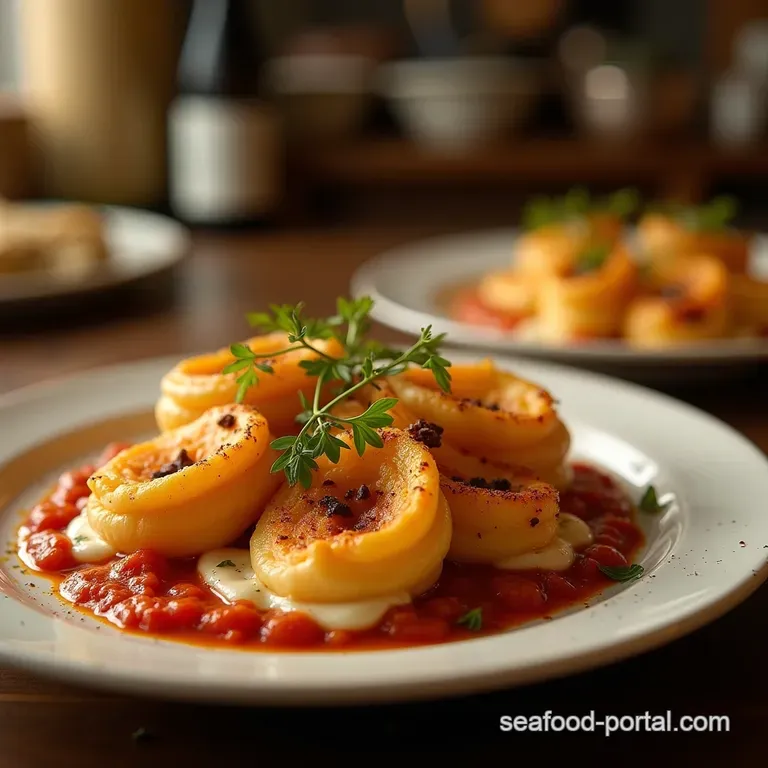
The dough itself, known as pasta dura , must be stiff and resilient. Combine 450g of bread flour, 50g of semolina, salt, and sugar, then slowly incorporate about 200ml of ice-cold water mixed with a tablespoon of white wine vinegar.
Mix until a shaggy mass forms, then knead vigorously until smooth it will be significantly stiffer than typical pasta dough. Wrap this tightly and let it rest at room temperature for 30 minutes.
While the dough relaxes, prepare your laminating paste by thoroughly blending 115g softened butter with 115g cold lard or shortening until perfectly homogenous.
Filling, Shaping, and Achieving the True Shell Form
Once the dough has rested, divide it in half. Roll one half out incredibly thin almost translucent into a large rectangle. Spread half of your chilled fat paste evenly over the surface, leaving a small border clean. Roll this tightly into a log, pressing out all air bubbles.
Chill this log for 45 minutes. Repeat the rolling and chilling process with the second dough half. This chilling is vital for the resting protocol that allows gluten to relax before the final shaping.
Baking for the Ultimate Golden Crunch
This is where all the painstaking effort comes together to achieve the famous, textured exterior of the Sfogliatelle .
Executing the Perfect Dough Lamination (The 'Pieghe')
After the initial log chilling, you slice each log into 1 inch discs. Turn a disc cut-side down and, using firm pressure, roll it outward from the centre to create a thin, tapering oval. This rolling motion starts to separate the fat layers, revealing the pieghe (folds).
Next, slice this oval lengthwise down the middle. Place the two halves together, aligning the long edges. You are now ready for the final, dramatic roll.
Resting Protocol: Patience for Peak Texture Development
The chilling stages before the first roll, between the two log rolls, and after the final flattening are non-negotiable. They prevent the gluten from seizing up, ensuring the dough remains elastic enough to achieve that paper thin final layer without tearing.
The Technique: Rolling, Tightly Wrapping, and Slicing the Logs
Take the two layered strips and roll them tightly together into a new, smaller spiral log. This tight spiral concentrates the fat and dough layers right where we want them. Once this final log is formed, place it cut-side down, gently flatten it with your palm, and then roll it out again very thinly, creating a large, very thin circle perhaps 1/16th of an inch thick.
This action shears the internal structure, creating the characteristic ridges. Cut these large rounds into smaller 4 inch circles.
Thermal Shock: Preparing Your Sfogliatelle for the Oven
Fill each circle with a spoonful of the chilled Sfogliatelle filling . Gently fold the edges up and pinch them together at the top to form the classic shell silhouette, ensuring the bottom is flat so the pastry can stand upright on the baking sheet.
Preheat your oven to 400° F ( 200° C). Brush lightly with an egg wash (optional, but recommended for shine) and bake for 25 to 30 minutes, rotating halfway through, until they achieve a deep, mahogany gold hue, signalling perfect crispness.
Troubleshooting Common Lamination Failures
If your pastries bake up looking more like solid cones than ridged shells, it’s almost always due to warm fat. If the butter/lard melts into the dough during the rolling stages, the layers merge instead of separating.
If the dough tears excessively during the final, thin roll, it needed more resting time between stages. Remember, sfogliatelle must be baked quickly at a high temperature to force the water in the butter to steam instantly, puffing those layers into submission.
Preserving the Crisp: Storage Insights for Freshness
The single greatest enemy of any beautifully laminated pastry is humidity. Once cooled completely on a wire rack, these are best eaten within a few hours.
Altitude Adjustments and Temperature Secrets
Baking at higher altitudes often requires a slight increase in liquid or a decrease in leavening, though for laminated dough, managing ambient temperature is often more critical than adjusting liquid content. Keep your kitchen cool during the assembly phases.
Serving Suggestions: Perfect Pairings with Italian Coffee
The authentic way to enjoy Italian Sfogliatelle is simply dusted heavily with icing sugar. Pair this rich, citrusy treat with a powerful, bitter espresso to cut through the sweetness and richness of the ricotta and butter a quintessential Neapolitan experience.
Shelf Life and Revival: Reheating for Maximum Flakiness
While they lose their peak crispness after a day, you can revive them! Place cooled pastries on a baking sheet and warm them in a 300° F ( 150° C) oven for 5 to 7 minutes. This gentle heat re-crisps the layers without burning the filling.
Enjoy the textural reward of your dedication!
Recipe FAQs
This Sfogliatelle recipe looks tricky; what is the absolute hardest part to get right?
Right then, if you’re worried about tackling this one, the hardest bit is definitely the lamination creating those razor thin alternating layers of dough and fat. It requires patience and definitely a strong rolling pin arm; don’t try to rush the rolling or the chilling steps, or you'll end up with a chewy blob instead of a crispy shell!
My ricotta filling seems watery; how can I make sure my Sfogliatelle shells don't go soggy on the bottom?
Ah, that's the classic kitchen conundrum! You must drain that ricotta, no shortcuts here aim to strain it overnight, perhaps wrapped in cheesecloth and sitting over a bowl in the fridge.
Excess moisture will turn into steam, ruining that delicate, crunchy base, so make sure the filling is nice and firm before piping it in.
Can I make the dough or filling for these Sfogliatelle ahead of time?
Absolutely, prepping ahead is the baker's secret weapon for a manageable bake day. You can prepare the ricotta filling up to two days in advance and keep it chilled, which is ideal.
The dough, however, is best if used within 24 hours of its final rest, as the fat paste can start to separate if left much longer than that.
I can't find lard; what's the best substitute for the butter/fat paste in the lamination process?
If you can't source traditional strutto (lard), vegetable shortening is a solid second choice as it holds its structure well when cold. If you use all butter, just ensure it's high fat European style and kept very cold; remember, the goal is a firm paste that won't melt immediately into the dough when you roll it out.
How should I store leftover baked Sfogliatelle to keep them crisp?
Crispness is fleeting with laminated pastries, so store them in an airtight container at room temperature never the fridge, as that encourages sogginess! Try to eat them within two days for the best experience; if you've made too many, a quick 5-minute blast in a moderately hot oven (around 350°F/175°C) will revive that wonderful crackle.
The Only Sfogliatelle Recipe Youll Ever Need Neapolitan Pastry