Blackened Salmon: Hot, Fast, and Flawlessly Crusted in Cast Iron
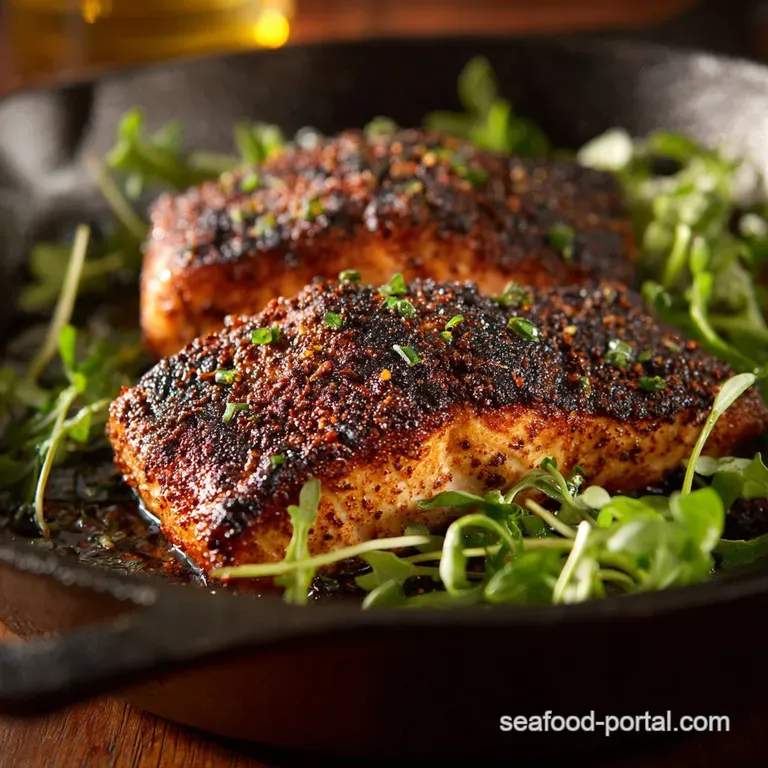
- Capturing the Cajun Classic: The Definitive Guide to Blackened Salmon
- Blueprinting Your Prep: Essential Ingredients for Blackened Salmon
- Executing the Technique: Step-by-Step Guide to Perfect Blackened Salmon
- The Science of Sizzle: Achieving the Flawless Blackening Crust
- Troubleshooting the Cook: Chef's Pro Tips for Mastering Blackened Salmon
- Complementary Pairings: The Best Side Dishes for Blackened Salmon
- Recipe FAQs
- 📝 Recipe Card
Capturing the Cajun Classic: The Definitive Guide to Blackened Salmon
That SIZZLE. Seriously, the moment that heavily spiced fillet hits the inferno hot cast iron skillet, your kitchen transforms. You get this incredible, smoky aroma of paprika, garlic, and cayenne, promising a crust that is dark, dramatic, and intensely flavorful.
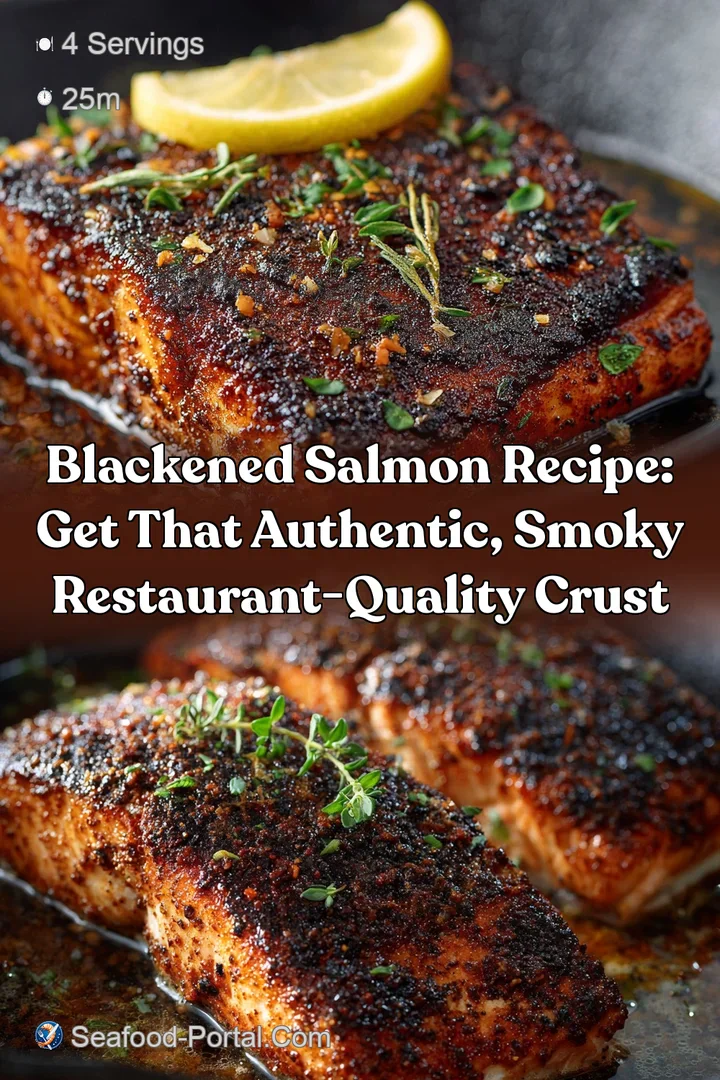
When you see that deep, almost black exterior perfectly formed, but somehow not burnt you know you've nailed dinner.
Honestly, this blackened salmon recipe feels like a monumental, special occasion meal, but we are talking 25 minutes flat from start to table.
It’s incredibly satisfying, looks totally restaurant quality, and easily beats anything you’d get trying to order out. It’s a truly fast, relatively cheap, weeknight life saver when you need big flavor fast.
Fair warning: true blackening demands ventilation because high heat means high smoke. This technique isn't a gentle bake; it's a dramatic, culinary explosion that requires confidence and commitment.
Let’s stop talking and start cooking this ultimate Blackened Salmon perfectly, over high heat drama included.
What is Blackening and Why is it Essential for Salmon?
Blackening is a over high heat cooking technique pioneered by Chef Paul Prudhomme in Louisiana. It involves dipping food, traditionally fish, into melted butter and dredging it heavily in a potent spice mix before searing in a smoking hot pan.
The fat and the sugars in the spices caramelize and rapidly char, creating the signature dark crust.
This technique is essential for salmon because the richness of the fish stands up beautifully to the assertive, smoky spice blend. Unlike milder cooking methods, blackening creates a protective, flavor packed shell that locks in the moisture and the abundant Omega-3 oils.
It’s the textural contrast crisp exterior versus flaky, juicy interior that makes this preparation unbeatable.
The Legacy of Louisiana Spice: History of the Blackening Technique
The roots of this cooking style lie firmly in Cajun and Creole cuisine, embracing intense flavor and quick, aggressive cooking methods. While the name sounds intimidating, the black crust is actually highly caramelized butter and spices, not burnt fish.
It’s this intense heat exposure that makes the spice mixture truly bloom.
The Perfect Weeknight Dinner: Time Commitment and Serving Size
The beauty of this over high heat method is the speed. Your actual cook time is under 10 minutes, making this ideal for a busy Tuesday night dinner. Prep takes about 15 minutes to get the fillets dry and coated, meaning you can have a gourmet level meal ready in about 25 minutes total.
This specific recipe yields four robust servings, perfect for family or meal prepping into a blackened salmon salad the next day.
Blueprinting Your Prep: Essential Ingredients for Blackened Salmon
Choosing Your Fillets: Skin-On vs. Skinless for Blackening
I prefer using skin-on salmon fillets for blackening, especially if you have thick, centre cut pieces. The skin acts as a built-in protective layer against the scorching cast iron, ensuring the delicate fish flesh doesn't cook too fast or stick.
If you use skinless fillets, just be extra generous with the melted butter on the pan side.
The Anatomy of the Spice Rub: Achieving Potent Cajun Flavor
Our blend is intentionally aggressive, focusing on layered depth, not just raw heat. The smoked paprika provides color and woodsy depth, while the dried herbs like thyme and oregano offer that classic Louisiana backbone.
The secret is using white pepper alongside the cayenne: it adds a subtle, high frequency heat that doesn't linger heavily like pure chili powder does.
Selecting the Right Fat: Why Clarified Butter is Key
You absolutely must use some form of clarified butter or over high heat oil. Regular unsalted butter contains milk solids that will burn almost immediately under the heat needed for blackening. If you use standard butter, it will smoke and scorch before the crust has a chance to form properly.
Side note: Ghee is just Indian clarified butter, and it works like a dream here!
Ingredient Swaps: Making the Recipe Work for Dietary Needs
Making dinner shouldn't be stressful if you're missing one spice. Here are a few reliable substitutions for this healthy blackened salmon recipe .
| Ingredient | Viable Substitute | Notes |
|---|---|---|
| Cayenne Pepper | Ancho Chili Powder or Chipotle Powder | Ancho gives smokiness, Chipotle gives subtle smoke and heat. |
| Clarified Butter/Ghee | Avocado Oil or over High heat Vegan Butter | Avoid low-smoke point oils like olive oil completely. |
| Dried Thyme | Dried Marjoram | Marjoram is slightly sweeter, but provides similar aromatic depth. |
| Salmon Fillets | Mahi Mahi or Swordfish | These are robust fish that can handle the aggressive heat. |
Executing the Technique: step-by-step Guide to Perfect Blackened Salmon
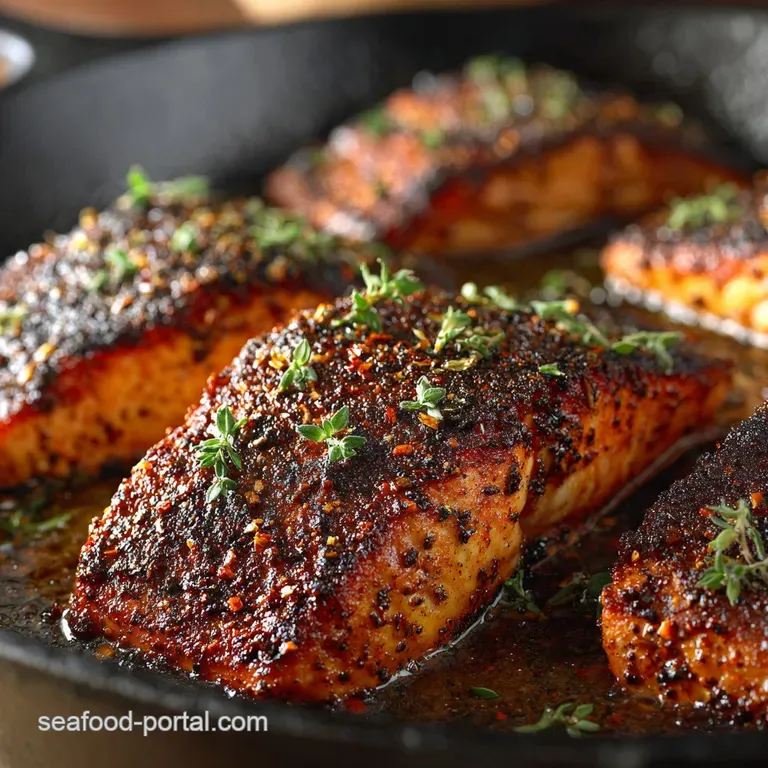
Prepping the Fish: Patting Dry and Applying the Rub Uniformly
Pat your salmon completely dry this is the most critical prep step you can take! I learned this the hard way after steaming my fish instead of searing it during one of my early attempts. Next, melt the butter and dunk the fillets completely, ensuring they are coated, but not swimming in excess fat.
The butter is the adhesive for our massive spice coat.
Heating the Pan: The Critical Importance of High Smoke Temperature
You need a heavy duty cast iron skillet for this; nothing else will retain the heat properly. Place it over high heat with your oil for a good 5 to 7 minutes before you even think about adding the fish. The pan should be visibly smoking before the salmon touches it.
This sounds scary, but that heat is what prevents sticking and creates the immediate crust.
The Sear: When to Flip for Maximum Crust Retention
Add one tablespoon of butter just before the fish, then immediately lay the salmon, seasoned side down, into the pan. Do not touch it for 3 to 4 minutes. This contact time is essential for developing the crust and releasing the fish from the pan naturally.
When you flip, use a thin, metal fish spatula to gently slide under the crust.
Resting the Fish: Ensuring Juices Redistribute
Once flipped, cook for another 3 to 5 minutes until the internal temperature is 145°F (63°C), or slightly lower if you prefer medium rare. Immediately transfer the fillets to a warm plate and let them rest for 2 minutes.
This brief rest period allows the juices to redistribute, guaranteeing a moist, flaky interior.
The Science of Sizzle: Achieving the Flawless Blackening Crust
Maillard Reaction Mastery: Developing the Deep Umami Flavor
The blackening process is Maillard Reaction on overdrive. We are using extremely high heat to rapidly break down the proteins and sugars in the spices and the butter solids. This isn't burning the fish; it's developing an intense, savory, umami rich layer that is completely distinct from the subtle flavor of, say, my Lemon Dill Baked Salmon Recipe: Foolproof and Ready in 30 Minutes .
Temperature Control: Guaranteeing a Moist Interior and Crispy Exterior
The trick is the quickness of the cook. Since the pan is so hot, the crust forms almost instantly, insulating the interior. After the flip, reducing the heat slightly (to medium high) allows the internal temperature to rise gently without torching the newly formed crust.
Handling the Smoke: Ventilation Strategies for over High heat Cooking
This is the big tip: Open windows, turn your extractor fan on full, and maybe even use a box fan pointing out the kitchen window. If you live somewhere you can step onto a deck or porch, consider using a side burner on a grill setup. The spice mixture will smoke intensely, and you need a strategy for it.
Troubleshooting the Cook: Chef's Pro Tips for Mastering Blackened Salmon
Preventing the Crust from Peeling: The Patience Rule
The most common mistake is impatience. People try to flip the salmon too early! If you flip and the crust peels off, it means the crust wasn't fully developed and released from the pan surface. Give it the full three minutes on the first side, and only flip when the edges look dark and crisp.
Best Practices for Refrigerating Cooked Salmon
Cooked blackened salmon stores beautifully in an airtight container in the refrigerator for 3 to 4 days. I often cook extra fillets just so I can use them cold over a large dinner salad later that week. Be sure to cool the salmon completely before sealing the container.
Reviving the Crust: Reheating Methods That Preserve Texture
Please, for the love of all that is holy, do not microwave leftover salmon! It steams, it gets rubbery, and the beautiful crust turns soggy. To revive the crisp crust, place the salmon in a toaster oven or conventional oven preheated to 350°F (175°C) for 6 to 8 minutes.
You can also use an air fryer at 375°F (190°C) for about 4 minutes to achieve that perfect crunch again.
Complementary Pairings: The Best Side Dishes for Blackened Salmon
Because the salmon is rich, spicy, and savory, you want sides that offer contrast either creamy, bright, or tangy.
- Creamy Slaw: A crunchy, vinegary coleslaw is the ultimate pairing. The cool crunch cuts through the richness and spice perfectly.
- Dirty Rice or Cheesy Grits: If you want to lean fully into the Southern comfort food vibe, serve this with creamy, savory grits.
- Cilantro Lime Butter: While resting, top the salmon with a quick pat of cilantro lime compound butter. The fresh lime zest adds a necessary brightness to the dark, smoky flavors. If you prefer a full sauce, try pairing it with the light, bright flavors of my Salmon with Herb and Garlic Cream Sauce: 30 Min Crispy Skin Dinner — just drizzle it around the blackened fillet, not on the crust!
Recipe FAQs
Why did my salmon turn out dry, even though I achieved a perfect black crust?
Dryness usually results from overcooking the interior flesh. Since blackening requires extremely high surface heat, monitor the internal temperature closely with a probe thermometer, aiming to remove the fish when it reaches 140°F (60°C); residual heat will carry it to the safe 145°F (63°C) mark.
How do I manage the excessive smoke generated by the authentic blackening process?
Authentic blackening demands high heat and produces significant smoke due to the spices and butter hitting the pan. If you must cook indoors, ensure your kitchen has a powerful exhaust fan running at maximum capacity and open nearby windows for ventilation.
For the absolute best results and smoke control, execute the cooking step on an outdoor burner or grill side burner.
Can I use standard cooking oil instead of clarified butter or ghee for this recipe?
While standard high heat oils like avocado or canola can handle the temperature, clarified butter (ghee) is highly recommended. Ghee ensures the spices adhere perfectly and provides the rich, nutty flavor that defines authentic blackened dishes without burning, as the milk solids have been removed.
My spice crust keeps falling off the salmon fillet. What am I doing wrong?
For optimal adhesion, ensure the fillet is completely dry before lightly coating it with clarified butter, and then dredge it thoroughly in the spice mix. When cooking, resist the urge to move the fish immediately; let the crust fully adhere and solidify for about 3 to 4 minutes before flipping.
How can I adjust the heat level of the blackening spice rub?
To reduce the overall heat, simply halve or completely omit the amount of cayenne pepper called for in the recipe. If you desire a spicier crust, incorporate a pinch of finely ground white pepper or double the measurement of cayenne pepper for a powerful kick.
What is the best way to store and reheat leftover Blackened Salmon?
Store any leftovers in an airtight container in the refrigerator for up to three days. To reheat, place the fillets on a baking sheet and warm them gently in a 300°F (150°C) oven or toaster oven for about 5 to 8 minutes; avoid using a microwave, which will invariably make the fish rubbery and dry.
Is it safe to use a standard non-stick pan for blackening?
No, standard non-stick pans should never be used for blackening because the process requires the pan temperature to exceed 500°F. These extreme temperatures will damage the non-stick coating, potentially releasing harmful fumes and ruining your equipment. Always utilize a heavy duty cast iron skillet.
Authentic Blackened Salmon In Cast Iron
Ingredients:
Instructions:
Nutrition Facts:
| Calories | 490 kcal |
|---|---|
| Protein | 40.2 g |
| Fat | 32.4 g |
| Carbs | 13.2 g |
