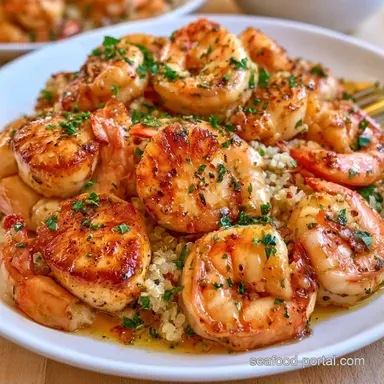
Alkaline Seafood Bowl in 20 Minutes
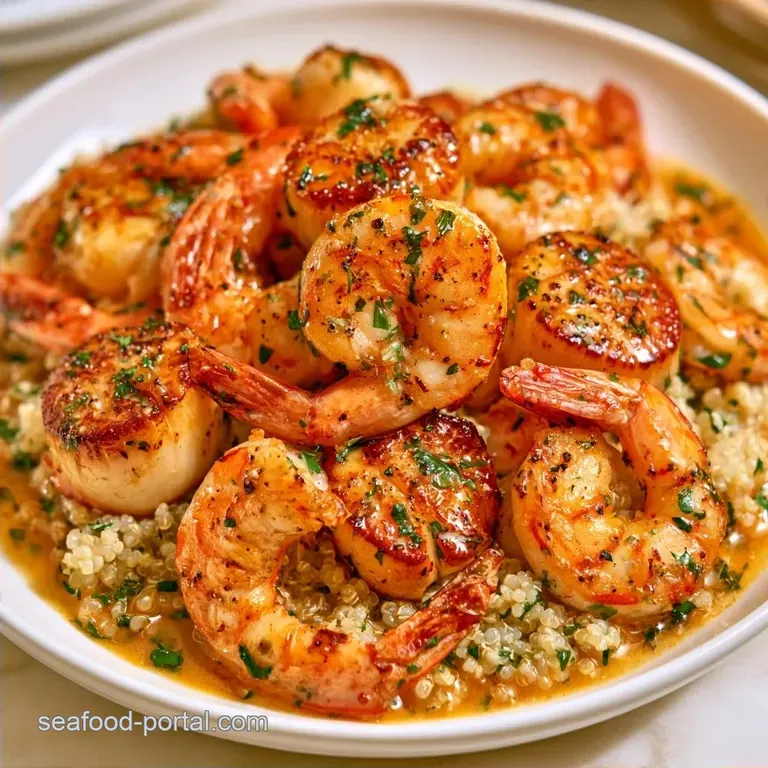
- Time: 10 min active + 10 min cook
- Flavor/Texture Hook: Zesty lime and mahogany crusted seafood
- Perfect for: High protein lunch or a fast, clean dinner
That sharp, satisfying sizzle when a scallop hits a hot pan is one of my favorite sounds in the kitchen. There is something about that immediate sear that tells you the meal is going to be a win.
For a long time, I thought "wellness bowls" were just an excuse to pay twenty dollars for cold kale and a few pieces of lukewarm fish. I figured you had to sacrifice flavor to stay in that alkaline, anti inflammatory zone.
Forget the idea that alkaline eating means eating bland salads or tasteless grains. You don't need a fancy cafe or a professional kitchen to get that bright, energizing feeling. This Alkaline Seafood Bowl is all about contrast, using the heat of the pan and the zing of fresh lime to make simple ingredients pop.
We are keeping things fast and fresh. You can expect a meal that takes about twenty minutes from start to finish. It is high in protein, rich in omega-3s, and won't leave you feeling sluggish in the afternoon.
Quick Specs for Alkaline Seafood Bowl
The beauty of this dish is the timing. Since the quinoa takes the longest, we start there, then handle the seafood while the grain rests. It is a tight window, but it ensures everything hits the bowl at the right temperature.
For the best results, use a skillet that can handle high heat. I prefer stainless steel or cast iron. These materials help create that dark, savory crust on the scallops that makes this Alkaline Seafood Bowl taste like something from a high end bistro.
Why Most Recipes Get This Wrong
Most people treat seafood bowls like a salad, but the heat is where the flavor lives. If you don't get the temperature right, you end up with rubbery shrimp and pale scallops.
Surface Moisture: Damp seafood creates steam, which prevents browning. Patting the proteins bone dry allows them to sear instantly.
Quinoa Saponins: Quinoa has a natural coating called saponin that tastes bitter. Rinsing it thoroughly under cold water removes this, leaving a clean, nutty flavor.
Shopping List Breakdown
I prioritize whole, fresh components for this recipe. Steer clear of pre-marinated seafood mixes, as they typically contain preservatives and sugars that compromise the alkaline nature of the meal.
| Ingredient | What It Does | Best Swap |
|---|---|---|
| White Quinoa | Creates a light, alkaline foundation | Amaranth (comparable profile) |
| Sea Scallops | Offers a sweet, buttery protein source | Jumbo prawns |
| Avocado | Contributes creamy texture and healthy fats | Sliced cucumber (for crispness) |
| Baby Kale | Adds mineral-rich, earthy greens | Swiss chard or spinach |
For the Alkaline Base
- 1 cup (185g) white quinoa, rinsed Why this? Naturally alkaline and protein-dense
- 2 cups (480ml) spring or distilled water
- 1/4 tsp (1.5g) sea salt
For the Searing Seafood
- 1/2 lb (225g) large shrimp, peeled and deveined Why this? A lean protein that sears quickly
- 1/2 lb (225g) sea scallops, patted dry Why this? Excellent for searing with a rich taste
- 2 tbsp (30ml) avocado oil Why this? Can withstand high heat without smoking
- 1/2 tsp (3g) sea salt
- 1/4 tsp (1g) cracked black pepper
For the Fresh Toppings & Dressing
- 1 medium (150g) ripe avocado, sliced
- 2 cups (60g) baby kale or spinach, chopped
- 3 tbsp (45ml) extra virgin olive oil Why this? Nutrients are preserved via cold pressing
- 2 tbsp (30ml) fresh lime juice
- 1 tbsp (15ml) fresh cilantro, minced
Equipment Needed
Stick to the basics with your equipment. There's no need for a specialized tool for every task; a medium pot for the grains and a wide skillet for the seafood are the only essentials.
I recommend a wide skillet to give the seafood plenty of space. Overcrowding the pan prevents a proper sear and can cause the proteins to steam. A fish spatula is also a great addition for flipping the scallops without damaging the crust.
Key Steps
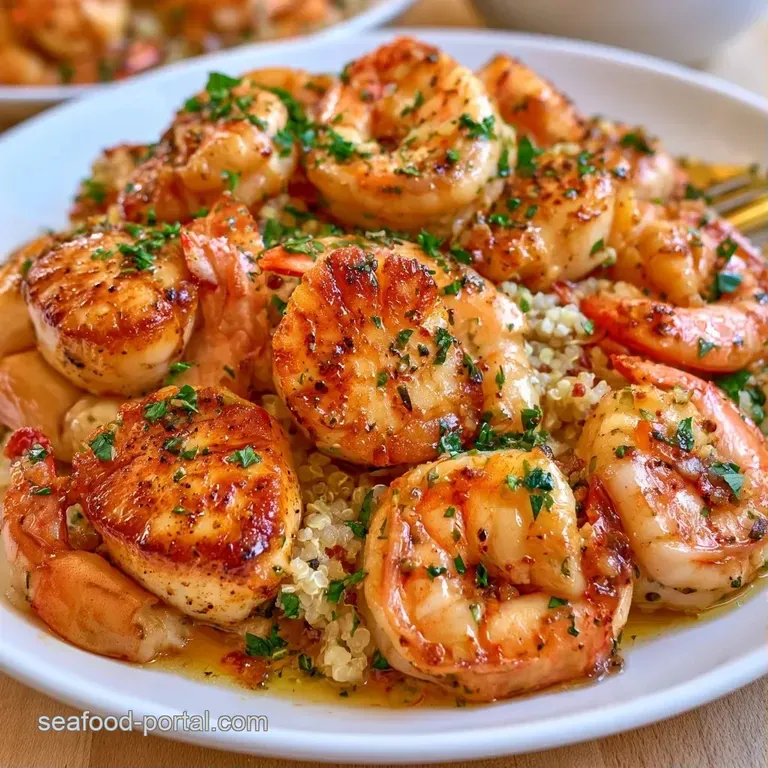
Timing is key. We want the quinoa to finish its resting period just as the seafood is removed from the pan.
Phase 1: Preparing the Base
- Put the rinsed quinoa, water, and salt into a medium pot.
- Get the mixture boiling, then turn the heat down to low, put on a lid, and simmer for 15 minutes.
- Take the pot off the heat and let it stand, covered, for 5 minutes until the water is fully absorbed.
- Use a fork to fluff the grains and maintain a light texture.
Phase 2: Searing the Seafood
- Use paper towels to pat the shrimp and scallops until bone-dry. Note: This is essential for achieving a deep sear.
- Warm avocado oil in a skillet over medium-high heat until it begins to glisten and just starts to smoke.
- Place the seafood in the pan in a single layer.
- Sear scallops for 2 minutes on each side until they develop a rich, dark-brown crust.
- Cook the shrimp for 2 minutes per side until they lose their translucency and curve into a 'C' shape.
Phase 3: Assembling the Bowl
- In a small bowl, whisk together the olive oil, lime juice, and minced cilantro.
- Mix the chopped kale with the lime dressing until the leaves are evenly coated and velvety.
- Split the fluffed quinoa between two serving bowls.
- Top the quinoa with the dressed kale, seared seafood, and sliced avocado to complete your Alkaline Seafood Bowl.
Making the Right Cooking Choice
When it comes to the seafood, you have two main paths. Most of us stick to the stove, but some prefer the oven for larger batches. For this Alkaline Seafood Bowl, the stove is almost always the better bet.
| Method | Result | Best For |
|---|---|---|
| Stovetop Sear | Deep brown crust, juicy interior | Small portions, maximum flavor |
| Oven Roast | Even cooking, less hands on | Large crowds, meal prep |
Stovetop cooking allows you to react to the food. You can hear when the sizzle changes and see exactly when the shrimp hit that perfect C shape. The oven tends to dry out scallops before they can brown.
Common Mistakes & Troubleshooting
Even for pros, seafood can be tricky. There is only a sixty-second window between a perfect result and a rubbery one.
Seafood is Rubbery
Overcooking is the primary culprit. Because shrimp and scallops are lean, they tighten up rapidly. Stop cooking the instant they become opaque. If shrimp curl into a tight "O", they have spent too much time in the pan.
Quinoa is Mushy
This typically happens if you use excess water or stir the pot while it simmers. Once covered, leave the pot undisturbed and let the steam do the work. The 5 minute rest is essential.
Lack of Browning
If your seafood appears grey or white rather than brown, the pan wasn't hot enough or the ingredients were damp. Wait until the oil shimmers before adding your proteins.
| Problem | Root Cause | Solution |
|---|---|---|
| Pale Seafood | Pan too cold or damp protein | Use avocado oil and pat dry |
| Bitter Quinoa | Saponins not removed | Rinse quinoa in a fine mesh strainer |
| Soggy Kale | Too much dressing | Whisk dressing separately, toss gently |
Storage & Reheating
This Alkaline Seafood Bowl is best eaten immediately. However, it works well for meal prep if you handle the components correctly.
Keep the cooked quinoa, dressed kale, and seared seafood in separate containers in the fridge for 3 days. If you mix everything together, the lime juice will wilt the kale and make the quinoa soggy.
When you are ready to eat, you can warm the quinoa and seafood in a pan for 2 minutes, then add the cold avocado and kale on top.
For zero waste, save your avocado pits and skins. You can blend them into a homemade face mask or compost them. If you have leftover cilantro stems, chop them finely and add them to a morning smoothie.
Dietary Adaptations
You can tweak this recipe depending on your goals. If you aren't following a strict alkaline path and want something more indulgent, you could swap the lime dressing for a Rich Buttery Seafood Boil Sauce to give it a Cajun twist.
For a Lower Carb Swap
Replace the quinoa with cauliflower rice. Sauté the cauliflower in a bit of avocado oil for 5 minutes instead of simmering it. This keeps the Alkaline Seafood Bowl low glycemic.
For a Different Protein
If you don't like scallops, use chunks of firm white fish like halibut or cod. Just ensure you pat them dry and sear for about 3-4 minutes per side depending on the thickness.
For Extra Zest
- Extra tang? → add 1 tsp lemon zest
- More crunch? → toss in toasted pepitas
- Creamier base? → stir in 1 tbsp tahini
What to Serve This With
Since this Alkaline Seafood Bowl is a complete meal with protein, grains, and greens, it doesn't need much. But if you are hosting a dinner, a side of steamed asparagus or a sliced cucumber salad with rice vinegar works well.
For a larger spread, you might consider serving this alongside a Seafood Grill for 4 recipe to give your guests a variety of textures and preparations.
One last tip: serve this in a wide, shallow bowl. It allows you to arrange the toppings so they don't all clump together, and it keeps the seafood from steaming the quinoa.
This Alkaline Seafood Bowl is a reminder that eating for health doesn't have to feel like a chore. It is about using over high heat techniques and fresh, mineral rich ingredients to create something that tastes as good as it makes you feel. Now, go get that pan shimmering and enjoy.
Recipe FAQs
Is seafood an alkaline food?
Most seafood is considered neutral or slightly alkaline depending on the variety. Combining it with greens and lime juice in this bowl helps maintain a balanced alkaline profile.
How to get a mahogany crust on scallops?
Pat the scallops completely dry with paper towels before cooking. Sear them in shimmering avocado oil for 2 minutes per side without moving them.
Can I use spinach instead of kale?
Yes, baby spinach is a great alternative. Toss it in the lime dressing just like the kale to keep the leaves velvety.
Is it true that frozen seafood cannot be seared properly?
False. You can achieve a great sear as long as you thaw the seafood and pat it completely dry first.
What happens if I mix the bowl ingredients before storing?
The lime juice will wilt your kale and make the quinoa soggy. Keep the components in separate containers to preserve the textures.
Which oil is best for searing seafood at high heat?
Avocado oil is the ideal choice because it has a very high smoke point. This allows you to reach the heat needed for a proper sear without the oil burning.
Why do shrimp often become rubbery?
Overcooking them past the point where they curl into a 'C' shape ruins the texture. If you enjoy mastering this timing, the same precision helps when creating a homemade seafood mix.
Alkaline Seafood Bowl in 20 Minutes